Corvette ZR1X: American Muscle Conquers the Nürburgring
The legendary Nürburgring Nordschleife, often called the “Green Hell,” is a proving ground for automotive excellence. It’s a track that demands precision, power, and unwavering commitment. Recently, a new champion has emerged from the depths of American automotive engineering: the Chevrolet Corvette ZR1X. This groundbreaking hybrid supercar has shattered the previous record for the fastest American car around the Nürburgring, cementing its place in automotive history. The Corvette ZR1X isn’t just fast; it’s a statement of intent, showcasing the future of performance vehicles.
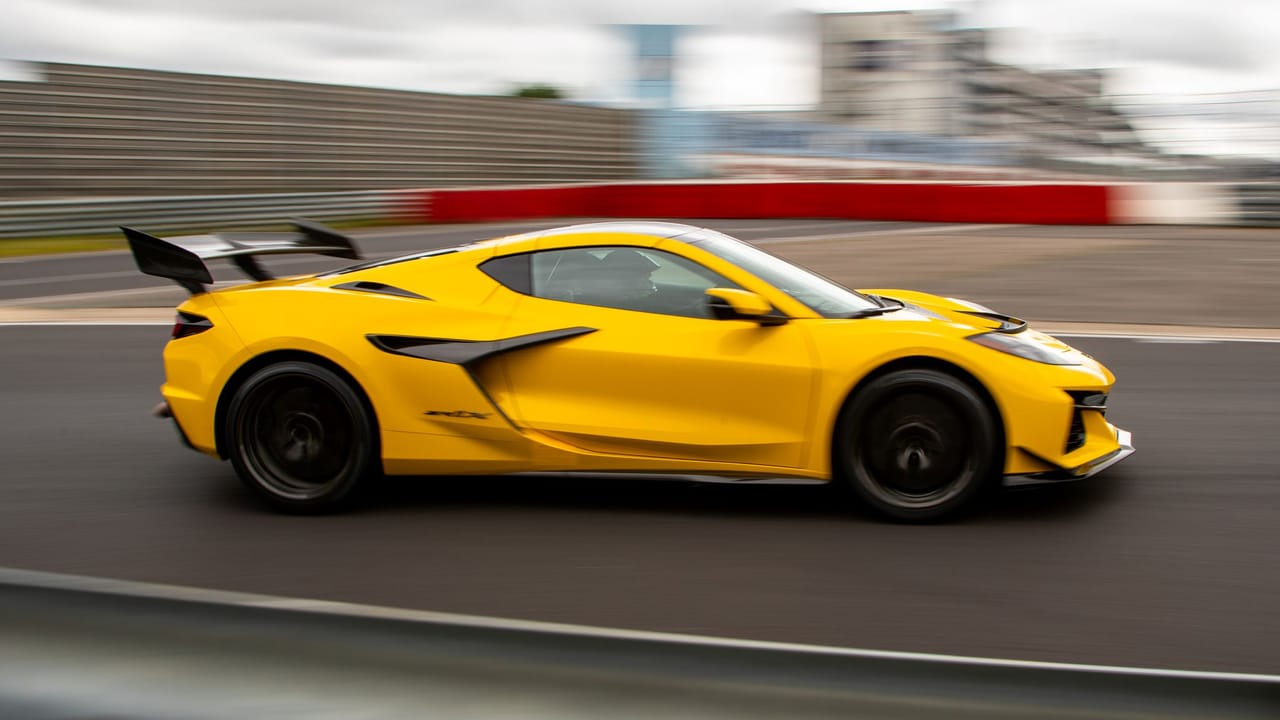
The previous record, held by the Ford Mustang GTD, was a significant achievement in itself. However, the Corvette ZR1X, with its innovative hybrid powertrain and advanced aerodynamics, has raised the bar to an entirely new level. This article delves into the details of this record-breaking feat, exploring the technology that makes the ZR1X so formidable, and examining the implications for the future of American performance cars. We’ll also consider the significance of the Nürburgring as a benchmark for automotive performance and discuss why this record is so important to the automotive community.
The Rise of the Hybrid Hypercar: Corvette ZR1X Specs
The heart of the Corvette ZR1X lies in its revolutionary hybrid powertrain. Unlike traditional performance cars that rely solely on internal combustion engines, the ZR1X combines a potent gasoline engine with an electric motor, resulting in a staggering 1,250 horsepower. This combination delivers not only immense power but also instant torque, providing unparalleled acceleration and responsiveness. The all-wheel-drive system ensures optimal traction and control, allowing the ZR1X to navigate the challenging corners of the Nürburgring with remarkable precision. For a glimpse into the future of automotive technology, one might also consider the advancements being made in electric vehicle charging, as discussed in articles covering topics like the latest iPhone features, which indirectly influence automotive user interfaces and connectivity.
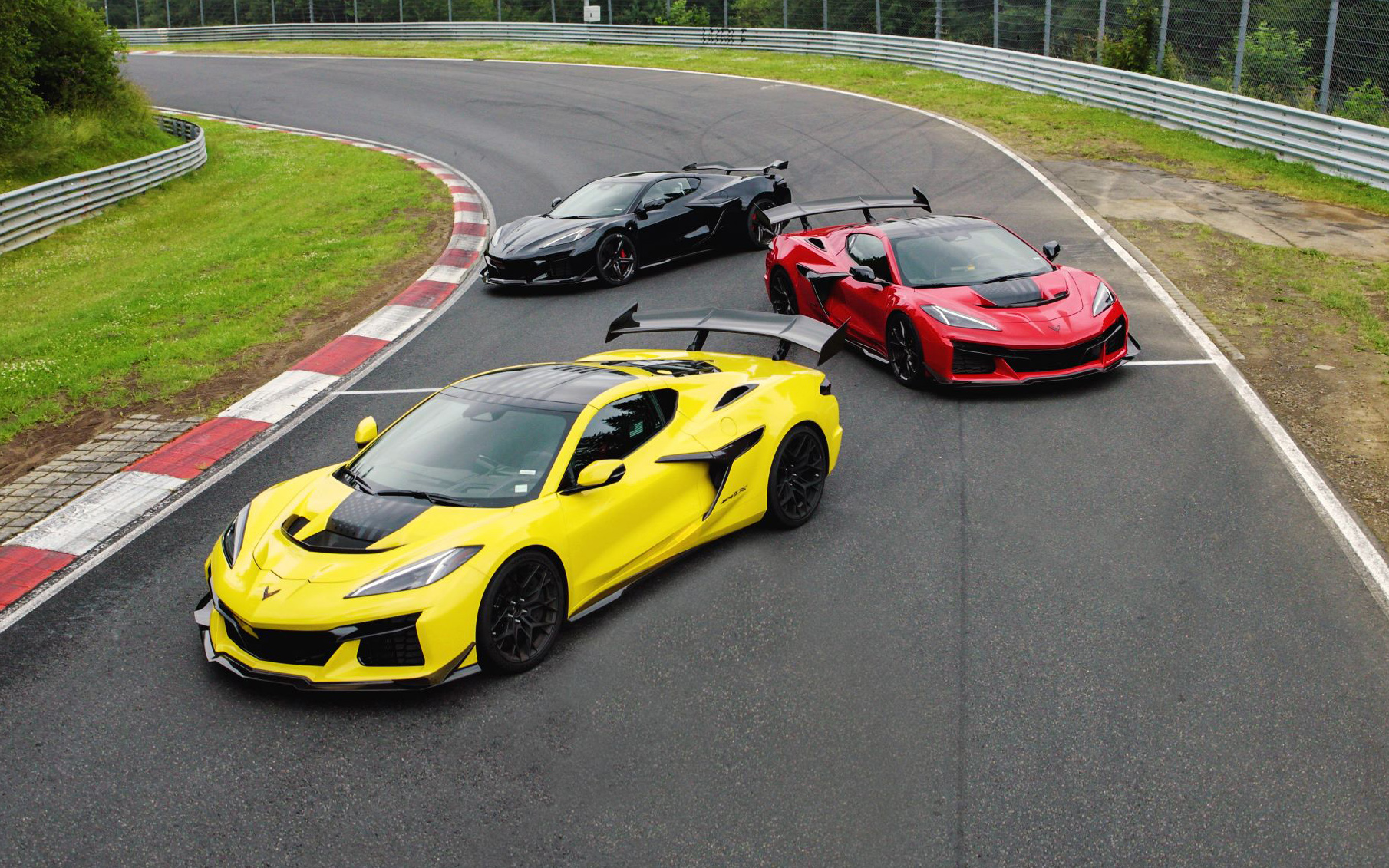
Aerodynamic Mastery
Beyond its powerful engine, the Corvette ZR1X boasts an aerodynamically optimized design. Every curve and contour of the car’s body has been carefully sculpted to minimize drag and maximize downforce. The aggressive front splitter, rear wing, and diffuser work in harmony to keep the car planted on the track, even at high speeds. This attention to detail allows the ZR1X to maintain exceptional stability and control, crucial for achieving a fast lap time on the demanding Nürburgring. The ZTK package, equipped on both the ZR1X and the standard ZR1 during their record attempts, further enhances the car’s aerodynamic capabilities.
The Standard ZR1’s Impressive Performance
While the Corvette ZR1X stole the show, the “standard” ZR1 also delivered an outstanding performance. Equipped with a twin-turbo 5.5-liter V8 producing 1,064 horsepower, the rear-wheel-drive ZR1 achieved a Nürburgring time of 6m 50.763s. This impressive feat demonstrates the raw power and engineering excellence of the traditional Corvette platform. The ZR1’s performance highlights the ongoing relevance of internal combustion engines, even as hybrid and electric technologies continue to advance. The ongoing evolution of automotive technology can also be seen in Cadillac’s latest advancements, which you can read more about in a Cadillac Lyriq V review.

The Nürburgring: A Crucible of Automotive Performance
The Nürburgring Nordschleife is more than just a racetrack; it’s a symbol of automotive excellence. Its 12.9-mile length, with its combination of high-speed straights, challenging corners, and dramatic elevation changes, makes it one of the most demanding tracks in the world. A lap time on the Nürburgring is a badge of honor for any car manufacturer, a testament to the engineering prowess and performance capabilities of their vehicles. Achieving a fast lap time requires a delicate balance of power, handling, and aerodynamics. The Corvette ZR1X’s record-breaking lap time is a clear indication of its exceptional capabilities in all these areas.
Why the Nürburgring Matters
The Nürburgring serves as a crucial testing ground for manufacturers. The track’s diverse conditions expose weaknesses in a vehicle’s design, allowing engineers to refine and improve their cars. A successful Nürburgring lap time translates to real-world performance benefits, making cars safer, faster, and more enjoyable to drive. The track’s reputation also attracts a global audience, making it an ideal platform for showcasing new technologies and performance capabilities. Furthermore, the Nürburgring tests the durability of components, identifying potential issues before a vehicle reaches consumers. The significance of performance and reliability extends beyond just cars; it’s also crucial in other sectors, such as the business world, where reliable laptops can enhance productivity. You can explore this further with a look at Dell’s business laptops.
The Significance of the American Record
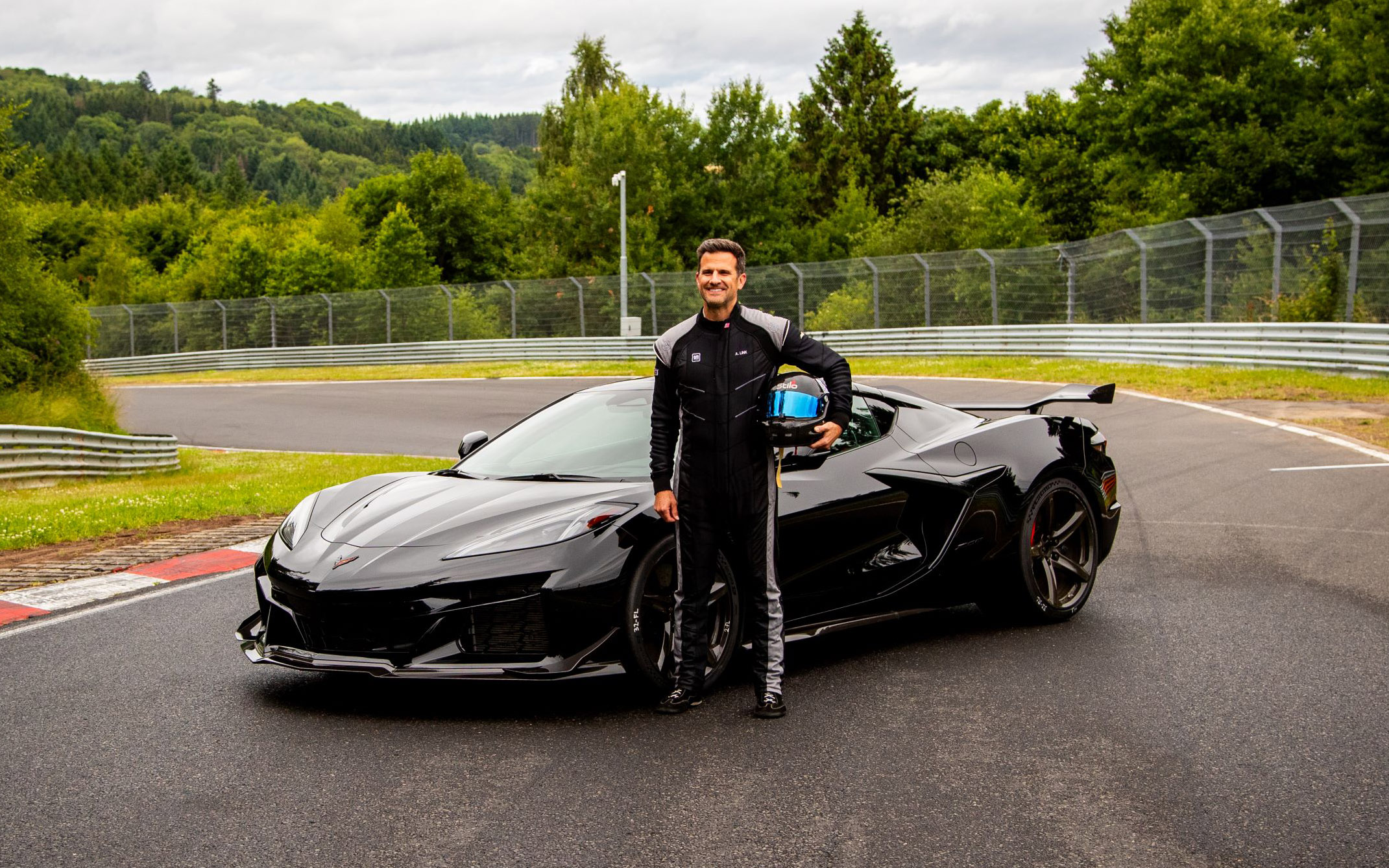
The Corvette ZR1X’s achievement is not just about setting a fast lap time; it’s about national pride. The “fastest American car around the Nürburgring” title carries significant weight, representing the innovation and engineering capabilities of the American automotive industry. This record serves as a reminder that American automakers are still capable of producing world-class performance vehicles that can compete with the best in the world. It also inspires a new generation of engineers and designers to push the boundaries of automotive technology.
A Boost for American Automotive Innovation
The Corvette ZR1X’s record-breaking lap is a shot in the arm for the American automotive industry. It demonstrates that American companies are at the forefront of hybrid and performance technology. This achievement can attract investment, create jobs, and further stimulate innovation in the automotive sector. Furthermore, it enhances the reputation of American cars on the global stage, potentially leading to increased sales and market share. The success of the ZR1X may also influence future automotive design and engineering trends, encouraging other manufacturers to pursue similar hybrid performance strategies.
The Future of American Performance Cars
The Corvette ZR1X’s success signals a shift in the landscape of American performance cars. Hybrid technology is no longer just about fuel efficiency; it’s about enhancing performance and delivering an unparalleled driving experience. The ZR1X demonstrates that electric motors can be seamlessly integrated into high-performance vehicles, providing instant torque and improved handling. This trend is likely to continue, with more American automakers embracing hybrid and electric powertrains in their performance models. This embrace of new technology is also seen in other consumer electronics, such as the anticipated features of the iPhone 15 Pro.
The Rise of Electric Performance
While the Corvette ZR1X is a hybrid, the future of American performance cars may ultimately be electric. Electric vehicles (EVs) offer instant torque, exceptional acceleration, and zero emissions. As battery technology continues to improve, EVs will become increasingly competitive with traditional gasoline-powered cars in terms of range and performance. Several American automakers are already developing high-performance EVs, and it’s only a matter of time before an electric car claims the title of “fastest American car around the Nürburgring.” The shift toward electric vehicles is a global trend, with companies like Rivian leading the charge in the electric truck market. For example, the Rivian R1T showcases how electric power can redefine vehicle capabilities and performance.
Challenges and Considerations
While the Corvette ZR1X’s achievement is undoubtedly impressive, it’s important to acknowledge the challenges and considerations associated with hybrid and electric performance cars. These vehicles often come with a higher price tag than their gasoline-powered counterparts, making them less accessible to the average consumer. Battery technology still has limitations in terms of range and charging time. Furthermore, the environmental impact of battery production and disposal needs to be carefully considered. These challenges must be addressed in order for hybrid and electric performance cars to achieve widespread adoption.
Sustainability and Performance
The pursuit of performance should not come at the expense of sustainability. Automakers need to prioritize the development of environmentally friendly technologies and materials. This includes improving battery recycling processes, reducing the carbon footprint of manufacturing, and minimizing the use of rare earth elements in electric motors. By embracing sustainable practices, automakers can ensure that the future of performance cars is both exciting and environmentally responsible. The automotive industry’s focus on sustainability mirrors the broader trend towards eco-conscious consumerism, influencing decisions from car purchases to the adoption of wireless audio solutions like the AirPods 4, which emphasize energy efficiency and reduced electronic waste.
Conclusion: A New Era for American Performance
The Corvette ZR1X’s record-breaking lap around the Nürburgring marks a new era for American performance cars. This achievement demonstrates the potential of hybrid technology to enhance performance and deliver an unparalleled driving experience. As American automakers continue to innovate and embrace new technologies, we can expect to see even more impressive performance vehicles emerge in the years to come. The future of American performance is bright, and the Corvette ZR1X has paved the way for a new generation of high-performance hybrid and electric vehicles. The legacy of the ZR1X extends beyond the racetrack, inspiring innovation and setting new standards for automotive engineering.