Ram 1500 REV: Pivoting from Electric to Plug-In Hybrid Power
The automotive landscape is constantly evolving, and manufacturers must adapt to shifting consumer preferences and market demands. Recently, Ram Trucks, a division of Stellantis, announced a significant change in its electrification strategy. The highly anticipated all-electric Ram 1500 REV pickup truck has been shelved, with the company focusing instead on its plug-in hybrid variant, also initially known as the Ramcharger, now rebranded as the Ram 1500 REV. This decision reflects a reassessment of market dynamics and a strategic pivot towards a more pragmatic approach to electrification.
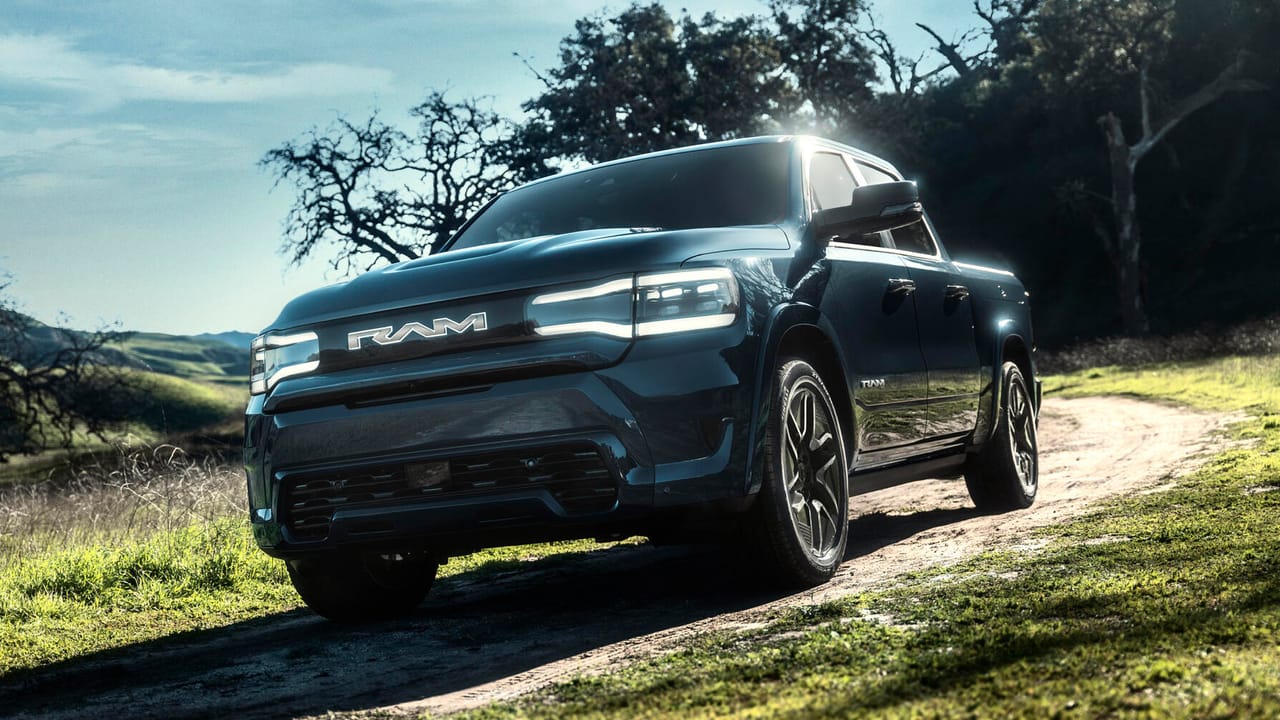
The initial plan was ambitious: a fully electric pickup truck boasting impressive specifications, including twin motors, up to 645 horsepower, and a choice of massive battery packs. However, as Stellantis noted in a recent statement, “As demand for full-size battery electric trucks slows in North America, Stellantis is reassessing its product strategy and will discontinue development of a full-size BEV pickup.” This statement highlights a crucial factor influencing the decision: a cooling interest in fully electric trucks within the North American market. Let’s delve into the reasons behind this shift and what it means for the future of electric pickups. For those interested in automotive reviews, you might find this Kia K4 review insightful as well.
The Changing Landscape of Electric Vehicle Demand
Several factors contribute to the slowdown in demand for full-size electric pickup trucks. These include:
- Range Anxiety: Despite advancements in battery technology, range anxiety remains a significant concern for many potential buyers. The fear of running out of charge, especially when towing or hauling heavy loads, deters some from opting for an all-electric truck.
- Charging Infrastructure: The availability of public charging stations, particularly in rural areas and along popular trucking routes, is still limited. This makes long-distance travel and work applications challenging for electric trucks.
- Price Point: Electric trucks often carry a higher price tag compared to their gasoline-powered counterparts. This price premium can be a barrier for budget-conscious buyers, especially when considering the practical needs of truck ownership.
- Performance Concerns: While electric trucks offer impressive torque and acceleration, some potential buyers have concerns about their performance under heavy loads and in extreme weather conditions. There’s a perception that gasoline engines are more reliable and capable in demanding situations.
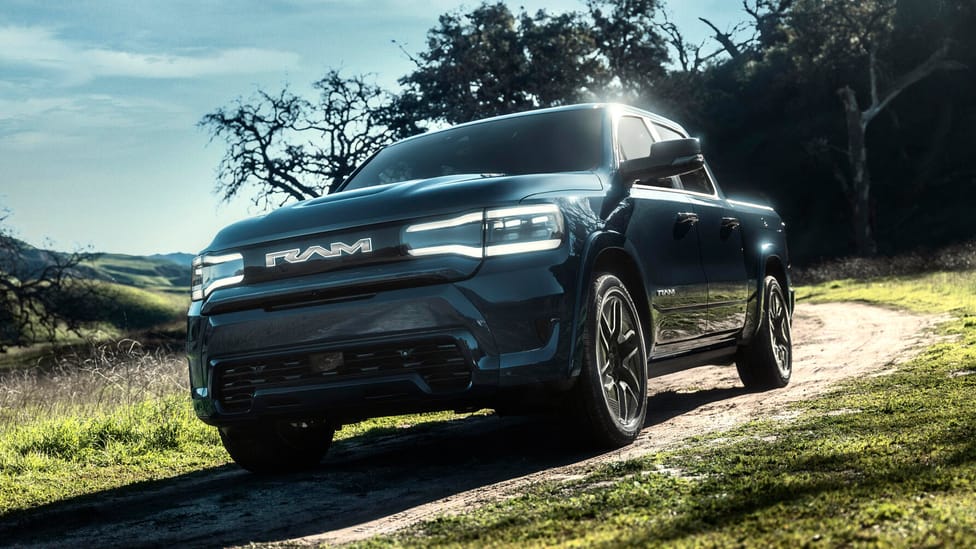
Given these challenges, Ram’s decision to prioritize the plug-in hybrid Ram 1500 REV makes strategic sense. Plug-in hybrids offer a compelling compromise, providing electric driving range for daily commutes and shorter trips while retaining the flexibility and range of a gasoline engine for longer journeys and demanding tasks.
Ram 1500 REV: Embracing the Plug-In Hybrid Approach
The Ram 1500 REV, in its plug-in hybrid guise, aims to address the concerns that have dampened enthusiasm for all-electric trucks. By combining an electric motor with a gasoline engine, the Ram 1500 REV offers:
- Extended Range: The gasoline engine eliminates range anxiety, allowing drivers to travel long distances without worrying about finding a charging station.
- Versatility: The plug-in hybrid powertrain provides ample power and torque for towing and hauling, while also offering electric-only driving for improved fuel efficiency in urban environments.
- Reduced Emissions: The electric motor allows for zero-emission driving for a significant portion of the time, reducing overall emissions and contributing to a cleaner environment.
- Familiar Experience: The plug-in hybrid powertrain offers a driving experience that is more familiar to traditional truck owners, making the transition to electrification less daunting.
The Ram 1500 REV’s plug-in hybrid system is designed to seamlessly integrate electric and gasoline power, providing a smooth and efficient driving experience. Drivers can choose to operate in electric-only mode for shorter trips or engage the gasoline engine for extended range and increased power. This flexibility makes the Ram 1500 REV a more practical and appealing option for a wider range of truck buyers.
The Future of Electric Pickups: A Gradual Transition
Ram’s decision to shift its focus from all-electric to plug-in hybrid pickups reflects a broader trend in the automotive industry. While electric vehicles are gaining popularity, the transition to full electrification is likely to be a gradual process. Plug-in hybrids offer a valuable stepping stone, allowing consumers to experience the benefits of electric driving while mitigating the challenges associated with range anxiety and charging infrastructure. Similarly, considering the advancements in smartphone technology, it is interesting to compare the evolution of electric vehicles to something like the iPhone 13 Pro specs, demonstrating how technology can evolve and adapt to consumer needs.
As battery technology continues to improve and charging infrastructure expands, all-electric pickups will likely become more viable in the future. However, for the time being, plug-in hybrids offer a more practical and appealing solution for many truck buyers. Ram’s strategic pivot acknowledges this reality and positions the company to capitalize on the growing demand for electrified vehicles while addressing the specific needs of the truck market.
Analyzing the Ram 1500 REV’s Market Position
The decision to rebrand the Ramcharger as the Ram 1500 REV signifies a strategic alignment with the existing Ram 1500 lineup. This move leverages the established brand recognition and reputation of the Ram 1500, making it easier for consumers to understand and accept the electrified variant. By integrating the plug-in hybrid model into the existing product family, Ram aims to broaden its appeal and capture a larger share of the market.
The Ram 1500 REV will compete with other plug-in hybrid trucks, as well as traditional gasoline-powered models. Its success will depend on its ability to offer a compelling combination of performance, fuel efficiency, and practicality. The company will need to effectively communicate the benefits of the plug-in hybrid powertrain, highlighting its electric driving range, towing capacity, and overall value proposition. Moreover, the integration of advanced technology and user-friendly features will be crucial in attracting tech-savvy truck buyers.

The Role of the STLA Large Platform
The original plan for the all-electric Ram 1500 REV involved utilizing Stellantis’ STLA Large platform, a dedicated electric vehicle architecture designed for full-size vehicles. While the all-electric version has been shelved, the STLA Large platform may still play a role in future electrification efforts. Stellantis could potentially adapt the platform for use in other electric vehicles, including SUVs and crossovers. The company’s investment in the STLA Large platform demonstrates its commitment to electrification, even as it adjusts its short-term strategy to reflect market realities. For a different take on innovative vehicle design, consider exploring the unique features of the Subaru Uncharted.
Consumer Sentiment and Market Analysis
Understanding consumer sentiment is crucial for automakers navigating the evolving electric vehicle market. Surveys and market research indicate that while interest in electric vehicles is growing, many consumers still have reservations about all-electric trucks. Concerns about range, charging infrastructure, and price remain prevalent. Plug-in hybrids offer a way to address these concerns, providing a more accessible and practical entry point into the world of electric driving.
Market analysis also suggests that the demand for electric trucks is not uniform across all regions. Some areas, particularly those with strong environmental regulations and incentives for electric vehicle adoption, may see higher demand for all-electric trucks. However, in other regions, where gasoline-powered trucks remain dominant, plug-in hybrids may be a more viable option. Automakers need to tailor their product offerings and marketing strategies to reflect the specific needs and preferences of different markets.
The Long-Term Vision for Electric Pickups
While Ram has shifted its immediate focus to plug-in hybrids, the company remains committed to electrification in the long term. As battery technology continues to advance and charging infrastructure expands, all-electric pickups are likely to become more competitive and appealing. Ram’s decision to shelve the all-electric Ram 1500 REV does not signify a complete abandonment of electric trucks, but rather a strategic adjustment to align with current market realities. The company will likely continue to monitor the market and explore opportunities to reintroduce an all-electric pickup when the conditions are more favorable.
In the meantime, the Ram 1500 REV plug-in hybrid will serve as an important bridge, helping to introduce truck buyers to the benefits of electric driving and paving the way for a future where all-electric pickups are a mainstream option. The ongoing evolution of technology, as seen in smartphones like the Apple iPhone 12 Pro Max, suggests that continued innovation will drive the adoption of electric vehicles.
Impact on the Competition
Ram’s decision to pivot from an all-electric pickup truck to a plug-in hybrid model has implications for its competitors in the automotive industry. Other manufacturers that are developing or have already launched all-electric pickups may need to reassess their strategies in light of the evolving market dynamics. The success of the Ram 1500 REV plug-in hybrid will provide valuable insights into consumer preferences and the viability of different electrification approaches. This could lead to adjustments in product development plans, pricing strategies, and marketing campaigns across the industry.
Furthermore, Ram’s move could influence the pace of charging infrastructure development. If plug-in hybrids become more popular, the demand for public charging stations may shift, with a greater emphasis on Level 2 chargers that are suitable for shorter charging sessions. This could impact the investment decisions of charging network operators and the deployment of charging infrastructure in different regions.
Conclusion: A Strategic Shift in a Dynamic Market
Ram’s decision to discontinue development of its all-electric pickup truck and focus on the plug-in hybrid Ram 1500 REV reflects a strategic response to the evolving electric vehicle market. While the initial enthusiasm for all-electric trucks has cooled somewhat, plug-in hybrids offer a more practical and appealing solution for many truck buyers. By combining electric driving range with the versatility of a gasoline engine, the Ram 1500 REV aims to bridge the gap between traditional trucks and fully electric vehicles. This move positions Ram to capitalize on the growing demand for electrified vehicles while addressing the specific needs and concerns of the truck market.
The future of electric pickups remains uncertain, but Ram’s strategic shift underscores the importance of adaptability and a deep understanding of consumer preferences. As battery technology continues to improve and charging infrastructure expands, all-electric pickups may eventually become a mainstream option. However, for the time being, plug-in hybrids offer a valuable stepping stone, paving the way for a more electrified future for the truck segment. The key will be to balance innovation with practicality, offering consumers compelling products that meet their needs and expectations. Moreover, advancements in technology, such as those seen in devices like the Acer Aspire Go 15, highlight the potential for ongoing improvements and greater adoption of new technologies.