Monterey Car Week: Top Sales of Ridiculously Expensive Cars
Monterey Car Week, held annually in August, is a celebration of automotive history, design, and performance. It culminates in a series of high-profile auctions where some of the world’s most coveted and rare automobiles go under the hammer. The 2025 edition of Monterey Car Week was no exception, witnessing a flurry of bidding wars and record-breaking sales that underscored the enduring appeal of classic and collectible cars. This year, 31 ridiculously expensive cars achieved staggering prices, highlighting the passion and deep pockets of automotive enthusiasts. Let’s delve into the details of these remarkable sales and explore what made these vehicles so valuable.
The Allure of Monterey Car Week
Monterey Car Week attracts collectors, investors, and enthusiasts from around the globe. The auctions are a key component, offering a transparent and competitive marketplace for rare and desirable vehicles. The prices achieved often set benchmarks for the classic car market, influencing valuations and shaping collector preferences. Several factors contribute to the high prices seen during Monterey Car Week, including:
- Rarity: The scarcity of a particular model is a primary driver of value. Limited production runs, surviving examples, and unique specifications all contribute to rarity.
- Provenance: The history of a car, including its previous owners, racing pedigree, and notable events, can significantly impact its value. Well-documented provenance adds credibility and desirability.
- Condition: The originality and condition of a car are crucial. Meticulously restored vehicles or well-preserved originals command higher prices.
- Historical Significance: Cars with historical importance, such as those that participated in significant races or were owned by famous figures, are highly sought after.
- Market Demand: The overall demand for a specific model or marque influences prices. Trends and collector preferences play a role in shaping demand.
The auction houses that host these sales, such as RM Sotheby’s, Gooding & Company, and Bonhams, play a crucial role in vetting the vehicles and presenting them to potential buyers. Their expertise and reputation contribute to the credibility of the sales process. The week also includes events that showcase cutting-edge design, such as displays that highlight the importance of visual aesthetics in automotive engineering.
The Top 31 Ridiculously Expensive Cars Sold
The 2025 Monterey Car Week witnessed a diverse range of vehicles achieving impressive prices. While a complete list of all 31 cars would be extensive, several standout sales deserve particular attention. These vehicles represent a cross-section of automotive history, from pre-war classics to modern supercars.
One notable sale was a 1937 Bugatti Type 57SC Atalante, which fetched a price of $14.5 million. This exceptional example of pre-war French design boasted a stunning coachbuilt body and a rich history. Its rarity and impeccable condition made it a highly desirable acquisition for collectors. The Bugatti’s elegant lines and powerful engine exemplify the Art Deco era of automotive design. The demand for these cars continues to grow.
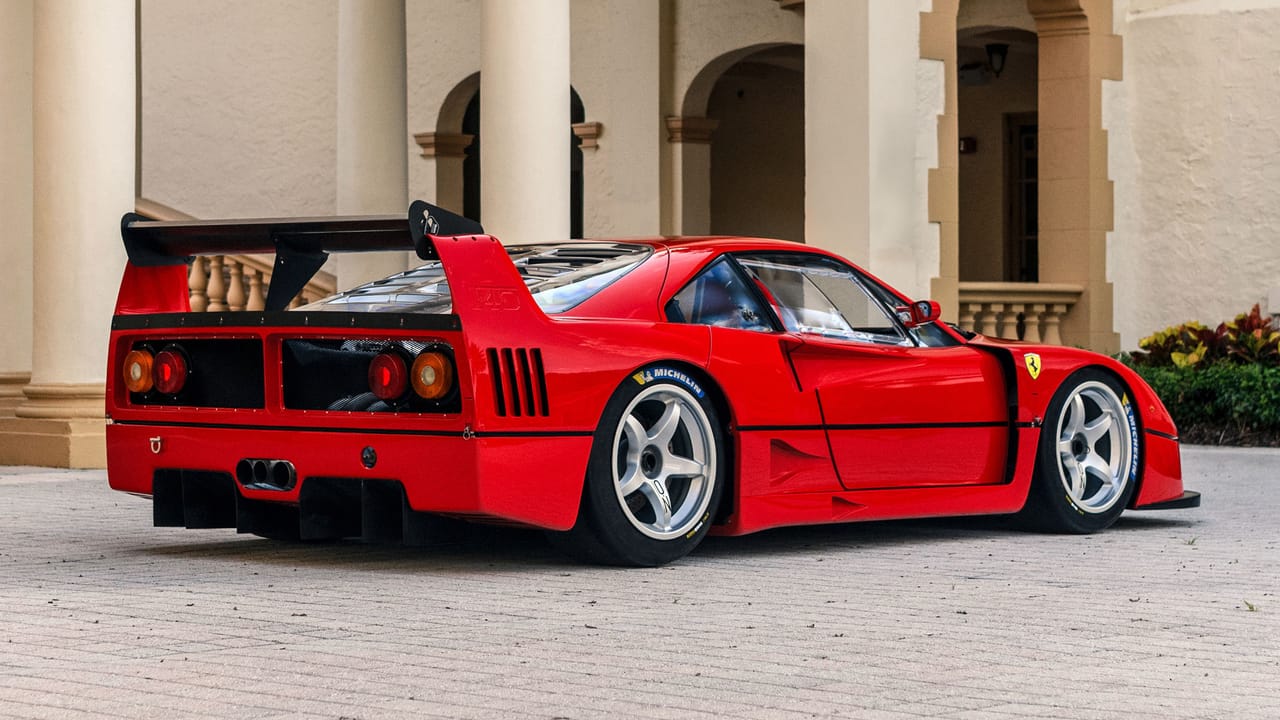
Another highlight was the sale of a 1962 Ferrari 250 GTO, which sold for $47.5 million. The 250 GTO is widely regarded as one of the most desirable and valuable cars in the world. Its racing pedigree, limited production run, and stunning design make it a true automotive icon. This particular example had a successful racing history, further enhancing its value. The allure of Ferrari’s racing heritage continues to captivate collectors. These vehicles showcase the best of Italian design and engineering.
A 1955 Mercedes-Benz 300 SL Gullwing also achieved a significant price of $3.8 million. The Gullwing is renowned for its distinctive doors and advanced engineering. This example was meticulously restored and presented in exceptional condition. The Gullwing represents a pivotal moment in automotive history, showcasing Mercedes-Benz’s commitment to innovation and performance. This model remains a favorite among collectors and enthusiasts. The car’s design and engineering have secured its place in automotive history.
Beyond these iconic classics, a number of modern supercars also commanded impressive prices. A 2020 Ferrari Monza SP1 sold for $3.2 million, reflecting the growing interest in limited-edition, high-performance vehicles. The Monza SP1 is a modern interpretation of classic Ferrari barchettas, offering a unique and exhilarating driving experience. The car’s exclusivity and performance contribute to its desirability. This highlights the evolving landscape of collectible cars.
Factors Influencing the High Prices
Several factors contributed to the high prices observed during the 2025 Monterey Car Week auctions. The overall strength of the global economy, combined with a growing interest in collectible cars as an investment, fueled demand. Low interest rates and a desire for tangible assets further contributed to the market’s buoyancy. Collectors are increasingly viewing classic cars as a store of value and a hedge against inflation. The market’s resilience and potential for appreciation attract investors. The search for unique and rare assets drives up prices.
The increasing accessibility of information and online auction platforms has also expanded the reach of these sales. Potential buyers from around the world can participate in the auctions, increasing competition and driving up prices. Online bidding platforms have democratized access to these exclusive events. The global reach of these auctions enhances their competitiveness. The availability of detailed information empowers buyers to make informed decisions. The digital age has transformed the classic car market.
The meticulous restoration and preservation efforts undertaken by specialists also play a crucial role. These artisans ensure that classic cars are maintained to the highest standards, preserving their originality and value. The dedication and expertise of these restorers contribute to the longevity of these vehicles. Their work ensures that these automotive treasures are preserved for future generations. The restoration process often involves painstaking research and meticulous attention to detail. The value of these cars is directly linked to the quality of their restoration.
Furthermore, the emotional connection that collectors have with these cars cannot be understated. These vehicles represent a bygone era of automotive design and engineering, evoking feelings of nostalgia and admiration. The allure of classic cars extends beyond their monetary value. They represent a tangible link to the past. The emotional connection drives passion and fuels demand. The stories behind these cars resonate with collectors.
Spotlight on Aston Martin DBS Octavia
Among the incredible vehicles showcased, the Aston Martin DBS Octavia stands out as a true masterpiece. With its 805bhp manual transmission, this model epitomizes performance and craftsmanship. Such unique vehicles continue to draw significant interest and high bids at events like Monterey Car Week, further driving the market for bespoke and high-performance automobiles. These rare combinations of power and design always capture the attention of serious collectors.
The Future of the Classic Car Market
The classic car market is expected to remain strong in the coming years, driven by continued demand from collectors and investors. The increasing popularity of electric vehicles and autonomous driving technology may further enhance the appeal of classic cars, as they represent a tangible connection to a more traditional driving experience. The contrast between modern technology and classic craftsmanship could drive demand. Classic cars offer a unique driving experience that is increasingly rare. The shift towards electric vehicles may further elevate the status of classic cars.
However, the market also faces challenges. The rising costs of restoration and maintenance, combined with increasing environmental concerns, could impact demand. The long-term sustainability of the classic car market will depend on addressing these challenges. The industry needs to adapt to changing environmental regulations. The preservation of classic cars requires ongoing investment and expertise. The future of the market hinges on balancing passion with practicality.
Despite these challenges, the enduring appeal of classic cars is undeniable. These vehicles represent a unique blend of art, engineering, and history, capturing the imagination of collectors and enthusiasts around the world. The passion for classic cars transcends generations and cultures. They are more than just machines; they are symbols of innovation and craftsmanship. The future of the classic car market is bright, albeit with some challenges to navigate.
The Role of Technology
Technology plays an increasingly significant role in the classic car market. Online auction platforms, digital marketplaces, and virtual showrooms have expanded the reach of these sales and made it easier for buyers and sellers to connect. These platforms provide access to a global audience. They streamline the buying and selling process. They offer detailed information and high-quality images. Technology has democratized access to the classic car market.
Furthermore, technology is also being used to enhance the restoration and preservation of classic cars. 3D printing, laser scanning, and computer-aided design (CAD) are being used to create accurate replacement parts and restore damaged components. These technologies enable restorers to achieve greater accuracy and efficiency. They help preserve the originality of classic cars. They reduce the reliance on scarce and expensive original parts. Technology is revolutionizing the restoration process.
However, the use of technology also raises questions about authenticity and originality. Collectors are increasingly concerned about the use of non-original parts and the potential for fraud. The industry needs to establish clear standards and guidelines for the use of technology in the restoration process. Transparency and documentation are crucial for maintaining trust and confidence. The authenticity of classic cars is paramount. The industry needs to address these concerns proactively.
Investing in Classic Cars: A Lucrative Venture?
Investing in classic cars can be a lucrative venture, but it also carries risks. The value of classic cars can fluctuate significantly depending on market conditions, collector preferences, and economic factors. Thorough research and due diligence are essential before making any investment. Understanding the market dynamics is crucial for success. Seeking advice from experts can help mitigate risks. The value of classic cars is not guaranteed to appreciate.
Furthermore, the costs of ownership, including restoration, maintenance, and insurance, can be substantial. These costs need to be factored into any investment decision. The ongoing upkeep of classic cars requires significant financial resources. Neglecting maintenance can lead to depreciation. The total cost of ownership can be higher than expected.
However, the potential rewards can be significant. Well-chosen classic cars can appreciate in value over time, providing a solid return on investment. They can also provide enjoyment and satisfaction to their owners. The emotional value of owning a classic car is often underestimated. The potential for appreciation is a key driver of investment. The rewards can outweigh the risks for knowledgeable investors.
Consider the appeal of retro designs, as explored in detail regarding the Ford Bronco Roadster. This kind of vehicle often combines classic aesthetics with modern mechanics, making it a desirable investment.
The Social Impact of Monterey Car Week
Monterey Car Week has a significant social and economic impact on the Monterey Peninsula. The event attracts thousands of visitors, generating millions of dollars in revenue for local businesses. The week also provides employment opportunities and supports local charities. The economic benefits of Monterey Car Week are substantial. The event contributes to the vibrancy of the local community. It supports local businesses and creates jobs. The social impact of Monterey Car Week is positive and far-reaching.
Furthermore, Monterey Car Week provides a platform for showcasing automotive innovation and design. The event attracts designers, engineers, and manufacturers from around the world, fostering collaboration and creativity. It’s a hub for innovation and inspiration. It promotes the advancement of automotive technology. It showcases the latest trends in design and engineering. Monterey Car Week is a catalyst for progress in the automotive industry.
The week also serves as a reminder of the importance of preserving automotive history. The classic cars on display represent a tangible link to the past, reminding us of the ingenuity and craftsmanship of previous generations. They are a testament to human creativity and innovation. They provide valuable lessons about design and engineering. They inspire us to appreciate the beauty and complexity of automobiles. Monterey Car Week is a celebration of automotive heritage.
Conclusion: The Enduring Appeal of Ridiculously Expensive Cars
The 2025 Monterey Car Week auctions underscored the enduring appeal of classic and collectible cars. The high prices achieved by these 31 ridiculously expensive cars reflect the passion and deep pockets of automotive enthusiasts. These vehicles represent a unique blend of art, engineering, and history, capturing the imagination of collectors and investors around the world. The market for these cars is complex and dynamic, influenced by a variety of factors, including rarity, provenance, condition, and market demand. While investing in classic cars carries risks, the potential rewards can be significant. Monterey Car Week is more than just an auction; it is a celebration of automotive heritage and a testament to the enduring power of the automobile. The event continues to evolve, embracing technology and adapting to changing market conditions, but its core mission remains the same: to showcase the beauty, innovation, and history of the automobile. As technology advances, we can also consider how features from devices like the Apple iPhone XR, such as advanced displays and processing power, could be integrated into future classic car restorations to enhance their functionality without compromising their vintage appeal. The blend of classic design with modern technology could further elevate the value and desirability of these vehicles.