Unveiling the Power: Samsung Galaxy S10+ Features
The Samsung Galaxy S10+ was a flagship device that made waves with its impressive features and sleek design. Understanding the Samsung Galaxy S10+ features allows users and tech enthusiasts alike to appreciate the innovation and performance packed into this smartphone. From its vibrant display to its versatile camera system, the S10+ offered a premium mobile experience. This article delves into the key specifications and capabilities that defined the Samsung Galaxy S10+.
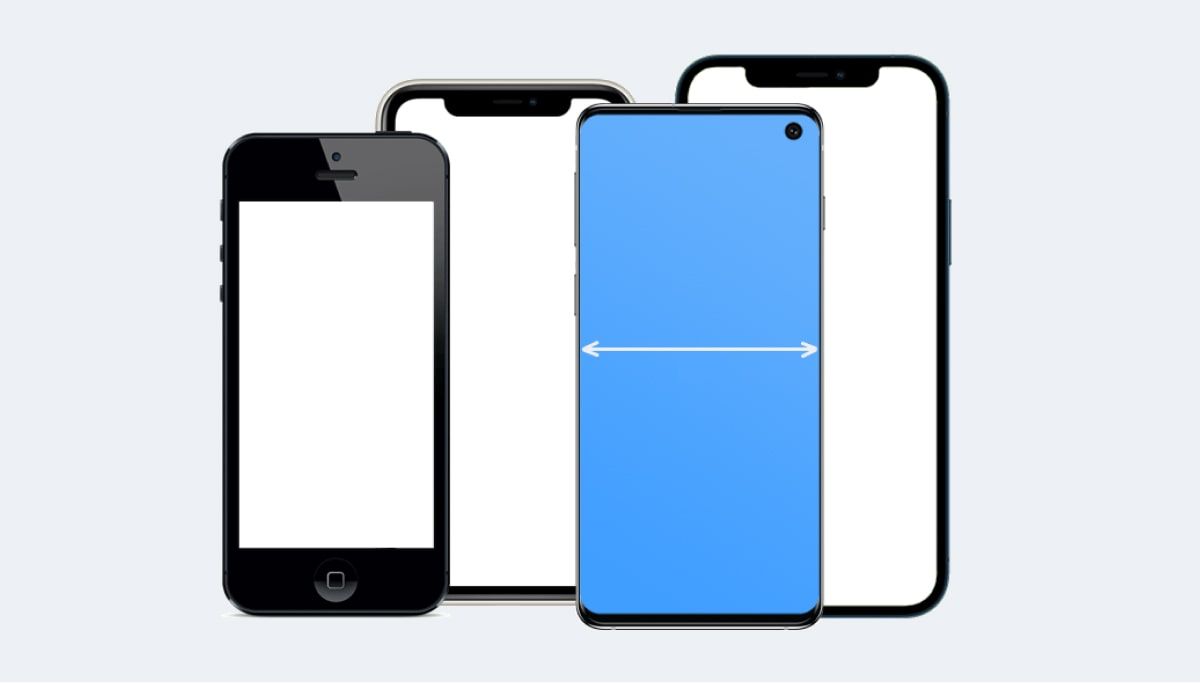
Display and Design
One of the most striking Samsung Galaxy S10+ features is its display. The device boasts a 6.4-inch Dynamic AMOLED screen with a resolution of 1440 x 3040 pixels. This high resolution, combined with Samsung’s Dynamic AMOLED technology, delivers vibrant colors, deep blacks, and excellent contrast, making it ideal for multimedia consumption and gaming. The display also supports HDR10+, enhancing the dynamic range of content for a more immersive viewing experience.
The design of the S10+ is equally impressive. It features a sleek glass and metal construction, with curved edges that seamlessly blend into the frame. The device is available in a range of colors, including Prism White, Prism Black, Prism Green, Prism Blue, Ceramic Black, and Ceramic White. The ceramic versions offer enhanced durability, while all variants provide a premium in-hand feel. The nearly bezel-less design maximizes screen real estate, providing an expansive viewing area. This design philosophy shares some similarities with Apple’s approach, as can be seen in a retrospective look at the Apple iPhone 5, which emphasized a balance of aesthetics and functionality.
Performance and Hardware
Under the hood, the Samsung Galaxy S10+ is powered by either the Qualcomm Snapdragon 855 or the Exynos 9820 chipset, depending on the region. Both chipsets are built on a 7nm process, delivering excellent performance and efficiency. The Snapdragon 855 features an octa-core CPU with a clock speed of up to 2.84 GHz, while the Exynos 9820 features an octa-core CPU with a clock speed of up to 2.7 GHz. These powerful processors are paired with up to 12GB of RAM, ensuring smooth multitasking and responsiveness.
The S10+ also offers ample storage options, with up to 1TB of internal storage available. Additionally, it supports microSD card expansion, allowing users to further increase storage capacity. The device is equipped with a 4,100 mAh battery, providing all-day battery life for most users. It also supports fast charging, wireless charging, and reverse wireless charging, allowing users to charge other devices using the S10+.
Camera System
The camera system is another standout among the Samsung Galaxy S10+ features. The device features a triple-lens rear camera setup, consisting of a 12MP wide-angle lens, a 12MP telephoto lens, and a 16MP ultra-wide-angle lens. The wide-angle lens features a variable aperture, allowing it to switch between f/1.5 and f/2.4 depending on the lighting conditions. The telephoto lens offers 2x optical zoom, while the ultra-wide-angle lens provides a 123-degree field of view.
The S10+ also features a dual front-facing camera setup, consisting of a 10MP main lens and an 8MP depth sensor. The depth sensor allows for improved portrait mode shots with bokeh effects. The camera system is capable of recording 4K video at up to 60fps, and it also supports super slow-motion video recording at 960fps. The camera software includes a range of features, such as scene optimizer, AR emoji, and Bixby Vision, enhancing the overall photography experience. The design and functionalities of modern smartphone cameras often draw inspiration from high-performance vehicles; for example, the precision engineering found in the Hennessey Venom F5 is mirrored in the advanced sensor technology of the S10+ camera.
Software and Features
The Samsung Galaxy S10+ launched with Android 9.0 Pie, overlaid with Samsung’s One UI. One UI is designed to provide a streamlined and user-friendly experience, with a focus on one-handed use. The software includes a range of features, such as Bixby, Samsung Pay, and Samsung Health. It also offers enhanced customization options, allowing users to personalize the look and feel of their device.
The S10+ also features a range of connectivity options, including Wi-Fi 6, Bluetooth 5.0, NFC, and USB-C. It supports dual SIM functionality, allowing users to use two SIM cards simultaneously. The device is also IP68-rated for water and dust resistance, providing added durability. The biometric authentication options include an ultrasonic fingerprint sensor and facial recognition, offering convenient and secure ways to unlock the device.
Detailed Specifications Table
To provide a comprehensive overview of the Samsung Galaxy S10+ features, the following table summarizes the key specifications:
Viewport Resolution and Pixel Density
Understanding the viewport resolution and pixel density is crucial for designers and developers aiming to optimize websites and applications for the Samsung Galaxy S10+. The viewport resolution, which dictates the breakpoints and media queries, is approximately 412 pixels in width and 869 pixels in height. It’s important to note that the height may vary slightly due to browser interfaces.
The pixel density of the Samsung Galaxy S10+ is 3.5. This means that there are 3.5 physical pixels for every logical pixel, resulting in sharper and more detailed visuals. CSS media queries can be used to target devices with this pixel density, ensuring that content is displayed correctly. The following CSS snippet demonstrates how to target devices with a pixel density of at least 3.5:
@media only screen and (-webkit-min-device-pixel-ratio: 3.5) { /* Styles for high-density displays */ }
JavaScript can also be used to retrieve the pixel density value using the window.devicePixelRatio property. This information can be used to dynamically adjust content and layout based on the device’s screen characteristics. Understanding the display and design considerations is vital for creating a seamless user experience.
Comparing the S10+ to Other Devices
When comparing the Samsung Galaxy S10+ features to other devices, several key differences and similarities emerge. For instance, the S10+ shares some design elements with the iPhone XR, although the operating systems and user interfaces are vastly different. The Apple iPhone XR, with its own set of unique characteristics, offered a different approach to the flagship experience, particularly in its display technology and single-lens camera system. However, both devices aimed to provide a premium user experience, albeit through different design and technological choices.
Furthermore, the S10+’s advanced camera system and high-resolution display set it apart from many mid-range devices. Its ability to record 4K video at 60fps and capture stunning photos in various lighting conditions made it a favorite among photography enthusiasts. The inclusion of features like wireless charging and reverse wireless charging added to its appeal, providing added convenience for users.
The User Experience
The user experience on the Samsung Galaxy S10+ is generally positive, thanks to its powerful hardware, intuitive software, and range of features. The Dynamic AMOLED display delivers vibrant and immersive visuals, making it ideal for watching videos, playing games, and browsing the web. The fast processor and ample RAM ensure smooth performance, even when multitasking or running demanding applications.
The camera system is versatile and capable, allowing users to capture high-quality photos and videos in various scenarios. The intuitive camera software makes it easy to adjust settings and apply filters, while features like scene optimizer and AR emoji add to the fun. The battery life is also commendable, providing all-day usage for most users. The device’s water and dust resistance provides added peace of mind, making it suitable for use in various environments.
Potential Drawbacks
Despite its many strengths, the Samsung Galaxy S10+ also has a few potential drawbacks. One common complaint is the placement of the fingerprint sensor, which is located on the front of the device, under the display. While the ultrasonic fingerprint sensor is generally fast and accurate, some users may find it less convenient than a physical fingerprint sensor on the back of the device. The advancements in car technology, such as the innovative designs seen in the Ford Bronco Roadster, highlight how design choices can sometimes prioritize aesthetics over pure functionality, a balance smartphone manufacturers also grapple with.
Another potential drawback is the price, which was relatively high compared to some other devices in its class. While the S10+ offered a premium experience, some users may have found it too expensive, especially considering the availability of more affordable alternatives. Additionally, the presence of Bixby, Samsung’s virtual assistant, was not always well-received, as some users preferred to use Google Assistant instead. However, Samsung has continued to improve Bixby over time, adding new features and capabilities.
The Impact of the S10+ on the Smartphone Market
The Samsung Galaxy S10+ had a significant impact on the smartphone market, setting new standards for display technology, camera performance, and design. Its Dynamic AMOLED display was widely praised for its vibrant colors and excellent contrast, while its triple-lens rear camera system offered versatility and high-quality imaging. The device’s sleek design and premium materials also contributed to its appeal, making it a popular choice among consumers.
The S10+ also helped to popularize features like wireless charging and reverse wireless charging, which have since become common in many flagship devices. Its inclusion of Wi-Fi 6 also helped to pave the way for faster and more reliable wireless connectivity. Overall, the Samsung Galaxy S10+ was a groundbreaking device that pushed the boundaries of what was possible in a smartphone, setting the stage for future innovations.
Conclusion
In conclusion, the Samsung Galaxy S10+ features made it a standout device in its time. From its stunning Dynamic AMOLED display and powerful performance to its versatile camera system and range of innovative features, the S10+ offered a premium mobile experience. While it had a few potential drawbacks, its strengths far outweighed its weaknesses, making it a popular choice among consumers and a significant contributor to the evolution of the smartphone market. Understanding these features allows us to appreciate the technological advancements and design choices that shaped this iconic device.