Unveiling the Apple iPhone 8 Plus Specifications
The Apple iPhone 8 Plus, released in 2017, remains a relevant device even in today’s rapidly evolving smartphone market. Understanding the iPhone 8 Plus specifications is crucial for developers optimizing websites and applications, and for users looking to understand the capabilities of this phone. This article delves into the key features, display characteristics, performance metrics, camera capabilities, and other essential aspects of the iPhone 8 Plus.
Display and Resolution
The iPhone 8 Plus features a 5.5-inch Retina HD display, a significant factor contributing to its appeal. This display boasts a resolution of 1920 x 1080 pixels, resulting in a pixel density of 401 ppi (pixels per inch). This high pixel density ensures sharp and detailed images, making it ideal for viewing photos, videos, and text. The display also supports wide color (P3), providing a broader color gamut for more vibrant and accurate color reproduction. Furthermore, the iPhone 8 Plus incorporates True Tone technology, which automatically adjusts the display’s color temperature to match the ambient lighting conditions. This feature reduces eye strain and enhances viewing comfort, particularly in different lighting environments.
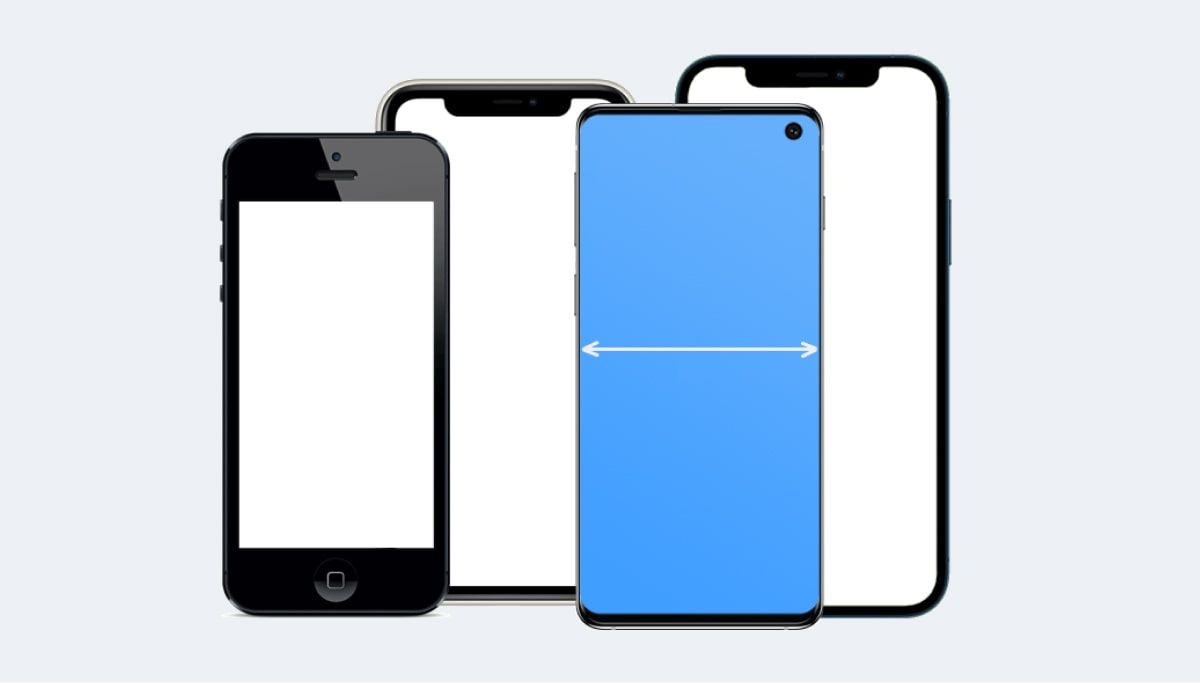
Viewport resolution is also a key consideration for web developers targeting the device. The iPhone 8 Plus has a viewport width of 414 pixels and a height of 736 pixels. These values are crucial for designing responsive websites that adapt seamlessly to the device’s screen. Remember that the height is an approximate value, as the browser’s UI elements (like the address bar) can reduce the visible area. Discrepancies can also occur between the viewport resolution and what analytics tools report, so careful interpretation of data is essential.
Performance and Processing Power
At the heart of the iPhone 8 Plus lies the A11 Bionic chip, a six-core processor designed by Apple. This chip features two high-performance cores and four high-efficiency cores, providing a significant boost in processing power compared to its predecessors. The A11 Bionic chip also includes an Apple-designed GPU (graphics processing unit), which delivers enhanced graphics performance for gaming and other visually intensive tasks. This combination of powerful CPU and GPU allows the iPhone 8 Plus to handle demanding applications, multitasking, and augmented reality experiences with ease. The A11 Bionic chip’s efficiency also contributes to improved battery life compared to earlier iPhone models. The Samsung Galaxy J4 specs cannot compete with the processing power of the iPhone 8 Plus.
Camera Capabilities
The iPhone 8 Plus is equipped with a dual 12MP camera system, consisting of a wide-angle lens and a telephoto lens. The wide-angle lens has an aperture of ƒ/1.8, while the telephoto lens has an aperture of ƒ/2.8. This dual-camera setup enables features such as optical zoom, portrait mode, and portrait lighting. The optical zoom allows users to zoom in on subjects without sacrificing image quality, while the portrait mode creates a shallow depth of field effect, blurring the background and emphasizing the subject. Portrait lighting provides studio-quality lighting effects to portrait photos. The iPhone 8 Plus also supports 4K video recording at up to 60 frames per second, allowing users to capture high-resolution videos with smooth motion. The front-facing 7MP camera is capable of recording 1080p video and features Retina Flash, which illuminates the display to provide better lighting for selfies.
Design and Build Quality
The iPhone 8 Plus features a glass front and back, with an aluminum band running around the edges. The glass back enables wireless charging, a convenient feature that allows users to charge their iPhone 8 Plus without plugging it into a cable. The device is also water and dust resistant, with an IP67 rating. This means that it can withstand being submerged in up to 1 meter of water for up to 30 minutes. The iPhone 8 Plus is available in several colors, including silver, gold, and space gray. Its dimensions are 158.4 mm (6.24 inches) in height, 78.1 mm (3.07 inches) in width, and 7.5 mm (0.30 inches) in thickness. It weighs 202 grams (7.13 ounces).
Battery Life and Charging
The iPhone 8 Plus offers a battery life that is comparable to its predecessors, providing up to 21 hours of talk time, up to 13 hours of internet use, and up to 14 hours of video playback. It also supports fast charging, which allows users to charge the battery to 50% in just 30 minutes using a compatible charger. As mentioned earlier, the iPhone 8 Plus also supports wireless charging, allowing users to charge the device using a Qi-compatible wireless charging pad. This convenient feature eliminates the need for cables and makes charging more convenient. The actual battery life can vary depending on usage patterns, network conditions, and other factors.
Other Notable Features of the iPhone 8 Plus
Besides the features already discussed, the iPhone 8 Plus includes several other notable features. It has stereo speakers that provide a wider and more immersive soundstage compared to previous iPhone models. It also features a barometer, which measures atmospheric pressure and can be used to determine altitude. The iPhone 8 Plus supports NFC (Near Field Communication) for contactless payments and other applications. It also includes a fingerprint sensor (Touch ID) for secure authentication. The availability of software updates ensures that the iPhone 8 Plus remains compatible with the latest apps and services. The device also supports Bluetooth 5.0, which offers improved range, speed, and efficiency compared to earlier versions of Bluetooth.
CSS Media Queries and Pixel Density
Understanding pixel density is crucial for web developers aiming to optimize website appearance on the iPhone 8 Plus. The device has a pixel density of 3, which means that there are three physical pixels for every logical pixel. This high pixel density results in sharper and more detailed images and text. Web developers can use CSS media queries to target devices with a specific pixel density. For example, the following media query can be used to apply specific styles to devices with a pixel density of 3 or higher:
@media only screen and (-webkit-min-device-pixel-ratio: 3) { /* CSS rules for high-density displays */}
This media query ensures that the website looks its best on high-density displays like the iPhone 8 Plus. It’s essential to test websites on actual devices to ensure that they render correctly and provide a good user experience. For example, the Samsung Galaxy J5 Prime has different viewport characteristics that require separate optimization.
JavaScript and Device Pixel Ratio
In addition to CSS media queries, developers can also use JavaScript to retrieve the device pixel ratio. The `window.devicePixelRatio` property returns the ratio of physical pixels to logical pixels. This value can be used to dynamically adjust the website’s layout and content based on the device’s pixel density. For example, developers can load higher-resolution images for devices with a high pixel ratio to ensure that images appear sharp and detailed. Here’s an example of how to retrieve the device pixel ratio using JavaScript:
var pixelRatio = window.devicePixelRatio;
This code snippet retrieves the device pixel ratio and stores it in the `pixelRatio` variable. Developers can then use this variable to make decisions about how to render the website’s content.
Comparison with Other iPhones
The iPhone 8 Plus represents a significant step forward compared to earlier iPhone models, such as the iPhone 7 Plus. The A11 Bionic chip provides a substantial performance boost, and the glass back enables wireless charging. The iPhone 8 Plus also features a better camera system with improved image quality and low-light performance. However, it lacks some of the features found in later iPhone models, such as Face ID and an edge-to-edge display. Compared to the iPhone X, the iPhone 8 Plus has a more traditional design with a home button and larger bezels. The iPhone X also features an OLED display, which offers better contrast and color accuracy compared to the iPhone 8 Plus’s LCD display. However, the iPhone 8 Plus offers a larger display and better battery life compared to the iPhone X. Ultimately, the best iPhone for a particular user depends on their individual needs and preferences. The Apple AirPods 4 pair well with the iPhone 8 Plus, offering a seamless wireless audio experience.
The iPhone 8 Plus Specifications Table
Here’s a detailed table summarizing the key specifications of the Apple iPhone 8 Plus:
Considerations for Web Development
When developing websites for the iPhone 8 Plus, it’s important to consider the following factors:
- Viewport Meta Tag: Use the viewport meta tag to ensure that the website scales correctly on the device. The following meta tag is recommended:
<meta name="viewport" content="width=device-width, initial-scale=1.0"> - Responsive Design: Design the website using responsive design principles to ensure that it adapts to different screen sizes and orientations.
- Image Optimization: Optimize images for the device’s screen resolution to reduce loading times and improve performance.
- Touch Events: Implement touch events to provide a smooth and intuitive user experience.
- Testing: Test the website on an actual iPhone 8 Plus device to ensure that it renders correctly and performs well.
Properly addressing these considerations will result in a website that looks great and performs well on the iPhone 8 Plus.
Accessibility Features
The iPhone 8 Plus includes a range of accessibility features designed to make the device easier to use for people with disabilities. These features include:
- VoiceOver: A screen reader that describes what’s happening on the screen.
- Zoom: Magnifies the entire screen or a portion of it.
- Display Accommodations: Allows users to customize the display settings to improve readability.
- Speak Screen: Reads selected text aloud.
- Switch Control: Allows users to control the device using one or more switches.
- AssistiveTouch: Allows users to perform gestures using a single tap.
These accessibility features make the iPhone 8 Plus a more inclusive device for people with a wide range of needs.
Security Features
The iPhone 8 Plus incorporates several security features to protect user data and privacy. These features include:
- Touch ID: A fingerprint sensor that allows users to securely unlock their device and authenticate purchases.
- Secure Enclave: A dedicated hardware component that securely stores sensitive data, such as fingerprint data and encryption keys.
- Encryption: The device’s storage is encrypted by default, protecting user data from unauthorized access.
- App Sandboxing: Apps are isolated from each other, preventing them from accessing each other’s data.
- Software Updates: Regular software updates include security patches that address vulnerabilities and protect against malware.
These security features help to ensure that user data remains safe and secure.
Future-Proofing and Longevity
While the iPhone 8 Plus is not the latest iPhone model, it remains a capable device that can handle most tasks with ease. Apple typically provides software updates for its devices for several years, ensuring that the iPhone 8 Plus will continue to receive the latest features and security patches. The A11 Bionic chip provides ample processing power for most apps and games. The device’s water and dust resistance also contribute to its longevity. While it may not have all the latest bells and whistles, the iPhone 8 Plus remains a solid choice for users looking for a reliable and affordable smartphone. Keeping your operating system up-to-date is crucial; in contrast, the Windows 11 start menu set for a major overhaul will also bring new features and improvements, showcasing the continuous evolution of technology.
Conclusion
The Apple iPhone 8 Plus offers a compelling combination of performance, features, and value. Its Retina HD display, powerful A11 Bionic chip, and capable camera system make it a great choice for users who want a high-quality smartphone experience. While it may not have all the latest features found in newer iPhone models, the iPhone 8 Plus remains a relevant and capable device. Understanding the Samsung Galaxy J7 Pro and other competing devices can help you make an informed decision when choosing a smartphone.