Samsung Galaxy J4 Specs: A Comprehensive Overview
The Samsung Galaxy J4, released as part of Samsung’s J series, aimed to provide a balance between affordability and functionality. Understanding the Samsung Galaxy J4 specs is crucial for users and developers alike. This article provides a detailed look into the device’s key features, performance, and overall user experience. We will explore the display characteristics, camera capabilities, performance metrics, and other essential aspects that define the Galaxy J4.
Display and Design
One of the primary aspects of any smartphone is its display. The Samsung Galaxy J4 specs include a 5.5-inch Super AMOLED display with a resolution of 720 x 1280 pixels. This combination offers vibrant colors and decent clarity for everyday use. The Super AMOLED technology ensures better contrast and deeper blacks, enhancing the overall viewing experience.
Viewport and Resolution
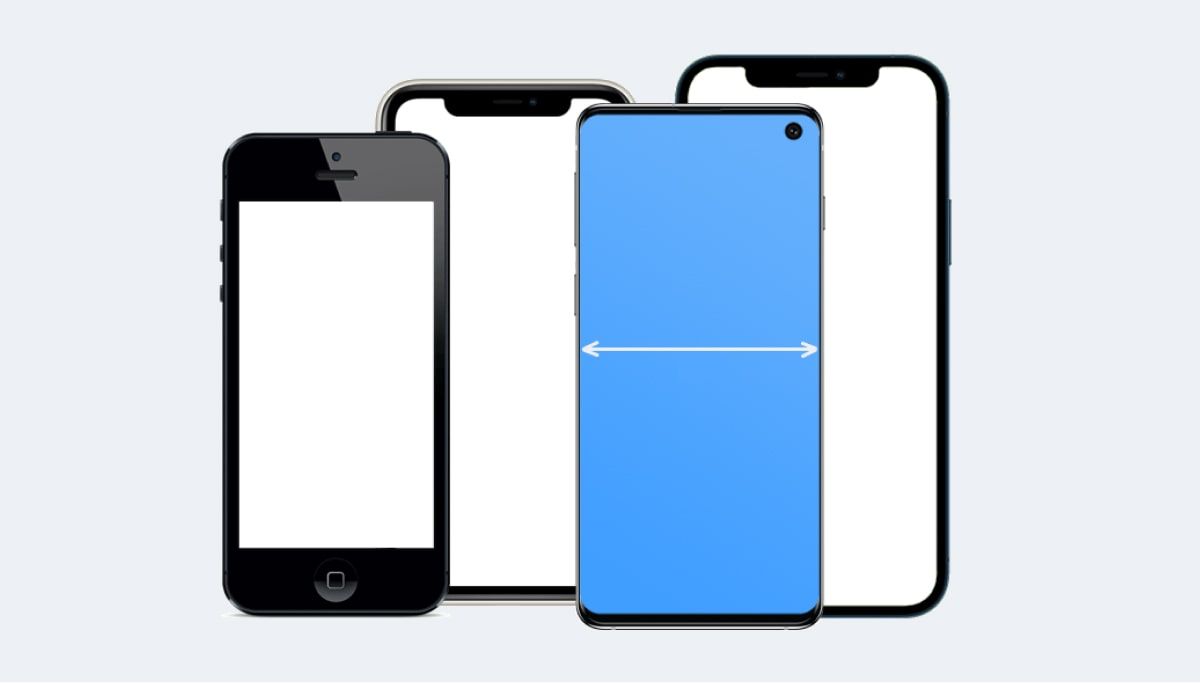
The viewport resolution, which is particularly relevant for designers and developers, is 360 pixels in width and 640 pixels in height. This resolution dictates the breakpoints and media queries necessary for responsive design. It’s important to note that the height is indicative, as browsers like Safari and Chrome may reduce the visible area. Some analytics tools might display the manufacturer’s resolution instead, which is 720 x 1280 pixels, so careful interpretation of results is necessary.
Pixel Density
The pixel density of the Samsung Galaxy J4 is 2, meaning there are two physical pixels for every logical pixel. This density is crucial for rendering sharp images and text. Developers can target devices with this pixel density using CSS media queries:
@media only screen and (-webkit-min-device-pixel-ratio: 2) { /* CSS rules here */ }
In JavaScript, the pixel density can be retrieved using window.devicePixelRatio.
Camera Capabilities
The camera is another critical feature for smartphone users. The Samsung Galaxy J4 specs include a 13MP rear camera with an f/1.9 aperture and a 5MP front camera with an f/2.2 aperture. These specifications allow for decent photography in well-lit conditions.
Rear Camera
The 13MP rear camera is capable of capturing detailed images with adequate lighting. The f/1.9 aperture allows more light to enter the sensor, improving low-light performance to some extent. Features like autofocus, LED flash, and HDR enhance the camera’s versatility.
Front Camera
The 5MP front camera is suitable for selfies and video calls. The f/2.2 aperture provides reasonable performance in good lighting conditions. Some models may include a front-facing LED flash, further improving selfie quality in low light.
Performance and Hardware
The performance of the Samsung Galaxy J4 is driven by a quad-core processor, typically the Exynos 7570, clocked at 1.4 GHz. The Samsung Galaxy J4 specs also include either 2GB or 3GB of RAM, depending on the model, and 16GB or 32GB of internal storage, expandable via microSD card.
Processor and RAM
The Exynos 7570 is a power-efficient processor that provides sufficient performance for everyday tasks such as browsing, social media, and light gaming. The 2GB or 3GB of RAM allows for multitasking and smooth operation of applications. However, demanding applications and heavy multitasking may experience some lag.
Storage
The internal storage options of 16GB or 32GB provide enough space for apps, photos, and videos. The microSD card slot allows users to expand the storage up to 256GB, providing ample space for media and files.
Software and User Interface
The Samsung Galaxy J4 typically runs on Android 8.0 Oreo with Samsung’s Experience UI on top. This combination provides a user-friendly interface with various customization options and features.
Android Oreo and Experience UI
Android 8.0 Oreo introduces features like picture-in-picture mode, notification dots, and improved battery management. Samsung’s Experience UI adds additional features such as themes, secure folder, and one-handed mode. The user interface is designed to be intuitive and easy to navigate.
Software Updates
Software updates are crucial for maintaining device security and performance. The Samsung Galaxy J4 received some updates, but it may not receive the latest Android versions. Users should check for updates regularly to ensure their device is running the latest software.
Battery Life
The Samsung Galaxy J4 is powered by a 3000mAh battery, which provides decent battery life for a device in its class. The Samsung Galaxy J4 specs regarding battery life suggest that it can last through a full day of moderate usage.
Battery Capacity
The 3000mAh battery capacity is sufficient for typical usage patterns, including browsing, social media, and occasional gaming. Power-saving modes and battery optimization features help extend battery life further.
Charging
The Samsung Galaxy J4 typically supports standard charging via a micro USB port. It does not support fast charging, so charging times may be longer compared to devices with fast charging capabilities.
Connectivity and Sensors
The Samsung Galaxy J4 offers standard connectivity options, including Wi-Fi, Bluetooth, GPS, and a micro USB port. It also includes essential sensors such as an accelerometer and proximity sensor.
Connectivity Options
The device supports Wi-Fi 802.11 b/g/n, Bluetooth 4.2, and GPS. These connectivity options provide reliable performance for internet access, wireless communication, and navigation. The micro USB port is used for charging and data transfer.
Sensors
The accelerometer detects the device’s orientation and motion, while the proximity sensor detects when the device is near the user’s ear during a call. These sensors enhance the user experience and enable features like auto-rotation and proximity-based screen dimming.
Detailed Specifications Table
Here’s a detailed table summarizing the Samsung Galaxy J4 specs:
The Samsung Galaxy J Series: A Broader Look
The Samsung Galaxy J4 is part of a broader series of smartphones designed to cater to a wide range of users. Exploring other models within this series can provide valuable context. For instance, the Exploring Samsung’s J Series: The Galaxy J5 Prime offers a slightly different set of features and specifications, catering to users with varying needs and preferences. Similarly, understanding the Discover the Samsung Galaxy J7 Pro features can help appreciate the evolution and diversity within the J series lineup.
Samsung’s portfolio extends beyond the J series. Comparing the J4 with other Samsung models can offer further insights. For example, examining the Samsung Galaxy S6 Edge specifications and the Explore the Samsung Galaxy S7 features can highlight the advancements in design and technology over time. You can also explore the Samsung Galaxy S6 detailed specifications for more information on Samsung’s previous models.
Conclusion
In conclusion, the Samsung Galaxy J4 specs offer a balanced combination of features and performance for its price range. The Super AMOLED display, decent camera capabilities, and adequate performance make it a suitable option for users seeking an affordable smartphone for everyday tasks. While it may not compete with high-end devices, the Galaxy J4 provides a reliable and user-friendly experience.