Unveiling the Huawei Mate 20 Pro: Features & Specs
The Huawei Mate 20 Pro was a flagship smartphone that made waves in the mobile technology world with its innovative features and impressive specifications. This article delves into the core characteristics of the Huawei Mate 20 Pro, exploring its design, display, performance, camera capabilities, battery life, and other key aspects that made it a standout device. We’ll examine what set it apart from the competition and why it remains a relevant topic for tech enthusiasts today.
Design and Display
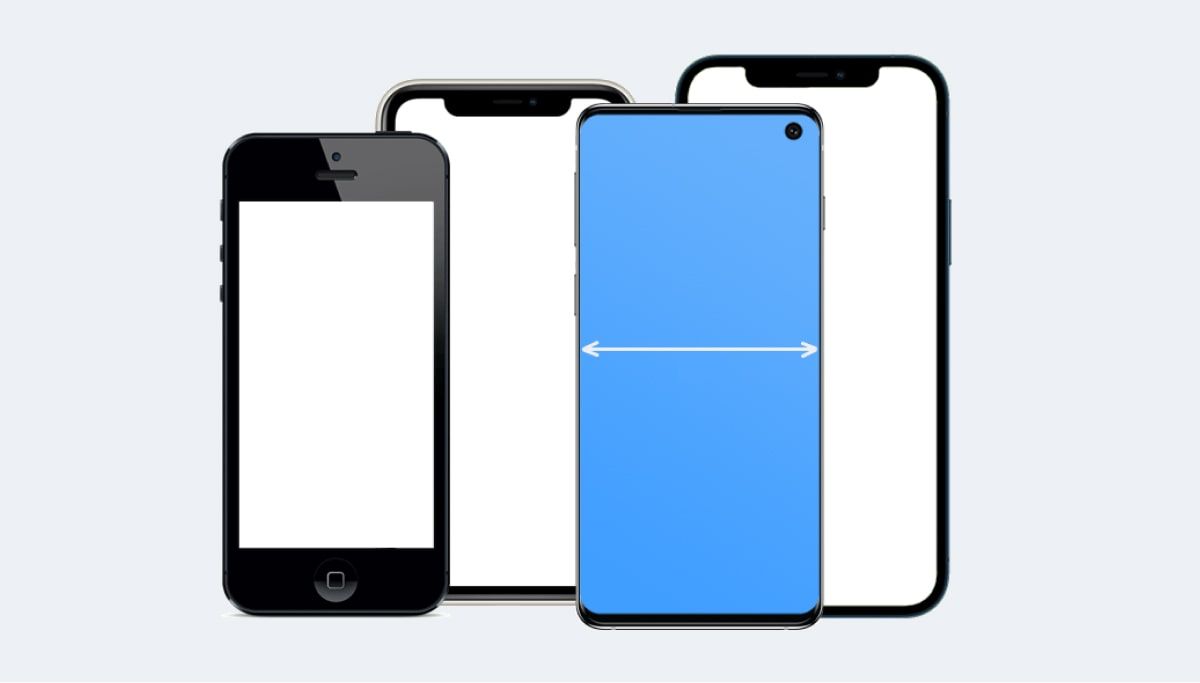
The Huawei Mate 20 Pro boasted a premium design, featuring a curved glass back and a sleek aluminum frame. Its ergonomic design made it comfortable to hold, despite its relatively large size. The phone was also IP68-rated for water and dust resistance, adding to its durability and appeal. The phone’s design was not just about aesthetics; it was also about functionality, with strategically placed buttons and ports.
OLED Display Technology
One of the standout features of the Mate 20 Pro was its 6.39-inch OLED display. This display offered vibrant colors, deep blacks, and excellent contrast, making it ideal for multimedia consumption and gaming. The display’s high resolution (3120 x 1440 pixels) ensured sharp and detailed visuals. The OLED technology also contributed to the phone’s energy efficiency, as individual pixels could be turned off to conserve power. Considering the screen quality is a key factor for many users, it’s worth comparing it to other devices. You might be interested in reading about the display and design aspects of other phones on the market.
Notch Design and Screen-to-Body Ratio
The Mate 20 Pro featured a notch at the top of the display, housing the front-facing camera and other sensors. While some users may have found the notch intrusive, it allowed for a higher screen-to-body ratio, maximizing the display area. The notch was also integral to the phone’s advanced facial recognition system. The screen-to-body ratio was approximately 87.9%, providing an immersive viewing experience. The bezels surrounding the display were minimal, further enhancing the phone’s modern and sleek appearance. The design choices made by Huawei aimed to balance aesthetics with functionality, resulting in a device that was both beautiful and practical.
Performance and Hardware
Under the hood, the Huawei Mate 20 Pro was powered by the HiSilicon Kirin 980 chipset. This processor was one of the first to be built on a 7nm process, offering significant performance and efficiency improvements over its predecessors. The Kirin 980 featured an octa-core CPU and a Mali-G76 MP10 GPU, providing ample power for demanding tasks such as gaming, video editing, and multitasking.
Kirin 980 Chipset
The Kirin 980 chipset was a game-changer for Huawei. Its advanced architecture allowed for faster processing speeds and improved energy efficiency. The chipset also included a dedicated Neural Processing Unit (NPU) for accelerating AI-related tasks, such as image recognition and scene detection. The NPU enhanced the phone’s ability to learn and adapt to user behavior, optimizing performance over time. The Kirin 980’s performance was comparable to that of other flagship chipsets, such as the Qualcomm Snapdragon 845, ensuring a smooth and responsive user experience.
RAM and Storage Options
The Mate 20 Pro came with 6GB or 8GB of RAM, depending on the configuration. This ample RAM ensured smooth multitasking and allowed users to run multiple apps simultaneously without experiencing slowdowns. The phone also offered 128GB or 256GB of internal storage, providing plenty of space for photos, videos, and other files. While the phone did not support microSD card expansion, Huawei offered its proprietary Nano Memory (NM) card slot, allowing users to expand storage using NM cards. The storage options catered to different user needs, with the 128GB variant being suitable for most users and the 256GB variant being ideal for those who require more space.
Camera Capabilities
The Huawei Mate 20 Pro featured a triple-lens rear camera system, co-engineered with Leica. This camera system consisted of a 40MP wide-angle lens, a 20MP ultra-wide-angle lens, and an 8MP telephoto lens. This versatile setup allowed users to capture stunning photos and videos in a variety of scenarios. The camera system was also equipped with advanced AI features, such as scene recognition and object tracking, enhancing the overall photography experience.
Triple-Lens System
The triple-lens system was a key differentiator for the Mate 20 Pro. The 40MP wide-angle lens captured detailed and vibrant photos in well-lit conditions. The 20MP ultra-wide-angle lens allowed users to capture expansive landscapes and group shots with ease. The 8MP telephoto lens offered 3x optical zoom and 5x hybrid zoom, enabling users to capture distant subjects with clarity. The combination of these three lenses provided unparalleled versatility and creative possibilities. To compare, you can check the characteristics of the OnePlus 6 and see how it measures up in terms of camera performance.
AI-Powered Photography
The Mate 20 Pro’s camera system was enhanced by AI-powered features. The AI scene recognition could identify over 1,500 different scenes and objects, automatically optimizing camera settings for the best possible results. The AI object tracking could lock onto moving subjects, keeping them in focus even as they moved around the frame. The AI also assisted with image stabilization and noise reduction, resulting in clearer and more detailed photos and videos. The AI capabilities significantly improved the camera’s performance in challenging conditions, such as low light and high contrast.
Battery Life and Charging
The Huawei Mate 20 Pro was equipped with a 4,200mAh battery, providing excellent battery life. The phone could easily last a full day of moderate to heavy use on a single charge. The phone also supported 40W SuperCharge, allowing it to charge from 0% to 70% in just 30 minutes. In addition, the Mate 20 Pro supported 15W wireless charging and reverse wireless charging, allowing it to wirelessly charge other devices.
40W SuperCharge
The 40W SuperCharge technology was a game-changer for smartphone charging. It allowed users to quickly top up their battery, minimizing downtime and maximizing productivity. The SuperCharge technology was also safe, with multiple layers of protection to prevent overheating and overcharging. The charging speed was significantly faster than that of other flagship phones, giving the Mate 20 Pro a competitive edge. Fast charging is an essential feature for many users, so the Huawei Mate 20 Pro characteristics in this area were quite impressive.
Wireless and Reverse Wireless Charging
The Mate 20 Pro’s support for wireless charging and reverse wireless charging added to its convenience and versatility. The 15W wireless charging allowed users to charge the phone without the need for cables. The reverse wireless charging allowed users to wirelessly charge other devices, such as wireless earbuds or other smartphones, by placing them on the back of the Mate 20 Pro. This feature was particularly useful for travelers and those who needed to charge multiple devices on the go. These features are often compared to Samsung’s offerings, and you can see more about that in a deep dive into key features of the Samsung Galaxy S9.
Software and User Interface
The Huawei Mate 20 Pro ran on EMUI, Huawei’s custom Android skin. EMUI offered a variety of features and customization options, including themes, gestures, and a built-in app drawer. While some users may have preferred a more stock Android experience, EMUI provided a user-friendly interface and a range of useful tools. The software was also optimized for performance, ensuring a smooth and responsive user experience.
EMUI Customization
EMUI allowed users to customize the look and feel of their phone. Users could choose from a variety of themes, changing the icons, wallpapers, and system colors. EMUI also offered a range of gestures, allowing users to quickly access common functions. The built-in app drawer provided a convenient way to organize and access apps. EMUI also included a number of pre-installed apps, such as a file manager, a gallery app, and a music player. The level of customization offered by EMUI allowed users to personalize their phone to their liking.
Software Updates and Support
Huawei provided regular software updates for the Mate 20 Pro, ensuring that users had access to the latest features and security patches. The phone was eventually updated to Android 10, the latest version of Android at the time. Huawei also provided excellent customer support, addressing user queries and concerns in a timely manner. The company’s commitment to software updates and support helped to extend the lifespan of the Mate 20 Pro.
Other Key Features of the Huawei Mate 20 Pro
Beyond the core features already discussed, the Huawei Mate 20 Pro included several other notable characteristics that added to its appeal.
In-Display Fingerprint Sensor
The Mate 20 Pro was one of the first smartphones to feature an in-display fingerprint sensor. This sensor allowed users to unlock their phone by simply placing their finger on the screen. The in-display fingerprint sensor was fast and accurate, providing a convenient and secure way to unlock the phone. This technology was considered cutting-edge at the time and set a new standard for smartphone security. The evolution of fingerprint sensor technology is evident when compared to devices like the Honor 7X which utilized a traditional rear-mounted sensor.
3D Face Unlock
In addition to the in-display fingerprint sensor, the Mate 20 Pro also featured 3D Face Unlock. This technology used a combination of infrared sensors and a dot projector to create a detailed 3D map of the user’s face. The 3D Face Unlock was extremely secure and could even work in low-light conditions. This feature provided an alternative way to unlock the phone, especially when the in-display fingerprint sensor was not convenient to use.
Stereo Speakers
The Mate 20 Pro featured stereo speakers, providing a more immersive audio experience. The speakers were loud and clear, making them ideal for watching videos, playing games, and listening to music. The stereo speakers were also strategically placed to minimize obstruction, ensuring that the sound was not muffled when the phone was held in landscape mode. The speaker quality was a significant improvement over that of previous Huawei phones.
Table of Specifications
Here’s a summary of the key specifications of the Huawei Mate 20 Pro:
Conclusion
The Huawei Mate 20 Pro was a groundbreaking smartphone that pushed the boundaries of mobile technology. Its innovative features, powerful performance, and stunning design made it a standout device in the crowded smartphone market. The Mate 20 Pro’s characteristics set a new standard for flagship phones and solidified Huawei’s position as a leading player in the industry. While newer models have since been released, the Mate 20 Pro remains a relevant and capable device, offering a compelling combination of features and performance. Its legacy continues to influence smartphone design and technology today.