Unlock Memories: New AI Features Revolutionize Google Photos
Google Photos, a staple for backing up and organizing our precious memories, is about to get a whole lot smarter. With the imminent arrival of new AI-powered features, the platform is poised to transform from a simple image library into a dynamic creative suite. These updates, driven by Google’s advancements in artificial intelligence, promise to offer users unprecedented control and flexibility over their photo editing experience. While Google hasn’t announced a precise launch date, the anticipation is building for these features to roll out on both iOS and Android devices.
For those who prefer the traditional Google Photos experience, fear not. These AI enhancements are designed to be optional, allowing users to maintain their existing workflow if they choose. However, for enthusiasts eager to explore the possibilities of AI image editing, the upcoming features offer a compelling glimpse into the future of photography. Let’s delve into what these new AI capabilities entail and how they are set to redefine our interaction with Google Photos.
The Power of Nano Banana in Google Photos
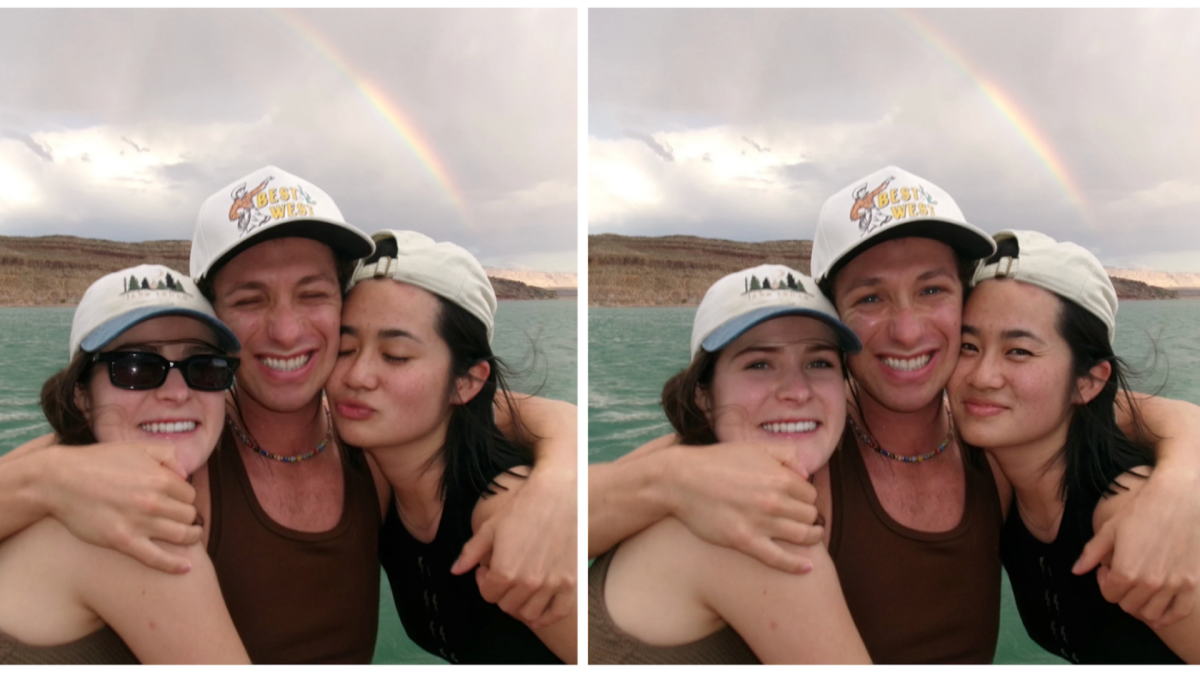
At the heart of these advancements lies “Nano Banana,” Google’s cutting-edge AI imaging model. This technology represents a significant leap forward, enabling users to generate and manipulate images with remarkable precision. Unlike previous models, Nano Banana empowers users to make multifaceted changes to a single photo while preserving the consistency of its subjects. This opens up a realm of creative possibilities, allowing for transformations that were once considered complex and time-consuming.
Imagine being able to seamlessly alter hairstyles, swap outfits, reimagine landscapes, or even infuse an image with a distinct artistic style – all within a few taps. Nano Banana makes this a reality. Users can add or remove elements, stack edits to achieve intricate effects, and even blend attributes from multiple photos to create entirely new compositions. Google touts this as a game-changer, and the potential impact on the world of mobile photography is undeniable.
“Help Me Edit”: Your AI-Powered Creative Assistant
Nano Banana’s capabilities will be accessible through a new “Help me edit” button within the Google Photos editor. This intuitive interface allows users to communicate their desired changes through simple prompts. Whether you envision yourself as royalty on a playing card, want to transform a photo into a stunning mosaic, or desire to add a festive winter theme to a holiday card, the “Help me edit” feature can bring your vision to life. It’s like having a creative assistant at your fingertips, ready to execute your ideas with unparalleled speed and accuracy.
The real test, of course, will be in how well Google Photos’ Nano Banana editor performs in real-world scenarios. Will it truly deliver on its promise of seamless and consistent edits? Will it be able to handle complex prompts with finesse? As we await the official rollout, the anticipation and excitement are palpable. Users are eager to explore the boundaries of AI-powered image editing and discover the creative potential that lies within their photo libraries. If you’re considering upgrading your phone, the Huawei Y9s complete guide offers valuable insights into devices with advanced camera capabilities.
Beyond Editing: AI-Powered Organization and Suggestions
The new AI features extend beyond just editing. Google Photos will also leverage AI to enhance organization and provide intelligent suggestions. Imagine the app automatically identifying and grouping similar photos, suggesting optimal edits based on the content of the image, and even creating personalized albums based on your preferences. These features aim to streamline the photo management process and make it easier to rediscover and share your cherished memories. The Samsung Galaxy A50s key features could be very useful when considering the right phone to capture all these photos.
Furthermore, Google Photos could potentially use AI to identify objects and scenes within your photos, allowing you to search for specific images with greater ease. For instance, you could search for “beach sunset” and the app would automatically surface all photos that match that description. This level of intelligent organization would save users countless hours of scrolling and searching, making it easier to find the perfect photo for any occasion. The Samsung Galaxy A30 unveiling showcased features that hinted at such possibilities, making the current advancements even more exciting.
The Ethical Considerations of AI Image Editing
As with any powerful technology, the use of AI in image editing raises ethical considerations. The ability to manipulate images with such ease could potentially be misused to create misleading or deceptive content. It’s crucial that users are aware of the potential for manipulation and exercise caution when sharing or consuming AI-edited images. Google, for its part, has a responsibility to implement safeguards and guidelines to prevent the misuse of its AI technology. This includes providing clear disclaimers when an image has been significantly altered and promoting responsible use of the “Help me edit” feature.
Transparency is key to maintaining trust and preventing the spread of misinformation. By being upfront about the use of AI in image editing, Google can empower users to make informed decisions about the content they encounter. Furthermore, education and awareness campaigns can help users develop critical thinking skills and learn to identify potentially manipulated images. The Apple Watch SE 2 44mm GPS cellular capabilities can help to stay informed and connected, but it’s still important to be mindful of potential misinformation.
Beyond Google Photos: The Broader AI Landscape
The integration of AI into Google Photos is just one example of the broader trend of AI adoption across various industries and applications. From healthcare to finance to transportation, AI is transforming the way we live and work. As AI technology continues to evolve, it’s essential that we consider the ethical, social, and economic implications of its widespread use. Discussions around job displacement, algorithmic bias, and data privacy are crucial to ensuring that AI is used responsibly and for the benefit of all.
Google, as a leader in AI research and development, has a significant role to play in shaping the future of AI. By prioritizing ethical considerations and promoting transparency, Google can help to build trust in AI technology and ensure that it is used to solve some of the world’s most pressing challenges. The Apple Watch SE 3 44mm and other smart devices are becoming increasingly integrated with AI, highlighting the need for responsible AI development and deployment.
The Future of Google Photos: A Glimpse into Tomorrow
Looking ahead, the future of Google Photos is undoubtedly intertwined with the continued advancements in AI. We can expect to see even more sophisticated AI-powered features that further enhance organization, editing, and sharing capabilities. Imagine Google Photos being able to automatically create cinematic highlight reels from your photos and videos, complete with music and transitions. Or perhaps the app could learn your personal style and automatically apply consistent edits to all your photos, creating a cohesive and visually appealing collection. The possibilities are endless.
Moreover, Google Photos could potentially integrate with other Google services, such as Google Lens and Google Assistant, to provide even more seamless and intuitive experiences. For instance, you could use Google Lens to identify an object in a photo and then ask Google Assistant to find similar images in your Google Photos library. This level of integration would make Google Photos an even more powerful and versatile tool for managing and enjoying your memories. The Apple Watch Series 10 42mm, with its potential integration with Google services, could further enhance this interconnected experience.
Conclusion: Embracing the AI Revolution in Photography
The upcoming AI-powered features in Google Photos represent a significant step forward in the evolution of mobile photography. With the power of Nano Banana and the intuitive “Help me edit” feature, users will have unprecedented control over their images, allowing them to unleash their creativity and transform their photos into stunning works of art. While ethical considerations are paramount, the potential benefits of AI in photography are undeniable. As we eagerly await the rollout of these new features, we can look forward to a future where AI empowers us to capture, preserve, and share our memories in even more meaningful and engaging ways. Even with deals like unbeatable early Black Friday MacBook Air deals, the real power lies in the software and AI integration within platforms like Google Photos.