Google Pixel’s AI Summaries: A Cautious Step Forward
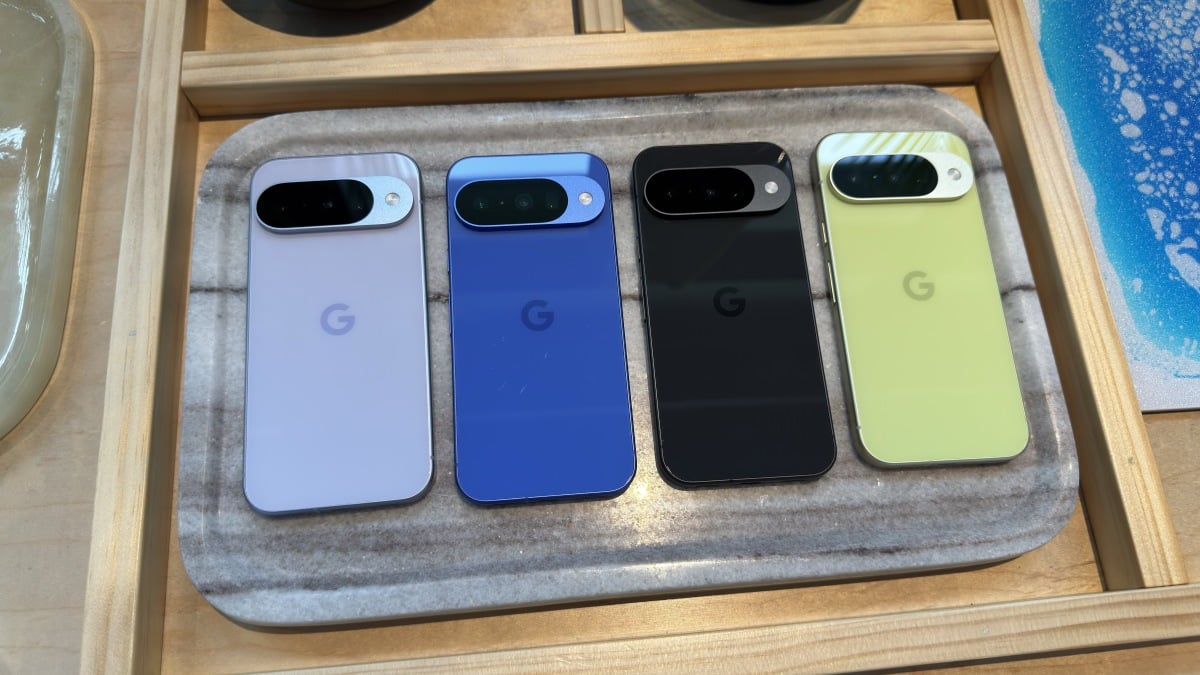
Google is treading carefully into the realm of AI-powered notification summaries, a feature recently introduced by Apple that sparked significant debate. While Apple’s iOS 18.3 beta rollout of AI summaries faced criticism for its handling of sensitive topics and inaccuracies, Google is adopting a more measured approach with its implementation on the Pixel 9 and Pixel 10 phones (excluding the Pixel 9a). This cautious experimentation with AI notification summaries reflects a broader trend of tech giants exploring the potential of artificial intelligence to streamline our digital lives, while also acknowledging the inherent risks and challenges.
The core idea behind AI notification summaries is to condense lengthy streams of information into digestible recaps, saving users time and mental energy. However, the execution of this concept requires careful consideration of factors such as accuracy, sensitivity, and transparency. Google’s initial focus on chat applications and longer conversations suggests a deliberate effort to mitigate the risks associated with broader, more generalized AI summaries. Let’s delve deeper into the specifics of Google’s approach and explore the potential implications of this technology.
The Genesis of AI Notification Summaries
The concept of AI notification summaries emerged as a response to the overwhelming volume of notifications that bombard users daily. From social media updates to email alerts to news headlines, the constant influx of information can be distracting and overwhelming. AI-powered summaries offer a potential solution by filtering and condensing the most important information, allowing users to stay informed without being constantly interrupted. While Apple was among the first to implement this feature, the initial reception was mixed, highlighting the challenges of creating AI that is both accurate and sensitive to nuanced contexts.
Apple’s initial foray into AI notification summaries, integrated within the iOS 18.3 beta, faced immediate criticism. Users reported instances of AI misinterpreting the context of conversations, delivering insensitive summaries of personal matters like breakups, and even misrepresenting news events. These issues underscored the importance of rigorous testing and refinement before deploying AI-powered features on a large scale. Apple responded by temporarily pulling news summaries and implementing clearer indicators to identify AI-generated content. This prompted Google to adopt a more deliberate and cautious strategy for its own implementation of AI summaries.
Google’s Strategic Approach to AI Summaries
Google’s approach to AI notification summaries on Pixel phones is characterized by a focus on specific use cases and a commitment to transparency. Unlike Apple’s initial rollout, which encompassed a wide range of notification types, Google is initially limiting AI summaries to popular chat applications such as Messages and WhatsApp. Furthermore, the feature will only be activated for “longer chats,” aiming to provide recaps of extended conversations rather than attempting to summarize every single notification. This targeted approach allows Google to fine-tune its AI algorithms and minimize the risk of errors or misinterpretations.
By focusing on chat applications, Google can leverage the inherent structure and context of conversations to generate more accurate and relevant summaries. Chat messages typically follow a clear chronological order and often contain explicit references to previous messages, providing valuable cues for the AI to understand the flow of the conversation. Additionally, limiting summaries to longer chats ensures that the AI has sufficient context to work with, reducing the likelihood of misinterpreting individual messages or losing track of the overall narrative. This careful approach distinguishes Google’s implementation of AI notification summaries from Apple’s initial, more broad-based attempt.
How Google’s AI Summaries Differ from Apple’s
Several key differences distinguish Google’s AI notification summaries from those initially implemented by Apple. First and foremost, Google is adopting a more selective approach, focusing on chat applications and longer conversations rather than attempting to summarize all types of notifications. This allows Google to concentrate its resources on a specific use case and optimize its AI algorithms for that particular context. Second, Google is emphasizing transparency by clearly indicating when a notification summary has been generated by AI. This is achieved through the use of a small icon with a sparkle and a few lines below it, as well as the use of italics for the summary text. This visual distinction helps users understand the source of the information and avoid misinterpreting AI-generated summaries as direct quotes or factual statements. Finally, Google is likely to incorporate user feedback into its ongoing development of AI summaries, allowing the system to learn from its mistakes and improve its accuracy and sensitivity over time.
The visual cues indicating AI-generated summaries are crucial for maintaining user trust and preventing misunderstandings. By clearly labeling AI-generated content, Google empowers users to critically evaluate the information and make informed decisions. This transparency is particularly important in the context of sensitive topics or complex discussions, where misinterpretations could have significant consequences. As AI technology continues to evolve, transparency will become increasingly essential for fostering responsible and ethical AI development. Furthermore, users interested in security updates can find resources detailing how Windows 10 ESU restored security updates, ensuring their systems remain protected.
The Potential Benefits of AI Summaries
Despite the challenges and potential pitfalls, AI notification summaries offer several significant benefits. First and foremost, they can save users valuable time and mental energy by condensing lengthy streams of information into digestible recaps. This can be particularly helpful for individuals who are constantly bombarded with notifications or who struggle to keep up with fast-paced conversations. Second, AI summaries can improve focus and productivity by reducing distractions. By filtering out irrelevant or unimportant notifications, AI summaries allow users to concentrate on the tasks at hand without being constantly interrupted. Third, AI summaries can enhance accessibility for individuals with cognitive impairments or learning disabilities. By simplifying complex information and presenting it in a clear and concise manner, AI summaries can make it easier for individuals to understand and process notifications. Finally, AI summaries can help users stay informed without being overwhelmed by the sheer volume of information. By providing a curated overview of the most important notifications, AI summaries allow users to stay up-to-date on current events and relevant discussions without having to sift through countless irrelevant messages.
Consider the scenario of a busy professional who receives hundreds of emails and chat messages each day. Without AI summaries, this individual would have to spend hours sifting through these messages, trying to identify the most important information and respond accordingly. With AI summaries, however, the individual could quickly scan the recaps of key conversations and prioritize their responses accordingly, saving valuable time and mental energy. This efficiency gain could translate into increased productivity, reduced stress, and improved overall well-being. Also, consider the benefits of a pocketable e-reader, a phone in disguise, for easily managing and summarizing information on the go.
Addressing the Challenges and Concerns
While the potential benefits of AI notification summaries are undeniable, it is important to acknowledge the challenges and concerns associated with this technology. One of the primary concerns is the risk of inaccuracies or misinterpretations. AI algorithms are not perfect, and they can sometimes misinterpret the context of conversations or misrepresent factual information. This can lead to misunderstandings, miscommunication, and even potentially harmful consequences. Another concern is the potential for bias. AI algorithms are trained on data, and if that data is biased, the resulting AI summaries may also be biased. This could lead to unfair or discriminatory outcomes, particularly in the context of sensitive topics such as politics or social justice. A third concern is the potential for privacy violations. AI summaries require access to personal data, such as chat messages and email content, which raises concerns about data security and privacy. It is essential that AI developers implement robust security measures to protect user data and ensure that AI summaries are used in a responsible and ethical manner. Moreover, for users looking for deals, checking out Target’s early Black Friday deals could provide cost-effective solutions to enhance their technological experience.
To mitigate these risks, AI developers must prioritize accuracy, transparency, and user control. Accuracy can be improved through rigorous testing and refinement of AI algorithms, as well as through the incorporation of user feedback. Transparency can be enhanced by clearly indicating when a notification summary has been generated by AI and by providing users with access to the underlying data and algorithms. User control can be empowered by allowing users to customize the settings of AI summaries, such as the types of notifications that are summarized and the level of detail that is included. By addressing these challenges and concerns, AI developers can ensure that AI notification summaries are used in a responsible and ethical manner, maximizing their benefits while minimizing their risks.
The Future of AI Notification Summaries
The future of AI notification summaries is likely to be characterized by increased sophistication, personalization, and integration. As AI technology continues to evolve, AI summaries will become more accurate, more nuanced, and more capable of understanding the context of conversations. They will also become more personalized, adapting to individual user preferences and learning from user feedback. This personalization will allow AI summaries to provide more relevant and useful information, tailored to the specific needs and interests of each user. Furthermore, AI summaries will become more integrated into other applications and services, such as email clients, social media platforms, and productivity tools. This integration will allow users to access AI summaries seamlessly across different platforms and devices, streamlining their workflow and improving their overall productivity. Imagine AI-powered smart glasses revolutionizing conversations; the Even Realities G2 AI smart glasses could be a glimpse into this future.
One potential development is the integration of AI summaries with voice assistants, allowing users to access summaries through voice commands. For example, a user could ask their voice assistant to “summarize my recent chat messages” or “tell me what I missed while I was away.” This would provide a hands-free way to stay informed and up-to-date, particularly in situations where it is not convenient to use a screen. Another potential development is the use of AI summaries to generate action items. For example, if an AI summary identifies a task that needs to be completed, it could automatically create a to-do list item or send a reminder to the user. This would further streamline the user’s workflow and improve their productivity. As AI technology continues to advance, the possibilities for AI notification summaries are endless.
Case Studies and Real-World Examples
While AI notification summaries are still in their early stages of development, there are already several examples of companies and organizations experimenting with this technology. One example is Slack, a popular messaging platform for teams. Slack has introduced a feature called “Highlights,” which uses AI to identify the most important messages in a channel and surface them to users. This helps users stay informed about key discussions and decisions without having to read through every single message. Another example is Microsoft, which has integrated AI summaries into its Outlook email client. Outlook’s AI summaries can condense lengthy email threads into concise recaps, allowing users to quickly understand the main points of the conversation. These examples demonstrate the potential of AI summaries to improve communication and productivity in the workplace.
Another interesting case study is the use of AI summaries in healthcare. Some hospitals are experimenting with AI summaries to condense patient medical records into concise overviews for doctors and nurses. This helps healthcare professionals quickly understand a patient’s medical history and make informed decisions about their care. However, this application also highlights the importance of accuracy and reliability, as errors in the summary could have serious consequences. These case studies and real-world examples illustrate the diverse range of applications for AI notification summaries and the potential for this technology to transform the way we communicate and process information. For those seeking a nostalgic escape, exploring options to relive gaming’s golden age with a Retropian console could offer a similar sense of simplified, focused engagement.
Conclusion: A Promising but Cautious Future for AI
Google’s cautious experimentation with AI notification summaries reflects a broader trend of tech companies exploring the potential of artificial intelligence to enhance our digital lives. While the initial implementation of AI summaries by Apple faced criticism, Google is adopting a more measured approach, focusing on specific use cases and prioritizing transparency. The potential benefits of AI summaries are undeniable, including saving time, improving focus, and enhancing accessibility. However, it is essential to address the challenges and concerns associated with this technology, such as the risk of inaccuracies, bias, and privacy violations. By prioritizing accuracy, transparency, and user control, AI developers can ensure that AI notification summaries are used in a responsible and ethical manner, maximizing their benefits while minimizing their risks. As AI technology continues to evolve, AI summaries are likely to become more sophisticated, personalized, and integrated, transforming the way we communicate and process information. The road ahead is promising, but caution and careful consideration are paramount.