AirPods Pro 3 Sound: Why the Controversy?
The Apple AirPods Pro line has consistently been a benchmark in the world of wireless earbuds. However, the release of the AirPods Pro 3 has stirred a debate among audiophiles and casual listeners alike. Some find the sound profile unbalanced, citing excessive bass and harsh highs, while others praise its clarity and immersive experience. This article delves into the reasons behind the conflicting opinions surrounding the sound quality of the AirPods Pro 3, exploring the role of mental models, individual preferences, and the underlying audio technology.
The Role of Mental Models in Audio Perception
One crucial factor influencing our perception of sound is the concept of “mental models.” In various fields, including journalism and web design, mental models represent our pre-existing beliefs and expectations about how things should function. These models are shaped by our past experiences and influence how we interpret new information. When something deviates from our established mental model, it can lead to confusion, frustration, or a feeling of disconnect.
In the context of audio, mental models dictate what we believe a “good” sound should be. For example, someone accustomed to a neutral sound signature might find the AirPods Pro 3’s potentially boosted bass overwhelming, while someone who enjoys a more emphasized low-end might find it pleasing. These pre-conceived notions heavily influence our subjective listening experience. Understanding how these models are challenged can help in making purchasing decisions. Similarly, the internet relies on complex infrastructure, and understanding that infrastructure is important. The recent Cloudflare outage highlights the importance of robust systems.
The Absence of Customizable EQ
One significant point of contention is the lack of a built-in equalizer (EQ) within the AirPods Pro 3’s software. While some users appreciate the simplicity of a fixed sound profile, others crave the ability to fine-tune the audio to their personal preferences. The absence of an EQ means that users are stuck with Apple’s pre-determined sound signature, which may not align with everyone’s mental model of how the AirPods Pro 3 should sound.
The ability to adjust the EQ allows users to compensate for perceived deficiencies in the sound profile. For instance, those who find the bass too prominent could reduce the low-end frequencies, while those who find the highs lacking could boost the treble. Without this flexibility, users are left with a take-it-or-leave-it approach, which can be frustrating for those with specific sonic preferences.
Objective Measurements vs. Subjective Experience
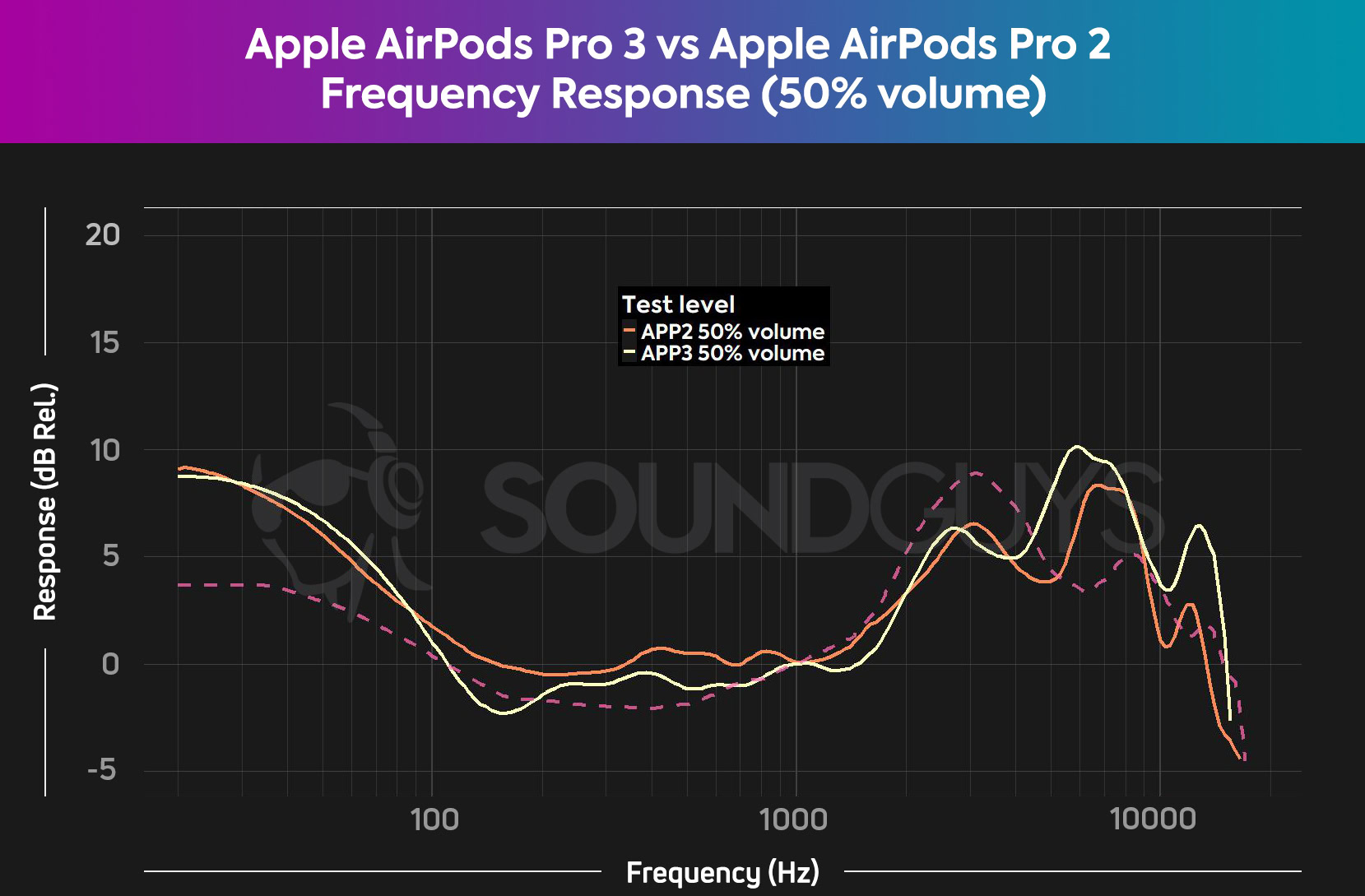
It’s important to differentiate between objective measurements of sound quality and subjective listening experiences. Objective measurements, such as frequency response curves and total harmonic distortion (THD) ratings, provide quantifiable data about the AirPods Pro 3’s audio performance. However, these measurements don’t always correlate perfectly with how we perceive sound. Our individual hearing sensitivities, listening environments, and personal preferences all play a role in shaping our subjective experience.
Even if objective measurements indicate that the AirPods Pro 3 have a relatively balanced frequency response, some users may still perceive the sound as bass-heavy or shrill due to their individual hearing characteristics. Conversely, others may find the sound perfectly balanced and enjoyable. This discrepancy highlights the limitations of relying solely on objective measurements to assess sound quality.
The Impact of Spatial Audio
Apple has heavily promoted the spatial audio feature of the AirPods Pro 3, which aims to create a more immersive and three-dimensional listening experience. While some users find spatial audio to be a game-changer, others find it unnatural or even distracting. The effectiveness of spatial audio depends on several factors, including the quality of the source material, the user’s head tracking capabilities, and their individual sensitivity to spatial cues.
Furthermore, spatial audio can alter the perceived tonal balance of the AirPods Pro 3. By artificially widening the soundstage and creating a sense of depth, spatial audio can make the bass seem less prominent and the highs more pronounced. This can contribute to the perception of the AirPods Pro 3 sounding “shrill” for some users, especially if they are not accustomed to spatial audio processing. Moreover, the ability to get good deals can be useful if users are willing to try out spatial audio. For more tips, see mastering the art of deal hunting.
The “Apple Sound” and Brand Expectations
Apple has cultivated a distinct “sound” over the years, characterized by a relatively balanced frequency response with a slight emphasis on the bass and treble. This sound signature has become associated with the Apple brand, and many users have come to expect it from their audio products. However, the AirPods Pro 3 may represent a departure from this traditional “Apple Sound,” which could explain why some users are dissatisfied with the audio quality. It’s also worth considering that other brands are also constantly innovating; the Creative Aurvana Ace 3 review highlights the competition in the mid-tier audio market.
Furthermore, brand expectations can influence our perception of sound quality. If we expect a product from a premium brand like Apple to sound exceptional, we may be more critical of its flaws. Conversely, if we have lower expectations for a product from a lesser-known brand, we may be more forgiving of its shortcomings. These biases can significantly impact our subjective listening experience.
Fit and Seal: A Critical Factor
The fit and seal of the AirPods Pro 3 are crucial for achieving optimal sound quality. A poor fit can result in a loss of bass response, a reduction in noise isolation, and an overall diminished listening experience. Apple provides multiple ear tip sizes with the AirPods Pro 3, but finding the right fit can still be challenging for some users. For example, some may prefer the fit and features of the Samsung Galaxy Buds 4 Pro.
If the ear tips are too small, they may not create a proper seal in the ear canal, allowing sound to leak out. Conversely, if the ear tips are too large, they may cause discomfort and pressure, also compromising the seal. Experimenting with different ear tip sizes is essential for finding the best possible fit and maximizing the sound quality of the AirPods Pro 3. Proper fit also enhances noise cancellation. Users who want to maximize their noise cancelling experience might want to check out Bose QuietComfort Earbuds.

Adaptive EQ: A Potential Culprit?
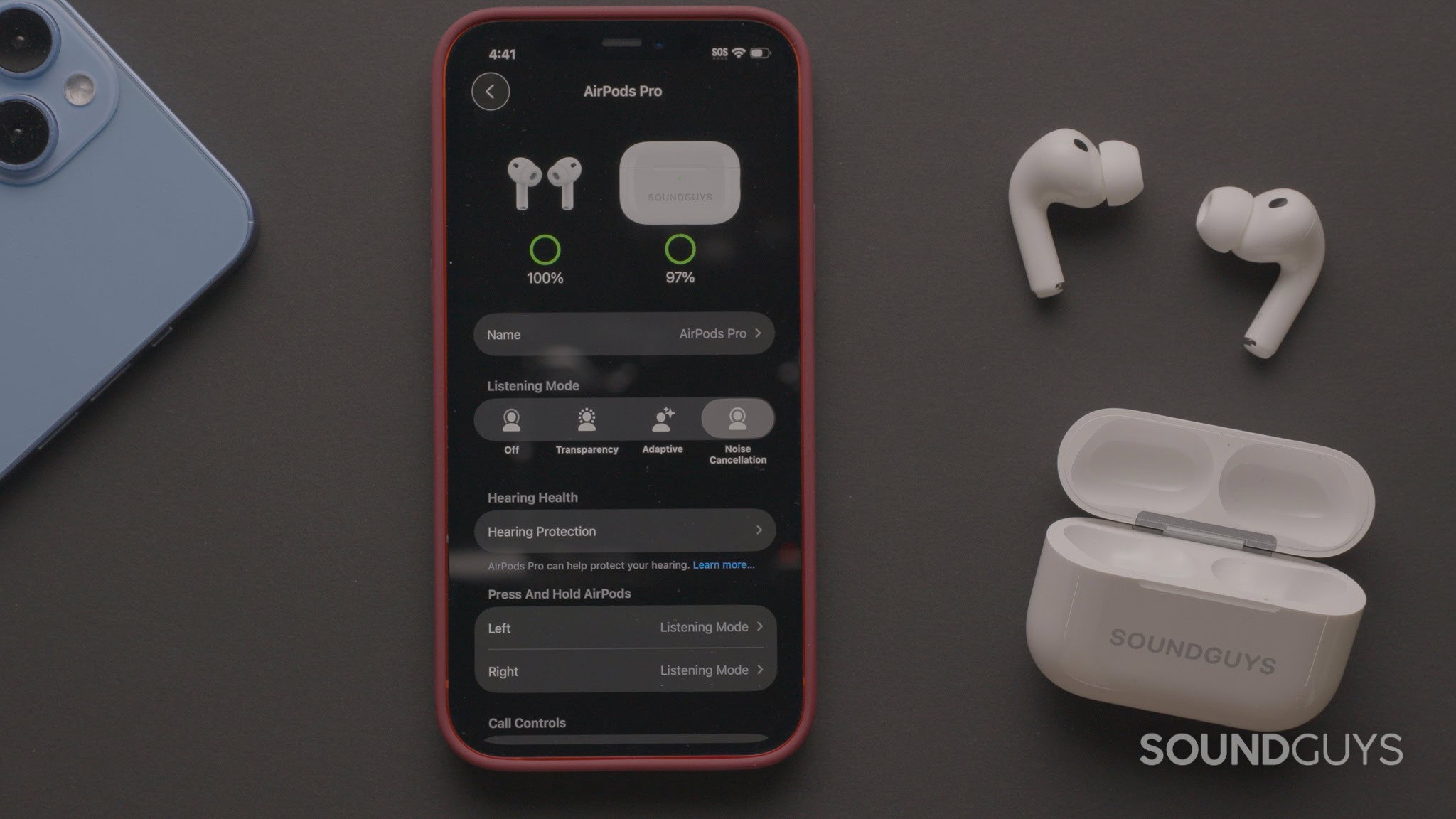
The AirPods Pro 3 feature an “Adaptive EQ” technology that automatically adjusts the sound profile based on the shape of the user’s ear canal. While this feature is intended to optimize the listening experience, it may also be contributing to the conflicting opinions surrounding the sound quality. The Adaptive EQ may not always accurately compensate for individual hearing differences, resulting in an unbalanced or unnatural sound profile for some users.
Furthermore, the Adaptive EQ is a dynamic process, constantly adjusting the sound profile based on real-time measurements. This can lead to inconsistencies in the sound quality, with the AirPods Pro 3 sounding different at different times. Some users may find these fluctuations distracting or even annoying, preferring a more consistent and predictable sound profile.
The Source Material Matters
The quality of the source material plays a significant role in the perceived sound quality of the AirPods Pro 3. Low-resolution audio files, such as heavily compressed MP3s, will inevitably sound worse than high-resolution audio files, such as lossless FLACs or Apple Music’s lossless audio streams. The AirPods Pro 3 are capable of reproducing a wide range of frequencies and dynamic range, but they can’t magically improve the quality of a poorly recorded or compressed audio file.
Furthermore, the mixing and mastering of the source material can significantly impact the listening experience. A poorly mixed track may sound muddy or unbalanced, while a well-mixed track will sound clear and detailed. Users who are critical of the AirPods Pro 3’s sound quality should ensure that they are listening to high-quality source material before drawing any conclusions. To improve your writing experience for work, you can transform your laptop into a distraction-free writing hub.
The “Shrill” Highs: A Possible Explanation
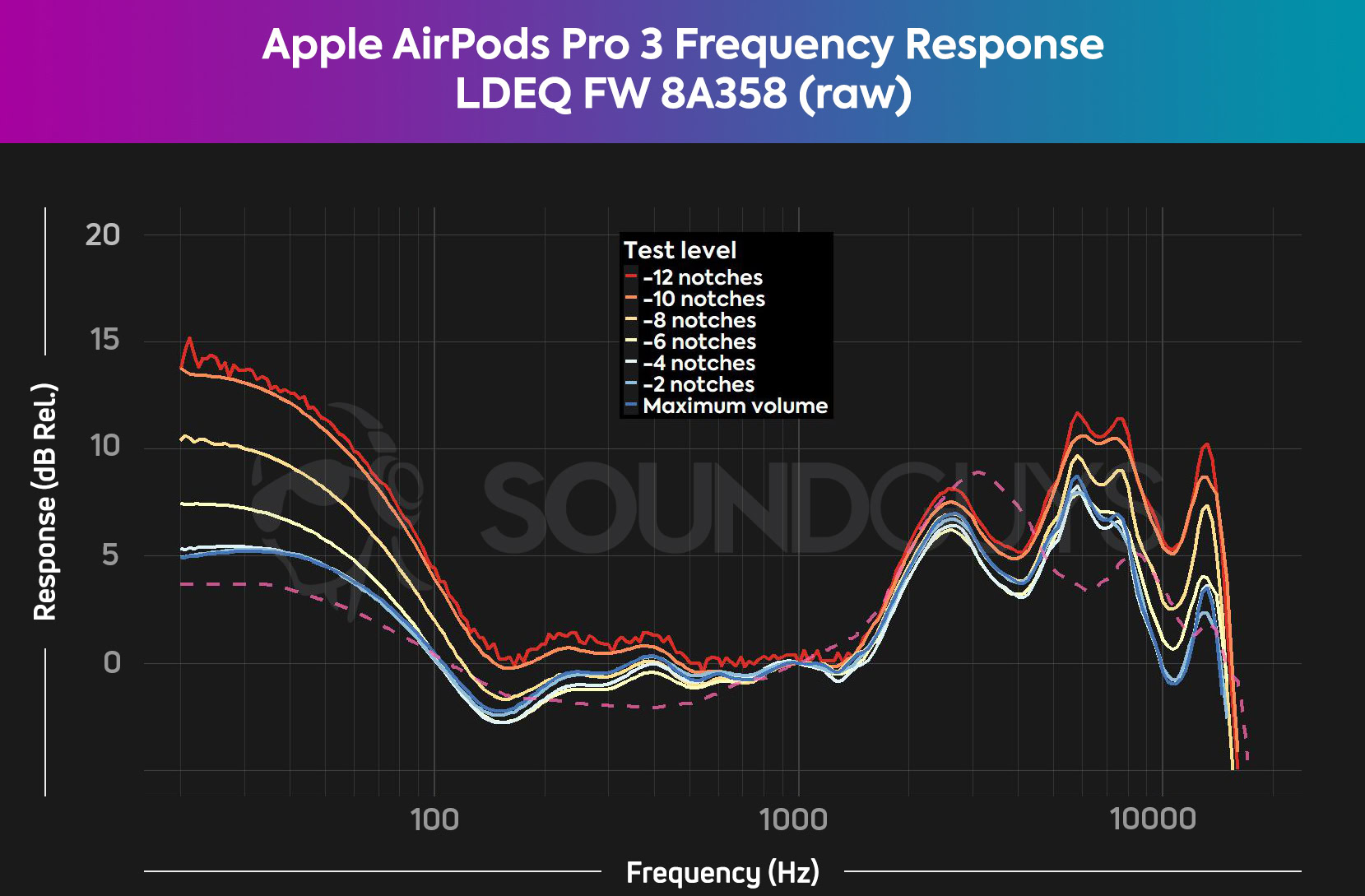
Some users have described the AirPods Pro 3 as having “shrill” or “harsh” highs. This perception may be due to a combination of factors, including the frequency response of the AirPods Pro 3, the user’s individual hearing sensitivity, and the presence of sibilance in the source material. Sibilance refers to the harsh “s” sounds that can occur in vocals, and it can be particularly noticeable on headphones with a bright or emphasized treble response.
If the AirPods Pro 3 have a peak or emphasis in the upper treble frequencies, it can exacerbate sibilance and make the highs sound harsh or fatiguing. Furthermore, users with sensitive hearing may be more prone to perceiving these high-frequency peaks as shrill. Reducing the volume or using an EQ to tame the treble can help alleviate this issue. The Cloudflare outage shows that even major technology infrastructure can have moments of weakness.
Conclusion: A Matter of Preference
Ultimately, the perception of sound quality is subjective and influenced by a multitude of factors. While some users may find the AirPods Pro 3’s sound profile unbalanced or unappealing, others may find it perfectly suited to their tastes. The absence of a customizable EQ, the impact of spatial audio, the importance of fit and seal, and the quality of the source material all play a role in shaping the listening experience. Rather than definitively declaring the AirPods Pro 3 as “good” or “bad” sounding, it’s more accurate to acknowledge that their sound signature may not be for everyone. Potential buyers should consider their own listening preferences and, if possible, try the AirPods Pro 3 before making a purchase to determine if they align with their individual needs and expectations. The controversy surrounding the sound of the AirPods Pro 3 underscores the complexities of audio perception and the importance of personal preference in the world of sound.