Smart Car Tech Gone Wrong: Everyday Features Overengineered
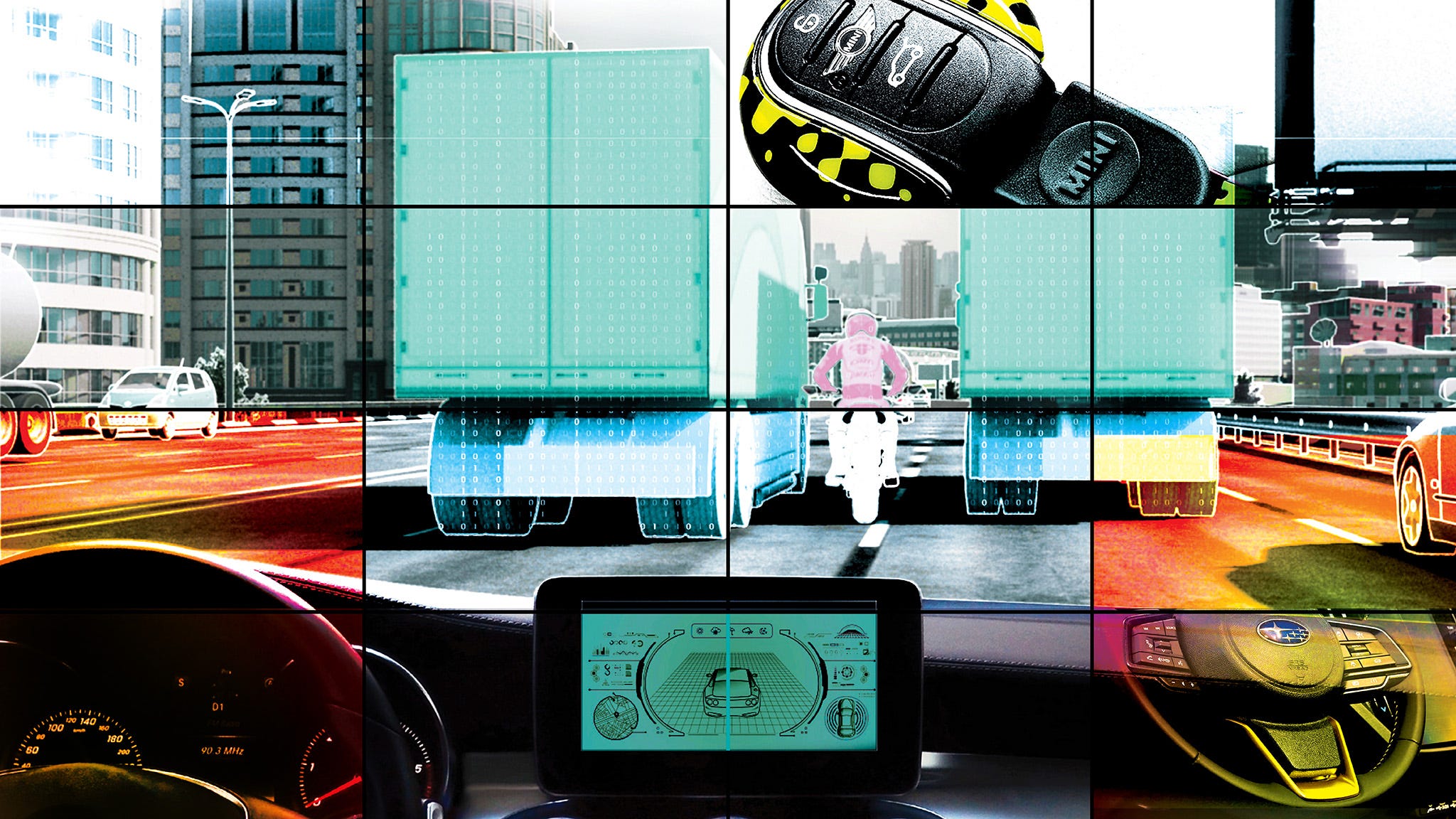
Modern vehicles are packed with technology designed to enhance the driving experience. However, sometimes automakers go too far, overcomplicating features that were once simple and reliable. This article explores four everyday car features that have become victims of “mission creep,” where an accumulation of extraneous functionality negatively impacts their original purpose. These “smart” features, intended to improve convenience and safety, can sometimes lead to frustration, distraction, and even reduced safety on the road. The relentless pursuit of innovation has, in some cases, resulted in overengineered solutions that are more trouble than they’re worth.
The Overcomplicated Tailgate: More Than Just a Door
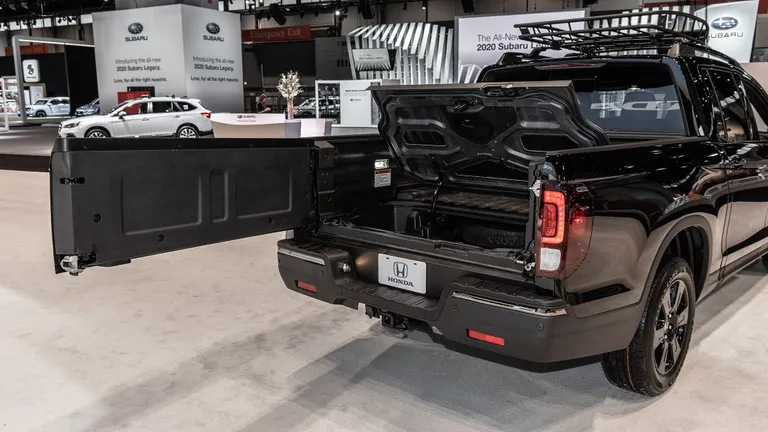
The humble pickup truck tailgate: for decades, it was a simple, reliable piece of equipment. Its sole purpose was to open and close, facilitating cargo loading and preventing items from falling out. But somewhere along the line, automakers decided that a tailgate could be much more than just a door. This led to the rise of “smart” tailgates with a plethora of features, many of which are unnecessary and add complexity without providing significant benefit.
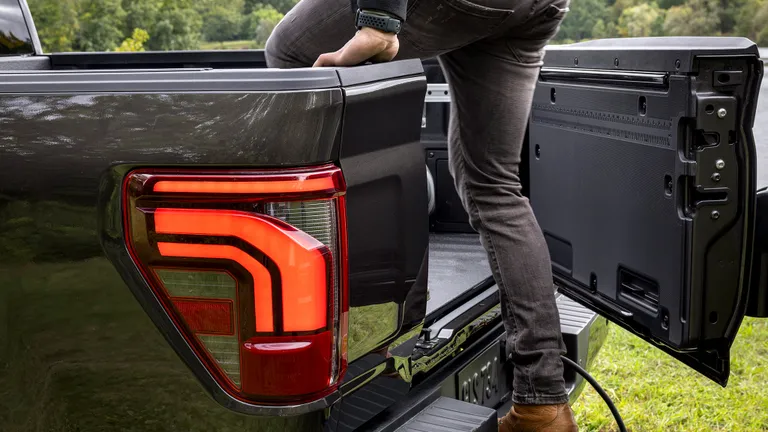
Multi-function tailgates, for example, can open in multiple ways – folding down like a traditional tailgate, splitting into sections, or even swinging open like a barn door. While these options might seem appealing, they add weight, increase the number of moving parts (and therefore potential failure points), and can be confusing to operate. The complexity of these systems also increases the cost of repair should something go wrong. Sometimes, the simplest solution is the best. Speaking of innovative designs, the Chevrolet Silverado EV Trail Boss showcases how even traditionally rugged vehicles are embracing high-tech solutions.
Consider the GMC Sierra’s MultiPro tailgate, which offers six different functions, including a load stop, a work surface, and even a built-in Kicker sound system. While these features might be useful in certain situations, they also add considerable weight and complexity to the tailgate. Are these additional features worth the increased cost and potential for malfunction? For many truck owners, the answer is likely no. The added weight can also impact fuel economy, a consideration for many buyers.
Infotainment Systems: Drowning in Data and Distraction
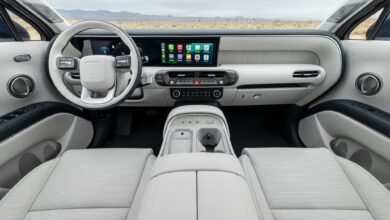
Infotainment systems have become a central feature in modern cars, offering navigation, entertainment, and connectivity features. However, these systems have also become increasingly complex, often burying essential functions under layers of menus and submenus. What was once a simple radio has evolved into a touchscreen-dominated interface that can be overwhelming and distracting to use while driving. The desire to integrate every function into a single screen has, in many cases, made it more difficult to access basic controls.
The elimination of physical buttons and knobs in favor of touchscreen controls has been a particularly controversial trend. While touchscreens can offer a clean and modern look, they often require drivers to take their eyes off the road to locate and operate controls. This can be especially dangerous when trying to adjust the volume or climate control while driving. Physical buttons, on the other hand, offer tactile feedback, allowing drivers to make adjustments without looking away from the road.
Furthermore, many infotainment systems are plagued by slow response times, confusing menus, and unreliable software. These issues can lead to driver frustration and distraction, negating any potential benefits of the system. Automakers should prioritize ease of use and reliability over adding unnecessary features and complexity. The goal should be to create a system that enhances the driving experience, not one that detracts from it. For those seeking a seamless tech experience, the Garmin Venu 4 offers an example of intuitive technology integrated into daily life.
Automatic High Beams: When “Smart” Isn’t Always Accurate
Automatic high beams are designed to improve visibility at night by automatically switching between high and low beams based on the presence of other vehicles. While this feature can be helpful in certain situations, it’s not always reliable. The sensors used to detect oncoming traffic can be fooled by reflective signs, streetlights, or even distant headlights. This can lead to the high beams turning off unnecessarily, reducing visibility for the driver.
In other cases, automatic high beams may fail to detect oncoming vehicles, leaving the high beams on and potentially blinding other drivers. This can be especially problematic in areas with winding roads or hilly terrain, where oncoming vehicles may not be immediately visible. While the intention behind automatic high beams is good, the technology is not yet perfect. Drivers should be aware of the limitations of the system and be prepared to manually override it when necessary. The trade-off between convenience and potential errors needs careful consideration.
The reliance on sensors and algorithms can also lead to a false sense of security. Drivers may become less vigilant about monitoring traffic conditions, assuming that the automatic high beams will always function correctly. This can be a dangerous assumption, as the system is not infallible. Ultimately, the responsibility for safe driving rests with the driver, not the technology. The key is to use these features as aids, not replacements, for attentive driving.
Lane Keeping Assist: A Nudge Too Far?
Lane keeping assist (LKA) systems are designed to help drivers stay within their lane by providing steering assistance or warnings when the vehicle drifts towards lane markings. While these systems can be helpful for preventing unintentional lane departures, they can also be intrusive and annoying. Some LKA systems are overly sensitive, constantly nudging the steering wheel even when the vehicle is only slightly off-center. This can create a jerky and unnatural driving experience, making it difficult to maintain a smooth and consistent trajectory.
Furthermore, LKA systems can be unreliable in certain conditions, such as when lane markings are faded or obscured by snow or rain. In these situations, the system may provide inaccurate or inconsistent steering assistance, potentially leading to confusion or even accidents. Drivers should be aware of the limitations of LKA systems and be prepared to disengage them when necessary. Moreover, over-reliance on such systems can diminish driving skills over time. It’s important to maintain active control and awareness while driving, rather than becoming overly dependent on automated assistance.
Some critics argue that LKA systems can also encourage distracted driving by giving drivers a false sense of security. Drivers may become less attentive to their surroundings, assuming that the system will always keep them within their lane. This can be a dangerous assumption, as LKA systems are not a substitute for attentive driving. Ultimately, the best way to stay within your lane is to pay attention to the road and actively steer the vehicle. The integration of advanced audio technology, as seen in the Dyson Porter Ontrac headphones, highlights how technology can enhance experiences when implemented thoughtfully and without unnecessary complexity.
The Future of Smart Car Tech: Striking the Right Balance
The trend towards increasingly complex car features is likely to continue in the future. Automakers are constantly seeking new ways to differentiate their vehicles and attract customers. However, it’s important to strike a balance between innovation and usability. Not every new feature is necessarily an improvement, and sometimes the simplest solutions are the best. Automakers should prioritize ease of use, reliability, and safety over adding unnecessary complexity. The focus should be on creating features that enhance the driving experience, not detract from it. The key is thoughtful integration, ensuring that technology serves the driver, rather than the other way around.
Moreover, it’s crucial for drivers to understand the limitations of these “smart” features. Automatic high beams, lane keeping assist, and other advanced driver-assistance systems are not a substitute for attentive driving. Drivers should always be aware of their surroundings and be prepared to manually override these systems when necessary. The ultimate responsibility for safe driving rests with the driver, not the technology. As technology advances, understanding its capabilities and limitations becomes increasingly important. Even the latest advancements in smartphone technology, such as those found in the Motorola Edge 70 Ultra, require users to understand their features to fully benefit from them.
Ultimately, the success of smart car tech depends on its ability to seamlessly integrate into the driving experience without adding unnecessary complexity or distraction. When technology enhances safety, convenience, and enjoyment without compromising usability, it can truly improve the driving experience. However, when features are overengineered or poorly implemented, they can become a source of frustration and even danger. The key is to prioritize simplicity, reliability, and driver focus in the design and implementation of smart car tech. As we move forward, a more mindful approach to automotive innovation will be essential to ensure that technology truly serves the needs of drivers.
The Importance of User Experience in Smart Car Design
A critical aspect often overlooked in the rush to integrate new technology is the user experience (UX). A feature can be technologically advanced, but if it’s not intuitive and easy to use, it’s likely to be more of a hindrance than a help. Automakers need to invest in thorough user testing and feedback to ensure that their smart car features are designed with the driver in mind. This includes considering factors such as menu structure, control placement, and the overall flow of information.
A well-designed UX should minimize distractions and allow drivers to access essential functions quickly and easily. This might involve using voice commands, gesture controls, or even augmented reality to provide information in a non-intrusive way. The goal is to create a seamless and intuitive experience that enhances the driving experience without overwhelming the driver. Furthermore, personalization is key. Allowing drivers to customize the interface and tailor features to their individual preferences can significantly improve the overall UX. Ultimately, a focus on UX is essential for ensuring that smart car tech is both useful and enjoyable to use.
The Ethical Considerations of Overengineered Car Features
Beyond usability and safety, there are also ethical considerations to consider when designing smart car features. For example, features that collect and transmit driver data raise privacy concerns. Automakers need to be transparent about how they collect and use this data, and they need to provide drivers with the option to opt out of data collection. There’s also the risk of creating a digital divide, where only drivers who can afford the latest technology have access to the safest and most convenient features.
Automakers should strive to make advanced safety features available to all drivers, regardless of their budget. Furthermore, there’s the risk of deskilling drivers by over-relying on automated systems. As cars become more autonomous, drivers may become less attentive and less skilled at handling emergency situations. It’s important to maintain a balance between automation and driver involvement to ensure that drivers retain the skills and knowledge necessary to safely operate a vehicle. These ethical considerations are crucial for ensuring that smart car tech is used responsibly and for the benefit of all.
In conclusion, while the integration of technology into modern vehicles offers numerous potential benefits, it’s essential to avoid the trap of overengineering. By prioritizing simplicity, usability, and driver focus, automakers can create smart car features that truly enhance the driving experience without adding unnecessary complexity or distraction. A thoughtful and balanced approach to automotive innovation is crucial for ensuring that technology serves the needs of drivers and contributes to a safer and more enjoyable driving experience for everyone. It’s about making cars smarter, not just more complicated. The complexities of modern technology and their impact on daily life are also relevant when considering topics like hand strain from smartphone use, highlighting the need for ergonomic design and user awareness.