Snapdragon 8 Gen 5 vs. Elite: Performance Showdown
Qualcomm has recently introduced the Snapdragon 8 Gen 5 alongside its flagship Snapdragon 8 Elite Gen 5. This has sparked considerable interest and debate among tech enthusiasts, particularly regarding the performance differences and positioning of the non-Elite variant. This article delves deep into the specifics of both chipsets, comparing their architectures, capabilities, and target markets to provide a comprehensive understanding of the Snapdragon 8 Gen 5 vs. Elite.
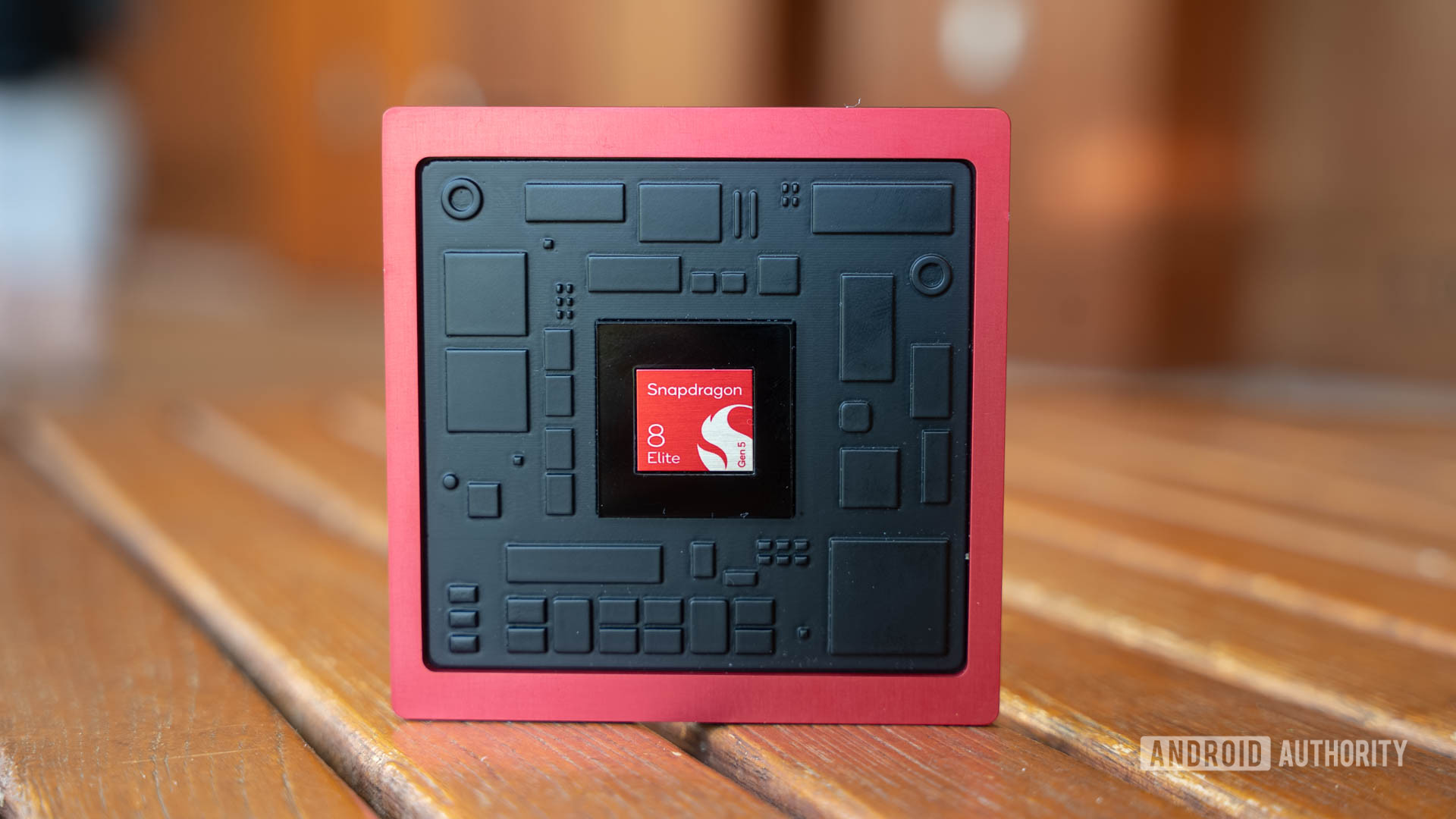
The Snapdragon 8 Gen 5 aims to deliver near-flagship performance at a more accessible price point. Qualcomm’s decision to benchmark it against the older Snapdragon 8 Gen 3, boasting a 36% performance increase and 42% better efficiency, raises questions about its true standing within the Snapdragon hierarchy. This article will explore whether the Snapdragon 8 Gen 5 is a true high-end contender or a strategically positioned mid-range chip.
Understanding the Snapdragon Landscape
Qualcomm’s Snapdragon series has long been the gold standard for mobile processors, powering a vast range of smartphones and other devices. The company typically releases multiple tiers of chips each year, catering to different segments of the market. The “Elite” designation generally signifies the absolute top-tier, offering the highest performance and most advanced features. Understanding the nuances between these tiers is crucial when evaluating devices and their capabilities.
The branding strategy employed by Qualcomm can sometimes be confusing. The introduction of the Snapdragon 8 Gen 5, without the “S” suffix seen in previous generations like the Snapdragon 8s Gen 4, adds another layer of complexity. This article aims to clarify these distinctions and provide a clear comparison of the Snapdragon 8 Gen 5 vs. Elite Gen 5.
Architectural Differences: A Deep Dive

The core difference between the Snapdragon 8 Gen 5 and the Snapdragon 8 Elite Gen 5 lies in their CPU and GPU configurations. The Snapdragon 8 Gen 5 features a CPU configuration of 2x Prime cores at 3.8GHz and 6x Performance cores at 3.32GHz. In contrast, the Snapdragon 8 Elite Gen 5 boasts a more powerful setup with 2x Prime cores clocked at 4.6GHz and 6x Performance cores at 3.62GHz. This translates to a significant performance advantage for the Elite variant in CPU-intensive tasks.
The GPU also sees a notable difference. While both chips utilize an Adreno 8XX architecture with a sliced design, the Snapdragon 8 Elite Gen 5 features the Adreno 840 with 18MB of HPM (High-Performance Memory). The standard Snapdragon 8 Gen 5 simply lists “Adreno 8XX” without specifying the exact model or memory configuration. This suggests a less powerful GPU in the non-Elite version, impacting gaming performance and graphics-intensive applications. For users prioritizing gaming and demanding visual experiences, the Elite variant is likely the superior choice.
AI and ISP Capabilities

Artificial intelligence (AI) is increasingly important in modern mobile devices, powering features like advanced image processing, voice recognition, and personalized user experiences. Both the Snapdragon 8 Gen 5 and the Snapdragon 8 Elite Gen 5 incorporate a Hexagon NPU (Neural Processing Unit) for handling AI tasks. However, the Elite version features a more robust NPU with 12 scalar and 8 vector units, compared to the 6 scalar and 8 vector units in the standard Gen 5. This enhanced NPU in the Elite variant allows for faster and more efficient AI processing.
The Image Signal Processor (ISP) is responsible for processing images and videos captured by the device’s camera. Both chipsets utilize a 20-bit Triple AI ISP, supporting impressive camera capabilities such as 320MP photo capture, 108MP zero shutter lag (ZSL), and 3x 48MP ZSL. Both also support 4K video recording at 120fps and 8K video recording at 30fps. While the core ISP capabilities are similar, the more powerful NPU in the Elite version could potentially enhance AI-driven camera features like scene recognition and object detection. The Oppo Find X9 Pro is rumored to be one of the first devices to leverage these advanced ISP capabilities, potentially setting a new benchmark for mobile photography.
Performance Benchmarks and Real-World Usage

While the specifications provide a theoretical understanding of the performance differences, real-world benchmarks offer a more practical perspective. Early benchmarks suggest that the Snapdragon 8 Elite Gen 5 consistently outperforms the Snapdragon 8 Gen 5 in CPU, GPU, and AI-related tasks. These differences are noticeable in demanding applications like gaming, video editing, and complex AI computations. However, for everyday tasks like browsing, social media, and basic productivity, the Snapdragon 8 Gen 5 is still a capable performer.
The Snapdragon 8 Gen 5’s performance improvements over the Snapdragon 8 Gen 3, as highlighted by Qualcomm, are significant. This suggests that the non-Elite variant is a substantial upgrade for users upgrading from older devices. However, those seeking the absolute best performance should still opt for devices powered by the Snapdragon 8 Elite Gen 5. The choice ultimately depends on individual needs and budget constraints. The Poco Pad X1, for example, might utilize the Snapdragon 8 Gen 5 to strike a balance between performance and affordability in the tablet market.
Power Efficiency and Thermal Management

Power efficiency and thermal management are critical aspects of mobile processor design. A more efficient chip consumes less power, resulting in longer battery life and reduced heat generation. The Snapdragon 8 Gen 5 is designed with a focus on power efficiency, aiming to deliver a balance between performance and battery life. This makes it suitable for a wider range of devices, including those with smaller batteries or less sophisticated cooling systems.
The Snapdragon 8 Elite Gen 5, with its higher clock speeds and more powerful components, is likely to consume more power and generate more heat. Manufacturers implementing the Elite chip will need to employ advanced cooling solutions to prevent thermal throttling and maintain sustained performance. While the Elite variant offers superior performance, it may come at the expense of battery life and thermal stability in certain devices. Devices equipped with aptX support for lossless audio, for example, might benefit from the Snapdragon 8 Gen 5’s power efficiency for extended playback.
Target Devices and Market Positioning
The Snapdragon 8 Gen 5 and Snapdragon 8 Elite Gen 5 are targeted at different segments of the mobile device market. The Elite version is designed for flagship smartphones, high-end tablets, and other premium devices where performance is paramount. These devices typically command higher price tags and cater to users who demand the best possible experience.
The Snapdragon 8 Gen 5, on the other hand, is aimed at a broader range of devices, including upper mid-range smartphones and more affordable flagship models. This chip allows manufacturers to offer near-flagship performance at a more competitive price point, making it accessible to a wider audience. The introduction of Android 16, with its potential performance optimizations, could further enhance the appeal of devices powered by the Snapdragon 8 Gen 5.
Future Trends and Developments
The mobile processor landscape is constantly evolving, with new technologies and architectures emerging regularly. Qualcomm is expected to continue pushing the boundaries of performance and efficiency with future iterations of its Snapdragon series. The integration of advanced AI capabilities, improved power management, and enhanced security features will likely be key areas of focus. As mobile devices become increasingly integral to our lives, the demand for powerful and efficient processors will only continue to grow.
The Snapdragon 8 Gen 5 and Snapdragon 8 Elite Gen 5 represent the current state-of-the-art in mobile processing technology. While the Elite version offers superior performance, the standard Gen 5 provides a compelling balance of power and efficiency. The choice between the two ultimately depends on individual needs, budget, and the specific device in question. The landscape of Cyber Monday laptop deals may soon include devices powered by these new chips, offering consumers a wider range of choices.
Key Differences in a Table Format
To further clarify the distinctions between the Snapdragon 8 Gen 5 and the Snapdragon 8 Elite Gen 5, here’s a comparison table:
Conclusion: Choosing the Right Snapdragon
In conclusion, the Snapdragon 8 Gen 5 vs. Elite Gen 5 comparison reveals distinct differences in performance, capabilities, and target markets. The Snapdragon 8 Elite Gen 5 remains the undisputed champion, offering the highest levels of performance and the most advanced features. However, the Snapdragon 8 Gen 5 provides a compelling alternative for users seeking a balance between performance and affordability. Understanding these distinctions is crucial when making informed purchasing decisions.
The Snapdragon 8 Gen 5 offers a notable upgrade over previous generations, as indicated by Qualcomm’s comparisons. Those interested in seeing how Android 16 could further optimize performance on these devices will find valuable information on Android 16 QPR2 Pixel update eligibility and new features.
For audiophiles, the choice between these chipsets may depend on power efficiency when using high-quality audio. Learn more about unlocking lossless audio on phones with aptX support to make a more informed decision.
The Snapdragon 8 Gen 5 vs. Elite decision is also relevant for tablet users seeking a balance between cost and performance. Explore options like the Poco Pad X1 tablet review and buyer’s guide to see how these processors are being implemented.
If you’re considering upgrading your phone, understanding the capabilities of these chipsets is essential. Check out the latest rumors and information on the Oppo Find X9 Pro, expected to be a 2025 smartphone king, to see these processors in action.
The performance of these chipsets is also relevant when considering your next laptop purchase. Keep an eye out for potential deals during events like Cyber Monday laptop deals and Cyber Monday Chromebook deals to find devices powered by the Snapdragon 8 Gen 5 or Elite Gen 5.
Finally, for those who enjoy streaming music, the Snapdragon 8 Gen 5’s efficiency could lead to longer listening sessions. Stay updated with your personalized music recap with Spotify Wrapped 2025.