Unlocking Lossless Audio: Phones with aptX Support
For audiophiles, the quest for the perfect listening experience never ends. The emergence of aptX Lossless codec has been a significant leap forward, promising CD-quality audio streaming over Bluetooth. But which devices actually support this cutting-edge technology? Understanding which phones support aptX Lossless is crucial for anyone looking to enjoy high-fidelity wireless audio. This article delves into the world of aptX Lossless, exploring its benefits, compatible devices, and what the future holds for this exciting technology.
What is aptX Lossless?
aptX Lossless is a Bluetooth audio codec developed by Qualcomm. It’s designed to deliver bit-for-bit identical audio to what is stored on the source device, meaning there’s no compression (or, more accurately, lossless compression) that degrades the audio quality. This is a significant improvement over standard Bluetooth codecs like SBC or AAC, which use lossy compression that can result in a noticeable reduction in audio fidelity. The key benefit of aptX Lossless is its ability to transmit CD-quality audio (16-bit/44.1kHz) wirelessly, allowing you to enjoy your music as the artist intended. For users who prioritize audio quality and have invested in high-resolution audio files, aptX Lossless provides a crucial link in the chain, ensuring that the wireless transmission doesn’t compromise the listening experience. It’s particularly beneficial when paired with high-quality headphones or earphones that are capable of reproducing the nuances of lossless audio.
The technology works by employing a highly efficient lossless compression algorithm. This algorithm reduces the data rate required for transmission without discarding any audio information. This allows for a bit-perfect transfer of audio data over Bluetooth, maintaining the integrity of the original recording. In contrast, lossy codecs achieve lower data rates by selectively discarding audio information deemed less important, which can result in artifacts and a less detailed sound. Qualcomm’s aptX Lossless is a game-changer for wireless audio, bringing it closer than ever to the quality of wired connections.
The Advantages of aptX Lossless
The benefits of using aptX Lossless are numerous, especially for discerning listeners:
- CD-Quality Audio: Enjoy your music in its original, uncompressed form, preserving all the details and nuances.
- Improved Dynamic Range: Experience a wider range of sound, from the quietest whispers to the loudest crescendos, with greater clarity.
- Enhanced Clarity: Hear instruments and vocals with improved definition and separation, making for a more immersive listening experience.
- Reduced Distortion: Minimize unwanted noise and artifacts, resulting in a cleaner and more accurate sound.
- A More Engaging Listening Experience: Feel more connected to your music, as you hear it as the artist intended.
These advantages translate into a significantly enhanced listening experience. Imagine listening to a complex orchestral piece and being able to distinguish each instrument clearly, or hearing the subtle nuances of a singer’s voice that were previously lost in the compression. aptX Lossless unlocks a new level of detail and fidelity, making your music sound more vibrant and engaging. It’s especially noticeable with genres that benefit from high dynamic range, such as classical, jazz, and acoustic music. Furthermore, the reduced distortion makes for a less fatiguing listening experience, allowing you to enjoy your music for longer periods without discomfort.
Which Phones Support aptX Lossless? The Current Landscape
While aptX Lossless holds immense promise, its adoption has been relatively slow. This is due to several factors, including the requirement for both the transmitting and receiving devices to support the codec, as well as the need for specific hardware and software implementations. As of late 2024 and early 2025, the list of phones that officially support aptX Lossless is still limited, but growing. Keep in mind that software updates can sometimes add support for new codecs, so it’s always worth checking with the manufacturer for the latest information.
Generally, you’ll find aptX Lossless support in higher-end Android devices, particularly those using Qualcomm Snapdragon processors. These processors often include the necessary hardware components to handle the encoding and decoding of aptX Lossless audio. However, even with a compatible processor, manufacturers need to specifically enable aptX Lossless support in their software. This means that not all phones with Snapdragon processors will necessarily support aptX Lossless. Apple’s iPhones, for example, do not currently support any aptX codecs, including aptX Lossless, opting instead for their own AAC codec. While AAC is a capable codec, it is lossy and doesn’t offer the same level of fidelity as aptX Lossless. For users heavily invested in the Apple ecosystem, this can be a significant drawback when considering wireless audio quality.
Here’s a general overview of manufacturers and their approach to aptX Lossless:
- Android Phones (Qualcomm Snapdragon Processors): Many Android phones using Snapdragon processors *can* support aptX Lossless, but it depends on the manufacturer’s implementation. Look for phones explicitly advertised as supporting aptX Lossless.
- Samsung: Samsung phones, particularly the flagship Galaxy series, are likely candidates for aptX Lossless support. Check the specifications of specific models.
- Google Pixel: Google Pixel phones have historically been more focused on software features than audiophile-grade hardware. While they may support aptX Adaptive (a related codec), aptX Lossless support is less common.
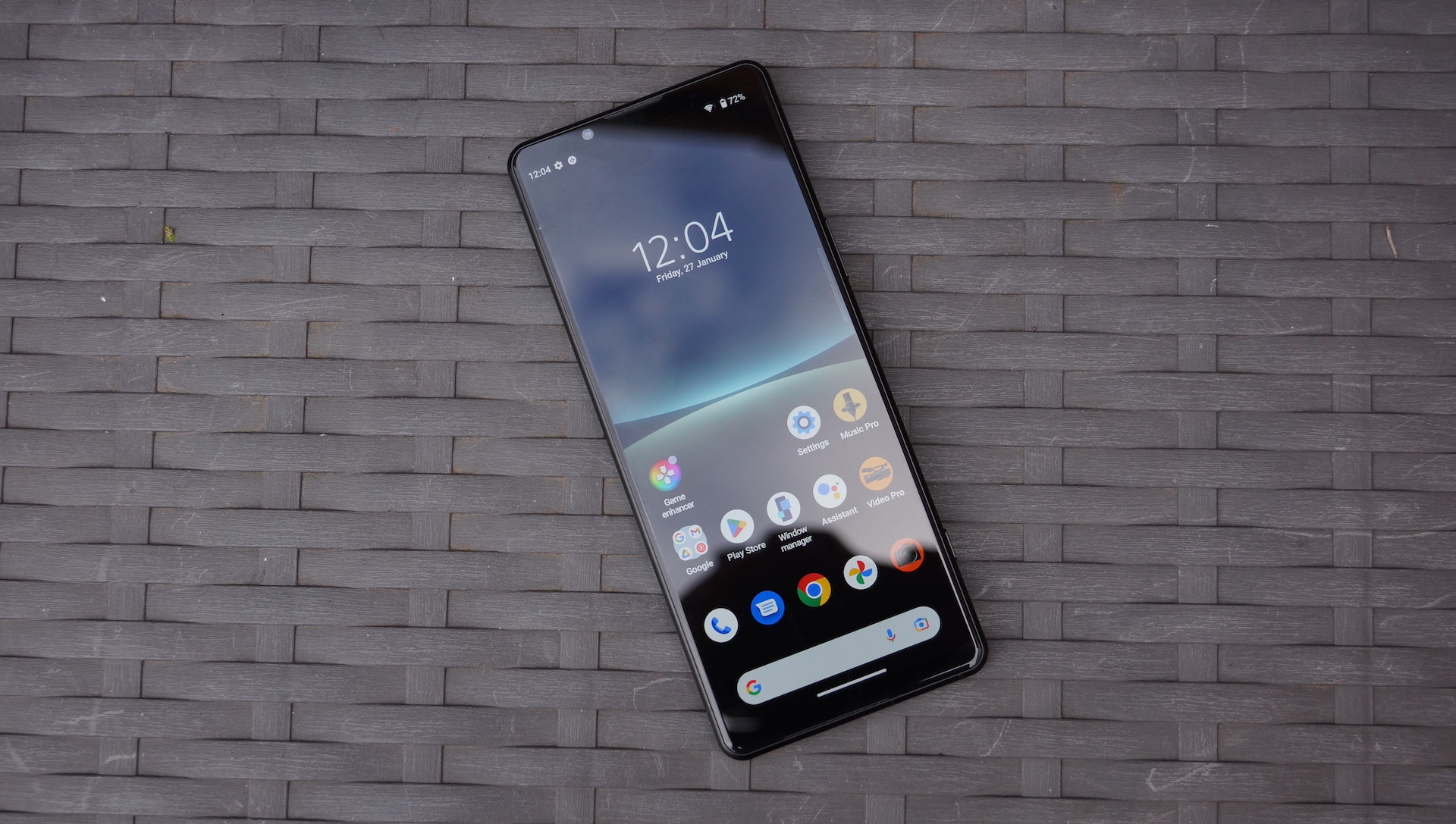
- Sony: Sony, with its strong audio heritage, is a likely adopter of aptX Lossless in its Xperia line of smartphones.
- OnePlus: OnePlus phones, often prioritizing performance and features, are also potential candidates for aptX Lossless support.
- Xiaomi: Xiaomi is another brand that frequently incorporates advanced audio features in their phones, making them potential contenders for aptX Lossless compatibility.
- Apple iPhones: iPhones currently do not support any aptX codecs, including aptX Lossless.
Due to the rapidly evolving nature of technology, it’s best to consult the manufacturer’s official specifications or product documentation to confirm aptX Lossless support for a specific phone model. Retailers often maintain detailed specification lists on their websites as well. Keep an eye out for online reviews and forums, where users often share their experiences and confirm codec support on various devices. Remember that simply having a Snapdragon processor doesn’t guarantee aptX Lossless support; it’s the manufacturer’s implementation that ultimately determines compatibility. As aptX Lossless gains more traction, it’s expected that more phone manufacturers will incorporate it into their devices, making high-fidelity wireless audio more accessible to a wider audience.
When considering purchasing a new device, be sure to check out the latest Black Friday phone deals to potentially save money on a phone that supports aptX Lossless.
Beyond Phones: Other Devices Supporting aptX Lossless
While the focus is often on phones, aptX Lossless support extends to other devices as well. This is important because a complete high-fidelity wireless audio system requires both a transmitting device (like a phone or laptop) and a receiving device (like headphones or earphones) that support the codec. Here are some other device categories to consider:
- Wireless Headphones and Earphones: Many high-end wireless headphones and earphones now support aptX Lossless. Brands like Sony, Sennheiser, Bowers & Wilkins, and Technics are often at the forefront of this technology.
- Digital Audio Players (DAPs): DAPs are dedicated music players designed for audiophiles. Many high-end DAPs support aptX Lossless, providing a dedicated source for high-fidelity audio.
- Bluetooth Transmitters: These devices can be connected to non-Bluetooth audio sources (like CD players or turntables) and transmit audio wirelessly using aptX Lossless.
- Laptops and Desktop Computers: Some laptops and desktop computers, particularly those with dedicated sound cards, may support aptX Lossless.
When choosing headphones or earphones, pay close attention to the specifications and look for explicit mentions of aptX Lossless support. Some manufacturers may use similar-sounding terms, so it’s important to verify that it’s the actual aptX Lossless codec. High-quality headphones are essential to truly appreciate the benefits of lossless audio. Look for models with wide frequency response, low distortion, and comfortable fit. Remember that the entire audio chain needs to be high-quality to realize the full potential of aptX Lossless. Using low-quality headphones with an aptX Lossless source will still result in a subpar listening experience. Digital Audio Players (DAPs) offer a dedicated solution for audiophiles who want the best possible audio quality. These devices are designed to handle high-resolution audio files and often include advanced features like balanced outputs and dedicated headphone amplifiers. If you have a collection of CDs or vinyl records, a Bluetooth transmitter can be a great way to enjoy them wirelessly with aptX Lossless headphones. These transmitters connect to your audio source and transmit the audio signal over Bluetooth, preserving the high-fidelity quality. Finally, some laptops and desktop computers are starting to incorporate aptX Lossless support, making it possible to enjoy lossless audio directly from your computer. Check the specifications of your computer or sound card to see if it supports aptX Lossless.
The Future of aptX Lossless and Wireless Audio
The future of aptX Lossless looks promising. As Bluetooth technology continues to evolve and processing power increases, it’s likely that aptX Lossless will become more widely adopted. Here are some potential future developments:
- Wider Adoption: More phone manufacturers are likely to incorporate aptX Lossless support into their devices, making it more accessible to consumers.
- Improved Efficiency: Future versions of aptX Lossless may offer even greater efficiency, allowing for lower power consumption and longer battery life.
- Higher Bitrates: As bandwidth limitations are overcome, aptX Lossless could potentially support even higher bitrates, enabling even higher-resolution audio.
- Integration with Streaming Services: Streaming services may begin to offer aptX Lossless streaming options, allowing users to enjoy lossless audio directly from their favorite platforms.
The wider adoption of aptX Lossless will depend on several factors, including the cost of implementation, the availability of compatible devices, and consumer demand. As more consumers become aware of the benefits of lossless audio, it’s likely that demand will increase, driving manufacturers to incorporate aptX Lossless into their products. Improved efficiency is crucial for wireless devices, as it directly impacts battery life. Future versions of aptX Lossless may employ more advanced compression algorithms that reduce power consumption without sacrificing audio quality. This would be a significant advantage for portable devices like phones and headphones. The potential for higher bitrates is also exciting. While CD-quality audio is already a significant improvement over standard Bluetooth codecs, some audiophiles may crave even higher resolution. As Bluetooth technology advances, it may become possible to transmit audio at bitrates exceeding CD quality, unlocking even greater detail and fidelity. Finally, integration with streaming services is a key factor in the widespread adoption of aptX Lossless. If streaming services begin to offer lossless audio options, it would make it much easier for consumers to enjoy high-fidelity music without having to purchase and manage their own audio files. This would be a major step forward for wireless audio and could potentially revolutionize the way people listen to music.
Furthermore, the landscape of audio is always changing. Consider that finding compact sleep headphones that offer excellent sound quality and comfort is now easier than ever, highlighting the advancements in audio technology.
How to Check if Your Phone Supports aptX Lossless
Determining whether your phone supports aptX Lossless can sometimes be tricky, as manufacturers don’t always prominently advertise codec support. Here are a few ways to check:
- Check the Manufacturer’s Specifications: The most reliable way is to consult the official specifications of your phone on the manufacturer’s website. Look for mentions of aptX Lossless or other aptX codecs.
- Use a Bluetooth Codec Checker App: There are several apps available on the Google Play Store that can identify the Bluetooth codecs supported by your phone.
- Check the Bluetooth Settings: On some Android phones, you can find codec information in the Bluetooth settings when connected to a compatible device.
- Consult Online Reviews and Forums: Online reviews and forums often contain information about codec support for specific phone models.
When checking the manufacturer’s specifications, be sure to look for the specific model number of your phone. Specifications can vary even within the same brand. Bluetooth codec checker apps can provide a quick and easy way to identify supported codecs. However, these apps may not always be accurate, so it’s best to use them as a starting point and confirm the information with other sources. The Bluetooth settings on your phone may also provide codec information. To access these settings, connect your phone to a Bluetooth device (like headphones) and then navigate to the Bluetooth settings menu. Look for an option to view the connection details or advanced settings. Online reviews and forums can be a valuable source of information. Search for reviews of your phone model and look for mentions of aptX Lossless or other aptX codecs. You can also check forums dedicated to audio enthusiasts, where users often discuss codec support and share their experiences. Remember that software updates can sometimes add or remove codec support, so it’s always worth checking for the latest information. If you’re unsure whether your phone supports aptX Lossless, it’s best to contact the manufacturer directly or consult their official website. They will be able to provide the most accurate and up-to-date information.
Conclusion: Embracing Lossless Audio on Mobile
aptX Lossless represents a significant step forward in the world of wireless audio, offering the promise of CD-quality sound without the need for wires. While its adoption is still limited, the technology has the potential to revolutionize the way we listen to music on our mobile devices. By understanding which phones support aptX Lossless and keeping an eye on future developments, audiophiles can take full advantage of this exciting technology and enjoy a truly immersive listening experience. As more manufacturers embrace aptX Lossless and streaming services begin to offer lossless audio options, the future of wireless audio looks brighter than ever. The days of sacrificing audio quality for convenience may soon be over, as aptX Lossless paves the way for a new era of high-fidelity mobile listening.