Smart Choices: Embracing Value in Smartphone Performance
The relentless march of technological progress in the smartphone industry has historically pushed consumers towards devices boasting the absolute pinnacle of performance. Elite processors, groundbreaking camera arrays, and bleeding-edge features often come with a price tag that steadily climbs into the stratosphere. However, a significant shift in consumer mindset is underway. For a growing number of users, the pursuit of “elite” performance no longer justifies the ever-increasing cost. This article delves into the compelling reasons behind choosing non-elite smartphone performance for my next device, not as a compromise, but as a deliberate, intelligent decision driven by real-world usage patterns, economic realities, and a desire for more sustainable technology. It’s about finding the sweet spot where capability meets practicality, delivering an exceptional user experience without demanding a small fortune.
Redefining “Elite”: The Evolution of Smartphone Capabilities
For years, the term “elite” in smartphones was synonymous with the highest benchmark scores, the largest numbers in specifications, and the latest iteration of a flagship processor. While these metrics still hold a certain allure for enthusiasts, their practical relevance for the average user has begun to wane dramatically. The gap in daily performance between a top-tier flagship and a well-optimized, upper mid-range device has narrowed to such an extent that it’s often imperceptible.
Beyond Benchmarks: What Performance Truly Means Today
Traditional benchmarks, while useful for quantifying raw processing power, often paint an incomplete picture of real-world performance. They push devices to their absolute limits, tasks that most users rarely, if ever, encounter. For the vast majority of smartphone owners, performance is measured by the smoothness of scrolling, the responsiveness of app launches, the fluidity of multitasking, and the stability of the operating system. In these critical areas, modern non-elite chipsets have become incredibly proficient. They are designed for efficiency and sustained performance under typical loads, rather than brief bursts of extreme power.
The concept of “fast enough” has become increasingly pertinent. While an elite processor might render a complex 3D scene a few milliseconds faster, or compress a large video file in marginally less time, these differences rarely impact the daily workflow or enjoyment of someone primarily using their phone for communication, browsing, media consumption, and casual gaming. The optimization of software and hardware integration in the mid-range segment has reached a point where the user experience feels premium, even if the raw numbers aren’t chart-topping.
The Flagship Premium: Are We Paying for Unused Potential?
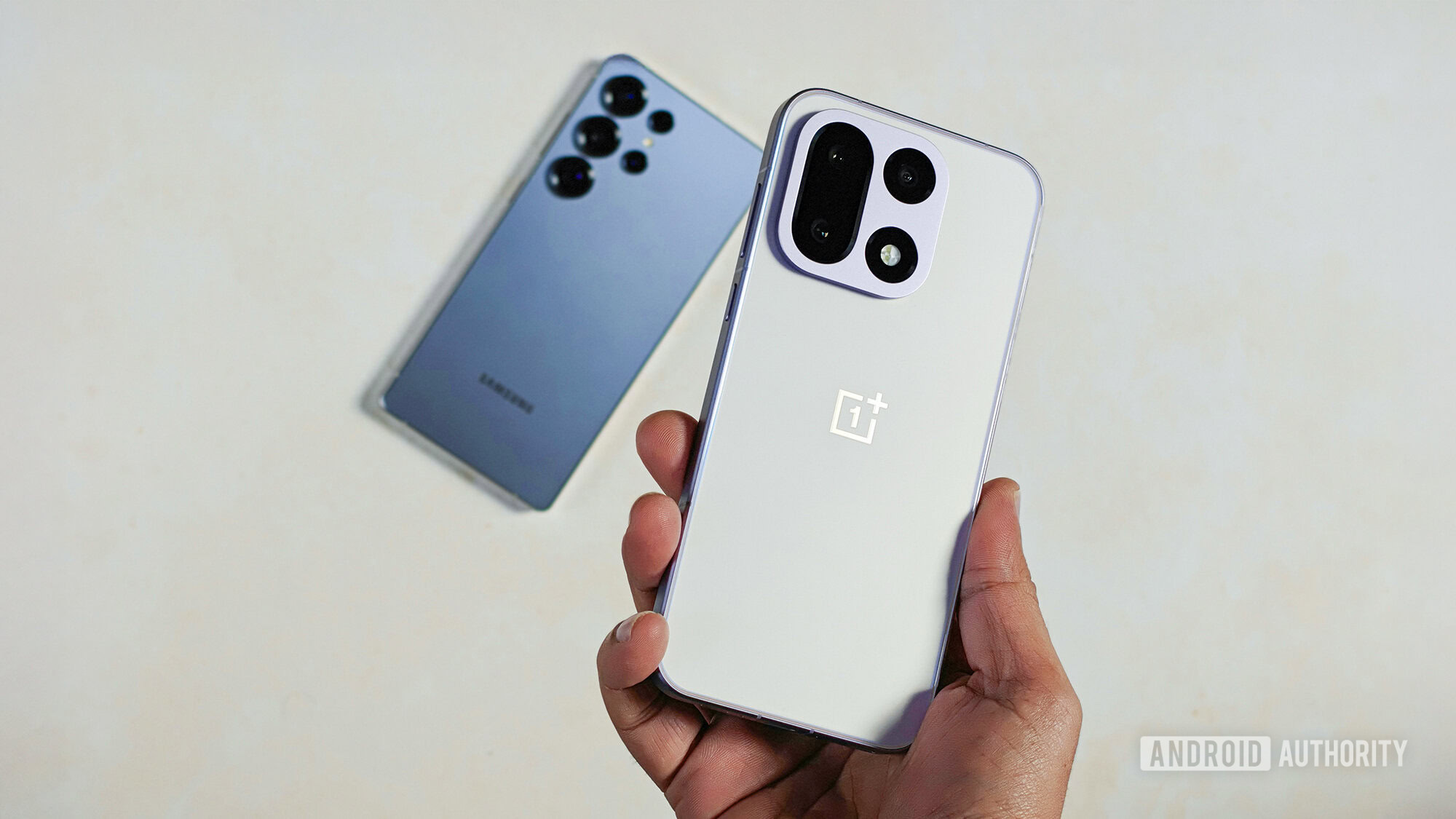
The cost of manufacturing a flagship smartphone is substantial, driven by the inclusion of the latest silicon, advanced camera sensors, premium materials like titanium or ceramic, and cutting-edge display technology. These components collectively contribute to a price point that often exceeds $1000, sometimes even approaching $2000 for specialized models. The question then arises: is this premium truly delivering commensurate value for the average user?
For many, a significant portion of this flagship performance remains untapped. The powerful CPU cores lie dormant during typical social media scrolling, and the advanced GPU capabilities are overkill for streaming Netflix or checking emails. When considering the investment, it becomes clear that a considerable percentage of the expenditure on an elite device is for potential that may never be fully realized. This realization is a core driver behind choosing non-elite smartphone performance, as it allows for a more efficient allocation of resources towards features and capabilities that genuinely enhance the user’s daily life.
The Practicality Principle: Matching Device to Daily Demands
The true measure of a smartphone’s worth lies in how well it serves its owner’s practical needs. For most, this means seamless execution of common tasks, reliable communication, and enjoyable media consumption. In these areas, the distinction between elite and non-elite has blurred significantly.
Everyday Tasks: Where Non-Elite Shines
The foundation of smartphone usage for the majority revolves around browsing the web, engaging on social media platforms, sending messages, managing emails, and streaming content. These activities are not particularly demanding on a phone’s processor. Modern mid-range chipsets are engineered to handle these core functions with remarkable fluidity and responsiveness. App launches are quick, multitasking is smooth, and navigating the user interface feels snappy and intuitive. The days of noticeable lag in the mid-range segment are largely behind us.
Furthermore, advancements in artificial intelligence and machine learning are increasingly being integrated into more affordable hardware. Features like intelligent battery management, enhanced photography processing, and even sophisticated voice assistants are now commonplace across various price points. For instance, the capabilities of smart assistants like Google’s Gemini are becoming more accessible, meaning you don’t necessarily need the most powerful phone to benefit from advanced AI features. For comprehensive guidance on integrating such features, see our detailed guide on how to get Gemini on your Google Home speaker.
Gaming and Multimedia: Good Enough for Most
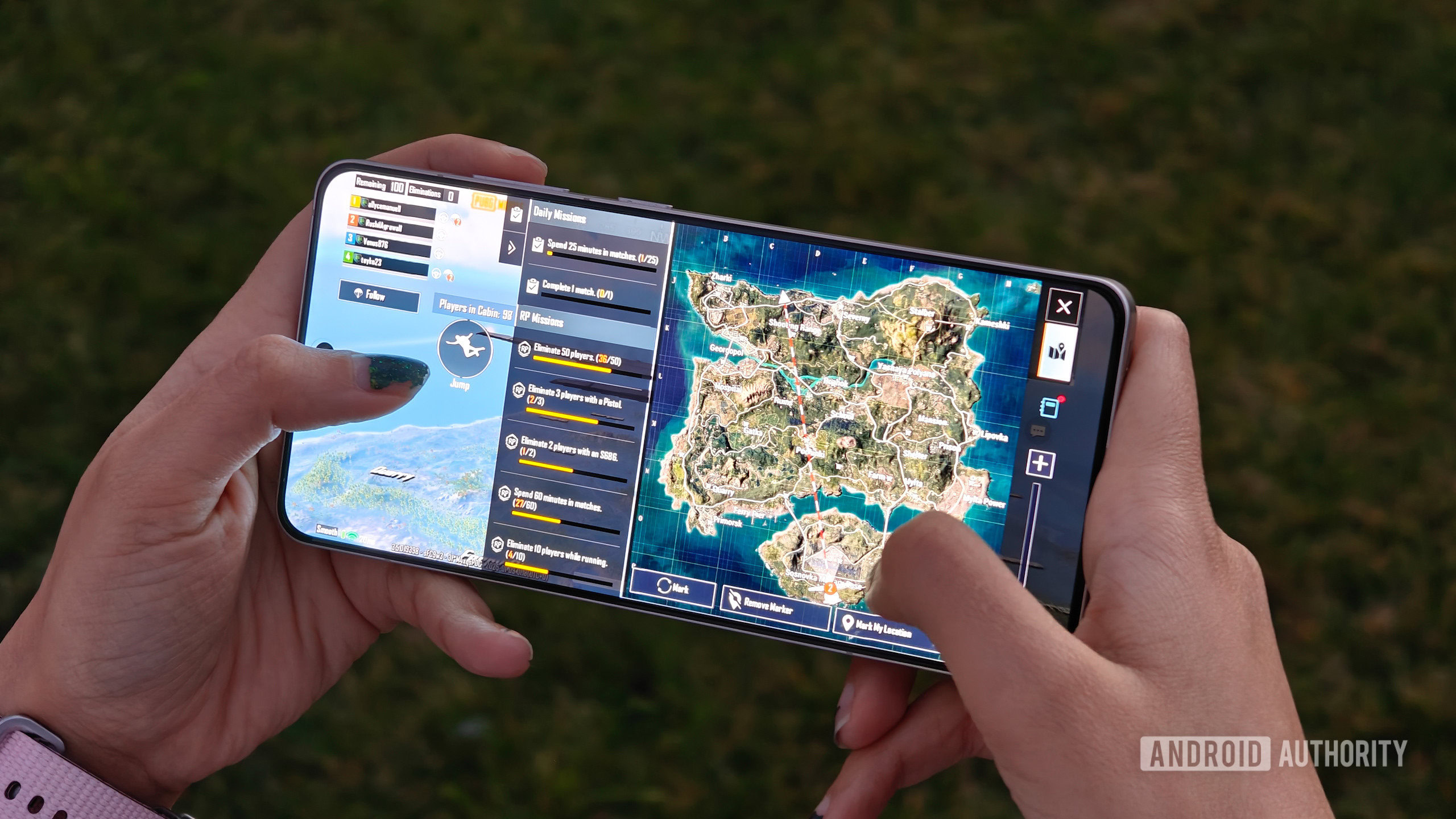
While enthusiast gamers might still gravitate towards elite flagships for the absolute highest frame rates and graphical settings in the most demanding titles, the reality is that the vast majority of popular mobile games run perfectly well on upper mid-range devices. Games like Call of Duty Mobile, PUBG Mobile, and Genshin Impact are optimized to scale across a wide range of hardware, ensuring a playable and enjoyable experience even on phones with non-elite processors. The balance between graphical fidelity and sustainable battery life is often better struck in this segment.
When it comes to multimedia consumption, the experience is largely dictated by the display and speakers, not solely raw processing power. High-definition video streaming from platforms like YouTube, Netflix, and Disney+ is universal across virtually all modern smartphones. The ability to smoothly stream and consume content is a given, making the extra processing muscle of an elite chip largely superfluous for this activity. It’s also worth noting that while playing PC games on Android might still demand cutting-edge power, a niche application explored in guides like Valve’s emulation revolution for Android, it’s far from the typical use case for most users.
Camera Performance: Software Over Sensor Size?
Historically, camera performance was a significant differentiator for elite flagships. However, the landscape has changed dramatically. While flagships still boast larger sensors and more versatile multi-lens setups, the power of computational photography has democratized excellent image quality. Mid-range phones, particularly those from brands like Google’s Pixel ‘a’ series, demonstrate that superb photos can be captured with less extravagant hardware, relying instead on sophisticated software algorithms to enhance detail, dynamic range, and low-light performance.
For most users, a good main camera that takes consistently pleasing photos in a variety of conditions is more than sufficient. The ability to capture memorable moments with clarity and vibrant colors is now accessible without the need for a four-figure investment. The focus on choosing non-elite smartphone performance acknowledges that smart software can often bridge the gap where hardware might traditionally fall short.
Economic Realities and Long-Term Value
One of the most compelling arguments for opting for non-elite performance is the undeniable financial benefit. In an era where disposable income is increasingly stretched, the smartphone budget is often a key consideration. The value proposition offered by mid-range devices has never been stronger.
The Price Tag Plateau: When Enough is Truly Enough
The price for a flagship smartphone has seemingly plateaued at a very high level, often starting at $800-$1000 and easily exceeding that with higher storage configurations or “Pro/Ultra” variants. This represents a significant financial outlay for a device that, for many, will be replaced within two to three years. The sweet spot for value, where features, performance, and price converge optimally, typically lies in the $400-$700 range. Phones in this bracket offer a wealth of capabilities that satisfy the vast majority of users, often mirroring flagship features from just a generation or two prior.
Considering the total cost of ownership, including potential repair costs, accessories, and the initial purchase price, the economic argument for choosing non-elite smartphone performance becomes even more persuasive. The financial prudence of selecting a device that meets all essential needs without incurring unnecessary expense is a powerful motivator.
Depreciation and Resale Value
Flagship smartphones, despite their high initial cost, tend to depreciate quite rapidly. As new models are released annually with incremental upgrades, the value of previous generations drops sharply. While mid-range phones also depreciate, their lower initial price point often means the absolute monetary loss is less significant. Furthermore, a well-maintained mid-range phone can still command a respectable resale value, especially if it continues to offer a solid user experience.
This financial dynamic allows for a different upgrade strategy. Instead of stretching the budget for a single, expensive device that depreciates quickly, one can potentially upgrade more frequently with mid-range phones, enjoying newer features without the same financial burden. This approach aligns with a broader trend of smart tech purchasing, similar to how one might seek out excellent deals on high-performance laptops, focusing on value and performance for the price.
Battery Life and Charging Innovations

Interestingly, non-elite smartphones often excel in an area critical to daily usability: battery life. This is often due to a combination of factors: more power-efficient chipsets that don’t demand as much energy, and manufacturers’ willingness to incorporate larger battery capacities without the pressure of achieving ultra-thin designs that characterize flagships. The result is often a device that can comfortably last a full day, or even two, on a single charge, reducing “battery anxiety.”
Furthermore, fast charging technology has become a standard feature across virtually all price points. Whether it’s 33W, 67W, or even 100W+ charging, the ability to quickly top up your device is no longer exclusive to the elite. Even wireless charging, once a premium feature, is trickling down to more affordable models. Users should still pay attention to compatibility and optimal performance, as highlighted in discussions around Pixel charger confusion and wireless pad usage, to ensure efficient power delivery regardless of the phone’s tier.