Galaxy Z TriFold Screen Replacement: A Premium Price Tag
The advent of foldable smartphones ushered in a new era of mobile technology, promising innovative form factors and enhanced utility. Among the most anticipated devices in this cutting-edge category is Samsung’s Galaxy Z TriFold. Launched with much fanfare, particularly in its home market of Korea, the TriFold quickly sold out, despite carrying a hefty price tag of around $2,400. This enthusiastic reception underscores the public’s fascination with pioneering tech. However, as with any advanced gadget, the question of repairability and associated costs inevitably arises. For owners of this triple-folding marvel, understanding the potential financial implications of a crucial repair, specifically the Galaxy Z TriFold folding screen replacement cost, is paramount. It’s a reality check that often comes with owning a device at the forefront of innovation, where the cost of maintenance can sometimes rival a significant portion of the initial purchase price.
The premium nature of the Galaxy Z TriFold isn’t just about its groundbreaking design or powerful specifications; it extends to every aspect of its lifecycle, including potential repairs. While the initial excitement of owning such a device is undeniable, the practicalities of long-term ownership, especially concerning accidental damage, can be sobering. The complexity inherent in a screen that folds not once, but twice, naturally translates into higher manufacturing costs and, subsequently, steeper repair bills. This article delves deep into the specific financial outlay required for a Galaxy Z TriFold folding screen replacement cost, exploring the factors that contribute to its unprecedented expense, Samsung’s mitigation strategies, and what this means for the broader landscape of foldable phone ownership. It’s a critical discussion for prospective and current owners alike, shedding light on the true long-term investment in this remarkable piece of technology.
The Unveiling and Initial Market Impact of the Galaxy Z TriFold
When Samsung introduced the Galaxy Z TriFold, it wasn’t just another smartphone launch; it was a statement. The device, with its innovative triple-folding mechanism, represented a bold leap forward in mobile design. Its debut in Korea was met with overwhelming demand, leading to an immediate sell-out despite its premium pricing. This initial success highlighted a strong consumer appetite for truly novel form factors, particularly those pushing the boundaries of what a smartphone can be. The TriFold promised a tablet-like experience that could fold down into a compact, pocketable device, offering unparalleled versatility for productivity and entertainment on the go. This blend of cutting-edge engineering and aspirational design captivated early adopters who were eager to experience the future of mobile computing.
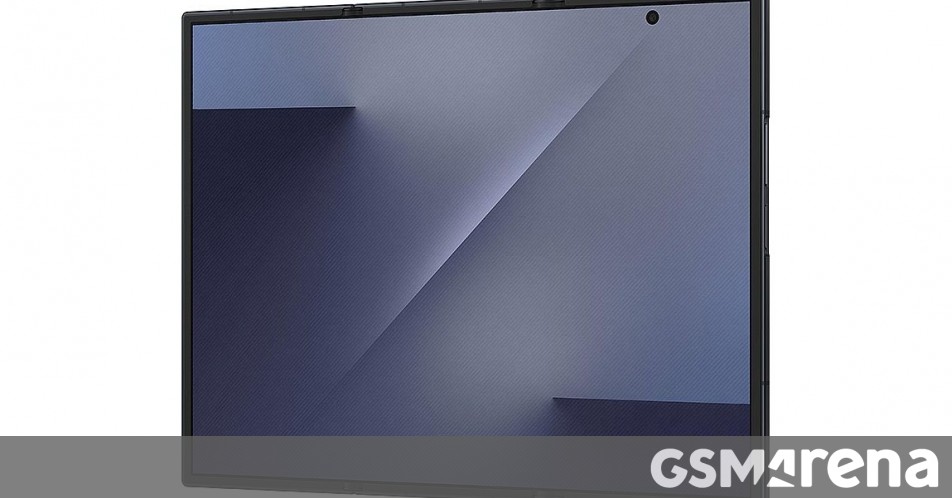
However, the excitement surrounding its innovative design and instant popularity came with an underlying financial reality. The initial purchase price of approximately $2,400 positioned the Galaxy Z TriFold squarely in the ultra-premium segment of the smartphone market. While early adopters are often willing to pay a premium for groundbreaking technology, the long-term implications of owning such a sophisticated device extend beyond the upfront cost. Questions about durability, repairability, and the potential expense of essential component replacements naturally arise. It’s in this context that the discussion around the Galaxy Z TriFold folding screen replacement cost becomes particularly relevant, transforming from a theoretical concern into a very real consideration for anyone investing in this high-end device. The initial market impact, while impressive, only tells part of the story; the full narrative includes the ongoing commitment required to maintain such advanced hardware.
The Staggering Cost of a Folding Screen Replacement
The primary concern for many Galaxy Z TriFold owners, or prospective buyers, revolves around the potential cost of repairing its most distinctive and vulnerable component: the inner folding screen. This is where the reality of cutting-edge technology truly hits home. In Korea, the cost for a complete replacement of the inner folding screen is an astonishing KRW 1,657,500. Translating this into US dollars, at current exchange rates, puts the figure at approximately $1,122. This makes the Galaxy Z TriFold folding screen replacement cost the most expensive screen repair ever recorded for a Samsung smartphone, setting a new benchmark in premium device maintenance. To put this into perspective, this single repair can cost nearly half the original purchase price of the device itself.
This unprecedented repair cost isn’t without reason. The inner folding screen of the Galaxy Z TriFold is not merely a larger version of a standard smartphone display. It incorporates highly specialized, flexible materials and intricate hinge mechanisms that allow it to fold twice without damage. The manufacturing process for such a component is immensely complex, requiring precision engineering and advanced material science. Unlike traditional rigid glass displays, foldable screens are composed of multiple layers, including a flexible polymer substrate, a protective ultra-thin glass (UTG) layer, and various other components designed to withstand repeated folding and unfolding cycles. The sheer technical sophistication involved in producing a durable and responsive triple-folding display directly contributes to its exorbitant replacement price. It underscores the fact that while the technology is captivating, its maintenance comes at a significant premium, reflecting the cutting edge of display innovation.
Galaxy Z TriFold Repair Cost Comparison
Note: All figures are approximate and subject to change based on region, service provider, and specific model variations. The Inner Folding Screen cost represents the lowest level repair price for the Galaxy Z TriFold in Korea.
Samsung’s Repair Policy and Discount Offers
Recognizing the substantial financial burden associated with a Galaxy Z TriFold folding screen replacement cost, Samsung has implemented a crucial mitigation strategy for its customers. The company offers a one-time 50% discount on screen repairs for the Galaxy Z TriFold. This is a significant concession, effectively halving the staggering $1,122 price tag to a more manageable, though still considerable, $561 for the first instance of damage. This policy acknowledges the inherent fragility and high repair cost of foldable displays, providing a much-needed safety net for early adopters. Such a discount is a clear indicator that even the manufacturer understands the financial ‘sting’ of these repairs and aims to soften the blow for its loyal customer base.
While the inner folding screen demands a premium repair price, it’s worth noting the comparative affordability of replacing the cover display. Should the smaller, external screen of the Galaxy Z TriFold suffer damage, the repair cost is significantly lower, estimated at KRW 137,000, or approximately $92. This stark contrast highlights the vast difference in complexity and material cost between a standard smartphone display and the highly advanced double-folding inner panel. The cover display, being a more conventional, rigid screen, falls within typical smartphone repair cost ranges. This distinction is crucial for owners, as it means not all screen damage will incur the same astronomical expense, offering some relief depending on which part of the device is affected. However, the primary worry, and the focus of this discussion, remains the inner folding screen and its unprecedented repair tariff, even with Samsung’s generous one-time discount.
The Technological Marvel Behind the Expense
The high Galaxy Z TriFold folding screen replacement cost is a direct consequence of the extraordinary technological advancements packed into its display. Unlike traditional smartphones, the TriFold features a primary screen that bends and folds not once, but twice, creating a larger canvas when unfolded and a compact form factor when closed. This engineering feat relies on several groundbreaking technologies and materials. At its core is a flexible OLED panel, which uses organic light-emitting diodes on a pliable substrate, typically a plastic polymer. This allows the screen to flex without cracking or losing image quality. Layered on top of this is Samsung’s Ultra-Thin Glass (UTG), a revolutionary material that is both flexible and significantly more durable than the plastic films used in earlier foldable generations. UTG provides a more premium feel and better scratch resistance, but its production is incredibly intricate and costly.
Beyond the display panel itself, the intricate hinge mechanism is another marvel of engineering that contributes significantly to both the device’s functionality and its repair cost. For a triple-folding phone, the hinge system must be robust enough to withstand tens of thousands of folds, yet precise enough to allow the screen to fold perfectly flat without creasing or damaging the delicate display layers. This involves a complex array of interlocking gears, sliding plates, and microscopic brushes designed to protect the screen from dust and debris while ensuring smooth operation. The integration of these components – the flexible display, the UTG, and the sophisticated multi-hinge system – requires highly specialized manufacturing processes in pristine, controlled environments. Any damage to this integrated system often necessitates replacing the entire display assembly, as individual components are not easily separable or repairable, driving up the overall Galaxy Z TriFold folding screen replacement cost to unprecedented levels. This technological complexity is both the device’s greatest strength and its most significant financial vulnerability.
Mitigating Risks and Protecting Your Investment
Given the substantial Galaxy Z TriFold folding screen replacement cost, proactive measures to protect the device are not just advisable but essential. Investing in robust protection from day one can significantly reduce the risk of accidental damage and the subsequent financial outlay. High-quality cases specifically designed for foldable phones are paramount. These cases often feature reinforced hinges, raised bezels to protect the screen when folded, and durable materials that absorb impact. While no case can guarantee absolute immunity from damage, a well-designed case provides a critical layer of defense against drops, bumps, and scratches that could otherwise compromise the delicate folding screen. Furthermore, some users opt for specialized screen protectors, though these must be carefully chosen to ensure compatibility with the folding mechanism and not interfere with the display’s flexibility or touch sensitivity. The goal is to minimize direct exposure of the fragile display to potential hazards.
Beyond physical accessories, exploring insurance options is another vital strategy for mitigating the financial risk associated with owning a Galaxy Z TriFold. Many carriers and third-party providers offer device protection plans that cover accidental damage, including screen breakage. While these plans come with a monthly premium and often an deductible, they can offer significant peace of mind, especially considering the high Galaxy Z TriFold folding screen replacement cost. Carefully reviewing the terms and conditions of such policies, particularly regarding coverage for foldable screens and the deductible amount, is crucial. Additionally, adopting best practices for foldable phone care can go a long way. This includes avoiding extreme temperatures, keeping the device free from dust and debris, and handling it with care, particularly when folding and unfolding. By combining physical protection, insurance, and mindful usage, owners can significantly extend the life of their Galaxy Z TriFold and reduce the likelihood of facing an expensive screen replacement.
The Future of Foldables and Repair Costs
The current high Galaxy Z TriFold folding screen replacement cost raises important questions about the future trajectory of foldable technology and its accessibility. As with any nascent technology, initial costs are typically high due to research and development, specialized manufacturing processes, and limited economies of scale. However, as the technology matures and adoption increases, these costs are expected to decrease. We’ve seen this pattern with many other innovative electronics, from flat-screen TVs to early smartphones. As more manufacturers enter the foldable market and production techniques become more refined, the cost of flexible displays and complex hinge mechanisms should gradually come down. This reduction in component cost would, in turn, lead to more affordable repair prices, making foldable phones a more viable option for a broader consumer base.
The evolution of foldable technology itself will also play a crucial role. Future generations of foldable displays may feature improved durability, more resilient materials, and even modular designs that allow for easier and cheaper component replacement. Innovations such as self-healing screen coatings or more robust hinge designs could significantly reduce the incidence of damage and the necessity for costly repairs. Furthermore, as the repair ecosystem for foldables develops, independent repair shops might gain access to components and specialized tools, potentially driving down prices through competition. While the Galaxy Z TriFold folding screen replacement cost is currently a significant barrier, it represents a snapshot of an evolving market. The long-term trend points towards greater affordability and improved repairability, making the future of foldable smartphones more sustainable and less financially daunting for the average consumer. Samsung and other manufacturers are likely to prioritize these aspects to drive wider adoption and solidify the foldable form factor as a mainstream option.
Broader Implications for the Premium Smartphone Market
The discussion around the Galaxy Z TriFold folding screen replacement cost extends beyond a single device; it has broader implications for the entire premium smartphone market. It highlights a growing tension between cutting-edge innovation and practical repairability. As devices become more sophisticated, integrating novel materials and complex mechanisms, the ease and cost of repair tend to suffer. This trend is not unique to foldables but is exacerbated by their unique design. For consumers, this means that the total cost of ownership for a premium device now includes a significant potential liability for repairs, moving beyond just the initial purchase price and ongoing subscription fees. This shift requires consumers to be more informed and proactive in their purchasing decisions, considering not only features and performance but also the long-term maintenance costs and available protection plans.
Moreover, the high repair cost of the TriFold’s folding screen sets a precedent for future ultra-premium devices. It signals that consumers embracing the very latest in mobile technology should expect to pay a premium not just for the device itself, but also for its upkeep. This could lead to a bifurcation in the market, where a segment of users is willing to absorb these high costs for access to revolutionary tech, while another segment prioritizes durability, repairability, and overall value. Manufacturers like Samsung are thus faced with the challenge of balancing innovation with consumer expectations regarding longevity and affordability of repairs. The Galaxy Z TriFold folding screen replacement cost serves as a stark reminder that while technology continues to advance at a breathtaking pace, the practical realities of owning and maintaining these sophisticated gadgets remain a significant factor in their overall appeal and widespread adoption. It reinforces the idea that the true cost of innovation often extends far beyond the initial retail price.
Conclusion: Navigating the High Cost of Foldable Innovation
The Galaxy Z TriFold stands as a testament to Samsung’s pioneering spirit in the realm of foldable technology, offering an unparalleled user experience through its innovative triple-folding display. Its immediate success upon launch underscores a strong market appetite for devices that push the boundaries of design and functionality. However, this journey into the future of mobile computing comes with a significant financial caveat: the exceptionally high Galaxy Z TriFold folding screen replacement cost. At over $1,100 for a single screen replacement, it represents the most expensive repair in Samsung’s smartphone history, a direct reflection of the cutting-edge materials and intricate engineering involved in creating such a complex, flexible display and its sophisticated hinge mechanism.
While Samsung has taken steps to mitigate this burden with a one-time 50% discount on screen repairs, the fundamental truth remains: owning a device at the forefront of technological innovation often entails a premium not just in purchase price, but also in potential maintenance. The stark contrast between the folding screen’s repair cost and that of the more conventional cover display further illustrates the technological chasm that separates these components. For