HMD Pearl Unveiled: Geekbench Reveals Pulse 2 Pro Specs
The smartphone landscape is a perpetual motion of leaks, rumors, and official announcements, keeping enthusiasts and industry watchers on their toes. Recently, an intriguing entry surfaced on the Geekbench benchmarking platform, revealing an unknown HMD device codenamed “Pearl.” This appearance has ignited considerable speculation, strongly suggesting that this mysterious device could very well be the highly anticipated HMD Pulse 2 Pro. The early insights into the HMD Pearl Geekbench Specifications provide a tantalizing glimpse into what HMD Global might be preparing for the budget and mid-range segments, offering a blend of performance and affordability that could shake up the market.
HMD Global, the company now solely responsible for HMD-branded phones, has been steadily rebuilding its portfolio, focusing on delivering reliable and accessible devices. The “Pearl” listing on Geekbench is a significant development, as benchmarks often precede official launches, providing crucial details about a device’s core hardware and software configuration. Understanding these preliminary specifications is vital for assessing its potential market position and how it stacks up against current and upcoming competitors.
Delving into the Geekbench Findings: Core Specifications Unpacked
The Geekbench 6.2.2 results for the HMD Pearl offer a clear snapshot of its internal architecture. The device was tested running Android 15, indicating HMD’s commitment to offering the latest software experience, even on its more affordable offerings. At the heart of the HMD Pearl is a Unisoc processor, a chipset manufacturer known for powering a wide array of budget-friendly smartphones globally. Specifically, the CPU configuration points towards the Unisoc T7250, characterized by its clock speeds of 2 cores at 1.82GHz and 6 cores at 1.61GHz. This setup suggests a focus on energy efficiency balanced with adequate processing power for everyday tasks.

Accompanying this processor is 4GB of RAM, a standard capacity for entry-level and some mid-range smartphones. While 4GB might seem modest in an era where 8GB or even 12GB is becoming common, it’s often sufficient for basic multitasking, web browsing, and running most social media applications without significant lag, especially when optimized with Android 15. The GPU, the Mali-G57, is integrated into the Unisoc T7250, providing graphical processing capabilities suitable for casual gaming and smooth UI navigation. These initial HMD Pearl Geekbench Specifications lay the groundwork for understanding the device’s intended performance tier.
The Unisoc T7250: A Closer Look at Performance Dynamics
The choice of the Unisoc T7250 chipset is particularly interesting when comparing it to HMD’s existing lineup. The original HMD Pulse trio, for instance, utilizes the Unisoc T606. A quick glance at Geekbench scores reveals the T606 typically achieves around 392 in single-core and 1,385 in multi-core tests. While the exact scores for the HMD Pearl with the T7250 were not explicitly detailed in the prompt, the higher clock speeds of the T7250 (1.82GHz vs. 1.6GHz for the T6xx series) inherently suggest a performance uplift. This marginal, yet noticeable, improvement could translate into a snappier user experience, faster app loading times, and more fluid transitions between applications.
Unisoc processors generally cater to the budget-conscious segment, offering a cost-effective solution without compromising too heavily on essential smartphone functionalities. The T7250, with its slightly enhanced clock speeds, aims to bridge the gap between entry-level and more capable mid-range performance. For users primarily engaging in communication, social media, light photography, and streaming, this chipset provides a perfectly capable foundation. It’s a strategic choice that allows HMD to keep production costs down while still delivering a competitive product. The continuous evolution of these chipsets is crucial for segments where every dollar counts, and performance-per-watt is a key consideration for manufacturers.
Understanding the nuances of mobile operating systems is also key to appreciating device performance. While Android 15 brings its own set of optimizations, the underlying hardware dictates the ultimate fluidity. For those interested in how different mobile operating systems evolve and what new features they bring, exploring updates like what’s coming in iOS 27 and even iOS 28 can provide a broader perspective on the competitive landscape of mobile software innovation.
Connecting the Dots: HMD Pearl and the Pulse 2 Pro Hypothesis

The most compelling aspect of the HMD Pearl’s Geekbench appearance is the strong possibility that it is, in fact, the HMD Pulse 2 Pro. Previous leaks, primarily from an online store, indicated that the Pulse 2 Pro would feature a Unisoc T615 chipset and 6GB of RAM. While the T7250 found in “Pearl” is different from the T615, there’s a plausible explanation for this discrepancy. The Unisoc T6xx and T7xx series share similar architectural characteristics and performance tiers, making it easy for early leaks or retailers to confuse specific chip models. The listed motherboard for “Pearl” was “ums9230_6h10,” which typically refers to the T606/T615/T616, further muddying the waters but also supporting the idea of a close family of chipsets.
The consistency in the Android version is another crucial piece of the puzzle. The leaked store listing for the HMD Pulse 2 Pro stated it would run Android 15 out of the box, which perfectly aligns with the Geekbench report for HMD Pearl. This synchronization in software versions significantly strengthens the hypothesis that these two devices are one and the same. The RAM capacity, however, presents a minor point of divergence. While “Pearl” was tested with 4GB of RAM, the Pulse 2 Pro leak mentioned 6GB. This isn’t necessarily a contradiction, as many smartphone models, especially in the budget segment, are often released in multiple RAM configurations to cater to different price points and market demands. The original HMD Pulse, for example, also offered both 4GB and 6GB RAM options. Therefore, an HMD Pulse 2 Pro could plausibly come in both 4GB and 6GB variants, with the 4GB version being the one tested as “Pearl.”
This strategic approach to offering multiple configurations allows HMD to target a broader audience, from users seeking the absolute minimum for essential functions to those desiring a bit more headroom for multitasking. The confluence of the Android version, the general chipset family, and the potential for varied RAM options makes the link between HMD Pearl and Pulse 2 Pro increasingly undeniable. Such a device would represent HMD’s continued effort to provide competitive options in a challenging market, much like other brands are innovating with their offerings, such as the OnePlus 15R getting a selfie camera boost, indicating a focus on specific user experiences across the board.
RAM Capacity and the Android 16 Conundrum
The 4GB RAM configuration of the HMD Pearl, if it is indeed the Pulse 2 Pro, brings into focus a critical discussion regarding future Android updates, specifically Android 16. Industry whispers and early developer insights have suggested that Android 16 might introduce a minimum RAM requirement of 6GB for the full-fat version of the operating system. If this indeed becomes a firm requirement, devices like the 4GB HMD Pearl would face a significant hurdle. They would likely be relegated to receiving Android 16 Go Edition updates, even if they initially launched with the standard Android 15.

The implications of such a policy are far-reaching. While Android Go Edition is optimized for lower-end hardware, offering a streamlined experience, it often comes with certain limitations compared to the full version. This could create a fragmented user experience and potentially shorten the perceived longevity of 4GB devices in terms of software feature parity. However, the smartphone market is dynamic, and Google’s plans are not set in stone. The recent surge in RAM pricing globally could force a reconsideration of these minimum requirements. If 4GB phones make a strong comeback due to cost pressures, Google might need to relax its stipulations to maintain market accessibility and avoid alienating a large segment of users and manufacturers.
The balance between pushing for higher performance standards and accommodating market realities is a constant challenge for platform developers. For consumers, this translates into a crucial decision point: is a 4GB device sufficient for their needs, or is investing in a 6GB (or higher) variant a safer bet for future-proofing? The answer often lies in individual usage patterns and budget constraints. This debate highlights the complexities faced by manufacturers like HMD when designing devices that need to remain relevant for several years, navigating both hardware costs and evolving software demands. The decisions made by Google regarding Android 16’s requirements will significantly shape the landscape for budget smartphones in the coming years, impacting everything from device specifications to update policies. This also relates to broader discussions around hardware for mobile devices, including tablets like the Samsung Galaxy Tab S10, where RAM and OS optimization are equally critical for performance.
HMD’s Strategy in the Competitive Smartphone Market
HMD Global has carved out a unique niche for itself in the highly competitive smartphone market. After taking over the Nokia brand, and now launching devices under its own HMD moniker, the company’s strategy has consistently revolved around offering reliable, durable, and affordable smartphones. The Pulse series, including the potential HMD Pulse 2 Pro, plays a crucial role in this strategy, targeting users who prioritize essential functionality and value for money over bleeding-edge specifications.
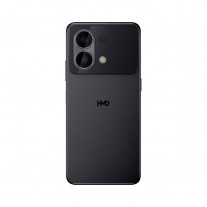
The choice of a Unisoc T7250 chipset and a 4GB/6GB RAM configuration for the HMD Pearl (Pulse 2 Pro) aligns perfectly with this philosophy. It’s about delivering a balanced experience that handles everyday tasks with ease, provides a clean Android interface, and comes at an attractive price point. In a market saturated with devices from giants like Samsung, Xiaomi, and Realme, HMD’s ability to differentiate lies in its commitment to build quality, timely software updates (within the constraints of hardware), and a straightforward user experience. The HMD Pearl Geekbench Specifications suggest a device that will fit comfortably into this strategy, appealing to a broad demographic of users who need a dependable smartphone without breaking the bank.
Furthermore, HMD’s focus on sustainability and repairability, as seen in some of its recent models, adds another layer of appeal to its brand. While not directly visible in Geekbench results, this broader brand ethos contributes to the overall value proposition. By offering devices that are easier to repair and designed to last, HMD aims to foster greater customer loyalty and reduce electronic waste. This approach resonates with an increasing number of environmentally conscious consumers. The success of the HMD Pearl/Pulse 2 Pro will depend not just on its raw performance, but on how well it integrates into HMD’s overarching strategy of delivering practical, durable, and value-driven mobile solutions. The market for affordable yet capable devices remains strong, and HMD is well-positioned to capitalize on it, much like Google’s strategy with its ecosystem, as seen with initiatives like getting a free Google Pixel Watch 3 with a Pixel 10 Pro XL, which combines devices for broader appeal.
The Role of Benchmarking in Device Evaluation
Benchmarking platforms like Geekbench serve as invaluable tools for both consumers and industry professionals. They provide a standardized way to measure a device’s raw processing power, offering quantifiable scores for single-core and multi-core performance. The single-core score primarily indicates how well a device handles tasks that rely on a single CPU core, which is crucial for the responsiveness of individual applications. The multi-core score, on the other hand, reflects a device’s ability to handle parallel processing, essential for multitasking and demanding applications that can utilize multiple cores simultaneously.

However, it’s crucial to understand that benchmarks offer only a partial view of a device’s overall performance. They are indicators of theoretical maximums and don’t always translate directly to real-world user experience. Factors such as software optimization, display refresh rate, storage speed, battery management, and the quality of other components (like cameras) play an equally significant role in how a phone feels to use. A device with slightly lower benchmark scores but superior software optimization might provide a smoother and more enjoyable experience than a device with higher scores but poorly optimized software. For example, when considering devices beyond phones, like the OnePlus Pad 3 global, its actual performance is a blend of its processor, RAM, and the specific optimizations in its tablet OS.
Despite these limitations, early benchmark leaks, like those for the HMD Pearl, are invaluable for several reasons. They allow enthusiasts to gauge the general performance tier of an upcoming device, compare it to existing models, and speculate on its market positioning. For manufacturers, benchmarks can be a tool for internal testing and competitive analysis. For consumers, they offer a starting point for research, helping to narrow down choices before considering other crucial aspects. The HMD Pearl Geekbench Specifications, therefore, provide a foundational understanding, but the full picture will only emerge with comprehensive reviews and hands-on testing once the device is officially launched.
Anticipating the Official Launch and Further Details
As the HMD Pearl continues to generate buzz, the tech community eagerly awaits its official unveiling, presumably as the HMD Pulse 2 Pro. An official launch event or press release will undoubtedly provide a wealth of information that Geekbench alone cannot. This includes confirmation of its identity, detailed specifications beyond the core chipset and RAM, and crucial details such as pricing and availability across different regions.
Beyond the raw performance data, prospective buyers will be keen to learn about the device’s camera setup. HMD has a history of offering decent camera experiences in its budget phones, and the megapixel count, sensor type, and software processing will be key factors. Battery capacity and charging speeds are also paramount for everyday usability, as users increasingly rely on their smartphones for extended periods. Display technology, including size, resolution, and refresh rate, will influence the visual experience. Furthermore, any unique features or software enhancements that HMD might bundle with Android 15 will be important for distinguishing the device in a crowded market.
The transition from a leaked benchmark entry to a fully fledged product is always an exciting period. It allows for the validation of rumors, the debunking of misinformation, and the revelation of unexpected features. For HMD Global, the launch of the HMD Pulse 2 Pro (or whatever the HMD Pearl ultimately becomes) will be a critical moment in its strategy to cement its position as a reliable provider of accessible smartphones. The market’s reception will depend on how well the final product balances its HMD Pearl Geekbench Specifications with an attractive design, competitive pricing, and a compelling user experience. Until then, the speculation fueled by these early benchmarks keeps the conversation alive and anticipation high.
Comparative Analysis: HMD Pearl’s Place Among Unisoc Offerings
To better understand the HMD Pearl’s potential, let’s look at how its presumed Unisoc T7250 chipset compares to other common Unisoc processors, particularly those found in HMD’s own lineup and competing budget devices. This table offers a quick reference for the core differences: