Unveiling the 2026 AI Skincare Revolution: Personalized Beauty
The beauty industry stands on the precipice of a monumental transformation, with AI-powered skincare poised to redefine how we understand, treat, and maintain our skin. While discussions around artificial intelligence have permeated various sectors for years, 2026 is rapidly emerging as the pivotal year when AI truly integrates into the fabric of daily skincare routines, moving from niche innovation to widespread adoption. This shift promises an era of unprecedented personalization, efficiency, and efficacy, fundamentally changing the consumer experience and industry landscape.
For decades, skincare has operated on a largely trial-and-error basis, often relying on generic product lines or a dermatologist’s expertise during a limited consultation. However, the advent of sophisticated AI algorithms, coupled with advancements in data collection and analysis, is enabling a far more precise and proactive approach. Imagine a world where your skincare regimen isn’t just “good for oily skin” but is meticulously crafted based on your unique genetic predispositions, environmental exposures, lifestyle habits, and real-time skin conditions. This is the promise of the AI-powered skincare revolution, and it’s closer than you think.

The Foundational Pillars of AI in Skincare
At its core, AI-powered skincare leverages machine learning, computer vision, and big data analytics to achieve a level of precision previously unattainable. These technologies work in concert to understand the complex interplay of factors that influence skin health, offering solutions that are dynamic and responsive.
Personalized Diagnostics: Beyond the Surface
One of the most immediate and impactful applications of AI in skincare is in diagnostics. Traditional methods often miss subtle nuances or provide generalized assessments. AI-driven devices, from smartphone apps to specialized handheld scanners, can analyze a myriad of skin parameters with incredible accuracy. These parameters include hydration levels, sebum production, pore size, wrinkle depth, pigmentation irregularities, and even the presence of underlying inflammatory conditions. By processing vast datasets of skin images and clinical information, AI can identify patterns and predict future skin concerns before they become visible to the human eye. This proactive diagnostic capability is a cornerstone of the AI-powered skincare revolution, allowing for early intervention and more effective treatment plans.
Tailored Formulations: The Bespoke Beauty Experience
Once a precise diagnosis is made, AI doesn’t stop there. It extends its influence into the very creation of skincare products. Rather than choosing from a limited range of mass-produced serums or creams, consumers will increasingly have access to formulations custom-blended specifically for their unique skin profile. AI algorithms can recommend optimal ingredient combinations, concentrations, and delivery systems based on the diagnostic data, environmental factors, and even personal preferences. This move towards truly bespoke beauty ensures that every ingredient serves a specific purpose for that individual, maximizing efficacy and minimizing waste. The promise of customized ingredients, perfectly matched to your skin’s needs, is a significant driver behind the excitement surrounding AI-powered skincare in 2026.
Key Technologies Driving the AI Skincare Shift
The rapid evolution of several technological domains is converging to make the vision of advanced AI-powered skincare a reality. Understanding these underlying technologies is crucial to appreciating the scope of this transformation.
Machine Learning for Deep Skin Analysis
Machine learning (ML) algorithms are the brains behind AI skincare. They are trained on massive datasets comprising millions of skin images, clinical records, genetic information, and environmental data. Through this training, ML models learn to recognize complex patterns, identify anomalies, and make highly accurate predictions about skin conditions and their optimal treatments. For example, an ML model can differentiate between various types of acne, identify early signs of sun damage, or even predict how a user’s skin might react to certain ingredients. This deep analytical capability forms the backbone of personalized recommendations, moving beyond superficial assessments to truly understand the skin at a cellular level.
Computer Vision in Product Application and Monitoring
Computer vision, a subset of AI, plays a crucial role in enabling devices to “see” and interpret visual data. In skincare, this translates to smart mirrors, handheld scanners, and even integrated cameras in everyday devices that can analyze skin texture, color, and features. Beyond diagnostics, computer vision can guide product application, ensuring even coverage or targeting specific areas. Future applications might even involve devices that monitor the skin’s response to products over time, providing continuous feedback to the AI system. This constant monitoring loop ensures that the AI-powered skincare regimen remains adaptable and effective, a key differentiator from traditional approaches.
Wearable Technology and AI Integration
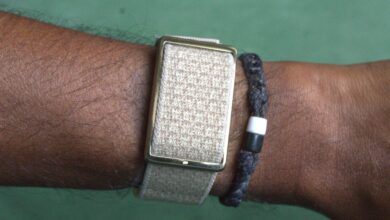
The proliferation of wearable technology is a game-changer for AI skincare. Devices like smartwatches and smart rings, such as the cutting-edge Oura Ring 4, already track vital health metrics like sleep quality, stress levels, and activity. When integrated with AI skincare platforms, this data provides a holistic view of an individual’s well-being, recognizing that skin health is intrinsically linked to internal physiological states. For instance, poor sleep or high stress can manifest on the skin, and an AI system can adjust recommendations accordingly, perhaps suggesting products that aid recovery or reduce inflammation. Similarly, advanced smartwatches such as the Garmin Venu 3S offer detailed health insights that can feed into a comprehensive AI skincare profile, making the recommendations even more precise and responsive to your body’s overall state. This convergence of personal health data and skincare intelligence is a defining characteristic of the AI-powered skincare revolution in 2026.
Comparative Overview: Traditional vs. AI-Powered Skincare
The Multifaceted Benefits for Consumers and Industry
The impact of AI-powered skincare extends far beyond just better products; it reshapes the entire beauty ecosystem, offering profound advantages for both individuals and businesses.
Unprecedented Personalization and Engagement
For consumers, the most tangible benefit is the unparalleled level of personalization. Gone are the days of guessing which products might work. AI provides data-backed recommendations that evolve with your skin, environment, and lifestyle. This leads to higher satisfaction, reduced product waste, and a more engaged relationship with one’s skincare routine. Consumers become active participants in their skin health journey, armed with insights and solutions tailored precisely to them. This shift from generic to hyper-individualized care is a hallmark of the AI-powered skincare revolution.
Enhanced Efficacy and Safety
With precise diagnostics and tailored formulations, the efficacy of skincare treatments is significantly boosted. Ingredients are chosen not just for their general benefits but for their specific interaction with an individual’s skin chemistry. This precision also enhances safety, as AI can help identify potential allergens or ingredients that might cause adverse reactions based on a user’s profile. The reduction in trial-and-error means less irritation, fewer breakouts, and overall healthier skin, faster. The ability to predict and prevent issues rather than react to them is a major leap forward.
Streamlined Product Development and Market Responsiveness
For the industry, AI offers a powerful tool for innovation. By analyzing vast amounts of consumer data, including preferences, efficacy feedback, and emerging concerns, AI can identify market gaps and accelerate product development cycles. This means brands can create highly targeted products more quickly and efficiently, responding to consumer needs with agility. Furthermore, AI can optimize supply chains, forecast demand, and even assist with quality control, leading to more sustainable and cost-effective operations. The speed of technological evolution in this space is remarkable; much like how discussions around 8K resolution highlight the rapid pace of technological innovation, AI in skincare demonstrates a similar trajectory of accelerated development and adoption.
Navigating the Challenges and Ethical Considerations
While the promise of AI-powered skincare is immense, its widespread adoption by 2026 also brings forth several challenges and ethical considerations that need careful navigation.
Data Privacy and Security: A Paramount Concern
The foundation of personalized AI skincare is personal data—skin images, health metrics, lifestyle information. Protecting this sensitive information is paramount. Consumers must trust that their data is securely stored, ethically used, and not vulnerable to breaches. Companies developing AI skincare solutions must implement robust cybersecurity measures and transparent data policies to build and maintain this trust. The industry will need to address concerns around data ownership and how this valuable personal information is managed, ensuring that privacy is upheld as a core tenet of the AI-powered skincare revolution.
Accessibility and Cost: Bridging the Divide
Initially, advanced AI skincare solutions may come with a premium price tag, potentially limiting their accessibility to a broader demographic. Ensuring that these transformative technologies do not exacerbate existing inequalities in healthcare and beauty access is crucial. As with any emerging technology, the goal should be to drive down costs through innovation and scale, making AI-powered skincare solutions affordable for everyone. The challenge lies in balancing cutting-edge research and development with the imperative of equitable access, ensuring that the benefits of this revolution are shared widely.
Regulatory Hurdles and Standardization
The rapid evolution of AI in beauty presents a complex landscape for regulators. New guidelines will be needed to ensure the safety, efficacy, and ethical deployment of AI-driven diagnostic tools and personalized formulations. Questions around claims substantiation, ingredient sourcing for custom blends, and the medical device classification of certain AI tools will need to be addressed. Establishing clear, comprehensive standards is essential for fostering consumer confidence and ensuring responsible innovation, much like the complexities of establishing universal smart home standards, as seen with Matter’s challenges in smart home interoperability. The need for a cohesive framework is clear across all emerging tech sectors.
Case Studies and What to Expect in 2026
The groundwork for the AI-powered skincare revolution is already being laid by pioneering brands and startups. By 2026, we can expect to see these early innovations mature and become more integrated into mainstream offerings.
Current Brands Leading the Charge
Numerous companies are already leveraging AI to various degrees. Brands like Proven Skincare use AI to create personalized routines based on a detailed questionnaire and environmental data. Neutrogena’s Skin360 system, with its attached scanner, provides personalized skin assessments and product recommendations. Shiseido’s Optune offers a personalized serum dispenser that adjusts formulations based on real-time skin conditions and environmental factors. These examples represent the vanguard of AI-powered skincare, demonstrating the practical application of these technologies. From advanced diagnostics using smartphone cameras to at-home devices that dispense custom-blended ingredients, the market is already showing strong signs of this transformative shift.
What to Expect from AI-Powered Skincare in 2026
By 2026, we anticipate several key developments:
- Widespread Accessibility: AI-powered diagnostic apps will be commonplace, integrated into many beauty retailers’ online and in-store experiences.
- Refined Personalization: Custom-blended products will become more sophisticated, incorporating genetic data, microbiome analysis, and even predictive analytics to anticipate future skin needs.
- Seamless Integration: Skincare routines will increasingly integrate with smart home ecosystems and AI assistants. Imagine your Alexa-enabled device reminding you to apply your personalized night serum or adjusting your smart mirror to highlight areas needing attention.
- Subscription Models: Personalized skincare subscriptions, where formulations are dynamically adjusted and delivered to your door, will become a standard offering.
- Clinical Validation: A growing body of scientific evidence will further validate the efficacy of AI-driven personalized skincare, boosting consumer and professional confidence.
The Future Beyond 2026: Predictive and Integrated Wellness
The journey of AI-powered skincare doesn’t end in 2026; that year merely marks a significant inflection point. The trajectory points towards even more integrated, predictive, and holistic approaches to beauty and wellness.
Predictive Skincare: Anticipating Tomorrow’s Needs
Beyond real-time adjustments, the next frontier for AI is predictive skincare. By analyzing long-term data—including genetic predispositions, historical skin conditions, environmental forecasts, and lifestyle patterns—AI will be able to predict future skin concerns with remarkable accuracy. This means an AI system could recommend preventive measures or adjust your regimen weeks or months in advance to mitigate potential issues like seasonal dryness, pollution-induced inflammation, or age-related changes. This proactive, foresight-driven approach will move skincare from reactive treatment to preventative maintenance, keeping skin optimally healthy over the long term.
Integrated Wellness Ecosystems: Skin as a Mirror of Health
Ultimately, AI-powered skincare will become an integral part of a broader, integrated wellness ecosystem. Your skin’s health data will seamlessly communicate with other health monitoring systems, contributing to a comprehensive profile that informs your diet, exercise, sleep, and mental well-being. This holistic approach recognizes that skin is not an isolated organ but a reflection of overall health. AI will act as the orchestrator, synthesizing data from various sources—from your fitness tracker to your smart home environment—to provide truly personalized and interconnected wellness recommendations. This vision represents the ultimate evolution of personalized beauty, where skincare is not just about aesthetics but about fostering enduring health and vitality.
Conclusion: The Dawn of a Smarter Skincare Era
The year 2026 is set to be a landmark moment for the beauty industry, signaling the undeniable arrival of the AI-powered skincare revolution. From hyper-personalized diagnostics to bespoke product formulations and adaptive treatment plans, AI is fundamentally changing how we approach skin health. While challenges related to data privacy, accessibility, and regulation remain, the benefits of enhanced efficacy, safety, and consumer engagement are too significant to ignore. As technology continues to advance, we can expect even more sophisticated predictive capabilities and deeper integration into holistic wellness ecosystems. The future of beauty is intelligent, personalized, and profoundly impactful, promising a new era where every individual can achieve their best skin, guided by the power of artificial intelligence.