Capturing Brilliance: The Best Camera Phone 2026 Revealed
The smartphone camera has evolved from a mere convenience to a sophisticated photographic tool, capable of rivaling dedicated cameras in many scenarios. As we look towards 2026, the competition for the title of the best camera phone 2026 is fiercer than ever. Manufacturers are pushing boundaries with innovative hardware, advanced computational photography, and seamless integration with AI, promising users the ability to snap the perfect shot with unprecedented ease and quality. This comprehensive guide delves into the cutting-edge technology defining the next generation of mobile photography, highlighting the top contenders and what makes them stand out in a crowded market.
For many, a smartphone is now their primary, if not sole, camera. From documenting daily life to capturing professional-grade content for social media and beyond, the demands on mobile imaging systems have never been higher. Users expect exceptional low-light performance, versatile zoom capabilities, stunning dynamic range, and video recording that can compete with traditional camcorders. The year 2026 is poised to deliver on these expectations, offering a blend of raw power and intelligent processing that will redefine what’s possible with a device that fits in your pocket.
The Evolution of Mobile Photography: A Decade of Innovation
The journey of the camera phone has been nothing short of revolutionary. From the grainy VGA sensors of early models to the multi-lens arrays and gigapixel computational engines of today, each year brings significant leaps forward. In 2026, we’re seeing the culmination of years of research and development in sensor technology, optical design, and artificial intelligence. What was once considered a novelty has become a critical feature, driving smartphone purchasing decisions for millions worldwide. This rapid evolution underscores the industry’s commitment to making every user a capable photographer.
Gone are the days when a “good” camera phone simply meant higher megapixels. Today, it’s a symphony of hardware and software working in harmony. Large sensors capture more light, advanced optics minimize distortion, and powerful processors, often with dedicated neural engines, apply sophisticated algorithms to stitch multiple exposures, enhance detail, and correct imperfections in real-time. This blend of engineering prowess ensures that the contenders for the best camera phone 2026 are not just devices, but intelligent imaging systems designed to produce stunning results effortlessly.
Key Features Defining a Top Camera Phone in 2026
Understanding what makes a camera phone truly exceptional requires looking beyond headline specifications. While megapixels still play a role, their significance has been contextualized by other crucial elements. Here are the defining characteristics that separate the leading camera phones of 2026 from the rest:
- Sensor Size and Architecture: Larger sensors, often reaching 1-inch or more, are becoming standard in flagship models, allowing for superior light gathering and natural depth of field. New stacked sensor designs also enable faster readout speeds and more advanced computational photography techniques.
- Advanced Computational Photography & AI: This is where the magic truly happens. AI-powered scene recognition, semantic segmentation, dynamic tone mapping, and intelligent noise reduction algorithms are crucial. Expect features like “ProRes” video recording and advanced “Photonic Engine” equivalents to be standard, enhancing everything from portraits to night shots.
- Versatile Optical Zoom Capabilities: Telephoto lenses with true optical zoom, often involving periscope designs, are essential. Flagship phones in 2026 will offer multiple focal lengths, including 3x, 5x, and even 10x optical zoom, complemented by advanced digital zoom that leverages AI for remarkable clarity at extended ranges.
- Video Recording Prowess: Beyond 8K resolution, emphasis is placed on cinematic features. Expect 4K 120fps across all lenses, advanced video stabilization, log profiles for professional grading, and even computational video features that apply AI enhancements in real-time, similar to how still photos are processed.
- Exceptional Low-Light Performance: The ability to capture vibrant, detailed, and noise-free images in challenging low-light conditions remains a paramount differentiator. This is achieved through a combination of large sensors, wide apertures, optical image stabilization (OIS), and sophisticated multi-frame processing.
- Display and Editing Tools: A brilliant, color-accurate display is vital for reviewing and editing photos and videos directly on the device. Furthermore, powerful on-device editing suites, often AI-assisted, allow users to fine-tune their shots without needing external software.
- Battery Life: While not directly a camera feature, robust battery life is crucial for a device designed to capture extensive photo and video content throughout the day.
Contenders for the Best Camera Phone 2026
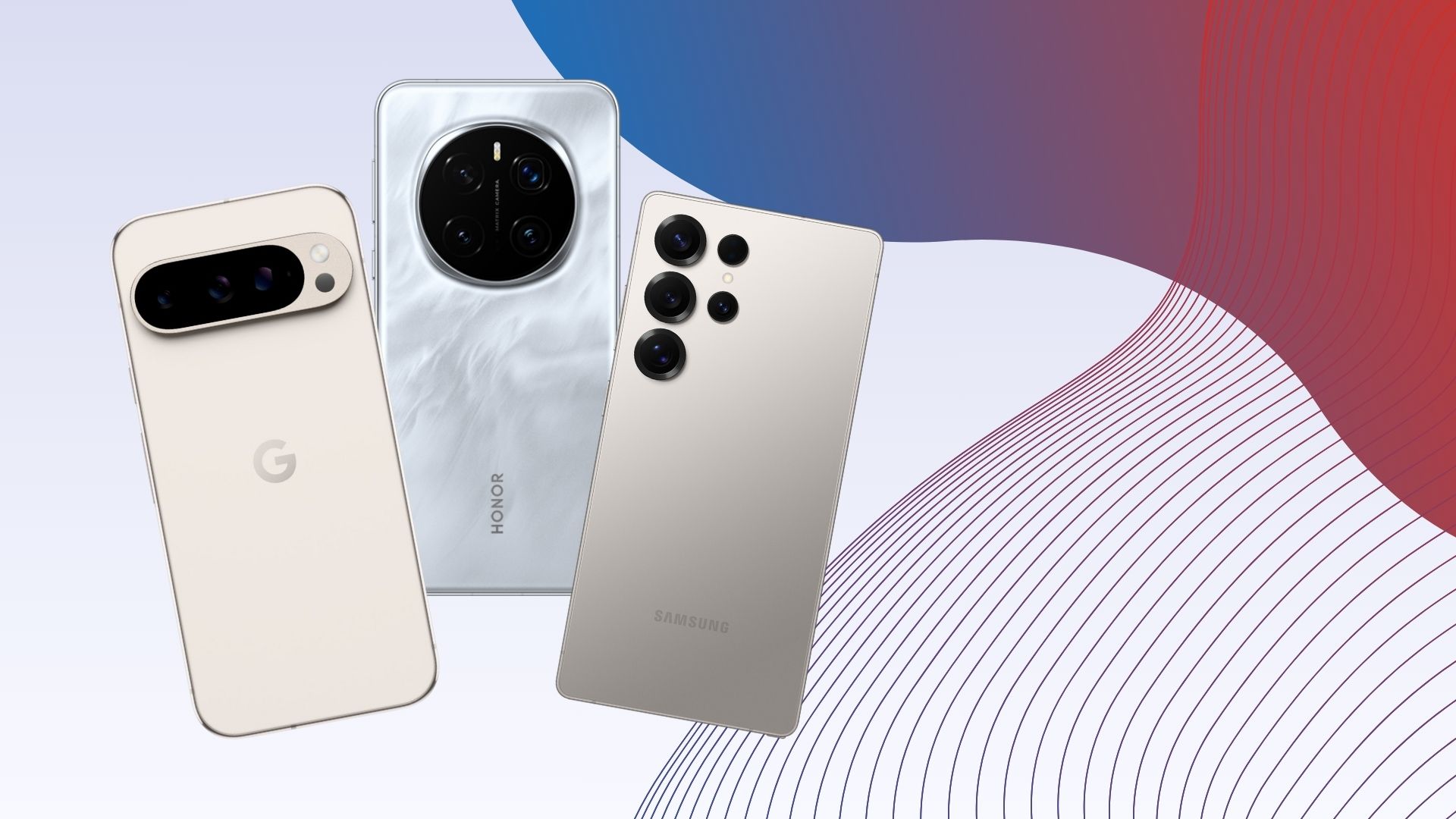
As 2026 unfolds, several manufacturers are vying for the top spot, each bringing their unique strengths to the table. While specific model names are hypothetical, the trends and technological advancements they represent are based on current trajectories and industry whispers. These are the devices poised to be recognized as the best camera phone 2026.
The Apex Innovations iPhone 18 Pro Max: Redefining Computational Clarity
The hypothetical Apex Innovations iPhone 18 Pro Max is expected to push the boundaries of computational photography further than ever before. Building on its predecessors’ strengths, this device will likely feature an even larger main sensor, potentially exceeding 1.5 inches, combined with a next-generation “Photonic X-Engine” for unparalleled image processing. Its triple-lens system would include an ultra-wide with improved macro capabilities, a versatile telephoto lens offering enhanced optical zoom, and a groundbreaking “variable aperture” system on its main sensor, allowing for more creative control over depth of field in both photos and videos. Video capabilities are expected to reach new heights with 8K 60fps ProRes recording and advanced cinematic modes that leverage AI for stunning subject tracking and background manipulation. The integration of its robust ecosystem and seamless software experience makes it a strong contender for those deeply invested in the Apex Innovations world. For enthusiasts keen on understanding the value proposition of Apple’s flagship devices, exploring insights into Apple’s smartphone pricing strategies can offer a broader perspective on their market positioning.
The Galactic Dynamics S27 Ultra: Zooming into the Future
The Galactic Dynamics S27 Ultra is anticipated to continue its legacy as the zoom king, featuring an even more refined dual-telephoto system. Imagine a 200MP main sensor capable of advanced pixel-binning for incredible detail, paired with two periscope telephoto lenses offering 5x and 10x optical zoom, respectively, alongside a new “Space Zoom 3.0” that uses advanced AI to achieve breathtaking digital magnification with surprising clarity. Its ultra-wide lens will likely boast a wider field of view and superior low-light performance. The S27 Ultra is also expected to excel in video, offering advanced “Director’s View” modes and enhanced stabilization that makes handheld footage look professionally produced. Its vibrant Dynamic AMOLED display ensures that captured content looks stunning, making it an ideal choice for content creators who prioritize versatility and reach. When considering high-value tech, making informed decisions is key, much like adopting a new mindset for significant investments, ensuring you get the best fit for your needs.
The Pixel Foundry 11 Pro: AI at the Core of Every Shot
The Pixel Foundry 11 Pro will undoubtedly leverage its deep integration with Google’s AI and machine learning prowess. While its hardware specifications might not always lead on paper, the Pixel’s strength lies in its “Computational Photography Engine 3.0” which intelligently processes every image. Expect a new generation of “Magic Eraser” and “Photo Unblur” features, alongside advanced “Real Tone” accuracy for diverse skin tones. Its camera system could feature a large primary sensor, a new ultra-wide with improved autofocus, and a telephoto lens that, while perhaps not reaching the extreme optical zoom of competitors, will use its AI to deliver exceptional hybrid zoom results. Low-light performance, particularly with its “Night Sight X” mode, is expected to be class-leading, making it an ideal choice for casual photographers who want consistently great photos without tweaking settings. The Pixel Foundry 11 Pro will likely focus on ease of use and intelligent automation, making it a strong contender for the best camera phone 2026 for those who value software over raw specs.
The LuminaTech 16 Ultra: The Professional’s Choice
The LuminaTech 16 Ultra is anticipated to be a beast designed for the most demanding photographers and videographers. This device could feature a massive 1.5-inch or even 2-inch main sensor, possibly co-engineered with a legendary camera brand, offering a true variable aperture and advanced optical stabilization. Its quad-camera setup might include two telephoto lenses (e.g., 3x and 7x optical) and an ultra-wide with a free-form lens to minimize distortion. The LuminaTech 16 Ultra would likely emphasize manual controls, offering extensive settings for ISO, shutter speed, white balance, and focus peaking, along with support for 14-bit RAW capture. Video features would be equally robust, with support for 8K 30fps and 4K 120fps across all lenses, professional color profiles, and advanced audio recording capabilities. This phone is for the purist who wants maximum control and the highest possible image quality, making it a compelling option for those seeking the best camera phone 2026 with a professional edge. Pairing such a device with a professional-grade display like the LG UltraFine Evo 6K would unlock its full potential for post-production.
Comparative Analysis: Best Camera Phone 2026 Contenders
To help visualize the distinct strengths of these hypothetical flagships, here’s a comparative overview of their expected camera capabilities:
Beyond the Specs: Software and Ecosystem
While hardware specifications are undeniably important, the true magic of the best camera phone 2026 lies in its software. The operating system, the native camera app, and the surrounding ecosystem of third-party apps and cloud services significantly enhance the user experience. A powerful camera is only as good as the software that controls it and the tools available for post-processing and sharing.
The native camera app’s interface plays a crucial role in usability. Intuitive controls, quick access to modes, and smart suggestions can make a huge difference in capturing spontaneous moments. Beyond the capture, robust on-device editing capabilities, often leveraging AI for tasks like object removal, sky replacement, or even style transfer, empower users to refine their images without transferring them to a computer. The seamless integration with cloud storage and social media platforms also ensures that sharing your perfect shots is effortless. This holistic approach, from capture to sharing, is what truly defines a top-tier camera phone experience in 2026.
Moreover, the broader ecosystem, including how the phone interacts with other smart devices, adds value. For instance, pairing a camera phone with complementary smart devices like the best fitness trackers or top running watches for athletes can create a comprehensive personal tech experience, where health data and visual memories seamlessly intertwine. This interconnectedness is a growing trend, and camera phones are at its heart, serving as the central hub for capturing and managing our digital lives.
Making Your Choice: What to Consider for Your Perfect Shot
Choosing the best camera phone 2026 isn’t a one-size-fits-all decision. Your ideal device will depend heavily on your personal needs, photography style, and how you intend to use the phone. Here are crucial factors to weigh before making your investment:
Your Photography Style and Priorities
Are you primarily a casual snapper, documenting daily life and social events? Or are you a serious enthusiast who enjoys manual controls, RAW capture, and extensive post-processing? If you frequently shoot portraits, look for phones with excellent depth sensing and natural bokeh. If landscapes are your passion, prioritize ultra-wide lenses and strong dynamic range. For wildlife or sports, zoom capabilities become paramount. Understanding your primary use cases will narrow down the options considerably.
Budget Considerations
Flagship camera phones are significant investments. While the top contenders will command premium prices, there are often excellent mid-range options that offer remarkable camera performance for their cost. Consider the long-term value, potential trade-in values, and how frequently you upgrade your device. Remember that the overall cost of ownership can extend beyond the initial purchase, including factors like accessories and potential data plan costs. While not directly related to phone costs, understanding how to manage household expenses, such as optimizing household utility costs, illustrates the broader context of consumer financial awareness.
Other Smartphone Features
A camera phone is still a phone. Consider the operating system (iOS vs. Android), overall performance, display quality for general use, battery life for daily endurance, and the ecosystem of apps and services you’re already invested in. A great camera won’t fully satisfy if the rest of the phone experience falls short of your expectations. The decision should balance camera prowess with the overall utility and user experience of the device. This comprehensive approach ensures satisfaction, much like how some consumers prefer securing their favorite content with 4K Blu-ray over the uncertainties of streaming services, prioritizing control and quality in their media consumption.
Future Trends in Camera Phones: What’s Next?
The innovation in mobile photography shows no signs of slowing down. Looking beyond 2026, we can anticipate several exciting trends that will further reshape how we capture images and videos with our phones:
- Under-Display Cameras: While present in some devices today, future iterations will likely achieve parity with traditional punch-hole cameras, offering a truly bezel-less display without compromising selfie camera quality. This will further enhance the immersive viewing and capture experience.
- Even Larger Sensors and Advanced Optics: The pursuit of larger sensors will continue, possibly leading to multi-sensor systems that combine input from various specialized sensors to create a single, incredibly detailed image. Expect more complex variable aperture systems and even liquid lenses for instant autofocus and variable focal lengths.
- Hyper-Integrated AI: AI will move beyond just processing images to actively predicting and assisting with composition, lighting, and even storytelling. Imagine an AI that suggests the best angle for a photo based on your preferences or automatically generates short video clips from your still photos.
- Computational Holography and 3D Capture: As AR/VR technologies mature, camera phones might incorporate advanced depth sensors and computational holography to capture and display truly three-dimensional content, opening up new avenues for creative expression and interaction.
- Sustainable Design and Materials: With increasing environmental awareness, future camera phones will likely prioritize sustainable manufacturing processes, recycled materials, and modular designs that allow for easier repairs and upgrades, extending the lifespan of these advanced devices.
These advancements promise an even more exciting future for mobile photography, continually blurring the lines between professional cameras and the devices we carry in our pockets. The focus will remain on making powerful tools accessible and intuitive for everyone, ensuring that snapping the perfect shot is always within reach.
Conclusion
The race for the best camera phone 2026 is not just about raw specifications; it’s a holistic competition encompassing sensor innovation, computational intelligence,