Apple iPhone 13 Pro Max: A Detailed Specs Review
The Apple iPhone 13 Pro Max, released in 2021, stands as a testament to Apple’s commitment to innovation and user experience. This device, with its impressive specifications and advanced features, quickly became a flagship model, setting a high bar for smartphones in the market. From its stunning display to its powerful processor and exceptional camera system, the iPhone 13 Pro Max offers a premium mobile experience. Let’s delve into a detailed review of its key characteristics and explore what makes it a standout device.
Display and Design
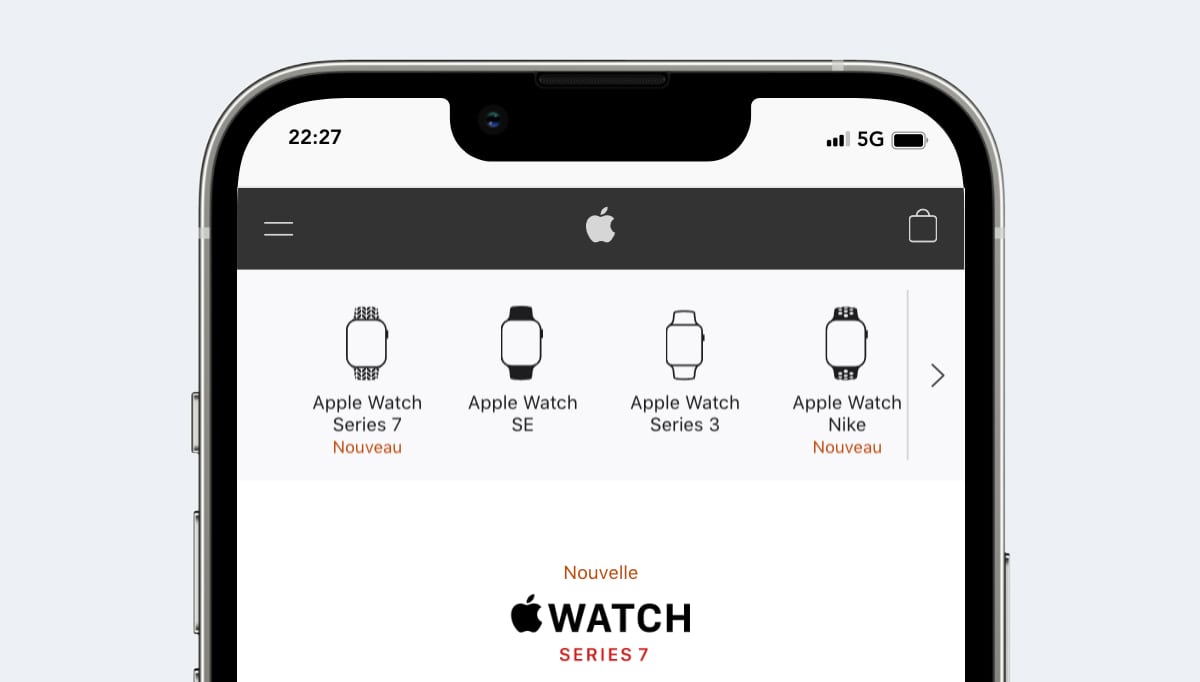
The iPhone 13 Pro Max boasts a Super Retina XDR display with ProMotion, measuring 6.7 inches diagonally. This technology allows for an adaptive refresh rate ranging from 10Hz to 120Hz, providing a fluid and responsive user experience. Whether you’re scrolling through social media, playing graphics-intensive games, or watching videos, the display dynamically adjusts to match the content, optimizing both performance and battery life. The resolution stands at 2778 x 1284 pixels at 458 ppi, ensuring sharp and vibrant visuals. The Ceramic Shield front cover offers enhanced durability, making it more resistant to drops and scratches. The surgical-grade stainless steel design adds a touch of elegance and robustness to the device.
- Display Type: Super Retina XDR with ProMotion
- Size: 6.7 inches
- Resolution: 2778 x 1284 pixels
- Pixel Density: 458 ppi
- Material: Ceramic Shield front, surgical-grade stainless steel
Performance and Processing Power
At the heart of the iPhone 13 Pro Max lies the A15 Bionic chip, a powerhouse of performance. This chip features a 6-core CPU with 2 performance cores and 4 efficiency cores, a 5-core GPU, and a 16-core Neural Engine. The A15 Bionic chip delivers exceptional processing power, enabling seamless multitasking, smooth gaming, and efficient handling of demanding applications. The Neural Engine enhances machine learning capabilities, powering features like Cinematic mode and Photographic Styles. Compared to previous generations, the A15 Bionic chip offers significant improvements in both CPU and GPU performance, making the iPhone 13 Pro Max one of the fastest smartphones available.
For users interested in exploring other advanced mobile devices, it’s worth considering a detailed feature overview of the Samsung Galaxy Z Flip3 (2021), which offers a unique foldable design and impressive specifications.
- Chip: A15 Bionic chip
- CPU: 6-core (2 performance, 4 efficiency)
- GPU: 5-core
- Neural Engine: 16-core
Camera System
The iPhone 13 Pro Max boasts a pro-grade camera system that includes three 12MP lenses: Wide, Ultra Wide, and Telephoto. The Wide camera has a larger sensor and a wider aperture, allowing for improved low-light performance. The Ultra Wide camera captures stunning landscape shots and macro photography with incredible detail. The Telephoto camera offers 3x optical zoom, enabling you to capture distant subjects with clarity. The camera system also features Sensor-shift optical image stabilization, which reduces blur and ensures sharper images and videos. Features like Cinematic mode, ProRes video recording, and Photographic Styles provide users with creative control over their photos and videos. Smart HDR 4 optimizes colors, contrast, and lighting for natural-looking images.
- Wide: 12MP, larger sensor, wider aperture
- Ultra Wide: 12MP, macro photography
- Telephoto: 12MP, 3x optical zoom
- Features: Cinematic mode, ProRes video, Photographic Styles, Smart HDR 4
Battery Life and Charging
The iPhone 13 Pro Max delivers exceptional battery life, allowing users to go through a full day of heavy usage without needing to recharge. The optimized power efficiency of the A15 Bionic chip, combined with a larger battery, contributes to its impressive battery performance. The device supports fast charging, enabling you to quickly replenish the battery when needed. It also supports MagSafe wireless charging up to 15W and Qi wireless charging up to 7.5W. The battery capacity is rated at 4352 mAh, providing ample power for various tasks and activities.
- Battery Capacity: 4352 mAh
- Charging: Fast charging, MagSafe wireless charging (15W), Qi wireless charging (7.5W)
Software and Features
The iPhone 13 Pro Max runs on iOS, Apple’s mobile operating system known for its intuitive interface, seamless performance, and robust security features. iOS offers a wide range of features and functionalities, including Siri, FaceTime, iMessage, and iCloud integration. The App Store provides access to millions of apps, catering to various needs and interests. Apple regularly releases software updates, ensuring that users have access to the latest features and security enhancements. The iPhone 13 Pro Max also supports 5G connectivity, enabling faster download and upload speeds.
- Operating System: iOS
- Connectivity: 5G
- Features: Siri, FaceTime, iMessage, iCloud integration
Storage Options and Pricing
The iPhone 13 Pro Max is available in various storage options, including 128GB, 256GB, 512GB, and 1TB. The pricing varies depending on the storage capacity and the retailer. While the iPhone 13 Pro Max is a premium device with a higher price point, its exceptional features, performance, and build quality make it a worthwhile investment for users who demand the best mobile experience. The availability of different storage options allows users to choose the capacity that best suits their needs.
When considering high-end smartphones, it’s also useful to compare features. You might find a comprehensive feature overview of the Samsung Galaxy S21 helpful in making an informed decision.
- Storage Options: 128GB, 256GB, 512GB, 1TB
Detailed Specifications Table
Here’s a detailed table summarizing the key specifications of the Apple iPhone 13 Pro Max:
The iPhone 13 Pro Max: A Look at Viewport Resolution
Understanding the viewport resolution of a device like the Apple iPhone 13 Pro Max is crucial for web designers and developers aiming to create responsive and user-friendly websites. The viewport resolution dictates the breakpoints and media queries used to adapt the website’s layout to fit the screen size. For the iPhone 13 Pro Max, the viewport resolution is approximately 428 pixels in width and 926 pixels in height. It’s important to note that the height can be indicative, as browsers like Safari and Chrome may reduce the visible area due to their interface elements.
Designers should also be aware that some analytics tools might display the manufacturer’s resolution instead of the viewport resolution, which can lead to misinterpretations. The manufacturer’s resolution for the iPhone 13 Pro Max is 1284 pixels in width and 2778 pixels in height, taking into account the device’s pixel density.
Pixel Density and CSS Targeting
The Apple iPhone 13 Pro Max has a pixel density of 3. This means that there are three physical pixels for every logical pixel, resulting in sharper and more detailed visuals. In CSS, you can target devices with a minimum pixel density of 3 using the following media query:
@media only screen and (-webkit-min-device-pixel-ratio: 3) {
/* CSS rules for high-density displays */
}
This media query ensures that your CSS styles are applied only to devices with a pixel density of 3 or higher, allowing you to optimize the appearance of your website for high-resolution displays. Similarly, in JavaScript, you can retrieve the device’s pixel density using the window.devicePixelRatio property.
Practical Applications and Examples
Let’s consider a practical example of how to use viewport resolution and pixel density in web development. Suppose you want to create a responsive image that adapts to different screen sizes and pixel densities. You can use the srcset attribute in the <img> tag to provide multiple versions of the image, each optimized for a specific screen size and pixel density.
Here’s an example:
<img src=”image-428.jpg” alt=”Responsive Image”
srcset=”image-428.jpg 428w,
image-856.jpg 856w,
image-1284.jpg 1284w”
sizes=”(max-width: 428px) 100vw,
(max-width: 856px) 50vw,
33vw”>
In this example, the srcset attribute specifies three different versions of the image, each optimized for a different screen width. The sizes attribute tells the browser which image to use based on the screen size. For example, if the screen width is less than 428 pixels, the browser will use the image-428.jpg image. If the screen width is between 428 and 856 pixels, the browser will use the image-856.jpg image, and so on.
By using the srcset and sizes attributes, you can ensure that your images look sharp and clear on all devices, regardless of their screen size and pixel density.
The Importance of Testing and Simulation
Testing your website on different devices is crucial to ensure that it looks and functions correctly. Apple provides a simulator that allows developers to test their websites on various iPhone models, including the iPhone 13 Pro Max. The simulator accurately emulates the device’s screen size, resolution, and pixel density, providing a realistic testing environment.
In addition to the simulator, you can also use browser extensions to test your website’s responsiveness. These extensions allow you to quickly switch between different screen sizes and resolutions, making it easy to identify and fix any layout issues.
For developers looking to explore other cutting-edge devices, the Microsoft Surface Duo features a unique dual-screen design. Understanding its specifications can be very beneficial.
Challenges and Considerations
While the iPhone 13 Pro Max offers a fantastic user experience, there are some challenges and considerations to keep in mind. The large screen size may not be suitable for users with smaller hands. The high price point may be a barrier for some potential buyers. Additionally, the lack of expandable storage may be a limitation for users who need more storage space.
Despite these challenges, the iPhone 13 Pro Max remains one of the best smartphones available, offering a combination of performance, features, and design that is hard to beat.
Comparison with Other Devices
When considering the iPhone 13 Pro Max, it’s helpful to compare it with other flagship smartphones in the market. The Samsung Galaxy S21, for example, offers a similar set of features and specifications. However, the iPhone 13 Pro Max has a larger display, a more powerful processor, and a more advanced camera system. The Samsung Galaxy S21, on the other hand, has a lower price point and a more compact design.
Ultimately, the best smartphone for you will depend on your individual needs and preferences. If you prioritize performance, features, and design, the iPhone 13 Pro Max is an excellent choice. If you prioritize price and portability, the Samsung Galaxy S21 may be a better option. It’s always useful to do a deep dive analysis on the Samsung Galaxy S21 features to fully understand its capabilities.
Future Trends and Developments
As technology continues to evolve, we can expect to see even more advanced features and capabilities in future smartphones. Foldable displays, under-display cameras, and enhanced augmented reality capabilities are just some of the trends that are likely to shape the future of mobile devices. Apple is expected to continue pushing the boundaries of innovation, delivering cutting-edge products that redefine the mobile experience.
The Lasting Impact of the iPhone 13 Pro Max
The Apple iPhone 13 Pro Max has undoubtedly left a lasting impact on the smartphone industry. Its advanced features, powerful performance, and stunning design have set a new standard for flagship devices. Whether you’re a professional photographer, a mobile gamer, or simply a user who demands the best mobile experience, the iPhone 13 Pro Max is a device that is sure to impress. Its influence can be seen in subsequent phone releases and serves as a benchmark for other companies. For example, Xiaomi Redmi Note 9 Pro shares similar characteristics and provides an interesting comparison point.