iPhone Satellite Connectivity: 5 Game-Changing Features Coming Soon
The tech world is often captivated by the latest trends, and in recent years, Artificial Intelligence (AI) has undoubtedly taken center stage. However, amidst the AI hype, it’s crucial to recognize other technological advancements that hold immense potential to transform our daily lives. Satellite connectivity is one such innovation, poised to revolutionize how we stay connected, especially when traditional cellular networks fall short. For years, losing cell signal meant being cut off from the world, rendering our mobile devices virtually useless. But with satellite connectivity, the ability to make calls and send texts remains, provided a satellite is within range. The implications are profound, offering both convenience and enhanced safety.
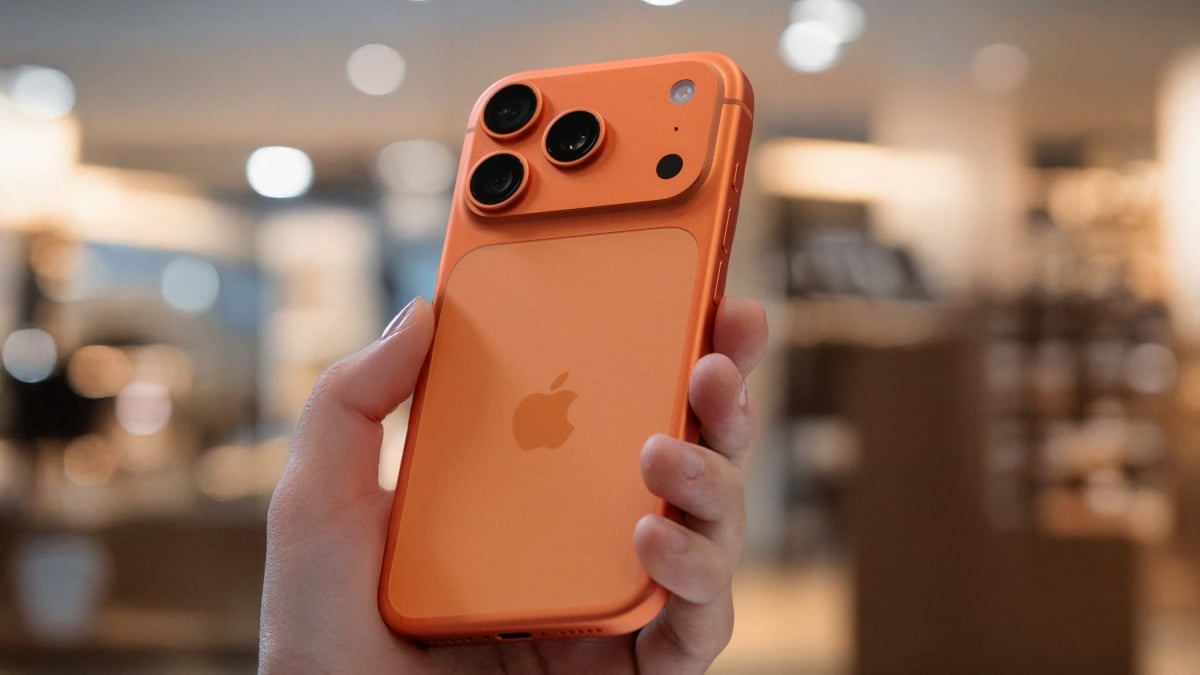
Currently, only a few companies are at the forefront of driving satellite connectivity in consumer technology. T-Mobile, through its partnership with Starlink, is one of the leading carriers providing satellite communication services to its subscribers. However, if you own an iPhone, you don’t necessarily need T-Mobile to access satellite connectivity. Since 2022, Apple has been diligently integrating satellite capabilities into its iPhones, starting with the groundbreaking Emergency SOS via Satellite feature. This allows users to contact emergency services even when out of cellular range. Furthermore, with the upcoming iOS 18, Apple plans to introduce general satellite messaging, expanding the possibilities of staying connected in remote locations.
Whether you’re a T-Mobile customer, an iPhone user, or both, the ability to send a text message from a remote area, given a clear line of sight to a satellite overhead, is truly remarkable. According to Bloomberg’s Mark Gurman, Apple has ambitious plans to significantly expand the iPhone’s satellite connectivity capabilities. Let’s delve into the five game-changing satellite features that Apple is reportedly developing for the iPhone.
1. Enhanced “Natural Usage” with Improved Satellite Signal Acquisition
One of the most significant improvements Apple is focusing on is enhancing the “natural usage” of satellite connectivity. Currently, a major limitation is the requirement for an unobstructed view of the sky. While the technology works flawlessly with a clear path between the iPhone and the satellite, obstacles such as trees or buildings can severely hinder the signal. Apple is actively working on solutions to overcome this challenge, allowing satellite connections even in less-than-ideal conditions.
This improvement could involve advanced signal processing techniques, more powerful antennas, or a combination of both. Imagine being able to send a message from inside a building near a window or from a slightly wooded area without having to move to find a perfectly clear spot. This enhanced signal acquisition would dramatically increase the usability of satellite connectivity in everyday situations.
The potential here is enormous. Today, users often struggle to get a reliable signal, requiring them to move around and find an open space. By improving “natural usage”, Apple is aiming to make satellite connectivity a seamless and reliable option, regardless of the environment. This will make the feature far more appealing and practical for a wider range of users.
2. Expanded Global Coverage for Seamless Connectivity
Another key area of development is expanding the global coverage of iPhone satellite connectivity. Currently, the service is available in a limited number of countries. Apple aims to broaden this coverage, ensuring that users can rely on satellite connectivity no matter where they are in the world. This expansion requires partnerships with more satellite providers and regulatory approvals in various countries.
Imagine traveling to a remote part of the world and knowing that you can still stay connected, even if local cellular networks are unavailable. This is the promise of expanded global coverage. Whether you’re hiking in the Himalayas, sailing the Pacific, or exploring the Amazon rainforest, you’ll have the peace of mind knowing that you can reach out for help or stay in touch with loved ones.
Achieving truly global coverage is a complex and expensive undertaking, but it’s a critical step in making satellite connectivity a mainstream feature. As Apple expands its reach, more users will be able to benefit from this life-saving technology. For example, if you’re considering upgrading your device, you might also want to check out the latest deals on accessories like AirPods, which often enhance the overall iPhone experience.
3. Enhanced Messaging Capabilities: Beyond Emergency SOS
While the initial focus of iPhone satellite connectivity was on Emergency SOS, Apple is now looking to expand the messaging capabilities. The goal is to allow users to send and receive regular text messages via satellite, not just emergency communications. This would open up a whole new world of possibilities, allowing users to stay connected with friends, family, and colleagues even when out of cellular range.
This enhanced messaging could include features such as sending short text messages, sharing location information, and even sending basic multimedia messages like photos. While satellite bandwidth is limited, Apple could optimize data usage to allow for efficient communication. Imagine being able to send a quick update to your family while camping in a remote national park or coordinating with your team during a wilderness expedition.
The potential applications are vast. From keeping in touch with loved ones during international travel to coordinating disaster relief efforts in areas with damaged infrastructure, enhanced messaging capabilities would make the iPhone an even more valuable tool for staying connected in challenging situations. This also opens up the possibility of using satellite connectivity as a backup when cellular networks are congested or unreliable.
4. Integration with Apple Services: Seamless User Experience
Apple is known for its seamless integration of hardware and software, and satellite connectivity is no exception. The company is working to integrate satellite features directly into its existing services, such as iMessage and Maps. This would provide a unified and intuitive user experience, making it easy for users to access satellite connectivity without having to use separate apps or services.
Imagine being able to switch seamlessly between cellular and satellite connectivity within the iMessage app, depending on signal availability. Or being able to share your location with friends via satellite using Apple Maps, even when you’re off the grid. This level of integration would make satellite connectivity a natural extension of the iPhone’s existing capabilities, rather than a separate add-on.
This integration could also extend to other Apple services, such as Find My. Imagine being able to locate a lost iPhone via satellite, even if it’s out of cellular range. This would provide an extra layer of security and peace of mind, especially for users who frequently travel to remote areas. By seamlessly integrating satellite connectivity into its ecosystem, Apple is making it easier and more convenient for users to stay connected, no matter where they are.
5. Third-Party App Support: Expanding the Ecosystem
Finally, Apple is reportedly considering opening up satellite connectivity to third-party app developers. This would allow developers to create innovative new apps and services that leverage satellite connectivity, further expanding the iPhone’s capabilities. This could include apps for navigation, weather forecasting, emergency communication, and more.
Imagine a hiking app that uses satellite connectivity to provide real-time weather updates and navigation assistance in remote areas. Or an emergency communication app that allows users to send distress signals and share their location with rescue services via satellite. By opening up satellite connectivity to third-party developers, Apple is fostering innovation and creating a vibrant ecosystem of satellite-enabled apps.
This move would also allow developers to tailor satellite connectivity to specific use cases. For example, a scientific research app could use satellite connectivity to transmit data from remote field locations, while a logistics app could use it to track shipments in areas with limited cellular coverage. By empowering developers to build on its satellite platform, Apple is unlocking a vast potential for new and exciting applications.
The Impact of Enhanced iPhone Satellite Features
The five new satellite features that Apple is reportedly developing for the iPhone have the potential to revolutionize how we stay connected. By improving signal acquisition, expanding global coverage, enhancing messaging capabilities, integrating with Apple services, and opening up to third-party developers, Apple is making satellite connectivity a more practical and valuable tool for iPhone users.
These improvements will have a significant impact on a wide range of users, from outdoor enthusiasts and international travelers to emergency responders and remote workers. Whether you’re hiking in the wilderness, sailing the open seas, or simply living in an area with unreliable cellular coverage, satellite connectivity will provide a lifeline to the outside world. For those who enjoy outdoor activities, it’s worth noting that the features of devices like the Samsung Galaxy J4, while different, also cater to connectivity needs in various environments.
The enhanced features will also have broader implications for society as a whole. In times of natural disasters or other emergencies, satellite connectivity can provide a critical communication channel when traditional networks are down. It can also help bridge the digital divide by providing connectivity to underserved communities in remote areas. By making satellite connectivity more accessible and affordable, Apple is contributing to a more connected and resilient world.
Challenges and Future Directions
While Apple’s plans for iPhone satellite connectivity are exciting, there are still challenges to overcome. One of the biggest challenges is the limited bandwidth of satellite networks. Sending large amounts of data via satellite can be slow and expensive. Apple will need to optimize data usage and prioritize essential communications to ensure a smooth user experience. Another challenge is regulatory hurdles. Getting approval to operate satellite services in different countries can be a complex and time-consuming process.
Despite these challenges, the future of satellite connectivity looks bright. As satellite technology continues to evolve, we can expect to see even faster speeds, lower latency, and wider coverage. New satellite constellations, such as Starlink and Kuiper, are promising to provide global broadband connectivity at affordable prices. Apple is well-positioned to take advantage of these advancements and continue to push the boundaries of what’s possible with satellite connectivity on the iPhone.
In the coming years, we can expect to see even more innovative applications of satellite connectivity. From autonomous vehicles and drone delivery to remote healthcare and precision agriculture, satellite connectivity will play a key role in shaping the future of technology. As Apple continues to invest in satellite technology, the iPhone will remain at the forefront of this exciting revolution.
In conclusion, Apple’s focus on enhancing iPhone satellite connectivity signifies a major step forward in mobile communication. By addressing current limitations and expanding the capabilities of this technology, Apple is not only improving the user experience but also paving the way for a more connected and resilient future. The five new features promise to transform how we use our iPhones in remote and challenging environments, ensuring that we can stay connected when it matters most.