Unveiling the Samsung Galaxy On8: Key Features and Specifications
The Samsung Galaxy On8 emerged as a notable contender in the competitive mid-range smartphone market, designed to offer a compelling blend of performance, display quality, and camera capabilities without demanding a premium price tag. Launched as part of Samsung’s ‘On’ series, which primarily focused on online sales channels, the Galaxy On8 aimed to cater to users seeking a reliable device for multimedia consumption, social networking, and everyday tasks. This article delves deep into the comprehensive Samsung Galaxy On8 features and specifications, exploring how it stood out in its segment and what made it a popular choice for many.
From its vibrant display to its capable camera system and robust internal hardware, the Galaxy On8 was engineered with the modern smartphone user in mind. Understanding its core attributes provides valuable insight into Samsung’s strategy for the mid-tier market, emphasizing user experience and accessible technology. We will dissect each critical component, from the screen’s resolution and pixel density to its processing power, battery life, and the nuances of its software experience, offering a holistic view of this device.
Understanding the Samsung Galaxy On8’s Display Excellence
One of the most striking Samsung Galaxy On8 features is undoubtedly its display. Samsung has long been a pioneer in display technology, and the Galaxy On8 benefited immensely from this expertise, incorporating a Super AMOLED panel. This choice of display technology is significant as Super AMOLED screens are renowned for their vivid colors, deep blacks, and excellent contrast ratios, providing an immersive viewing experience that often surpasses what is found in other mid-range devices utilizing LCD technology.
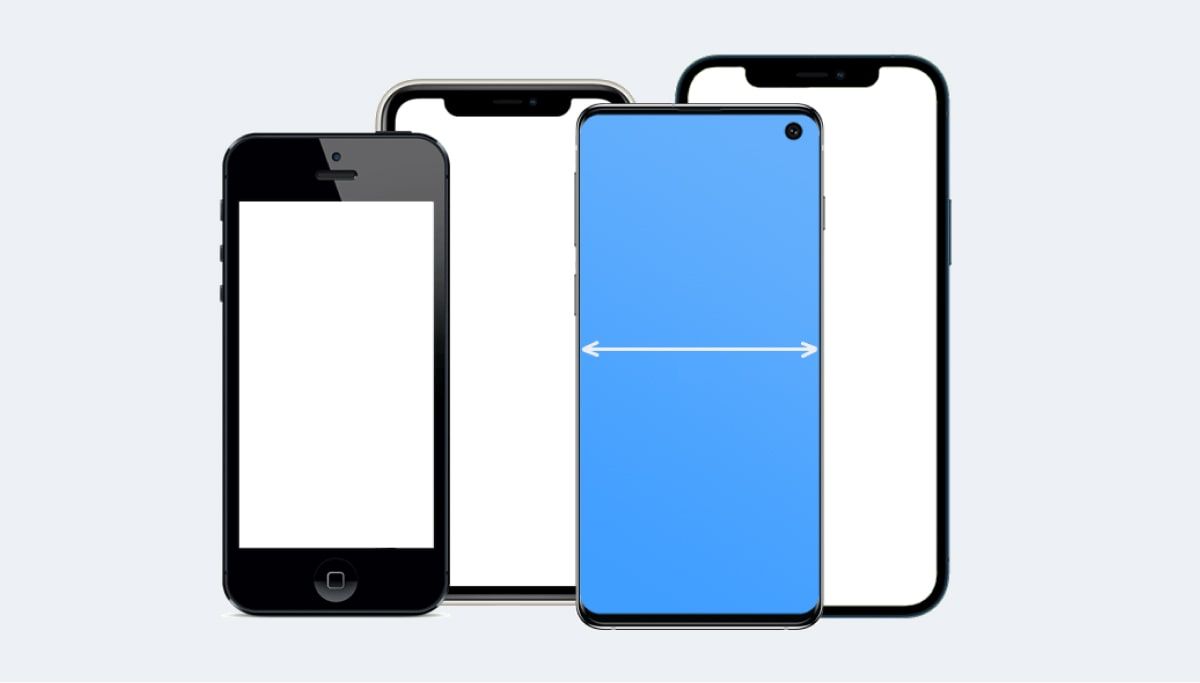
The Galaxy On8 typically featured a 5.5-inch Full HD (1920 x 1080 pixels) display, which translates to a pixel density of approximately 401 pixels per inch (PPI). This high pixel density ensures sharp text and crisp images, making it ideal for everything from reading e-books and browsing the web to watching high-definition videos and playing graphics-intensive games. The vibrancy of the Super AMOLED panel truly made content pop, enhancing the overall multimedia experience. Furthermore, the excellent viewing angles characteristic of Super AMOLED displays meant that content remained clear and color-accurate even when viewed from oblique positions, a crucial factor for shared viewing experiences.
Beyond the raw specifications, the user experience offered by the display was paramount. The Super AMOLED technology also contributes to better power efficiency compared to traditional LCDs, especially when displaying darker content, as individual pixels can be completely turned off to produce true black. This contributes to the device’s overall battery longevity, an important consideration for any smartphone user. The touch response was typically fluid and accurate, ensuring a seamless interaction with the user interface and applications. For those interested in display technologies, understanding the advancements in OLED display technology offers a broader perspective on current and future trends in screen development.
Viewport Resolution and Pixel Density Explained
When discussing displays, two critical aspects often come up: viewport resolution and pixel density. For the Samsung Galaxy On8, the viewport resolution, which is the effective resolution designers and developers primarily work with for responsive web design and app layouts, typically measured around 360 pixels in width and 640 pixels in height. This resolution is crucial for determining breakpoints and defining media queries in CSS, influencing how web content adapts to the device’s screen. It’s important to note that the height can be indicative, as browsers like Safari and Chrome often reduce the visible area, leading to slight variations in reported height.
The pixel density, on the other hand, refers to the number of physical pixels within a given area of the screen. For the Samsung Galaxy On8, the device pixel ratio (DPR) or pixel density was notably high, often around 3. This means that for every “logical” pixel in the viewport, there are three physical pixels on the screen. This high density contributes significantly to the display’s sharpness, making individual pixels virtually indistinguishable to the naked eye. Developers can target devices with a minimum pixel density using media queries in CSS, for example, @media only screen and (-webkit-min-device-pixel-ratio: 3) to serve high-resolution assets. Similarly, JavaScript allows developers to retrieve this value using window.devicePixelRatio, enabling dynamic content scaling.
Combining the high pixel density with the Full HD resolution results in a stunning visual experience. The actual “constructor resolution” of the Samsung Galaxy On8, factoring in its pixel density, was 1080 pixels in width and 1920 pixels in height. This is the raw number of physical pixels on the screen. The distinction between viewport resolution and constructor resolution is vital for anyone involved in digital content creation or web development, ensuring content is optimized for various screen types and densities.
Performance and Hardware: The Engine Behind the Samsung Galaxy On8 Features
Beyond its impressive display, the internal hardware of the Samsung Galaxy On8 played a pivotal role in its overall performance. At its core, the device was typically powered by a capable processor, often an octa-core chipset, which was designed to handle a variety of tasks efficiently, from casual browsing and social media to more demanding applications and mobile gaming. The specific chipset could vary by region, but generally, it belonged to Samsung’s Exynos or a comparable Snapdragon series, optimized for balance between power and battery consumption.
Complementing the processor was a generous amount of RAM, usually 3GB, which allowed for smooth multitasking and quick app switching. Users could keep multiple applications open in the background without experiencing significant slowdowns, contributing to a fluid and responsive user experience. For storage, the Galaxy On8 typically offered 16GB or 32GB of internal memory, which, while sufficient for basic users, could be expanded further via a dedicated microSD card slot. This expandability was a crucial Samsung Galaxy On8 feature, offering flexibility for users who needed more space for photos, videos, and applications without relying solely on cloud storage.
The device’s battery life was another key aspect of its performance. Equipped with a substantial non-removable battery, often in the range of 3300 mAh, the Galaxy On8 was designed to last a full day on a single charge under moderate usage. This was further enhanced by software optimizations and the power-efficient Super AMOLED display and chipset. The combination of a robust processor, ample RAM, expandable storage, and long-lasting battery made the Galaxy On8 a reliable daily driver for its target audience.
Key Hardware Specifications at a Glance
To provide a clear overview, here’s a table summarizing the typical key hardware specifications of the Samsung Galaxy On8. Please note that exact specifications might vary slightly based on region and specific model iterations.
Camera Capabilities: Capturing Moments with Samsung Galaxy On8
Photography has become an indispensable part of the smartphone experience, and the Samsung Galaxy On8 did not disappoint in this regard. The device was equipped with a respectable camera setup for its price segment, allowing users to capture memorable moments with clarity and detail. The primary rear camera typically featured a 13-megapixel sensor with an f/1.9 aperture. This wide aperture was particularly beneficial for low-light photography, allowing more light to reach the sensor and resulting in brighter, clearer images even in challenging conditions. The camera also supported autofocus, ensuring subjects were sharp, and was accompanied by an LED flash for additional illumination when needed.
The camera software was also a crucial aspect of the Samsung Galaxy On8 features. It typically included various modes and filters, such as Panorama, Pro Mode (for manual control over settings like ISO and white balance), and Beauty Mode, catering to different photography styles and preferences. Video recording capabilities usually extended to Full HD (1080p) at 30 frames per second, providing decent quality for casual video capture and sharing. For users looking to compare against other Samsung devices of a similar era, exploring the key features and specifications of the Samsung Galaxy J7 or the key features of the Samsung Galaxy J7 Prime can offer interesting insights into Samsung’s broader camera strategies for its mid-range lineup.
For selfies and video calls, the Galaxy On8 was equipped with a 5-megapixel front-facing camera, also featuring an f/1.9 aperture. This made it a strong performer in its class for front camera photography, especially in less-than-ideal lighting. The inclusion of a front LED flash was a particularly thoughtful addition, ensuring that selfies remained well-lit and vibrant even in dimly lit environments, a feature not always found in mid-range smartphones. This focus on both front and rear camera performance highlighted Samsung’s commitment to providing a comprehensive photographic experience to its users.
Software Experience: Android and Samsung’s Touch
The software experience on the Samsung Galaxy On8 was driven by Android, typically starting with Android Marshmallow (6.0) and often receiving updates to newer versions like Android Nougat (7.0). Running atop Android was Samsung’s custom user interface, which at the time was often referred to as TouchWiz, later evolving into Samsung Experience and then One UI. This custom overlay provided a distinct visual aesthetic and added a suite of proprietary features and applications that enhanced the core Android experience.
Samsung’s UI offered a range of customizations, from themes and icon packs to specific gestures and modes. Features like Split Screen multitasking allowed users to run two apps simultaneously, leveraging the large 5.5-inch display for increased productivity. The device also came with a selection of pre-installed Samsung applications, including Samsung Health, Smart Manager for device optimization, and various productivity tools. While some users preferred a stock Android experience, Samsung’s overlay brought additional functionalities and a consistent brand identity that many found appealing. The consistent updates and optimizations ensured that the Samsung Galaxy On8 features remained relevant and performed smoothly over time.
The optimization of software with hardware is crucial for a seamless user experience. Samsung’s integration ensured that the octa-core processor and 3GB RAM worked harmoniously with the operating system, providing a responsive interface, smooth animations, and efficient app management. This holistic approach to hardware and software design is a hallmark of Samsung’s strategy, aiming to deliver a polished and reliable device for everyday use. For those interested in how other manufacturers approach their software, a look into the key features and specifications of the LG G5 can offer an interesting comparison of Android customization.
Connectivity and Sensors: Staying Connected and Secure
In today’s interconnected world, robust connectivity options are non-negotiable for any smartphone, and the Samsung Galaxy On8 was well-equipped in this regard. It supported 4G LTE connectivity, ensuring fast mobile data speeds for browsing, streaming, and online gaming. This was a critical Samsung Galaxy On8 feature for users who relied heavily on mobile internet. Beyond cellular data, the device included standard Wi-Fi (802.11 b/g/n) for connecting to wireless networks, Bluetooth 4.1 for pairing with accessories like headphones and smartwatches, and GPS for navigation and location-based services.
The physical connectivity included a Micro-USB port for charging and data transfer, and a 3.5mm headphone jack, a feature that was still standard at the time and appreciated by users who preferred wired audio solutions. The device typically supported dual SIM functionality, allowing users to manage two phone numbers or separate personal and professional contacts on a single device, which was a significant convenience for many.
In terms of sensors, the Galaxy On8 usually incorporated an accelerometer for screen rotation and motion sensing, a proximity sensor for turning off the display during calls, and an ambient light sensor for automatic brightness adjustment. While a fingerprint sensor was not universally present across all iterations or regions of the On8, some versions did include it, providing an added layer of security and convenience for unlocking the device and authenticating payments. The inclusion of these sensors, even in a mid-range device, underscored Samsung’s commitment to providing a comprehensive smartphone experience. For those exploring other mid-range options, a detailed look at the HTC Desire 628’s features might offer a different perspective on connectivity and sensor packages.
Design and Build Quality: Aesthetics and Ergonomics of the Samsung Galaxy On8
The design of the Samsung Galaxy On8 followed Samsung’s established aesthetic for its mid-range devices, often featuring a sleek and minimalist profile. While it typically utilized a plastic build, the finishes were often premium-looking, sometimes incorporating a metallic frame or textured back cover to enhance grip and tactile feel. The device’s dimensions were generally around 151.7 x 76 x 7.8 mm, making it relatively slim and manageable despite its 5.5-inch display. The weight was also kept reasonable, contributing to comfortable single-handed use and portability.
Ergonomics played a significant role in the design. The rounded corners and gently curved edges ensured a comfortable fit in the hand, reducing fatigue during extended use. The physical buttons – power/lock and volume rockers – were usually placed on the right side, within easy reach of the thumb or index finger. The front panel was dominated by the Super AMOLED display, with minimal bezels for the era, and typically featured a physical home button (which sometimes integrated the fingerprint sensor) flanked by capacitive navigation keys. This design language was familiar to many Samsung users and offered a sense of continuity across its product lines.
The build quality, while not matching the glass and metal construction of flagship devices, was robust enough to withstand daily wear and tear. The choice of materials helped keep the device’s cost down, making the impressive Samsung Galaxy On8 features accessible to a wider audience. The overall aesthetic was clean and elegant, available in various color options like black, white, and gold, allowing users to choose a style that suited their preference. This thoughtful combination of design, materials, and ergonomics contributed to a device that was not only functional but also pleasant to hold and behold.
User Experience and Daily Usage: Living with the Samsung Galaxy On8
In practical terms, how did the Samsung Galaxy On8 perform in daily usage? The combination of its Super AMOLED display, octa-core processor, and 3GB RAM translated into a smooth and enjoyable user experience for most everyday tasks. Browsing the web, checking emails, scrolling through social media feeds, and watching videos on platforms like YouTube and Netflix were all handled with ease. The vibrant display made multimedia consumption a pleasure, offering rich colors and excellent contrast, whether indoors or outdoors.
Gaming performance was generally good for casual and moderately demanding titles. While it might not have pushed the highest graphics settings on the most intensive games, it provided a fluid experience for popular mobile games. The battery life, thanks to the 3300 mAh cell and power-efficient components, was a strong point, allowing many users to get through a full day without needing a recharge. This reliability was a key aspect of the Samsung Galaxy On8 features that resonated with users who needed a dependable device.
The camera performance was also a highlight for its segment. The 13MP rear camera produced detailed and color-accurate photos in good lighting, and the wide f/1.9 aperture helped immensely in low-light scenarios. The front camera, with its own LED flash, was a boon for selfie enthusiasts. Call quality was clear, and connectivity remained stable across 4G LTE and Wi-Fi networks. The dual SIM functionality proved particularly useful for those managing multiple connections. Overall, the Galaxy On8 offered a well-rounded and satisfying experience, proving to be a highly capable mid-range smartphone that delivered on its promise of accessible technology.
Market Positioning and Value Proposition
The Samsung Galaxy On8 was strategically positioned in the market to offer maximum value for its price. It targeted users who sought premium features, especially a high-quality display and a capable camera, but were not willing to invest in a flagship device. By focusing on online sales, Samsung was able to streamline distribution and offer the device at a competitive price point, making its advanced Samsung Galaxy On8 features more accessible. This strategy allowed it to compete effectively against other mid-range offerings from various brands, carving out a significant niche for itself.
Its value proposition was built on delivering a strong multimedia experience, reliable performance for daily tasks, and a dependable camera system, all packaged within an attractive design. For consumers, this meant getting a device that felt premium in many aspects without the premium price tag. The expandable storage and dual SIM support further added to its appeal, addressing practical needs of a broad user base. In a market often saturated with choices, the Galaxy On8 stood out by offering a compelling balance of specifications and real-world utility.
Understanding the market dynamics and the competitive landscape is crucial. While we’re discussing the On8, it’s worth noting that the broader tech market is constantly evolving, with new products and deals emerging regularly. For those looking to stay updated on consumer electronics, keeping an eye on top tech sales and deals available this week can be beneficial, encompassing everything from smartphones to laptops like those found in unbeatable Lenovo laptop deals during major sales events. This broader context helps in appreciating the value a device like the Galaxy On8 brought to its segment.
Conclusion: The Enduring Legacy of the Samsung Galaxy On8
The Samsung Galaxy On8, with its impressive array of Samsung Galaxy On8 features and specifications, cemented its place as a significant offering in the mid-range smartphone market. Its Super AMOLED Full HD display offered an unparalleled visual experience for its class, making it a standout choice for multimedia enthusiasts. The robust internal hardware, including an efficient octa-core processor and ample RAM, ensured smooth performance across a wide range of applications and daily tasks, backed by a battery that reliably lasted through the day.
The device’s camera system, featuring a 13-megapixel rear camera with a wide aperture and a 5-megapixel front camera with its own LED flash, provided versatile photography capabilities that catered to both casual users and selfie lovers. Coupled with Samsung’s feature-rich Android-