Apple iPhone 16 (2024): Specs & Features Preview
The Apple iPhone 16 (2024) is generating considerable buzz, and for good reason. While official details remain under wraps, leaks and informed speculation provide a tantalizing glimpse into what we can expect from Apple’s next flagship smartphone. This article delves into the anticipated specifications, features, and innovations that could define the iPhone 16 experience. From potential camera upgrades to processor enhancements and display refinements, we’ll explore the key areas where Apple is likely to push the boundaries of mobile technology. The iPhone 15 introduced several key features, and this analysis will build upon that foundation.
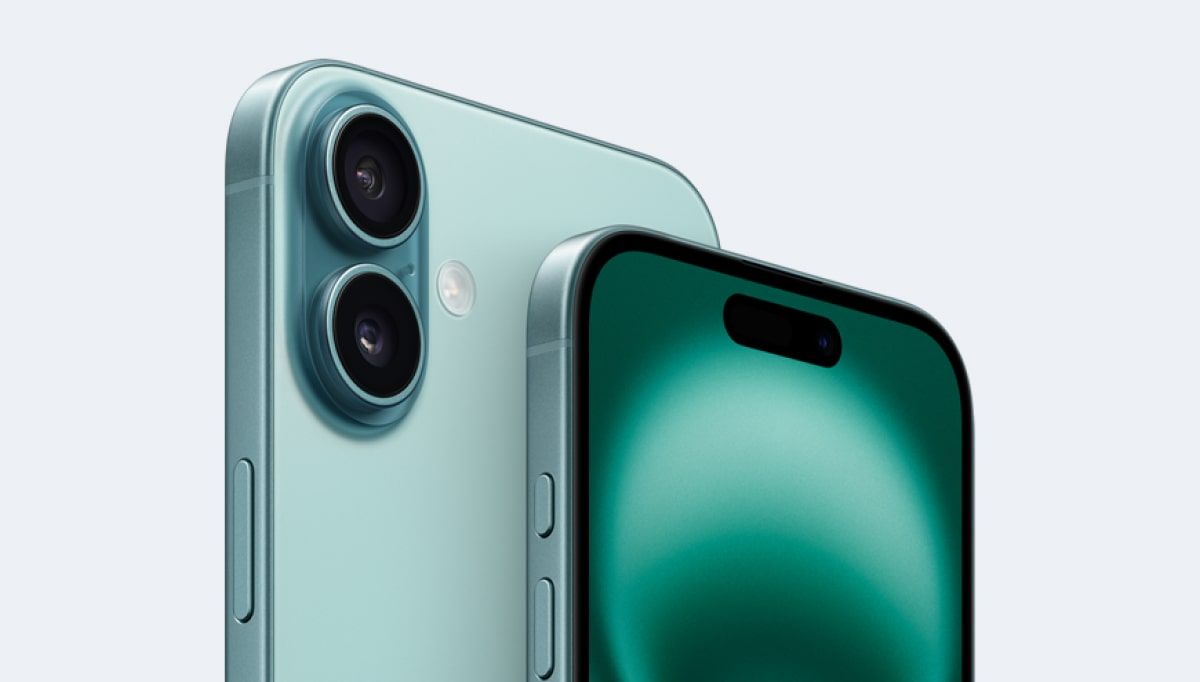
We’ll consider the rumored screen resolution of the Apple iPhone 16 (2024), which is reportedly 393 pixels in width and 852 pixels in height. These specifications are critical for developers and designers, as they dictate the breakpoints and media queries needed to ensure a responsive and visually appealing user experience. The actual usable height might be less due to browser elements, but these dimensions serve as a crucial baseline. Understanding these specifications is paramount for creating mobile-first websites and applications that seamlessly adapt to the iPhone 16’s display. Let’s dive into the details and explore the exciting possibilities that the Apple iPhone 16 (2024) may bring.
Design and Display: What to Expect
While Apple typically maintains a consistent design language across iPhone generations, subtle refinements are always anticipated. Rumors suggest that the iPhone 16 could feature a slightly altered camera module arrangement, potentially incorporating a new sensor or lens configuration. The materials used in the construction of the device are also subject to speculation, with Apple potentially exploring new alloys or finishes to enhance durability and aesthetics. We may also see a slight increase in screen size across the iPhone 16 lineup, offering a more immersive viewing experience.
The display technology itself is another area of keen interest. Apple has consistently improved the quality of its displays, and the iPhone 16 is expected to continue this trend. ProMotion technology, which dynamically adjusts the refresh rate up to 120Hz, could be further refined to offer even smoother scrolling and animations. The brightness and color accuracy of the display are also likely to be enhanced, resulting in a more vibrant and lifelike visual experience. The resolution of the iPhone 16 display will be a key factor in determining the sharpness and clarity of the image. The reported viewport resolution of 393 x 852 pixels is a critical detail for developers optimizing their websites and apps. For comparison, you can review the Apple iPhone 15 specs to understand how Apple is incrementally improving its display technology.
Performance: A New Generation of Power
At the heart of the iPhone 16 lies Apple’s next-generation A-series chip, likely to be named the A18. This chip is expected to deliver significant performance improvements over its predecessor, offering faster processing speeds, enhanced graphics capabilities, and improved energy efficiency. The A18 chip will likely be based on a refined version of Apple’s custom silicon architecture, incorporating advancements in CPU, GPU, and Neural Engine technology. These advancements will enable the iPhone 16 to handle demanding tasks such as gaming, video editing, and augmented reality applications with ease.
The increased processing power will also contribute to a smoother and more responsive user experience, with faster app launch times, quicker multitasking, and improved overall system performance. Furthermore, the enhanced Neural Engine will enable more advanced machine learning capabilities, powering features such as real-time language translation, improved image recognition, and more intelligent Siri interactions. The integration of the A18 chip in the Apple iPhone 16 (2024) will undoubtedly solidify its position as one of the most powerful smartphones on the market. The Air Force may need more than just bongos; they might need this processing power too, though target practice is another matter entirely, as covered in this article about the US Air Force’s unusual requests.
Camera Advancements: Capturing the Moment in Detail

The camera system is consistently a focal point of innovation for Apple, and the iPhone 16 is expected to introduce significant upgrades in this area. Rumors suggest that Apple may incorporate a new, larger sensor in the main camera, allowing for improved light sensitivity and dynamic range. This would result in better low-light performance and more detailed images in challenging lighting conditions. The ultra-wide lens could also see improvements, potentially with a wider field of view and enhanced image stabilization.
Computational photography is another area where Apple excels, and the iPhone 16 is likely to feature new software algorithms that further enhance image quality. These algorithms could improve noise reduction, sharpen details, and optimize color accuracy. Furthermore, Apple may introduce new video recording capabilities, such as the ability to record in higher resolutions or with more advanced HDR formats. The iPhone 16 camera system is poised to be a significant leap forward, enabling users to capture stunning photos and videos with ease. For comparison, looking at the Vivo V60’s camera capabilities shows how other manufacturers are pushing the boundaries of mobile photography.
Software and Features: iOS 18 and Beyond
The iPhone 16 will undoubtedly launch with iOS 18, the latest version of Apple’s mobile operating system. iOS 18 is expected to introduce a range of new features and improvements, building upon the foundation of its predecessors. These could include enhancements to Siri, new privacy features, and redesigned apps. Apple is also likely to focus on improving the overall user experience, with smoother animations, more intuitive navigation, and more customizable settings.
One area of particular interest is the potential integration of more advanced augmented reality (AR) capabilities. Apple has been heavily invested in AR technology, and the iPhone 16 could feature new hardware and software features that enhance the AR experience. This could include improved depth sensing, more accurate object tracking, and more immersive AR apps. Furthermore, Apple may introduce new features that leverage the power of the A18 chip’s Neural Engine, such as real-time language translation and more intelligent image recognition. The combination of iOS 18 and the iPhone 16’s hardware will create a powerful and seamless user experience. For example, one might see features similar to the AI-powered photography found in the Realme 15 Pro.
Connectivity and Battery Life: Staying Connected and Powered Up
The iPhone 16 is expected to support the latest connectivity standards, including 5G and Wi-Fi 6E. These technologies will provide faster download and upload speeds, as well as more reliable wireless connections. Apple may also incorporate new antenna technology to improve signal strength and reduce dropped calls. Battery life is always a concern for smartphone users, and Apple is likely to address this with improvements to both hardware and software. The A18 chip’s improved energy efficiency will contribute to longer battery life, and Apple may also increase the battery capacity of the iPhone 16.
Furthermore, iOS 18 is expected to include new battery management features that optimize power consumption and extend battery life. These features could include adaptive battery charging, which learns your charging habits and optimizes the charging process to prolong battery health. Apple may also introduce new power saving modes that further reduce power consumption when the battery is low. The combination of improved connectivity and battery life will ensure that the iPhone 16 can keep users connected and powered up throughout the day. We might even see technology similar to the Redmagic Astra’s advanced power management system.
Pricing and Availability: When Can You Get Your Hands On It?
While official pricing and availability details remain unknown, we can make some educated guesses based on past iPhone releases. Apple typically announces new iPhones in September, with the devices becoming available for purchase shortly thereafter. The iPhone 16 is likely to follow a similar timeline, with an expected launch in September 2024. Pricing will likely be similar to the iPhone 15 lineup, with the base model starting at around $799 and the higher-end models costing upwards of $1000.
However, pricing could be affected by various factors, such as component costs and currency exchange rates. It’s also possible that Apple may introduce new storage options or features that could impact the price. Ultimately, the official pricing and availability details will be revealed at Apple’s launch event. Until then, we can only speculate based on historical trends and industry rumors. Keep an eye out for official announcements from Apple in the months leading up to the expected launch date. The iPhone 15 Plus gives an idea of Apple’s current pricing strategy.
Apple iPhone 16 (2024): Key Takeaways
The Apple iPhone 16 (2024) is shaping up to be a significant upgrade over its predecessors, with improvements expected in various areas, including design, performance, camera capabilities, and software features. The rumored A18 chip promises to deliver a significant performance boost, while the enhanced camera system is expected to capture stunning photos and videos. iOS 18 will introduce a range of new features and improvements, further enhancing the user experience. The iPhone 16 is poised to be one of the most powerful and feature-rich smartphones on the market.
While official details remain scarce, the leaks and informed speculation provide a tantalizing glimpse into what we can expect from Apple’s next flagship device. The iPhone 16 is likely to appeal to both existing iPhone users and those considering switching from other platforms. Its combination of cutting-edge technology, sleek design, and seamless user experience will undoubtedly make it a top contender in the smartphone market. The iPhone 15 Pro Max set a high bar, and the iPhone 16 aims to surpass it.