Elevate Your Holiday Spirit: The Magic of Smart Christmas Lights
The festive season, a time traditionally synonymous with warmth, joy, and sparkling decorations, has found a brilliant new ally in modern technology. Gone are the days of untangling stubborn wires, struggling with burnt-out bulbs, or laboriously plugging and unplugging strands. Today, Christmas smart lighting offers an unprecedented level of convenience, customization, and dazzling spectacle, truly making the holidays brighter and more enchanting. This comprehensive guide explores how embracing smart Christmas lights can transform your festive decor, bringing a touch of magic and effortless sophistication to your home and garden.
From synchronizing your outdoor display with your favorite carols to setting intricate, color-changing patterns that dance across your living room, smart lighting systems empower you to craft the perfect holiday ambiance with just a few taps on your smartphone or a simple voice command. This isn’t just about illuminating your home; it’s about orchestrating an immersive experience that delights family, friends, and passersby alike. As technology continues to weave itself seamlessly into our daily lives, it’s only natural that our cherished holiday traditions would evolve, and with smart Christmas lights, the future of festive decoration is here, offering both beauty and unparalleled ease.
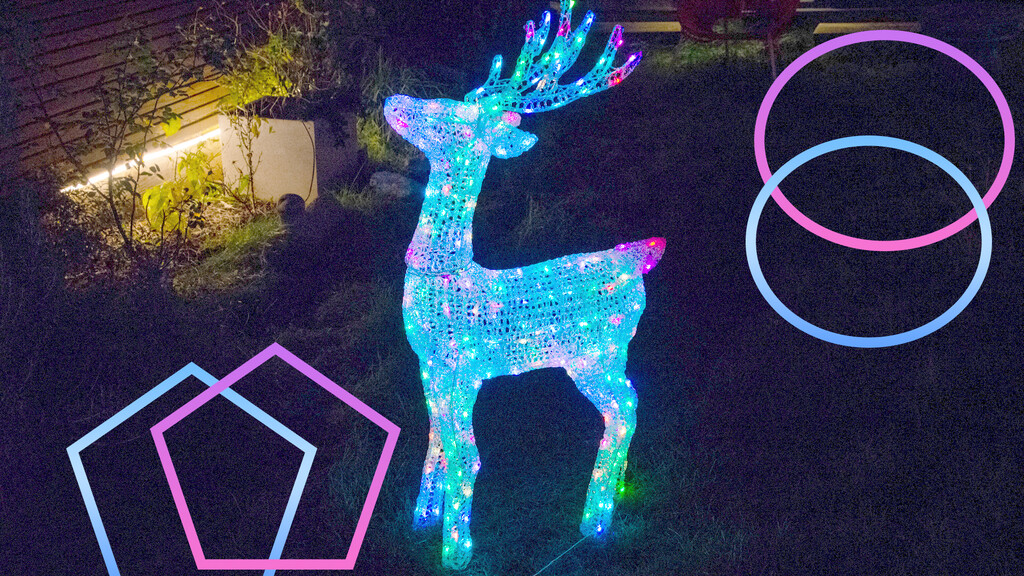
The Evolution of Holiday Lighting: From Simplicity to Sophistication
For generations, decorating for Christmas involved a familiar ritual. Boxes of tangled lights would emerge from the attic, each strand a potential challenge. The journey from simple incandescent bulbs to today’s sophisticated smart Christmas lighting systems is a testament to human ingenuity and the relentless march of technological progress. Understanding this evolution helps appreciate the profound impact smart lights have on our holiday celebrations.
Traditional Lighting: The Enduring Charm and Lingering Challenges
Before the advent of LEDs and smart technology, Christmas lights were primarily incandescent bulbs. These lights, while providing a warm, nostalgic glow, came with their own set of limitations. They were fragile, prone to burning out individually or in sections, and consumed significant amounts of electricity. The process of putting them up was often a painstaking task, involving ladders, extension cords, and the ever-present risk of a trip hazard or a short circuit. Finding the one faulty bulb in a long strand could test the patience of even the most devoted holiday decorator.
Despite these challenges, traditional lights held a certain charm. Their warm, steady glow evoked memories of Christmases past, contributing to the timeless aesthetic of the season. However, as environmental consciousness grew and energy costs rose, the demand for more efficient and user-friendly alternatives began to emerge. The simplicity of traditional lights eventually gave way to the promise of innovation, paving the way for a brighter, more efficient future in festive illumination.
The Dawn of Smart Technology: A New Era of Illumination
The shift towards smart Christmas lights began with the widespread adoption of LED technology. LEDs offered significant advantages over incandescent bulbs: they were more energy-efficient, longer-lasting, and emitted less heat, making them safer. This foundational change laid the groundwork for integrating connectivity. With LEDs as the light source, manufacturers could then embed tiny microcontrollers and wireless communication modules directly into the light strands.
Early smart lights primarily offered basic remote control functionalities, allowing users to turn lights on or off from a distance, or cycle through a few pre-set patterns. However, as smart home ecosystems matured and smartphone technology became ubiquitous, the capabilities of smart Christmas lights rapidly expanded. Now, these lights can connect to your home Wi-Fi network, respond to voice commands via virtual assistants like Alexa or Google Assistant, and be controlled through intuitive mobile applications. The ability to manage your entire smart lighting display from the palm of your hand, often through sophisticated mobile devices like the upcoming Huawei Nova 15 series, has revolutionized how we interact with our festive decorations. This seamless integration into the broader smart home environment is what truly defines the modern era of holiday lighting, offering unprecedented convenience and creative freedom.
Unlocking the Magic: Key Benefits of Smart Christmas Lights
The appeal of smart Christmas lights extends far beyond mere aesthetic enhancement. They offer a suite of practical advantages that streamline the decorating process, reduce environmental impact, and significantly elevate the overall holiday experience. Embracing these intelligent illumination solutions means enjoying a more convenient, cost-effective, and creatively boundless festive season.
Effortless Customization and Control
One of the most compelling benefits of smart Christmas lights is the unparalleled level of customization they provide. Imagine being able to change the color scheme of your entire outdoor display from classic warm white to vibrant reds and greens with a single tap. Or perhaps you want to animate your lights to mimic falling snow, twinkling stars, or a dazzling chase sequence. Smart lighting apps offer a vast palette of colors, dynamic effects, and pre-programmed scenes, allowing you to tailor your decorations to your precise mood or theme.
Beyond static settings, many smart light systems allow for intricate programming. You can schedule lights to turn on at dusk and off at dawn, or even set them to activate at specific times throughout the evening. Want a subtle twinkle during dinner and a dynamic light show for a party? It’s all easily achievable. This level of control, often managed through a user-friendly app, eliminates the need for manual adjustments, ensuring your home always looks its festive best without any extra effort. Future innovations might even leverage advanced form factors, such as the rumored Samsung Galaxy Z Trifold, for more intuitive and expansive smart home control interfaces, making management even more seamless.
Energy Efficiency and Cost Savings
Smart Christmas lights are predominantly LED-based, which inherently makes them far more energy-efficient than traditional incandescent bulbs. LEDs consume significantly less electricity, leading to noticeable savings on your utility bills, especially during a season when lights often run for many hours each day. This reduced energy consumption also translates to a smaller carbon footprint, making your holiday celebrations more environmentally friendly.
Furthermore, the “smart” aspect of these lights enhances their efficiency. Features like scheduling, dimming capabilities, and motion sensors (in some advanced systems) ensure that lights are only on when needed and at the appropriate brightness. You can dim your lights late at night to save power while still maintaining a festive glow, or set them to turn off automatically if no one is around. Over the lifespan of the lights, which is also considerably longer for LEDs, these energy savings can add up substantially, offering a sound financial and ecological choice for your holiday decor.
Enhanced Safety and Durability
Safety is a paramount concern during the holiday season, and smart Christmas lights offer distinct advantages in this regard. Because they are LED-based, they produce very little heat, drastically reducing the risk of fire hazards associated with overheating bulbs or overloaded circuits. This makes them much safer for use indoors, especially near flammable materials like Christmas trees and festive fabrics.
Moreover, smart lights are often designed with greater durability in mind. Many outdoor smart lighting systems are weather-resistant, built to withstand rain, snow, and fluctuating temperatures without compromising performance. The robust construction of LED bulbs means they are less likely to break or shatter, reducing the risk of injury during installation or removal. The reduced need for numerous extension cords and power strips also minimizes trip hazards and electrical overload risks, contributing to a safer festive environment for everyone.
Synchronized Spectacles and Thematic Displays
Imagine your entire house becoming a canvas for a synchronized light and sound show. Many advanced smart Christmas lighting systems offer music synchronization, allowing your lights to pulse, change color, and move in rhythm with your favorite holiday tunes. This transforms a simple light display into an immersive, multi-sensory experience that can captivate audiences and create unforgettable memories.
Beyond music, smart lights enable the creation of highly thematic displays. You can easily switch from a classic “winter wonderland” theme with cool blues and whites to a vibrant “Santa’s workshop” theme with reds, greens, and animated patterns. This flexibility means you’re not locked into a single look for the entire season; you can adapt your decor to different occasions, parties, or even just your mood. The ability to orchestrate such complex and dynamic displays effortlessly is a hallmark of smart Christmas lights, bringing a new dimension to holiday decorating.
Integration with Smart Home Ecosystems
For those who have already embraced smart home technology, smart Christmas lights fit seamlessly into their existing ecosystem. They can be integrated with popular smart home platforms like Apple HomeKit, Amazon Alexa, Google Home, and Samsung SmartThings. This means you can control your Christmas lights alongside your smart thermostat, security cameras, and other connected devices, all from a single app or through voice commands.
This integration opens up possibilities for sophisticated automation. You could set a routine where your Christmas lights turn on automatically when you arrive home, or dim when you start a holiday movie. Voice control adds another layer of convenience, allowing you to adjust your lights hands-free while you’re busy with holiday preparations. The processing power and low-latency connectivity typically found in high-performance devices, like those in the OnePlus Turbo range focused on gaming, are increasingly important for seamless smart home automation hubs, ensuring your festive displays respond instantly to your commands. This level of interconnectedness enhances both the magic and the practicality of your holiday decorations.
Choosing Your Smart Christmas Lighting System
With a growing array of options available, selecting the right smart Christmas lighting system can seem daunting. However, understanding the key technologies and features will help you make an informed decision that best suits your needs and existing smart home setup.
Understanding Different Technologies
Smart lights typically communicate using one of several wireless protocols, each with its own advantages:
- Wi-Fi: Many smart Christmas lights connect directly to your home Wi-Fi network. This offers broad compatibility and allows for control from anywhere with an internet connection. However, too many Wi-Fi devices can sometimes congest your network.
- Bluetooth: Bluetooth-enabled lights are controlled directly from your smartphone or tablet when you are within close proximity. They are simpler to set up as they don’t require a hub, but their range is limited, making them less ideal for large outdoor displays.
- Zigbee/Z-Wave: These protocols are often used by more extensive smart home systems and require a dedicated hub. While this adds an extra piece of hardware, they create a mesh network, extending range and improving reliability, especially for numerous devices. They are also typically more energy-efficient for device-to-device communication.
- Proprietary RF: Some brands use their own radio frequency (RF) technology, often requiring a specific bridge or hub from that manufacturer. While this can offer robust performance within their ecosystem, it might limit integration with other smart home platforms.
Consider your home’s size, the number of lights you plan to install, and your comfort level with different network setups when choosing a technology.
Top Features to Look For
When shopping for smart Christmas lights, several features can significantly enhance your experience:
- Color Changing (RGBW): The ability to change colors is a core feature, offering millions of hues. RGBW (Red, Green, Blue, White) lights also include a dedicated white LED for purer white tones.
- Music Synchronization: For dynamic light shows that pulse and change with your holiday soundtrack.
- Scheduling and Timers: Essential for automating your lights to turn on/off at specific times or based on sunrise/sunset.
- Dimming Capabilities: Allows you to adjust brightness levels to create different moods and save energy.
- Pre-set Scenes and Effects: Built-in patterns like “twinkle,” “fade,” “chase,” or “rainbow” offer instant festive ambiance.
- Weather Resistance (IP Rating): Crucial for outdoor lights. Look for an IP (Ingress Protection) rating of IP44 or higher to ensure durability against dust and water.
- Individual LED Control: Some advanced systems allow you to control each LED bulb independently, enabling incredibly intricate and detailed animations.
Compatibility and Ecosystem Integration
Before making a purchase, verify that the smart Christmas lights are compatible with your existing smart home ecosystem. Look for labels like “Works with Alexa,” “Google Assistant compatible,” or “HomeKit enabled.” This ensures seamless integration and control through your preferred voice assistant or smart home app. If you’re starting fresh, consider which ecosystem offers the best overall experience for your needs, as this will influence future smart home purchases. Furthermore, developments in operating systems, such as the iOS 26.3 Beta, which brings easier transfers to Android devices, highlight the ongoing efforts to create more interconnected and user-friendly smart ecosystems, simplifying setup and management across diverse devices.
Smart Christmas Lighting System Comparison
Installation and Setup: A Seamless Experience
One of the most appealing aspects of modern smart Christmas lights is their user-friendliness. Gone are the days of wrestling with complex wiring diagrams or needing an electrician for a festive display. Most smart lighting systems are designed for straightforward installation, making the magic accessible to everyone.
Planning Your Display
Even with smart lights, a little planning goes a long way. Before you unbox anything, take a moment to visualize your desired display. Consider:
- Coverage Area: Will you be decorating indoors, outdoors, or both? Measure the lengths of areas you want to illuminate (rooflines, railings, trees, windows).
- Power Access: Identify available outdoor outlets. Smart lights still need power, and while they are energy-efficient, you’ll need to ensure enough accessible sockets or weather-rated extension cords.
- Desired Effects: Do you want static colors, dynamic patterns, music synchronization, or intricate animations? This will help determine the type and sophistication of lights you need.
- Wi-Fi Signal: For Wi-Fi-enabled lights, ensure your outdoor areas have a strong and stable Wi-Fi signal. You might need a Wi-Fi extender for far-reaching corners of your property.
Sketching out your plan can help prevent last-minute rushes and ensure you purchase the correct number and type of smart Christmas lights.
Step-by-Step Guide to Setup
- Mount Your Lights: Just like traditional lights, start by physically attaching your smart strands to your desired locations. Use appropriate clips, ties, or stakes for security and aesthetics. Ensure all connections are secure, especially for outdoor installations.
- Power On: Plug in your smart lights. Most systems will enter a pairing mode, indicated by a flashing light sequence.
- Download the App: Download the manufacturer’s dedicated app to your smartphone or tablet. This app is your command center for controlling the lights.
- Connect to Wi-Fi/Bluetooth: Follow the in-app instructions to connect your lights to your home Wi-Fi network or pair them via Bluetooth. This usually involves selecting your Wi-Fi network and entering the password, or simply confirming a Bluetooth connection.
- Name Your Lights/Groups: Once connected, the app will typically prompt you to name your lights (e.g., “Front Porch Lights,” “Christmas Tree”). For larger displays, you can group multiple strands or sections, allowing you to control them collectively or individually.
- Explore and Customize: Dive into the app’s features. Experiment with different colors, effects, and pre-set scenes. Set schedules for automated on/off times, and if available, explore music synchronization options.
The entire process is designed to be intuitive, often taking less time than untangling a single box of old incandescent lights.
Troubleshooting Common Issues
While smart Christmas lights are generally reliable, occasional hiccups can occur. Here are some common issues and their solutions:
- Lights Not Connecting:
- Ensure your Wi-Fi network is active and strong in the area where the lights are installed.
- Check if your router is on the correct frequency (many smart devices prefer 2.4GHz).
- Try resetting the lights to factory settings (check the manual for specific instructions) and attempting to pair again.
- Verify your app is updated to the latest version.
- Lights Unresponsive:
- Check power connections.
- Restart the app and/or your smartphone.
- If using a hub, ensure the hub is powered on and connected to your network.
- Limited Range:
- For Wi-Fi lights, consider a Wi-Fi extender for outdoor areas or distant rooms.
- For Bluetooth lights, ensure your control device is within the specified range.
- Flickering or Inconsistent Colors:
- Check all physical connections between light strands.
- Ensure the power supply is adequate for the number of lights connected.
- Update light firmware via the app, if available.
Managing these complex systems requires reliable power, and the advancements in battery technology, exemplified by efforts like Christmas is better with smart lights guide information overview tips tutorial