M6 MacBook Pro OLED: Exclusive to Pro & Max Models?
For Apple enthusiasts eagerly awaiting the next generation of MacBook Pro, some recent news might be a mixed bag. Rumors are swirling that the highly anticipated OLED display upgrade will be exclusive to the M6 MacBook Pro and M6 MacBook Pro Max models. This means that the base M6 MacBook Pro might miss out on this significant visual enhancement, potentially sticking with the current mini-LED technology. This article delves into the implications of this rumor, what it means for Apple’s product strategy, and whether Apple fans have a reason to be disappointed.
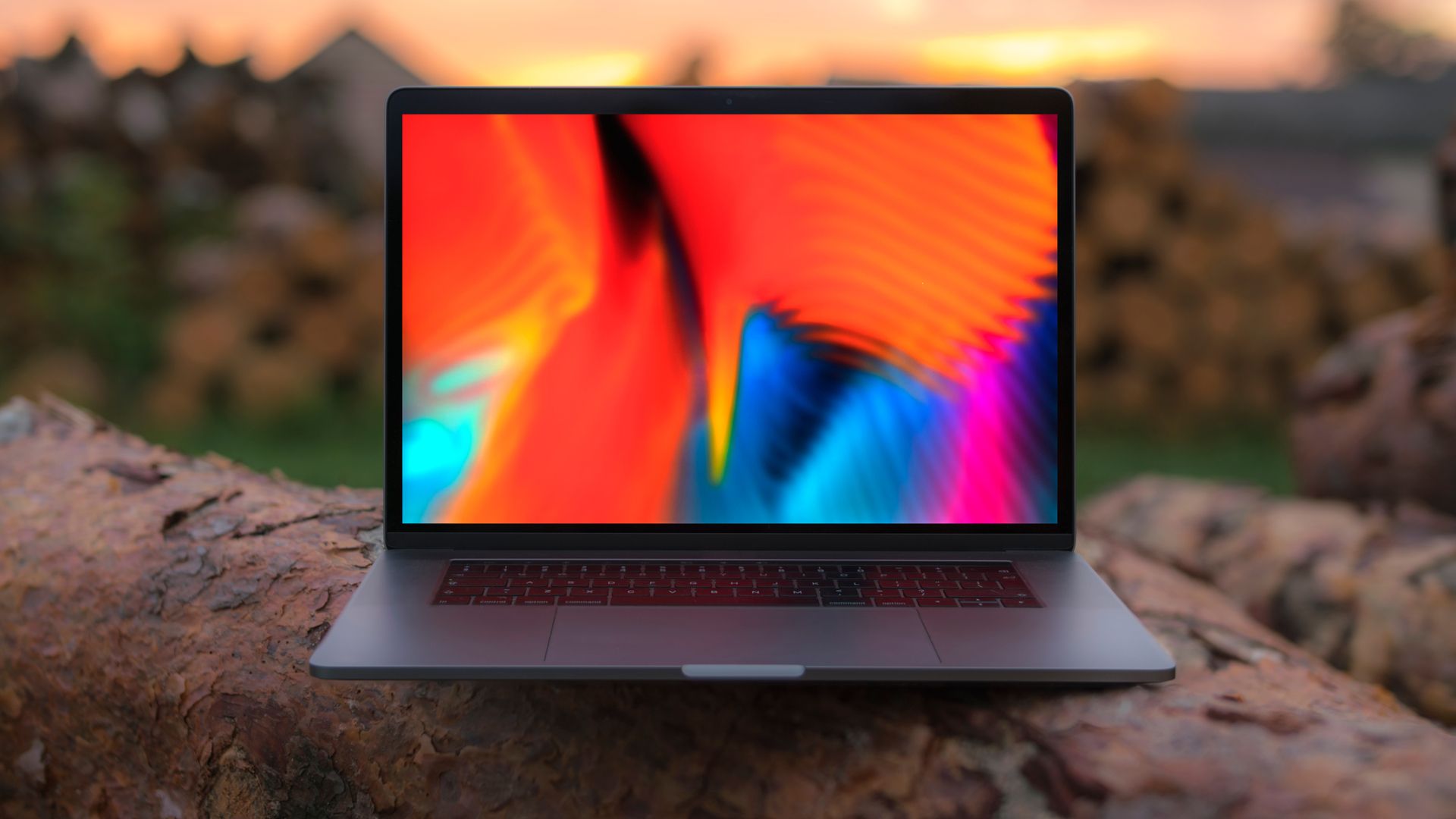
The source of this information comes from Bloomberg’s Mark Gurman, a reputable Apple insider, as reported by Wccftech. According to these reports, the M6 Pro and M6 Max MacBook Pro models, expected to launch between late 2026 and early 2027, will feature the OLED display, a thinner chassis, and potentially even touch support. The exclusivity of the OLED display raises questions about Apple’s strategy and whether it’s a move to incentivize consumers to opt for the higher-end models.
The Shift to OLED: A Significant Upgrade
OLED (Organic Light Emitting Diode) displays offer several advantages over traditional LCD and even mini-LED displays. These advantages include:
- Superior Contrast Ratios: OLED displays can achieve true blacks because individual pixels can be completely turned off, resulting in infinite contrast ratios.
- Vibrant Colors: OLED technology allows for a wider color gamut and more accurate color reproduction, leading to a more visually stunning experience.
- Faster Response Times: OLED displays have significantly faster response times than LCDs, reducing motion blur and ghosting, which is especially beneficial for gaming and video editing.
- Improved Viewing Angles: OLED displays maintain consistent image quality even when viewed from wide angles.
- Reduced Power Consumption: In many scenarios, OLED displays can be more power-efficient than LCDs, especially when displaying dark content.
Given these benefits, the shift to OLED is a significant upgrade for the MacBook Pro. The enhanced visual fidelity would be particularly appealing to creative professionals, such as photographers, video editors, and graphic designers, who rely on accurate color representation for their work. The promise of a thinner chassis also aligns with Apple’s design philosophy of creating sleek and portable devices. You can find similar advancements in other devices, such as the LG G5, which showcased innovative display technology for its time.
Exclusivity: A Strategic Decision or Unfair Gatekeeping?
The decision to limit the OLED display to the M6 Pro and M6 Max models raises questions about Apple’s motivation. On one hand, it could be a strategic move to differentiate the higher-end models and justify their premium price tags. By offering exclusive features like the OLED display, Apple can entice consumers who demand the best possible visual experience to upgrade to the more expensive models. This strategy aligns with Apple’s history of reserving certain features for its premium products.
On the other hand, some might view this exclusivity as unfair gatekeeping. Many Apple fans may not require the processing power of the M6 Pro or M6 Max chips but still desire the enhanced visual experience of an OLED display. By limiting the OLED display to the higher-end models, Apple is essentially forcing these consumers to pay for features they don’t need to get the display technology they want. This could lead to frustration and resentment among some Apple users.
Moreover, the price difference between the base M6 MacBook Pro and the M6 Pro or M6 Max models could be substantial. If the OLED display is a significant selling point, it could create a dilemma for consumers who are on a budget but still want the best possible display technology. They may have to choose between settling for the mini-LED display on the base model or stretching their budget to afford the more expensive models with the OLED display. It’s a similar situation to when consumers wanted specific features on devices like the Samsung Galaxy J7, which might have been exclusive to certain models.
The Future of MacBook Pro Displays
While the current rumors suggest that the OLED display will be exclusive to the M6 Pro and M6 Max models, it’s important to remember that these are just rumors. Apple’s plans could change before the official launch of the M6 MacBook Pro. It’s possible that Apple could eventually bring the OLED display to the base model in future iterations of the MacBook Pro. The development of new technologies, such as those explored in future iPadOS updates, could also influence Apple’s display strategies.
Another possibility is that Apple could introduce a new display technology that bridges the gap between mini-LED and OLED. For example, microLED technology offers similar benefits to OLED but with potentially higher brightness and longer lifespan. If Apple is able to overcome the manufacturing challenges associated with microLED, it could become a viable alternative to OLED in future MacBook Pro models. The availability of deals, such as those found in Lenovo laptop sales, sometimes influences consumer expectations about pricing and features in the laptop market.
The M5 Chip and the Road to M6
Before we get to the M6, it’s important to consider the impending arrival of the M5 chip. We’re currently in the final stages of 2025, which means Apple’s rumored M5 Pro, Ultra, and Max chips are likely on the horizon, with an expected release in early 2026. These chips will undoubtedly bring significant performance improvements over the current M4 series, further enhancing the capabilities of the MacBook Pro. The M5 series will likely feature advancements in CPU, GPU, and Neural Engine performance, making it an even more powerful tool for creative professionals and demanding users.
The M6 chip, expected in late 2026 or early 2027, will likely build upon the foundation laid by the M5, introducing further enhancements in performance, efficiency, and new features. The transition from mini-LED to OLED displays, even if initially limited to the Pro and Max models, is expected to coincide with the M6 launch. This suggests that Apple views the OLED display as a key feature of the next-generation MacBook Pro experience. Understanding the potential of the Google Pixel’s specifications can provide a broader perspective on the competitive landscape of device features.
Impact on Apple Fans and the Market
The potential exclusivity of the OLED display on the M6 MacBook Pro Pro and Max models could have several impacts on Apple fans and the market as a whole:
- Increased Demand for Pro and Max Models: If the OLED display is as impressive as expected, it could drive increased demand for the Pro and Max models, as consumers seek the best possible visual experience.
- Potential for Disappointment: Some Apple fans who were hoping to get an OLED display on the base model may be disappointed and potentially consider alternative laptops from other manufacturers.
- Shift in Purchasing Decisions: Consumers may need to carefully consider their needs and budget when deciding which MacBook Pro model to purchase, weighing the benefits of the OLED display against the higher price of the Pro and Max models.
- Competitive Pressure: The exclusivity of the OLED display could put pressure on other laptop manufacturers to adopt similar display technologies in their high-end models.
- Impact on Resale Value: The Pro and Max models with the OLED display could hold their resale value better than the base model, as they will be seen as more desirable by consumers.
Ultimately, the success of Apple’s strategy will depend on how consumers perceive the value of the OLED display and whether they are willing to pay a premium for it. If the OLED display is a game-changer, it could be a major selling point for the Pro and Max models. However, if consumers don’t see a significant difference between the OLED display and the mini-LED display on the base model, the exclusivity strategy could backfire. Consumers often evaluate features based on their experiences with other devices, such as the Samsung Galaxy S8, which set a high bar for display quality in its time.
Alternative Titles
- OLED MacBook Pro: Pro & Max Exclusive Sparks Debate
- M6 MacBook Pro: OLED Display Limited to High-End Models?
Conclusion: Weighing the Options
The rumors surrounding the M6 MacBook Pro and the potential OLED display exclusivity present a complex scenario for Apple fans. While the prospect of a stunning OLED display is undoubtedly exciting, the possibility of it being limited to the Pro and Max models raises concerns about accessibility and value. As we approach the expected launch of the M6 MacBook Pro in late 2026 or early 2027, it will be crucial to monitor official announcements from Apple and weigh the options carefully. Whether you’re a creative professional seeking the ultimate visual experience or a casual user looking for a reliable and portable laptop, the M6 MacBook Pro promises to be a significant upgrade, but the details of the OLED display availability will undoubtedly play a crucial role in purchasing decisions.