Google Extends Free AI Pro Access to U.S. Students
In a move that’s sure to excite college students across the United States, Google is once again offering a free year of Google AI Pro. This initiative, timed perfectly with the release of their advanced Gemini 3 Pro AI model, provides students with invaluable access to cutting-edge artificial intelligence tools. For students navigating the complexities of academic life and eager to explore the potential of AI, this offer presents a unique opportunity to enhance their learning and research capabilities.
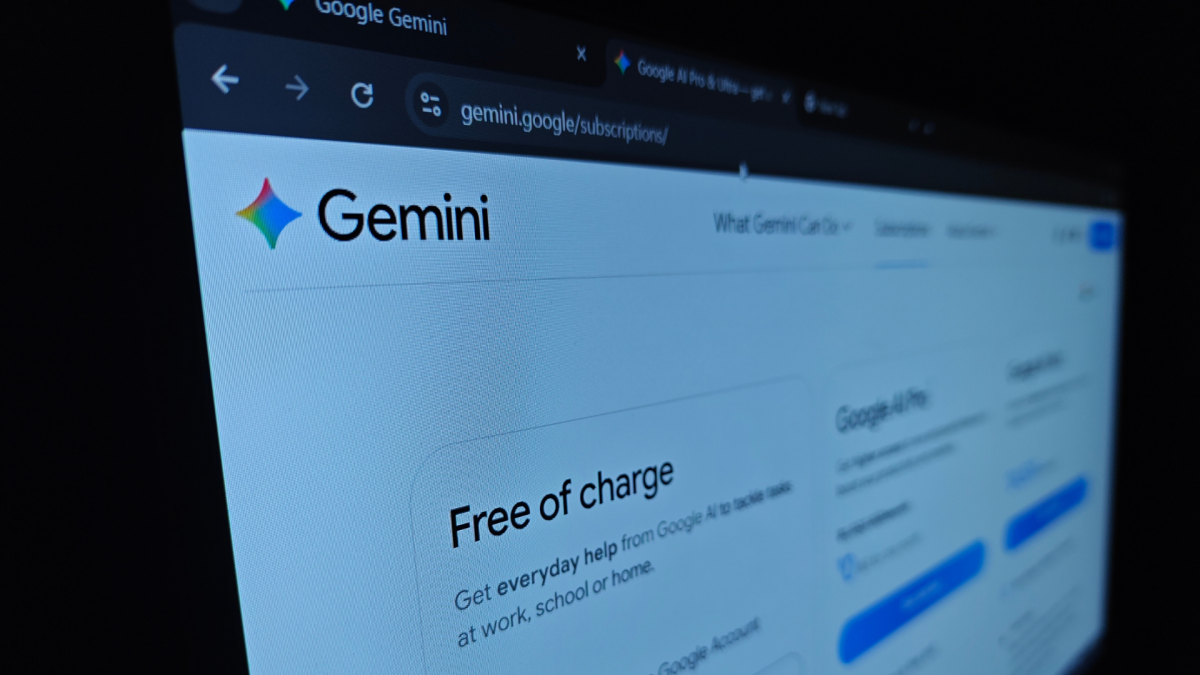
The timing of this offer is particularly significant. Many of the most compelling features of the new Gemini 3 Pro AI model are, under normal circumstances, locked behind paywalls. By providing free access to U.S. students, Google is democratizing access to advanced AI technology, allowing them to experiment, innovate, and learn without financial constraints. It’s worth noting that this isn’t the first time Google has extended such a generous offer, with similar promotions occurring in April and August of this year. The fact that another free trial is being rolled out so soon after the last one concluded in October suggests that Google may be planning to make these trials a regular occurrence, benefitting students consistently.
Claiming Your Free Year of Google AI Pro
The process for U.S. college students to claim their free year of Google AI Pro is relatively straightforward. The first step involves heading over to gemini.google/students and clicking on the “Get Offer” button. You’ll then be prompted to log in using your personal Google account. After logging in, you’ll need to verify your student status using SheerID, a third-party verification service. Once your student status is successfully verified, Google states that the signup process should be intuitive and seamless. Keep in mind that this promotion is valid until January 31, 2026.
It’s essential to be aware of a few key details before signing up. Firstly, you will be required to provide a form of payment during the signup process. This is standard practice for many free trials and subscription services. However, it’s crucial to remember that if you don’t cancel the plan before the trial period ends, your subscription will automatically renew, and you will be charged using the payment method you provided. Therefore, setting a reminder to cancel the subscription before the renewal date is highly recommended if you don’t intend to continue with a paid subscription.
Potential Issues and Solutions
One potential issue that students may encounter during the signup process is that their college or university may not be supported by the trial. This verification process is handled by SheerID, and unfortunately, neither Google nor SheerID is explicitly transparent about which institutions are and are not supported. If you experience difficulties verifying your student status, Google recommends contacting [email protected] or visiting the SheerID help center for assistance. It is worth checking out other options for students to get the best deals on their tech needs, such as the great deals you can find on laptops during Black Friday.
There are also a few eligibility requirements to keep in mind. To be eligible for the free Google AI Pro trial, you must be at least 18 years old. This means that some younger freshman students may not be able to sign up. Additionally, you cannot be on a supervised Google Account or currently have a Google One subscription through family sharing or a third-party affiliate. If you currently have a paid Google AI Pro plan, Google states that you can cancel it and switch to the free trial. However, you cannot subscribe using the trial while simultaneously applying a discount from another source.
The Power of Google AI Pro for Students
The benefits of accessing Google AI Pro extend far beyond simply having access to the latest AI technology. For students, it represents a powerful tool that can significantly enhance their academic pursuits, research endeavors, and overall learning experience. The Gemini 3 Pro AI model, in particular, offers a wide range of features and capabilities that can be leveraged across various disciplines and subject areas.
Imagine a student working on a complex research project. With Google AI Pro, they can utilize advanced natural language processing (NLP) capabilities to quickly analyze vast amounts of text data, identify key themes and patterns, and extract relevant information. This can save countless hours of manual research and allow the student to focus on higher-level analysis and critical thinking. Furthermore, the AI model can assist with tasks such as summarizing lengthy articles, translating documents, and generating creative content, all of which can contribute to a more efficient and productive research process.
Beyond research, Google AI Pro can also be a valuable asset for students in fields such as computer science, engineering, and mathematics. The AI model can assist with coding tasks, debugging software, and generating complex mathematical models. It can also be used to create simulations, visualize data, and explore different scenarios, providing students with a deeper understanding of complex concepts and principles. Students interested in the latest tech can also check out the Meta Quest 3 VR headset.
Real-World Applications and Case Studies
To illustrate the potential impact of Google AI Pro on student learning and research, consider the following hypothetical case studies:
- Case Study 1: A history student is researching the impact of social media on political discourse. Using Google AI Pro, they can quickly analyze millions of tweets, Facebook posts, and news articles to identify key trends and patterns in online political discussions. This allows them to gain a deeper understanding of the complex dynamics of online political communication and draw more informed conclusions in their research.
- Case Study 2: An engineering student is designing a new type of solar panel. Using Google AI Pro, they can simulate the performance of different designs under various environmental conditions, optimizing the panel’s efficiency and reducing its cost. This allows them to develop a more innovative and effective solar panel design.
- Case Study 3: A medical student is studying the effectiveness of a new drug. Using Google AI Pro, they can analyze clinical trial data to identify patterns and correlations that may not be immediately apparent. This allows them to gain a deeper understanding of the drug’s effects and make more informed decisions about its use.
These case studies demonstrate just a few of the many ways in which Google AI Pro can be used to enhance student learning and research across various disciplines. By providing access to advanced AI tools, Google is empowering students to explore new possibilities, solve complex problems, and make a meaningful impact in their respective fields.
The Broader Implications of Democratized AI Access
Google’s decision to extend free Google AI Pro access to U.S. college students has broader implications beyond just the immediate benefits for students. It reflects a growing trend towards democratizing access to AI technology, making it available to a wider range of individuals and organizations. This democratization of AI has the potential to drive innovation, foster creativity, and address some of the world’s most pressing challenges.
By providing students with access to advanced AI tools, Google is investing in the future workforce. These students will graduate with valuable skills and experience in AI, making them highly sought-after by employers in various industries. They will also be better equipped to develop innovative solutions to complex problems and contribute to the advancement of AI technology. Furthermore, Google’s initiative can inspire other companies and organizations to follow suit, further accelerating the democratization of AI.
The democratization of AI also has the potential to address issues of equity and access. By making AI technology available to students from diverse backgrounds and institutions, Google is helping to level the playing field and ensure that everyone has the opportunity to participate in the AI revolution. This can lead to a more inclusive and equitable AI ecosystem, where individuals from all walks of life can contribute their talents and perspectives.
However, it’s important to acknowledge that the democratization of AI also comes with potential challenges. As AI technology becomes more widely available, it’s crucial to address ethical considerations such as bias, fairness, and privacy. It’s also important to ensure that AI is used responsibly and for the benefit of society as a whole. By fostering open dialogue and collaboration among stakeholders, we can navigate these challenges and ensure that the democratization of AI leads to a more positive and equitable future.
Navigating the Evolving AI Landscape
The field of artificial intelligence is constantly evolving, with new breakthroughs and advancements occurring at a rapid pace. For students who are interested in pursuing careers in AI, it’s essential to stay up-to-date with the latest trends and developments. Google’s free Google AI Pro access provides a valuable opportunity for students to gain hands-on experience with cutting-edge AI technology and develop the skills and knowledge they need to succeed in this dynamic field.
In addition to utilizing Google AI Pro, students can also explore other resources and opportunities to enhance their AI skills and knowledge. Many universities and colleges offer courses and programs in AI, machine learning, and related fields. Online learning platforms such as Coursera, edX, and Udacity offer a wide range of AI courses and specializations that students can take at their own pace. Furthermore, students can participate in AI competitions, hackathons, and research projects to gain practical experience and network with other AI enthusiasts. For students exploring their options, they can also find deals on MacBook Air M4 devices to help with their studies.
It’s also important for students to develop a strong foundation in mathematics, statistics, and computer science. These foundational skills are essential for understanding the underlying principles of AI and developing effective AI solutions. Students can also benefit from learning about different AI frameworks and tools, such as TensorFlow, PyTorch, and scikit-learn. By mastering these tools, students can become more proficient in developing and deploying AI models.
The Future of AI and its Impact on Education
The future of AI is bright, with the potential to transform various aspects of our lives, including education. AI-powered tools and technologies can personalize learning experiences, automate administrative tasks, and provide students with access to a wealth of information and resources. As AI continues to evolve, it’s likely to play an increasingly important role in education, empowering students to learn more effectively and achieve their full potential.
One potential application of AI in education is personalized learning. AI algorithms can analyze student data to identify their individual learning styles, strengths, and weaknesses. Based on this analysis, AI-powered systems can tailor learning content and activities to meet each student’s specific needs. This can lead to a more engaging and effective learning experience, helping students to master concepts more quickly and retain information for longer periods of time.
AI can also automate administrative tasks, freeing up teachers and educators to focus on more important tasks such as student interaction and curriculum development. AI-powered systems can handle tasks such as grading assignments, providing feedback to students, and scheduling meetings. This can save teachers valuable time and allow them to devote more attention to their students.
Finally, AI can provide students with access to a wealth of information and resources. AI-powered search engines and knowledge bases can help students to quickly find relevant information for their research projects and assignments. AI-powered tutors can provide students with personalized support and guidance, helping them to overcome challenges and achieve their learning goals. With the rise of AI, students can also check out how to use PDF editing on their Mac to help with their studies.
Conclusion: Embracing the AI Opportunity
Google’s decision to offer another free year of Google AI Pro to U.S. college students is a significant step towards democratizing access to advanced AI technology. This initiative provides students with invaluable opportunities to enhance their learning, research, and career prospects. By embracing this opportunity, students can develop the skills and knowledge they need to succeed in the evolving AI landscape and contribute to a more innovative and equitable future. The free access also helps students who are using Chromebooks as they can see if their Chromebook is powerful enough for AI. As AI continues to transform various aspects of our lives, it’s crucial for students to be prepared to navigate this new world and harness the power of AI for the benefit of society.