Google Pixel 2 XL: A Deep Dive into Specs and Features
The Google Pixel 2 XL, released in 2017, was a flagship smartphone that aimed to deliver a pure Android experience with a focus on camera performance and software integration. While it’s no longer the newest device on the market, understanding the Google Pixel 2 XL characteristics can still provide valuable insights into smartphone design and Google’s approach to mobile technology. This article will delve into the specifications, features, and overall user experience of the Pixel 2 XL, examining its strengths and weaknesses in the context of its time and current standards.
Design and Display
The Pixel 2 XL sported a minimalist design with a combination of aluminum and glass. It featured a large 6-inch P-OLED display with a resolution of 2880 x 1440 pixels (QHD+), resulting in a pixel density of approximately 538 ppi. This high-resolution display provided sharp and detailed visuals, making it suitable for media consumption and productivity tasks. The aspect ratio of 18:9 offered an immersive viewing experience, although it also led to some initial criticisms regarding color accuracy and blue shift at certain viewing angles. Google addressed these concerns with software updates, improving color calibration and offering a “saturated” color mode for users who preferred more vibrant visuals.
The phone’s dimensions were 157.9 x 76.7 x 7.9 mm, and it weighed around 175 grams. The build quality felt solid and premium, although the large size might not have been ideal for users with smaller hands. The back of the phone featured a two-tone design with a glass shade at the top housing the camera and flash, while the rest of the back was made of aluminum with a textured coating for improved grip. The fingerprint sensor was located in a convenient spot on the back, allowing for quick and easy unlocking.
Performance and Hardware
Under the hood, the Pixel 2 XL was powered by the Qualcomm Snapdragon 835 processor, paired with 4GB of RAM. This combination delivered smooth and responsive performance for most tasks, including multitasking, gaming, and running demanding applications. While 4GB of RAM might seem modest by today’s standards, Google’s efficient software optimization ensured that the phone ran smoothly without significant lag or slowdowns. The phone was available in two storage options: 64GB and 128GB. Unfortunately, there was no microSD card slot for expanding storage, so users had to choose the storage option that best suited their needs at the time of purchase.
The Pixel 2 XL also included a 3,520 mAh battery, which provided all-day battery life for most users. It supported fast charging via USB-C, allowing for quick top-ups when needed. However, it lacked wireless charging, a feature that was becoming increasingly common in flagship smartphones at the time. The phone also featured stereo speakers, providing a more immersive audio experience compared to single-speaker setups. The absence of a 3.5mm headphone jack was a controversial decision, but Google included a USB-C to 3.5mm adapter in the box.
Camera Capabilities
The camera was one of the standout features of the Pixel 2 XL. It featured a single 12.2-megapixel rear camera with an f/1.8 aperture and optical image stabilization (OIS). Despite not having a dual-camera setup like some of its competitors, the Pixel 2 XL’s camera was able to capture stunning photos with excellent detail, dynamic range, and low-light performance. This was largely due to Google’s advanced image processing algorithms, which utilized machine learning to enhance photos after they were taken.
The Pixel 2 XL’s camera excelled in portrait mode, creating a convincing bokeh effect with sharp subject separation. It also offered excellent HDR+ processing, which brought out details in both the highlights and shadows of a scene. The phone’s video recording capabilities were also impressive, with support for 4K video recording at 30fps. The electronic image stabilization (EIS) helped to smooth out shaky footage, resulting in stable and professional-looking videos. The front-facing camera was an 8-megapixel sensor with an f/2.4 aperture, which captured detailed selfies and provided good performance in video calls.
Software and User Experience
The Pixel 2 XL ran on a pure version of Android, free from bloatware and unnecessary customizations. This provided a clean and streamlined user experience, with fast and fluid performance. Google also provided timely software updates, ensuring that the phone was always running the latest version of Android with the latest security patches. The Pixel 2 XL was among the first phones to receive updates to Android 8.0 Oreo and subsequent Android versions.
One of the unique software features of the Pixel 2 XL was the “Now Playing” feature, which automatically identified songs playing in the background. This feature used machine learning to recognize music without requiring an internet connection. The Pixel 2 XL also came with Google Assistant integration, allowing users to control their phone, ask questions, and perform tasks using voice commands. The phone also featured Active Edge, which allowed users to squeeze the sides of the phone to launch Google Assistant.
Viewport Resolution and Pixel Density
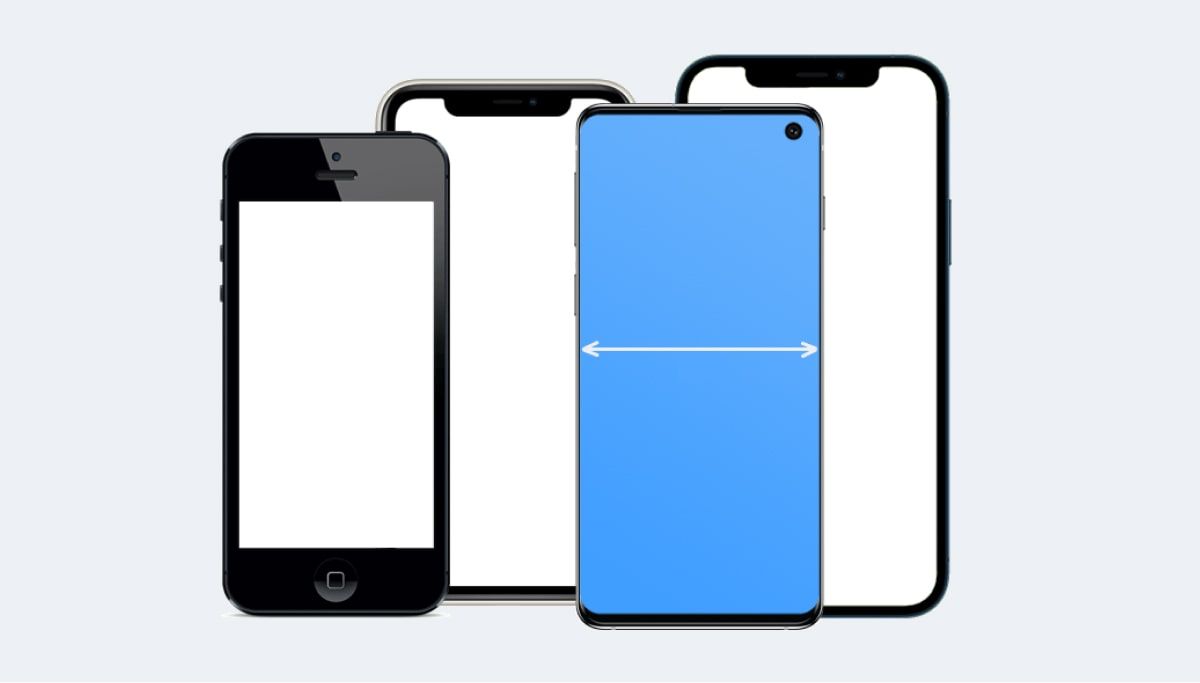
Understanding the viewport resolution and pixel density is crucial for web developers and designers who want to optimize their websites and applications for mobile devices. The viewport resolution refers to the visible area of a website or application on a device’s screen. For the Google Pixel 2 XL, the viewport resolution is approximately 412 pixels in width and 823 pixels in height. This is the resolution that developers should use when designing responsive websites and creating media queries.
The pixel density, also known as dots per inch (DPI), refers to the number of pixels packed into a physical inch of the screen. The Pixel 2 XL has a pixel density of 3.5, which means that there are 3.5 physical pixels for every logical pixel. This high pixel density results in sharp and detailed visuals. Web developers can use media queries to target devices with a specific pixel density, ensuring that their websites and applications look their best on different screens. For example, targeting devices with a pixel density of at least 3.5 can be achieved with the following CSS media query:
@media only screen and (-webkit-min-device-pixel-ratio: 3.5) { /* CSS rules for high-density displays */ }
Google Pixel 2 XL: A Look at the Specifications
To provide a clear overview, here’s a table summarizing the key Google Pixel 2 XL characteristics:
The Google Pixel Legacy
The Google Pixel 2 XL played a significant role in shaping the Android landscape. Its focus on software optimization, camera performance, and timely updates set a new standard for Android smartphones. It proved that a single-lens camera, combined with advanced image processing, could rival the performance of dual-camera setups. The success of the Pixel 2 XL paved the way for future Pixel devices, which continued to prioritize these key areas. Understanding the device can also give you an idea of the specs and features of the Apple iPhone 8, released around the same time.
While the Pixel 2 XL is no longer the latest and greatest, it remains a capable device that can still provide a satisfying user experience. Its excellent camera, smooth performance, and pure Android software make it a compelling option for users who value these features. For users looking for a similar experience in a smaller form factor, exploring the features of the Apple iPhone 5c might be worthwhile, although that phone is significantly older.
Challenges and Considerations
Despite its strengths, the Pixel 2 XL also had its share of drawbacks. The display issues, particularly the blue shift, were a source of concern for some users. The lack of a headphone jack and wireless charging were also seen as omissions by some. The design, while minimalist, was not as visually striking as some of its competitors. And, like other phones, the Honor 6X specs have evolved significantly since the Pixel 2 XL’s release.
Furthermore, the limited storage options and lack of microSD card support could be a constraint for users who needed more space for photos, videos, and other files. The phone’s battery life, while generally good, might not have been sufficient for heavy users who spent a lot of time gaming or streaming videos. However, considering the phone’s age, these limitations are understandable. When evaluating older models, it’s important to weigh features against price, as you might also consider the Motorola Moto E5 Plus guide.
The Future of Pixel and Android
The Pixel 2 XL’s legacy extends beyond its hardware and software. It helped to define Google’s vision for Android and its commitment to providing a pure and optimized user experience. The phone’s success demonstrated the importance of software optimization and machine learning in enhancing camera performance. Google has continued to build upon these principles in subsequent Pixel devices, pushing the boundaries of mobile photography and artificial intelligence. Exploring the Samsung Galaxy J6 specs from a similar time can offer another perspective on the smartphone market.
The Pixel series continues to evolve, with each new generation introducing innovative features and improvements. Google’s commitment to providing timely software updates and a clean Android experience remains a key differentiator. As technology continues to advance, the Pixel series is likely to play an increasingly important role in shaping the future of Android and mobile computing. It is important to note that while the Pixel 2 XL was a powerful device, advancements have been made in processing power, screen technology, and camera capabilities. For example, the 2025 Toyota GR Corolla showcases how technology continues to evolve in other sectors as well.
The Google Pixel 2 XL, despite its age, serves as a reminder of the power of software optimization and a commitment to a clean, user-centric experience. Its impact on the smartphone market is undeniable, and its legacy continues to influence the direction of Android development.