Unveiling the Samsung Galaxy Note20: Features & Innovations
The Samsung Galaxy Note20, released as part of Samsung’s illustrious Note series, represented a significant iteration in the world of premium smartphones. Positioned as a device for power users and productivity enthusiasts, it brought together a blend of cutting-edge technology, sophisticated design, and the iconic S Pen. From its vibrant display to its versatile camera system and robust performance, the Samsung Galaxy Note20 features were engineered to redefine the mobile experience, offering a compelling package for those who demand more from their daily driver.
At its core, the Galaxy Note20 was designed to bridge the gap between a smartphone and a portable workstation. It aimed to empower users with tools for creativity, communication, and complex tasks, all within the palm of their hand. This article delves deep into the myriad of characteristics that made the Samsung Galaxy Note20 a standout device, exploring its design philosophy, display prowess, internal hardware, revolutionary S Pen, advanced camera capabilities, and much more, providing a comprehensive overview of its technological advancements and user benefits.
Design and Display Excellence
The aesthetic appeal and visual experience are often the first impressions a user has of any smartphone, and the Samsung Galaxy Note20 did not disappoint in this regard. Its design language spoke volumes about premium craftsmanship, while its display set a high bar for mobile visual fidelity.
A Premium Aesthetic and Ergonomic Design
The Galaxy Note20 embraced a design that balanced elegance with practicality. While its larger sibling, the Note20 Ultra, boasted a glass back, the standard Note20 opted for a “Glasstic” finish – a high-quality polycarbonate material that mimicked the look and feel of glass. This choice offered a durable yet lightweight construction, making the device comfortable to hold for extended periods despite its substantial screen size. The phone featured sleek lines, a minimalist camera bump, and a refined matte finish that resisted fingerprints, contributing to its sophisticated appeal. The precise button placement and robust build quality underscored Samsung’s commitment to a premium user experience. The overall footprint was meticulously engineered to provide a comfortable grip while maximizing screen real estate, a delicate balance that Samsung achieved effectively.
The Immersive Dynamic AMOLED Display
At the heart of the Galaxy Note20’s visual experience was its stunning 6.7-inch Super AMOLED Plus display. Unlike the Ultra variant’s higher refresh rate, the Note20 maintained a standard 60Hz refresh rate, which for many users still offered a fluid and responsive interaction. What truly set this display apart was its vibrant color reproduction, deep blacks, and exceptional brightness, making content consumption an absolute delight. Whether browsing photos, watching videos, or engaging in productivity tasks, the display delivered crisp visuals with remarkable clarity.
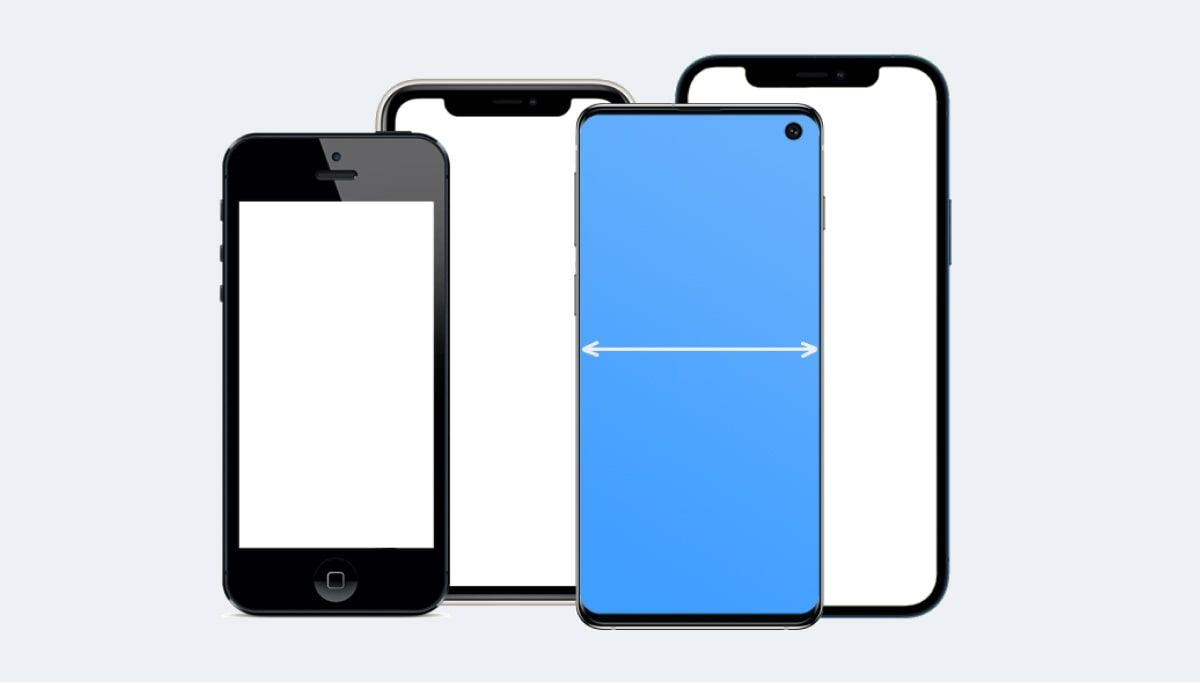
Delving into the technical specifications, the display offered a manufacturer resolution of 1080 pixels in width and 2400 pixels in height. This translated to a sharp visual output, perfectly complementing the phone’s multimedia capabilities. For web designers and developers, understanding the viewport resolution is crucial for responsive design. The Samsung Galaxy Note20 typically presents a viewport resolution of 412 pixels in width and approximately 915 pixels in height, though the height can vary slightly due to browser interfaces. This distinction between manufacturer resolution and viewport resolution is essential for optimizing web content for various devices.
Furthermore, the pixel density of the Galaxy Note20 stood at 2.625. This high density ensured that individual pixels were virtually indistinguishable to the naked eye, contributing to the display’s overall sharpness and detail. Developers could leverage this information using media queries like @media only screen and (-webkit-min-device-pixel-ratio: 2.625) in CSS or by accessing window.devicePixelRatio in JavaScript to tailor experiences for devices with similar pixel densities, ensuring optimal visual fidelity across different platforms. The display also supported HDR10+, offering enhanced contrast and a wider color gamut for compatible content, making movies and games truly pop with lifelike visuals. This commitment to display quality is a hallmark of Samsung’s flagship devices, a trait also celebrated in the Samsung Galaxy S20 Ultra, which pushed display technology even further.
Unrivaled Performance and Power
Beyond its exterior, the Samsung Galaxy Note20 housed a formidable array of internal components designed to deliver a seamless and powerful user experience, capable of handling everything from demanding applications to intensive multitasking.
Processor and RAM: The Engine Room
Under the hood, the Samsung Galaxy Note20 was powered by top-tier chipsets, varying by region. In most international markets, it featured Samsung’s own Exynos 990 processor, while in the US and other specific regions, it came with Qualcomm’s Snapdragon 865+. Both chipsets were flagship-grade at the time of release, built on a 7nm+ fabrication process, ensuring exceptional processing power and energy efficiency. These processors were complemented by 8GB of LPDDR5 RAM, providing ample memory for smooth multitasking, rapid app launches, and effortless transitions between applications. This combination allowed the Note20 to breeze through graphically intensive games, video editing, and complex productivity suites without breaking a sweat, ensuring that users could rely on the device for even the most demanding tasks.
The synergy between the powerful CPU and generous RAM meant that the Note20 rarely, if ever, showed signs of slowdown, maintaining a consistently fluid performance. This robust foundation is crucial for power users who frequently juggle multiple applications, stream high-definition content, and engage in mobile gaming. The architectural advancements in these chipsets also contributed to improved AI capabilities, enhancing everything from camera processing to battery management.
Storage and Expandability: Room for Everything
The Galaxy Note20 came with a generous 128GB of internal storage as standard, utilizing UFS 3.1 technology for incredibly fast read and write speeds. This meant quicker app installations, faster file transfers, and smoother loading times for large games and media. However, unlike many previous Note devices and its Ultra counterpart, the standard Note20 notably omitted a microSD card slot for expandable storage. This decision meant users had to rely solely on the internal storage or cloud solutions for their data. While 128GB is sufficient for many, content creators and heavy media consumers might find themselves managing space more carefully. Despite this, the speed of the internal storage significantly enhanced the overall responsiveness of the device, making up for the lack of expandability for some users. This approach to storage contrasts with some competitors, such as the OnePlus Nord, which offered different storage configurations and sometimes expandability, catering to varying user needs and price points.
Software Experience: One UI and Android
Running on Android 10 out of the box, overlaid with Samsung’s highly customized One UI, the Galaxy Note20 offered a rich and intuitive software experience. One UI was designed with one-handed usability in mind, placing interactive elements within easy reach at the bottom of the screen. It brought a host of features tailored to Samsung devices, including enhanced dark mode, improved digital wellbeing tools, and deep integration with Samsung’s ecosystem. Regular software updates, including major Android version upgrades, ensured the device remained current with the latest security patches and features, extending its longevity and enhancing user satisfaction.
The software also included specific optimizations for the S Pen, transforming it from a mere stylus into a powerful productivity tool. Features like Screen Off Memo, Air Actions, and Samsung Notes were seamlessly integrated, making the most of the S Pen’s capabilities. Furthermore, Samsung’s commitment to its software ecosystem meant tighter integration with other Samsung devices and services, creating a cohesive user experience across the brand’s product lines.
The Revolutionary S Pen
No discussion of the Galaxy Note20 would be complete without highlighting its most distinctive feature: the S Pen. This stylus has consistently set the Note series apart, transforming the smartphone into a powerful tool for creativity, productivity, and precise interaction. With the Note20, the S Pen received significant enhancements, making it more responsive and versatile than ever before.
Enhanced Latency and Air Actions
One of the most notable improvements to the S Pen in the Galaxy Note20 was its reduced latency. While the Note20 Ultra boasted an incredibly low 9ms latency, the standard Note20 also saw a substantial improvement, offering a 26ms latency. This reduction made writing and drawing on the screen feel remarkably natural, almost like putting pen to paper. The responsiveness was immediate, allowing for smoother strokes and more accurate input, which was particularly beneficial for artists, note-takers, and anyone requiring fine control.
Beyond its tactile improvements, the S Pen also gained enhanced Air Actions. Introduced in previous Note models, Air Actions allowed users to control the phone remotely using S Pen gestures, without touching the screen. In the Note20, these gestures became more intuitive and customizable. Users could navigate presentations, control camera functions, browse galleries, and even adjust media playback with a flick of the wrist. These remote capabilities were incredibly useful for hands-free operation, making the Note20 an even more versatile device for various scenarios, from professional presentations to casual photography.
Notes and Productivity Powerhouse
The S Pen truly shone as a productivity tool, deeply integrated with Samsung’s software ecosystem. Samsung Notes, the pre-installed note-taking application, was optimized to take full advantage of the S Pen. Users could quickly jot down ideas, create detailed sketches, and even convert their handwritten notes into editable text with impressive accuracy. The app also allowed for PDF annotation, enabling users to sign documents, highlight text, and add comments directly on their phone. This feature was invaluable for professionals and students alike, streamlining workflows and reducing the need for physical printouts.
Furthermore, the S Pen facilitated quick access to various functions through the Air Command menu, which popped up with a click of the S Pen’s button. This menu offered shortcuts to create new notes, smart select content, write on screen, and access other S Pen-specific tools. The ability to use Screen Off Memo to quickly jot down notes without unlocking the phone further enhanced its spontaneous productivity capabilities, ensuring that inspiration was never lost. This focus on productivity and precision is a clear differentiator for the Note series, providing a unique value proposition that sets it apart from many other flagships, including the powerful OnePlus 8T, which focuses more on raw performance and fast charging.
Capturing Every Moment: Camera System
The Samsung Galaxy Note20 was equipped with a highly capable camera system, designed to deliver exceptional photo and video quality in a variety of conditions. While it didn’t boast the 108MP sensor of its Ultra sibling, its triple-lens setup was more than sufficient for stunning results.
Versatile Triple-Lens Setup
The rear camera module of the Galaxy Note20 comprised three distinct lenses, offering a versatile range for different photographic scenarios:
- 12MP Wide-angle Camera: This was the primary sensor, featuring a bright f/1.8 aperture and Optical Image Stabilization (OIS). It excelled in capturing sharp, detailed images with excellent dynamic range, performing admirably in both bright daylight and challenging low-light conditions.
- 64MP Telephoto Camera: A standout feature, this lens offered 3x Hybrid Optic Zoom and up to 30x Space Zoom. The high-resolution sensor enabled impressive cropping capabilities and allowed users to get closer to their subjects without significant loss of detail. This was particularly useful for capturing distant landscapes or intimate portraits.
- 12MP Ultrawide Camera: With an f/2.2 aperture, this lens provided a 120-degree field of view, perfect for sweeping landscapes, group photos, and architectural shots. It allowed users to fit more into the frame, adding a new dimension to their photographic repertoire.
The combination of these lenses, coupled with Samsung’s advanced image processing algorithms, ensured that the Note20 could capture a wide array of scenes with clarity, accurate colors, and impressive detail. The camera interface was intuitive, offering various modes like Pro Mode, Panorama, Food, and Night Mode, allowing users to unleash their creativity.
Advanced Video Recording Capabilities
The Galaxy Note20 was also a formidable tool for videography. It supported 8K video recording at 24 frames per second, allowing users to capture incredibly detailed footage. While 8K displays were not commonplace, the ability to record in such high resolution provided immense flexibility for cropping and editing without sacrificing quality. Furthermore, the phone offered Pro Video mode, giving users granular control over settings like ISO, shutter speed, focus, and white balance, transforming the device into a semi-professional video camera.
Other video features included Super Steady stabilization, ensuring smooth and shake-free footage even during movement, and various slow-motion and hyperlapse options. The ability to record high-quality audio with zoom-in mic functionality further enhanced the video recording experience, making the Note20 an excellent choice for content creators and casual videographers alike. These camera advancements truly make the Samsung Galaxy Note20 features shine for multimedia creation.
Front Camera for Stunning Selfies and Video Calls
For selfies and video calls, the Galaxy Note20 featured a 10MP front-facing camera with an f/2.2 aperture. This camera delivered sharp and vibrant self-portraits, with features like autofocus and various beauty modes to enhance the results. It also supported 4K video recording, making it ideal for high-quality video calls and vlogging. The front camera’s performance ensured that users looked their best, whether on a video conference or capturing a memorable moment.
Battery Life and Connectivity
A powerful smartphone is only as good as its battery life and connectivity options. The Galaxy Note20 was designed to keep users connected and powered throughout their day, supporting modern standards for both.
Enduring Power for All-Day Use
The Samsung Galaxy Note20 was equipped with a substantial 4300mAh battery, providing ample power to comfortably last a full day of moderate to heavy use. While individual battery life can vary based on usage patterns, the efficient processor and optimized software ensured that the Note20 delivered reliable endurance. When it was time to recharge, the phone supported 25W fast charging, allowing it to quickly replenish its battery from empty to 50% in approximately 30 minutes. This rapid charging capability was a huge convenience for users on the go, minimizing downtime.
In addition to wired fast charging, the Note20 also supported Fast Wireless Charging 2.0, offering a convenient cable-free charging experience. Furthermore, it featured Wireless PowerShare, allowing the phone to wirelessly charge other Qi-compatible devices, such as Galaxy Buds or a smartwatch, by simply placing them on the back of the Note20. This reverse wireless charging feature was perfect for topping up accessories when a power outlet wasn’t readily available, enhancing the device’s utility in a connected ecosystem. For those interested in complementary devices that track wellness, integrating with smartwatches like the Garmin Venu 3 can help users monitor their health alongside their smartphone use.
Modern Connectivity Options
Connectivity was a strong suit for the Galaxy Note20, ensuring users had access to the fastest available networks and seamless connections with other devices. It supported 5G connectivity, providing blazing-fast download and upload speeds in areas where 5G networks were available. This future-proofed the device for the next generation of mobile internet, enabling smoother streaming, quicker downloads, and more responsive online gaming.
Beyond 5G, the Note20 also featured Wi-Fi 6 (802.11ax), offering faster and more stable Wi-Fi connections, especially in crowded network environments. Bluetooth 5.0 provided robust and energy-efficient connections for wireless headphones, speakers, and other peripherals. NFC support enabled convenient mobile payments and quick pairing with compatible accessories. These comprehensive connectivity options underscored the Note20’s position as a modern flagship, ready for the demands of a highly connected world. For users seeking more budget-friendly yet feature-rich Samsung alternatives, exploring the Samsung Galaxy S20 FE might also be