Honor 7X: Exploring the Features & Specs
The Honor 7X, released in 2017, quickly gained popularity for its impressive specifications and affordable price point. While newer models have since emerged, understanding the Honor 7X features provides valuable insight into the evolution of smartphone technology and what made this device a standout in its time. This article delves deep into the core specifications, design elements, camera capabilities, and overall performance of the Honor 7X, offering a comprehensive overview for tech enthusiasts and those curious about its legacy.
Unveiling the Display and Design of the Honor 7X
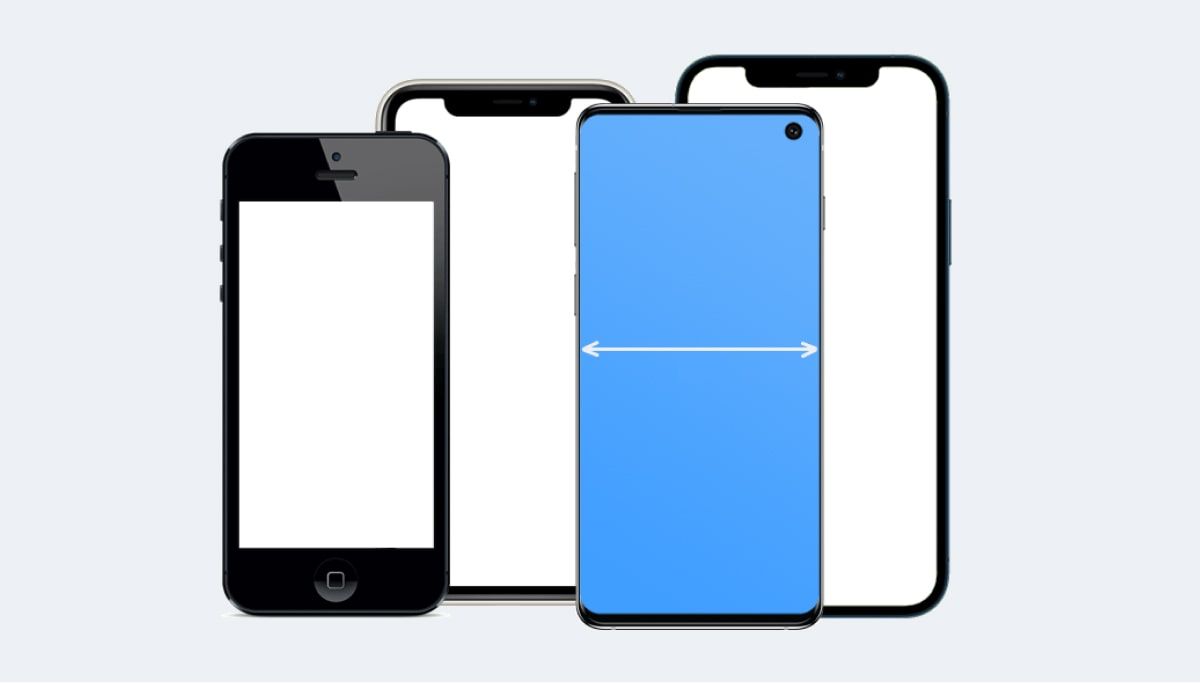
One of the most striking Honor 7X features was its display. It boasted a 5.93-inch IPS LCD screen with a resolution of 1080 x 2160 pixels, resulting in a pixel density of approximately 407 ppi. This provided a sharp and vibrant visual experience for everyday use, from browsing the web to watching videos. The aspect ratio of 18:9, also known as “FullView” display, was a relatively new trend at the time, offering a more immersive viewing experience and a taller screen that made the phone easier to hold.
The display’s color accuracy and brightness levels were decent for its price range. While it may not have matched the color vibrancy of AMOLED panels, it still delivered a pleasant viewing experience. Users could adjust the color temperature in the settings to suit their preferences. For a detailed discussion on display technologies, including IPS LCD panels, see our article on display and design.
The design of the Honor 7X was also noteworthy. The phone featured a metal unibody construction, giving it a premium feel in hand. The curved edges made it comfortable to hold, and the overall build quality was solid. The fingerprint sensor was located on the back of the phone, in a convenient location for easy access. The phone was available in a variety of colors, including black, blue, gold, and red, offering users a choice to match their personal style.
Design Considerations and Practicality
The metal unibody design not only contributed to the phone’s aesthetics but also its durability. While not waterproof or dustproof, the Honor 7X felt sturdy and capable of withstanding everyday wear and tear. The placement of the buttons (power and volume rocker) on the right side of the phone was intuitive, and the tactile feedback was satisfactory. The inclusion of a 3.5mm headphone jack was a welcome feature for users who preferred wired headphones.
However, the metal back was prone to fingerprints and smudges, requiring frequent cleaning to maintain its pristine look. The camera bump on the rear was minimal, preventing the phone from rocking excessively when placed on a flat surface. Overall, the design of the Honor 7X struck a good balance between aesthetics, ergonomics, and practicality.
Performance and Hardware Specifications
Under the hood, the Honor 7X was powered by the HiSilicon Kirin 659 octa-core processor. This chipset consisted of four Cortex-A53 cores clocked at 2.36 GHz and four Cortex-A53 cores clocked at 1.7 GHz. The processor was paired with either 3GB or 4GB of RAM, depending on the configuration. This combination provided sufficient performance for most everyday tasks, such as browsing the web, social media, and running basic apps.
While the Kirin 659 wasn’t a flagship-level processor, it was capable of handling moderate gaming and multitasking. Some demanding games might require lower graphics settings to maintain a smooth frame rate. The phone’s performance was generally smooth and responsive, with minimal lag or stuttering. For users looking for a deep dive into processing power, the Google Pixel XL exploration offers a point of comparison.
Storage Options and Expandability
The Honor 7X came with either 32GB or 64GB of internal storage, depending on the model. Fortunately, the phone included a microSD card slot, allowing users to expand the storage capacity up to 256GB. This was a valuable feature for those who needed more space for photos, videos, and other files. The ability to expand storage was a significant advantage, especially considering the increasing size of apps and media files.
The storage performance was adequate for its price range. While it didn’t offer the blazing-fast speeds of UFS storage found in higher-end phones, it was still sufficient for most users. App loading times were reasonable, and file transfers were relatively quick. The inclusion of a microSD card slot provided flexibility and peace of mind for users who anticipated needing more storage in the future.
Camera Capabilities and Image Quality
The Honor 7X features a dual-camera setup on the rear, consisting of a 16MP primary sensor and a 2MP depth sensor. This combination allowed for capturing photos with a shallow depth of field, creating a bokeh effect that blurred the background and emphasized the subject. The camera app offered a variety of shooting modes, including portrait mode, HDR, panorama, and time-lapse.
In well-lit conditions, the Honor 7X was capable of capturing detailed and vibrant photos. The colors were generally accurate, and the dynamic range was decent. The HDR mode helped to balance the exposure in scenes with high contrast. The portrait mode produced convincing bokeh effects, although it occasionally struggled with edge detection. For a comparison, it’s useful to review the Samsung Galaxy S9 deep dive to understand camera advancements.
Low-Light Performance and Front-Facing Camera
In low-light conditions, the camera performance of the Honor 7X was less impressive. Images tended to be noisy and lacked detail. The autofocus struggled to lock on in dimly lit environments. However, considering its price point, the low-light performance was acceptable. The phone also included a single 8MP front-facing camera for selfies and video calls. The front camera produced decent images in good lighting conditions, but the quality deteriorated in low light.
Overall, the camera capabilities of the Honor 7X were adequate for casual photography. It wasn’t a flagship-level camera, but it was capable of capturing shareable photos and videos in most situations. The dual-camera setup and portrait mode added a touch of versatility to the camera system. The camera app was easy to use and offered a variety of shooting modes to experiment with.
Software and User Experience
The Honor 7X launched with EMUI 8.0, based on Android 8.0 Oreo. EMUI is Huawei’s custom Android skin, and it offers a variety of features and customizations. While EMUI is not everyone’s cup of tea, it does offer some useful features, such as app twin, one-handed mode, and gesture controls. The software experience was generally smooth and responsive, with minimal lag or stuttering.
Huawei has a history of providing software updates for their devices, and the Honor 7X received several updates throughout its lifespan. These updates included bug fixes, performance improvements, and new features. The software support was a positive aspect of the Honor 7X, ensuring that users could enjoy a relatively up-to-date and secure experience.
Customization Options and Bloatware
EMUI offers a wide range of customization options, allowing users to personalize the look and feel of their phone. Users could change the themes, wallpapers, fonts, and icons. The notification panel and quick settings menu were also customizable. However, EMUI also came with a fair amount of bloatware, including pre-installed apps that some users might not find useful. Fortunately, most of these apps could be uninstalled.
The user interface of EMUI was generally intuitive and easy to navigate. The settings menu was well-organized, and the overall design was clean and modern. However, some users might prefer a more stock Android experience. The software experience of the Honor 7X was a matter of personal preference. Some users appreciated the features and customization options offered by EMUI, while others preferred a more streamlined and bloatware-free experience.
Battery Life and Charging
The Honor 7X was equipped with a 3340mAh battery. This battery capacity provided decent battery life for most users. On average, the phone could last a full day on a single charge with moderate usage. Heavy users might need to top up the battery in the evening. The battery life was comparable to other phones in its price range.
The phone supported standard charging via a microUSB port. Unfortunately, it didn’t support fast charging, which meant that it took a relatively long time to fully charge the battery. Charging from 0% to 100% could take up to two hours. The lack of fast charging was a minor drawback, but it wasn’t a deal-breaker for most users. The battery life was sufficient for most everyday tasks, and the phone could be easily charged overnight.
Power Management and Optimization
EMUI offered a variety of power management features to help extend battery life. Users could enable power-saving mode, which reduced the CPU speed and limited background activity. The phone also included a battery optimization tool that identified and closed apps that were consuming excessive power. These power management features helped to squeeze the most out of the battery.
Overall, the battery life of the Honor 7X was satisfactory. It wasn’t exceptional, but it was sufficient for most users. The power management features helped to extend battery life when needed. The lack of fast charging was a minor inconvenience, but it didn’t significantly impact the overall user experience.
Connectivity and Network Support
The Honor 7X supported a variety of connectivity options, including Wi-Fi 802.11 b/g/n, Bluetooth 4.1, GPS, and FM radio. It also included a microUSB port for charging and data transfer. The phone supported dual SIM cards, allowing users to use two different phone numbers on the same device. The network support was comprehensive, covering a wide range of frequencies and bands.
The Wi-Fi performance was reliable, providing stable and fast internet connectivity. The Bluetooth connection was also stable, allowing for seamless pairing with wireless headphones and other devices. The GPS performance was accurate, providing reliable navigation and location services. The FM radio was a welcome addition for users who enjoyed listening to local radio stations. The shift away from streaming highlights the enduring appeal of traditional media sources.
Call Quality and Audio Performance
The call quality of the Honor 7X was clear and loud. The earpiece speaker provided sufficient volume for comfortable conversations. The microphone effectively reduced background noise, ensuring that the caller could hear the user clearly. The audio performance of the phone was also decent. The loudspeaker provided adequate volume and clarity for listening to music and watching videos. The 3.5mm headphone jack allowed users to connect their favorite headphones for a more immersive audio experience.
Overall, the connectivity and network support of the Honor 7X were comprehensive and reliable. The phone offered a variety of connectivity options, ensuring that users could stay connected to the internet, their friends, and their favorite media. The call quality and audio performance were also satisfactory.
Honor 7X: A Look Back at Key Specifications
To summarize, here’s a table highlighting the key specifications of the Honor 7X:
Conclusion: The Enduring Appeal of the Honor 7X
The Honor 7X was a compelling smartphone that offered a blend of style, performance, and affordability. Its impressive display, solid build quality, and capable camera made it a popular choice among budget-conscious consumers. While it may not have been a flagship device, it delivered a satisfying user experience for everyday tasks. Looking back, the Honor 7X features set a benchmark for mid-range smartphones and demonstrated that it was possible to offer premium features at an accessible price point.
The phone’s success contributed to Honor’s growth as a brand and helped to establish its reputation for producing value-for-money devices. The Honor 7X remains a relevant example of how technological advancements can be democratized and made accessible to a wider audience. Reflecting on the Honor 7X, it’s clear how far smartphone technology has advanced, as showcased by the improved display and resolution capabilities in modern devices.