Unveiling Windows 12: Anticipated Release Date & Future Innovations
The tech world is abuzz with speculation regarding the next major iteration of Microsoft’s flagship operating system. While Windows 11 continues to evolve with significant updates, the question on many users’ minds is: “When is Windows 12 coming out?” The anticipation for the Windows 12 Release Date is palpable, driven by rumors of groundbreaking AI integration, a refreshed user interface, and a potential shift in Microsoft’s development philosophy. This comprehensive guide delves into the current landscape, analyzes historical release patterns, explores rumored features, and discusses the broader implications for the PC ecosystem. We aim to provide clarity amidst the speculation, offering everything you need to know about what might be on the horizon for the future of Windows.
The Current Landscape: Windows 11 and its Evolution
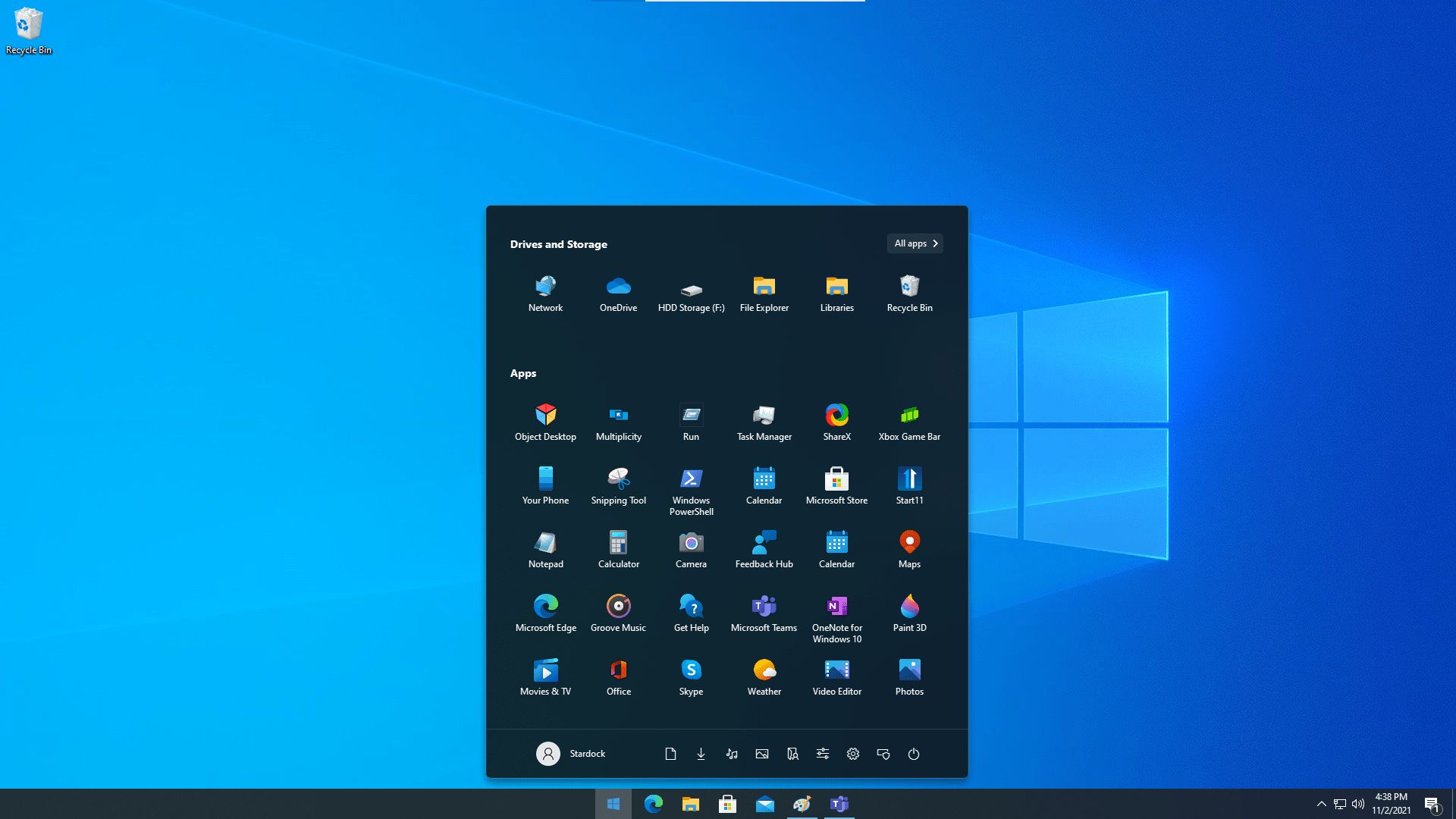
Before looking ahead to Windows 12, it’s crucial to understand the foundation laid by Windows 11. Launched in October 2021, Windows 11 marked a significant departure from its predecessor, Windows 10, with a redesigned user interface, a focus on productivity, and stricter hardware requirements. Its introduction also brought a refreshed Microsoft Store, Android app support, and deeper integration of Microsoft Teams. Over its lifecycle, Windows 11 has seen continuous updates, notably with the Moments updates that have rolled out new features iteratively rather than holding them for a single, large annual release.
Windows 11’s Journey and AI Integration
Windows 11 has been Microsoft’s primary vehicle for integrating artificial intelligence into the desktop experience. The most prominent example is Copilot, an AI assistant built directly into the operating system, designed to assist users with a wide array of tasks, from summarizing documents to generating images and managing system settings. This deep-seated AI integration in Windows 11 serves as a strong indicator of Microsoft’s strategic direction, suggesting that AI will not just be a feature but a core pillar of future Windows versions. The continuous refinement of Copilot and other AI-powered tools within Windows 11 demonstrates Microsoft’s commitment to making AI an indispensable part of daily computing. This iterative approach to feature rollout and AI enhancement sets the stage for how future operating systems, including Windows 12, might be developed and delivered to users.
The Shift in Microsoft’s Release Cadence
Historically, Microsoft has varied its release cycles for major Windows versions. Windows 10 was famously touted as “the last version of Windows,” implying a continuous update model. However, Windows 11 broke that mold, signaling a return to distinct version numbers. This shift hints at a potential three-year release cycle for major Windows versions, a pattern observed with Windows Vista, 7, 8, and 10 (from 8.1). If this pattern holds, it would place the Windows 12 Release Date around late 2024 or early 2025. This cadence allows for significant architectural changes and feature development that might not be feasible within a more rapid annual update schedule. Understanding this historical context is key to predicting when the next major OS might arrive.
When is Windows 12 Coming Out? Analyzing the Release Cycle
The question of “When is Windows 12 coming out?” is perhaps the most pressing one for tech enthusiasts and industry observers alike. While Microsoft has not officially confirmed Windows 12, various leaks, reports, and job listings have strongly suggested its existence and ongoing development. The anticipated release window is largely based on a combination of historical patterns, industry whispers, and Microsoft’s strategic moves, particularly concerning its hardware partners and the broader PC market.
Historical Precedent and Release Patterns
As mentioned, Microsoft has historically followed a roughly three-year cycle for major Windows releases. Windows XP (2001), Windows Vista (2006), Windows 7 (2009), Windows 8 (2012), Windows 10 (2015), and Windows 11 (2021, though Windows 10 was a longer cycle). If we consider Windows 11’s release in late 2021, a three-year cycle would point towards a late 2024 release for Windows 12. However, it’s also important to note that the development of an operating system is a complex process, and external factors like global chip shortages, economic conditions, and competitive pressures can influence timelines. Microsoft’s own internal “release waves” for major updates also suggest a structured, multi-year plan for their operating systems, reinforcing the idea of a significant new version on the horizon rather than just incremental updates.
Another factor to consider is the typical lifecycle of a Windows version. While Windows 10 received extended support, newer versions tend to have a shorter primary support window before transitioning to enterprise-focused long-term servicing channels. This encourages a more regular upgrade path for consumers and businesses, aligning with a predictable major release cycle. The development process often includes extensive internal testing, followed by public beta programs. For example, similar to how software beta programs for new devices like the Galaxy S25 series allow users to test upcoming features, Microsoft would likely initiate a public preview program for Windows 12 well in advance of its official launch, providing a clearer indication of the Windows 12 Release Date.
Industry Rumors and Analyst Predictions
Several reputable sources within the tech industry have indicated that Windows 12 is indeed in active development. Reports from publications like Windows Central, citing internal Microsoft sources, have suggested a target release window of late 2024. This aligns with the three-year cycle and the ongoing development of next-generation hardware that would ideally launch alongside a new operating system. Analysts also point to the increasing integration of AI as a driving force for a new OS. Current hardware, while capable, may not be fully optimized for the deeper AI functionalities Microsoft envisions. A new OS, therefore, could serve as the perfect platform to introduce new hardware requirements that fully leverage dedicated AI accelerators and neural processing units (NPUs). This symbiotic relationship between software and hardware often dictates the timing of major OS releases, ensuring that users can experience the full potential of both.
Potential Features and Innovations in Windows 12
While definitive features are still under wraps, the direction Microsoft has taken with Windows 11 and its broader strategy for AI and cloud computing offers strong clues about what to expect from Windows 12. The next iteration is likely to be more than just a visual refresh; it’s anticipated to be a foundational shift in how users interact with their PCs, driven by intelligence and seamless connectivity.
Deeper AI Integration and Copilot’s Evolution
AI is expected to be the undisputed star of Windows 12. Building upon Windows 11’s Copilot, Windows 12 is rumored to feature a more deeply integrated, omnipresent AI assistant. This could manifest as AI capabilities woven into the very fabric of the operating system, rather than a separate application. Imagine an OS that proactively anticipates your needs, optimizes performance based on your usage patterns, and offers context-aware assistance across all applications. This level of integration would require significant advancements in local AI processing, leveraging NPUs in next-generation CPUs. The goal would be to make the PC truly intelligent, responding to natural language commands, understanding user intent, and automating complex tasks effortlessly. The potential for AI to transform user experience is vast, similar to how AI integration in reading devices like Kindle with Google Gemini can significantly enhance a user’s interaction with content, Windows 12 aims to revolutionize the entire computing environment.
Enhanced Performance and Security
Every new Windows version promises performance and security enhancements, and Windows 12 will be no exception. With a greater reliance on AI and more demanding applications, optimizing system resources will be paramount. This could involve more efficient memory management, faster boot times, and improved power efficiency, especially for laptops. Security is another area where Windows 12 is expected to push boundaries. Microsoft has consistently emphasized a “zero-trust” security model, and Windows 12 could introduce even more robust hardware-level security features, further integrating with TPM (Trusted Platform Module) and secure boot technologies. This would make the OS more resilient against sophisticated cyber threats, protecting user data and system integrity more effectively than ever before. For those interested in the cutting edge of device capabilities, understanding how an OS can leverage future smartphone innovations can offer insights into the kind of performance and security advancements we might see in Windows 12.
Redesigned User Interface and User Experience
A significant visual overhaul is also highly anticipated for Windows 12. While Windows 11 introduced a centered Start Menu and rounded corners, Windows 12 might bring a more radical redesign, potentially moving towards a floating desktop interface or a more modular, adaptive UI that seamlessly adjusts across different device types and screen sizes. This could include a more dynamic taskbar, a redesigned notification center, and a greater emphasis on widgets and glanceable information. The goal would be to create a more modern, intuitive, and aesthetically pleasing experience that is both functional and adaptable. Microsoft has also been experimenting with new input methods, and Windows 12 could further enhance touch, pen, and voice interactions, making the OS more versatile for a wider range of devices, from traditional desktops to tablets and foldable PCs.
Cloud Integration and Hybrid Computing
The lines between local computing and cloud services are increasingly blurring, and Windows 12 is expected to lean heavily into this hybrid model. Deeper integration with Microsoft 365, OneDrive, and Azure services could enable seamless syncing of data, settings, and applications across devices. This could also mean more cloud-powered features, where certain processes or AI models are offloaded to Microsoft’s powerful data centers, reducing the burden on local hardware while enhancing capabilities. This approach would cater to the growing trend of working from anywhere, providing a consistent and powerful computing experience whether users are online or offline. The concept of “Windows 365” or a subscription-based Windows experience has been floated in the past, and Windows 12 might introduce elements that bring this vision closer to reality, offering flexible access to the OS and its services.
Hardware Requirements and Compatibility
One of the more contentious aspects of Windows 11 was its stricter hardware requirements, particularly the need for a Trusted Platform Module (TPM) 2.0 and specific CPU generations. It is highly probable that Windows 12 will continue this trend, raising the bar for minimum specifications to ensure optimal performance and security for its advanced features, especially those driven by AI.
The Push for Next-Gen Processors
The deep AI integration expected in Windows 12 will necessitate powerful, modern processors. Specifically, CPUs with dedicated Neural Processing Units (NPUs) or AI accelerators will likely become a core requirement. These specialized chips are designed to handle AI workloads much more efficiently than general-purpose CPU cores, enabling faster AI-powered features with less power consumption. This means older CPUs, even those that barely met Windows 11’s requirements, might be left behind. This strategic move would push users towards newer hardware, aligning with Microsoft’s partnerships with Intel, AMD, and Qualcomm to develop “AI PCs” that are optimized for the next generation of Windows. Understanding robust device specifications is crucial not just for physical durability but also for the underlying components that power an advanced OS.
TPM and Security Standards
The TPM 2.0 requirement for Windows 11 was a significant hurdle for many older machines. Windows 12 is expected to maintain this requirement and potentially even introduce more stringent security standards. This is part of Microsoft’s broader strategy to enhance the security posture of the entire Windows ecosystem, protecting users from firmware attacks and other low-level threats. While potentially frustrating for users with older, still-capable hardware, these requirements are deemed essential for the advanced security features and AI capabilities that Windows 12 will offer. It ensures a baseline level of hardware-backed security that is critical in today’s threat landscape. This might lead some users to consider options for balancing smartphone performance with other factors like cost and hardware longevity, a dilemma that could extend to PC upgrades for Windows 12.
Here’s a hypothetical comparison of Windows operating systems and their typical release windows:
The Impact of Windows 12 on the Ecosystem
The launch of a new Windows operating system sends ripples across the entire technology ecosystem. From individual consumers to large enterprises and software developers, everyone is affected.