The Definitive Android OEM Ranking for 2025: Who Reigns Supreme?
The year 2025 has been nothing short of transformative for the Android ecosystem. From groundbreaking battery technologies like silicon-carbon cells extending device longevity, to the emergence of ultra-powerful processors such as Qualcomm’s Snapdragon 8 Elite, designed to directly challenge Apple’s silicon, innovation has been the watchword. Moreover, the widespread adoption of integrated Qi2 magnets has enhanced wireless charging experiences, making it a truly exciting period for mobile technology enthusiasts. In this comprehensive analysis, we delve into the performance of major Android brands, presenting our definitive Android OEM Ranking 2025, evaluating them from the worst performers to the absolute best.
Determining the top and bottom performers in the fiercely competitive Android market requires a nuanced approach. Our ranking considers a multitude of factors, including the quality and innovation of their product lines, the robustness and longevity of their software support and update policies, their overall strategic market positioning, and their ability to genuinely excite consumers. Every aspect, from cutting-edge features to basic user experience, has been scrutinized to provide a clear picture of which manufacturers truly excelled and which struggled to keep pace. Let’s explore the landscape of Android manufacturers in 2025 and see who claimed the top spots and who faced significant hurdles.
The Methodology Behind Our 2025 Android OEM Ranking
Our assessment for the Android OEM Ranking 2025 is built upon a robust methodology designed to provide a fair and comprehensive evaluation. We consider several critical pillars that define an OEM’s success in the modern smartphone landscape:
- Product Innovation and Quality: This includes hardware design, display technology, camera performance, battery life, and the integration of novel features such as advanced haptics, next-gen biometrics, and sustainable materials.
- Software Experience and Updates: The quality of the Android skin, the absence of bloatware, timely security patches, major OS updates, and the commitment to long-term software support are paramount.
- Ecosystem and Services: How well an OEM integrates its devices with other products (wearables, tablets, smart home devices) and the value offered by its proprietary services.
- Market Strategy and Reach: This encompasses pricing, availability across different regions, marketing effectiveness, and ability to capture specific market segments.
- Customer Satisfaction and Brand Perception: User reviews, community feedback, and overall brand loyalty play a significant role in assessing an OEM’s standing.
- Sustainability and Repairability: With growing consumer awareness, efforts in environmental responsibility and ease of repair are increasingly important.
By weighing these factors, we aim to deliver an impartial and insightful ranking that reflects the true performance of each Android manufacturer throughout 2025.
The Challengers: OEMs Striving for Improvement
In the dynamic world of Android, some manufacturers find themselves in a constant battle to gain market share and critical acclaim. While showing flashes of potential, these brands often face significant challenges in consistency, market presence, or innovation that prevent them from climbing higher in the Android OEM Ranking 2025.
HMD Global: A Year of Retreat and Niche Plays
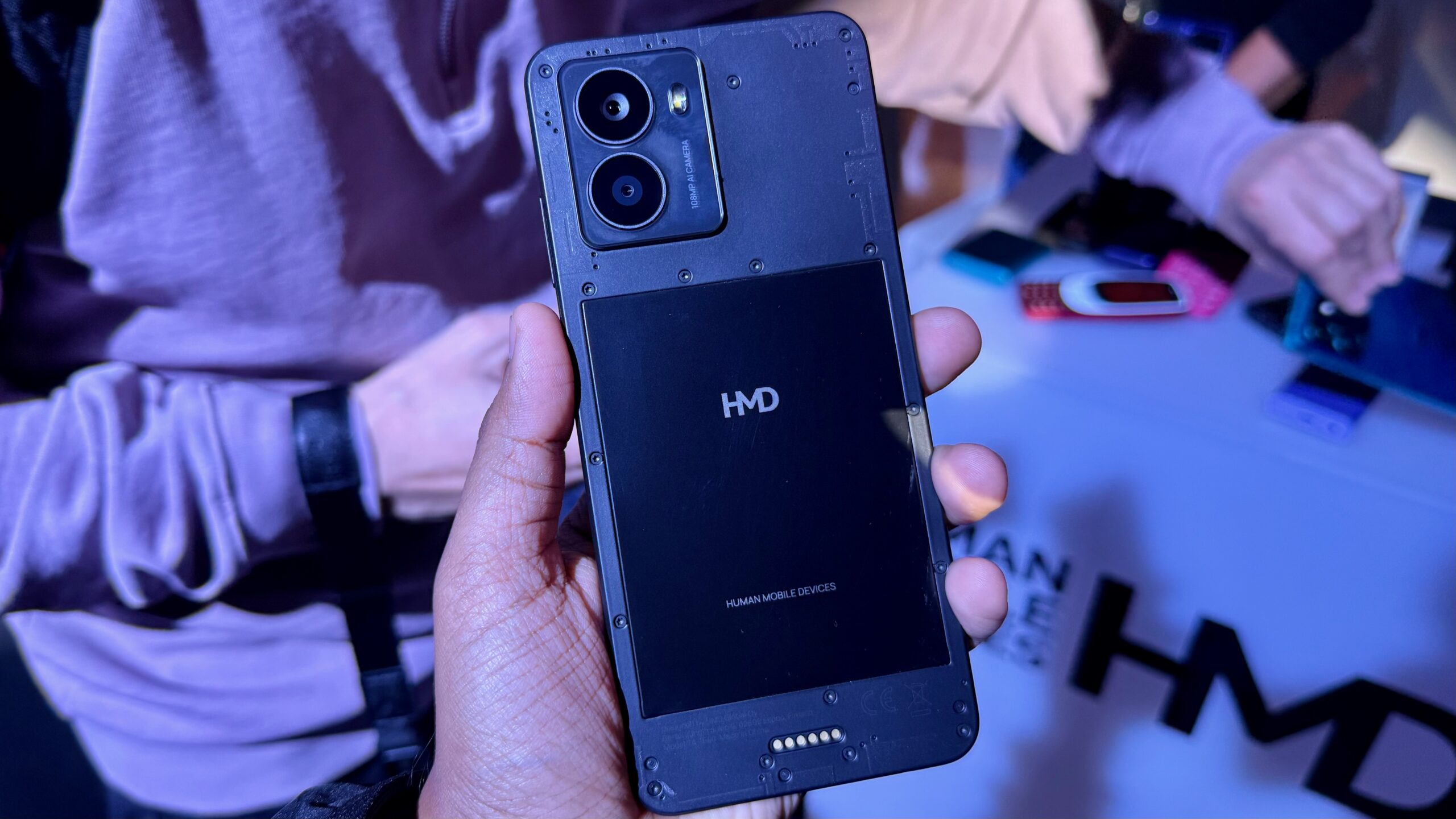
HMD Global, the company behind Nokia-branded phones and now its own HMD line, continued its distinct path in 2025, but not without significant setbacks. On the positive side, HMD remained one of the few brands consistently offering phones with a microSD card slot, a feature increasingly rare but cherished by a segment of users. The release of the HMD Aura 2 further solidified their commitment to repairability, allowing users to easily replace components and extend the lifespan of their devices. Perhaps their most intriguing innovation was the OffGrid accessory, which ingeniously brought satellite connectivity to any device, a testament to their willingness to explore unique problem-solving solutions. They also targeted younger demographics with devices like the HMD Fusion X1, a strategy aimed at building future brand loyalty.
Unfortunately, these commendable efforts were largely overshadowed by strategic missteps. HMD’s decision to cease selling phones in the lucrative US market earlier in the year was a major blow, removing a much-needed competitor from a market dominated by a few giants. This move significantly limited their global reach and potential for growth. Furthermore, their product output in 2025 consisted almost entirely of low-end phones, leaving fans hoping for high-end or even mid-range flagships like an HMD Fusion 2 or Skyline 2 sorely disappointed. The lack of premium offerings meant they struggled to compete on performance and features, especially against more established players. Lastly, the company’s software update policy, while improving, still lagged behind many competitors, offering an experience that was often barebones and less refined than what users expected. Their position in the Android OEM Ranking 2025 reflects these challenges.
Realme: The Budget King’s Growing Pains
Realme continued its aggressive push in the budget and mid-range segments in 2025, offering compelling specifications for their price points. Devices like the Realme GT 6 Pro provided surprisingly powerful chipsets and vibrant AMOLED displays, making them attractive options for cost-conscious consumers. However, Realme’s rapid expansion often came at the cost of software consistency and long-term support. Their UI, while feature-rich, could sometimes feel cluttered, and updates were not always as timely or as bug-free as those from higher-ranked OEMs. While they excelled in raw hardware value, the overall user experience sometimes felt like a compromise, preventing them from breaking into the upper echelons of the Android OEM Ranking 2025.
Sony: Niche Excellence, Limited Appeal
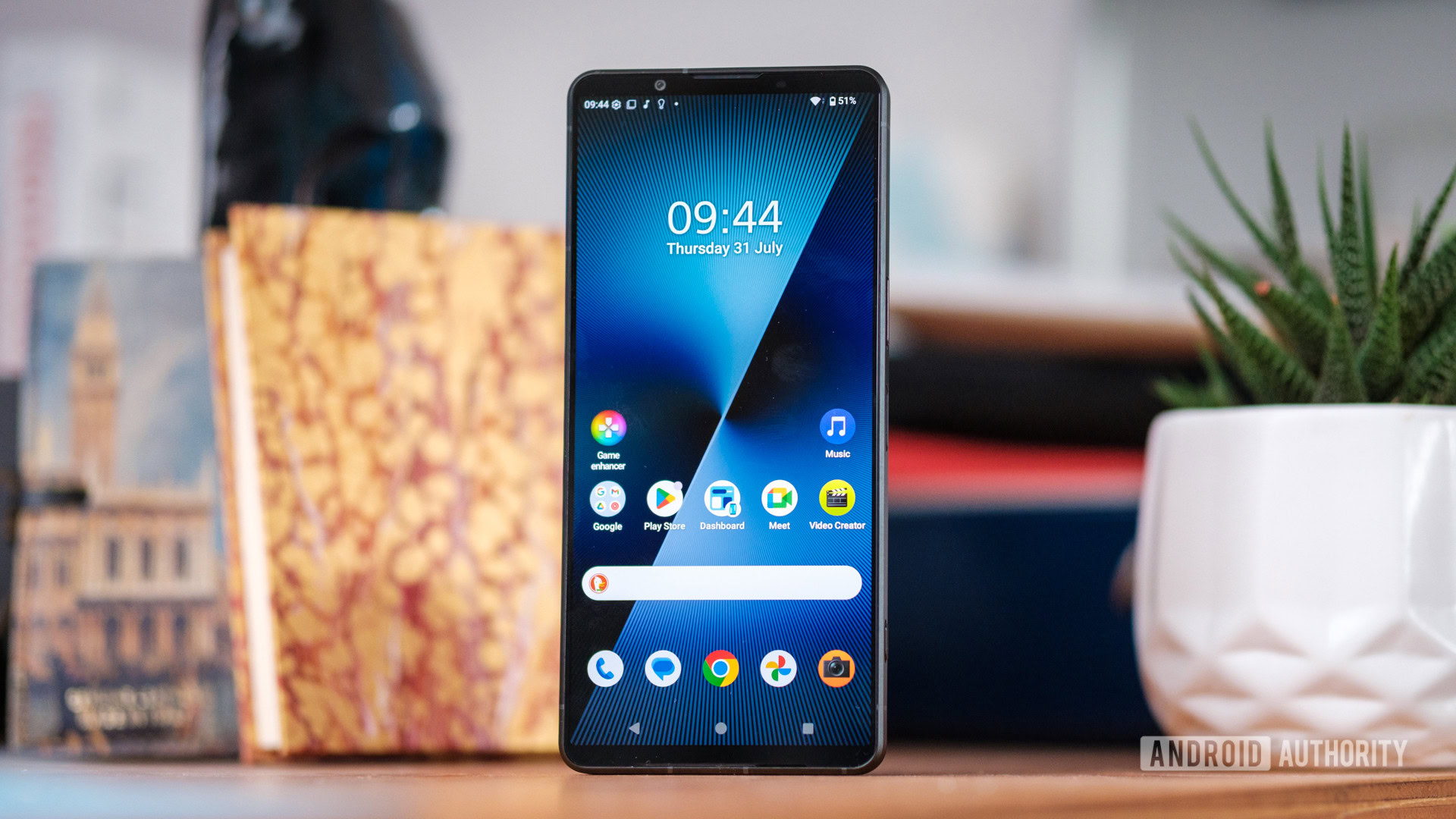
Sony’s strategy in 2025 remained consistent: cater to a niche audience of multimedia professionals and enthusiasts. The Xperia 1 VII and Xperia 5 VII continued to deliver unparalleled camera experiences, drawing heavily from Sony’s Alpha camera division, and offered pristine 4K displays with no punch-holes, a rarity in the market. The inclusion of a 3.5mm headphone jack and expandable storage further endeared them to purists. Yet, this focus on niche excellence meant Sony struggled to appeal to the mainstream. Their designs, while functional, often felt dated compared to rivals, and their marketing efforts were minimal. High price points, coupled with limited availability, meant Sony remained a boutique brand rather than a mass-market contender, placing them lower in the overall Android OEM Ranking 2025 despite their technical prowess in specific areas.
Motorola: The Mid-Range Maverick’s Struggle for Identity
Motorola had an interesting 2025, continuing its strong presence in the budget and mid-range segments, particularly in North America. Their Moto G series remained a reliable choice for consumers seeking dependable performance without breaking the bank, offering clean Android experiences and decent battery life. The foldable Razr line saw incremental improvements, becoming more durable and refined. However, Motorola’s challenge in 2025 was a lack of clear flagship identity and inconsistent software updates outside their initial launch window. While often offering near-stock Android, their update cadence could be slow, leaving users waiting for the latest features and security patches. This inconsistency, coupled with a less aggressive push into premium innovation compared to some rivals, kept them from significantly moving up the Android OEM Ranking 2025.
The Contenders: Mid-Tier Innovators
These OEMs represent the vibrant middle ground of the Android market. They are not quite at the top, but they consistently deliver innovative products, strong user experiences, and are actively pushing the boundaries, making them exciting players to watch in the Android OEM Ranking 2025.
HONOR: Rebuilding and Redefining
HONOR continued its remarkable comeback story in 2025, solidifying its independence and pushing innovation. After shedding its former parent company, HONOR invested heavily in R&D, resulting in devices like the Magic 6 Pro, which boasted impressive camera capabilities and advanced AI features powered by their own NPU. Their foldable phones, such as the Magic V3, also saw significant advancements in hinge technology and display durability. HONOR’s commitment to premium design and robust software support, including longer update cycles, helped them gain traction in global markets. While still working to rebuild consumer trust and expand market reach, their consistent innovation and improved user experience positioned them as a strong mid-tier contender in the Android OEM Ranking 2025, making significant strides to challenge the established giants. Their focus on integrating smart features and enhancing user privacy also resonated well with consumers.
Nothing: The Design Disruptor’s Evolution
Nothing entered 2025 with considerable buzz, and they largely delivered on their promise of unique design and a minimalist software experience. The Nothing Phone (3) refined the Glyph Interface, making it even more intuitive and integrated into the user experience, moving beyond mere novelty. Their software, Nothing OS, remained clean, fast, and remarkably bloatware-free, garnering praise from tech enthusiasts. Nothing also expanded its ecosystem with improved earbuds and even a foray into smart home devices, albeit with some initial challenges related to interoperability, echoing broader industry issues. For those interested in the evolving landscape of smart home integration, understanding the current hurdles, including problems with Matter, can provide valuable context. While their product line remained relatively lean, the quality and distinctiveness of their offerings secured them a solid position in the mid-tier of the Android OEM Ranking 2025, proving that innovation isn’t just about raw specs.
Vivo: The Imaging Innovator’s Global Ascent
Vivo continued its impressive ascent in 2025, largely driven by its exceptional camera technology and innovative design. Collaborations with Zeiss further enhanced their imaging capabilities, with devices like the Vivo X100 Pro delivering some of the most versatile and high-quality smartphone photography experiences available. Vivo also pushed boundaries in battery technology and fast charging, offering solutions that significantly reduced downtime. Their Funtouch OS continued to mature, offering a balance of customization and performance. While their global market presence was still expanding, particularly in Western markets, their consistent innovation and strong focus on imaging made them a formidable contender. Vivo’s strategic partnerships and commitment to pushing mobile photography further solidified its place as a key player in the Android OEM Ranking 2025.
OPPO: The All-Rounder’s Refinement
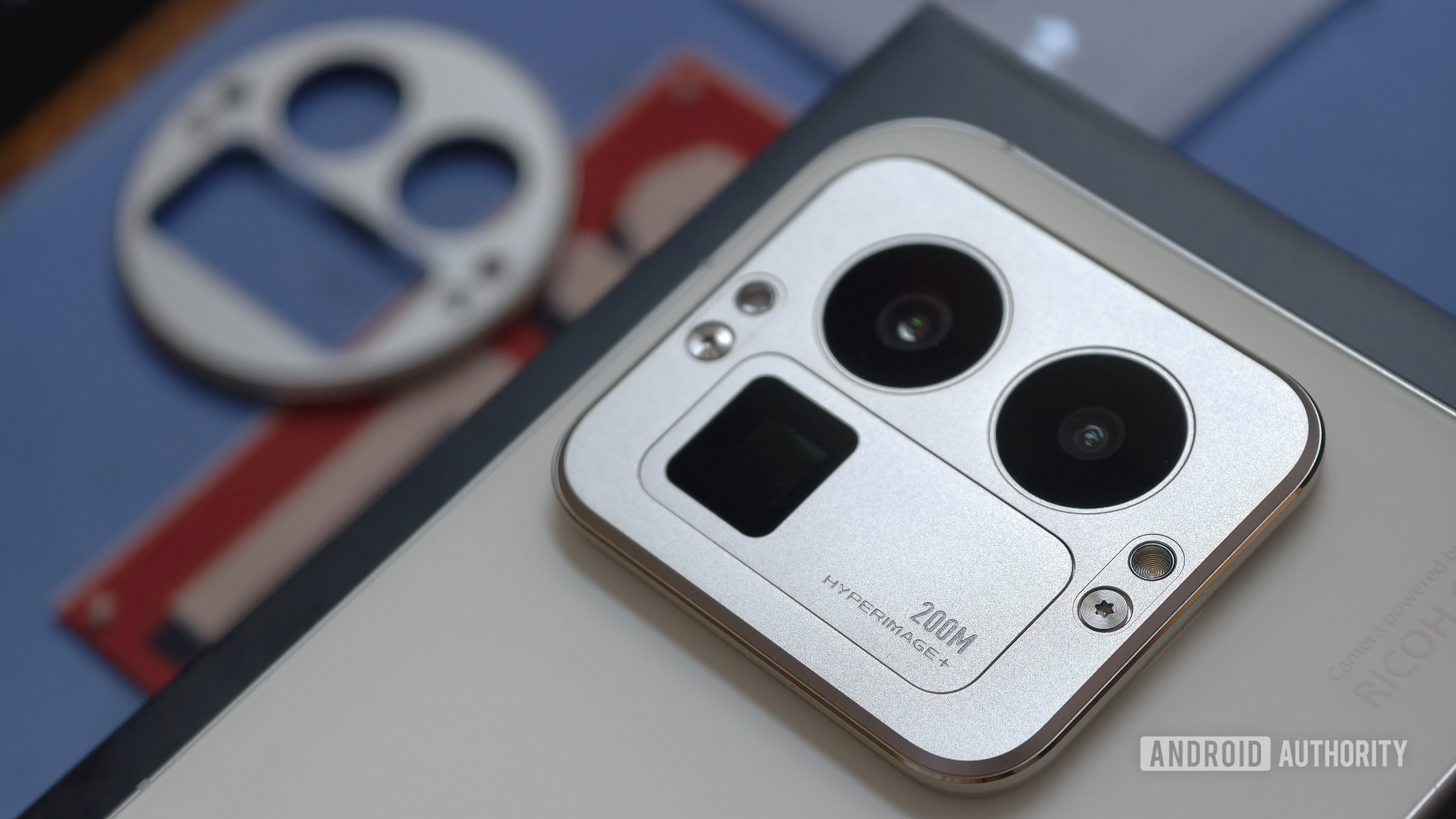
OPPO maintained its reputation as a strong all-rounder in 2025, consistently delivering devices that excelled in multiple areas. The Find X7 Pro was a testament to their engineering prowess, featuring a stunning display, powerful performance, and a highly capable camera system. Their SuperVOOC fast charging technology remained industry-leading, offering unparalleled charging speeds. OPPO also made significant strides in their foldable lineup, with the Find N4 proving to be a durable and refined option. ColorOS, their Android skin, continued to improve in terms of user experience and feature set, striking a good balance between customization and fluidity. OPPO’s strong presence in Asia and growing footprint in Europe positioned them as a major force, solidifying their high-ranking status among mid-tier innovators in the Android OEM Ranking 2025. Their dedication to user experience across their diverse product portfolio is evident.
OnePlus: The Resurgent Flagship Killer
OnePlus experienced a significant resurgence in 2025, recapturing much of its “flagship killer” appeal. After some years of perceived drift, the OnePlus 13 and OnePlus 13 Pro were widely praised for their return to core OnePlus values: blistering performance, excellent software optimization (OxygenOS), and incredibly fast charging. The partnership with Hasselblad continued to yield impressive camera results, and the company focused on delivering a premium experience at a slightly more accessible price point than traditional flagships. Their commitment to community feedback and transparent development processes also helped rekindle their fan base. While not yet challenging the market leaders in sheer volume, OnePlus’s renewed focus on enthusiast-grade devices and robust performance placed them firmly among the top contenders in the Android OEM Ranking 2025, signaling a strong comeback. Furthermore, for users looking to optimize their digital content experience, exploring useful digital tools, such as methods to save your favourite YouTube videos, complements the high-performance media consumption capabilities of OnePlus devices.
The Leaders: Dominating the Android Landscape
These are the titans of the Android world, setting trends, driving innovation, and consistently delivering top-tier products that define the smartphone experience. Their influence on the Android OEM Ranking 2025 is undeniable.
Xiaomi: The Innovation Powerhouse
Xiaomi continued its relentless pursuit of innovation in 2025, cementing its position as a global technology powerhouse. The Xiaomi 15 Ultra pushed boundaries with its liquid lens camera technology, offering unprecedented versatility in mobile photography, and its silicon-carbon battery delivered multi-day endurance. Xiaomi’s commitment to cutting-edge display technology, ultra-fast charging, and powerful chipsets meant their devices consistently topped performance charts. Beyond smartphones, their vast ecosystem of smart devices, from smart home gadgets to wearables, further strengthened their appeal. For instance, those looking into personal tech and fitness might consider exploring options like scoring significant savings on the Garmin Venu 3S, which integrates seamlessly into a broader tech ecosystem. While MIUI still had its detractors for occasional bloatware, the overall package offered by Xiaomi in 2025 was incredibly compelling, making them a top-tier contender in the Android OEM Ranking 2025.
Google: The Software Maestro’s Hardware Evolution

Google’s Pixel line continued to define the software-first approach to Android in 2025. The Pixel 10 and Pixel 10 Pro, powered by the Tensor G5 chip, pushed the boundaries of on-device AI, delivering unparalleled computational photography, seamless language translation, and truly intelligent assistant features. The clean, unadulterated Android experience, coupled with immediate and long-term software updates, remained a major draw. While hardware design was still somewhat conservative compared to some rivals, Google made significant strides in battery life and display quality. Their focus on making the smartphone a truly intelligent companion, deeply integrated with services and AI, solidified their position as a top-tier performer in the Android OEM Ranking 2025. Google’s vision for smart technology also extends to other areas, with significant advancements expected for Alexa and the broader smart home ecosystem, showcasing their influence across various tech domains.
Samsung: The Undisputed Android Champion
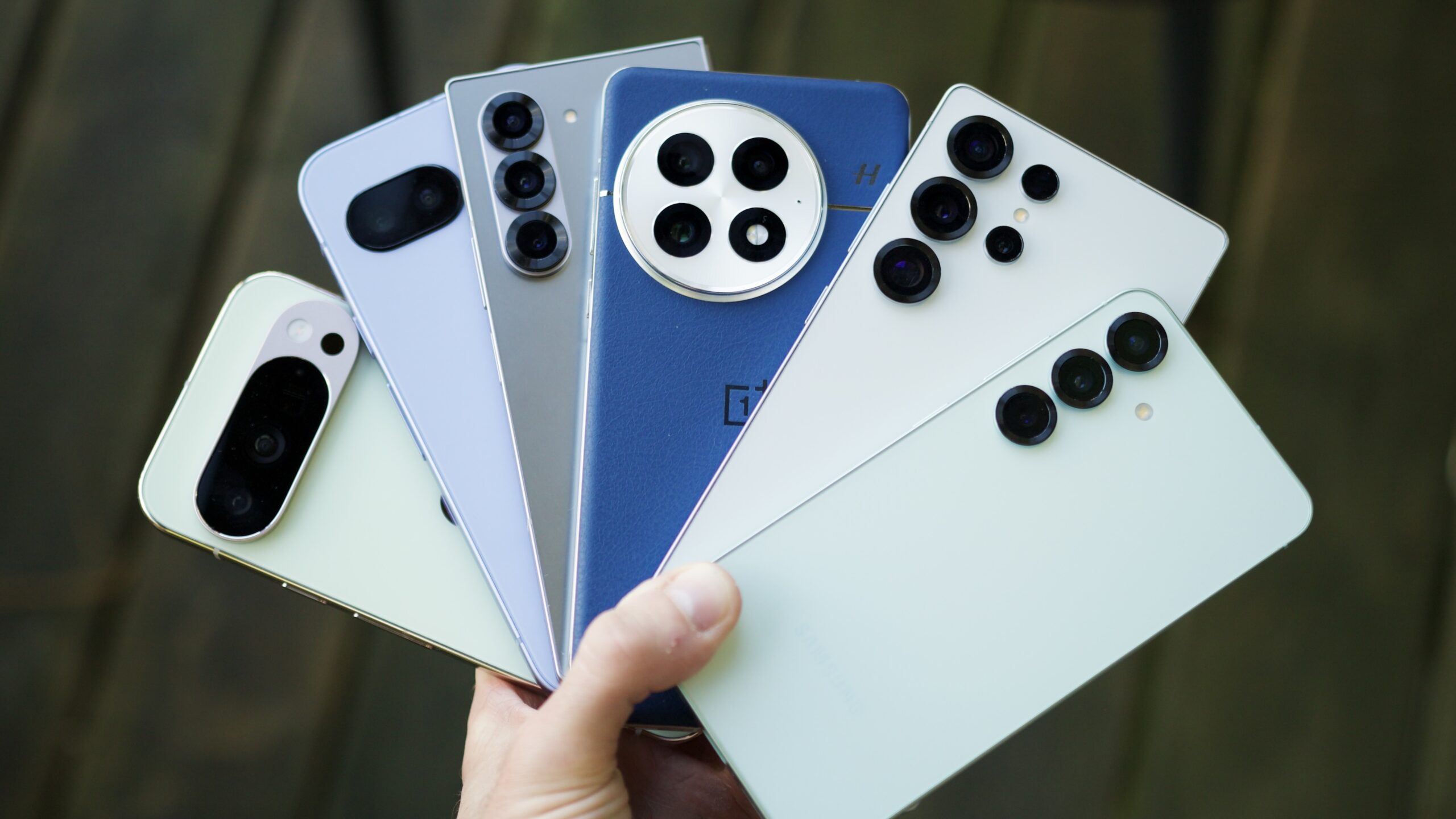
Once again, Samsung reigns supreme in the Android OEM Ranking 2025. Their unparalleled ecosystem, diverse product portfolio, and consistent innovation across all price segments make them the undisputed leader. The Galaxy S25 Ultra was a masterpiece of engineering, featuring an even more refined S Pen, a revolutionary camera system with enhanced zoom capabilities, and a display that remained the industry benchmark. Samsung’s foldable phones, the Galaxy Z Fold 7 and Z Flip 7, achieved new levels of durability and mainstream appeal, truly pushing the form factor into wider adoption. Their commitment to software updates, offering some of the longest support cycles in Android, alongside their extensive range of smartwatches, tablets, and smart home appliances, creates a cohesive and compelling user experience. Whether it’s the premium flagships or the highly competitive A-series, Samsung consistently delivers quality and innovation, making them the benchmark against which all other Android OEMs are measured. Their continued dominance is a testament to their comprehensive strategy and relentless pursuit of excellence, encompassing everything from hardware to services. For those exploring aspirational purchases, be it a flagship phone or even dream cars you might secretly covet, Samsung often sets the standard for premium experiences in the tech world.