Samsung Galaxy J8: Unveiling Key Features & Specs
The Samsung Galaxy J8 was a compelling mid-range smartphone that offered a blend of performance, features, and affordability. Understanding its key characteristics is essential for anyone considering purchasing a used model or simply wanting to learn more about Samsung’s history in the smartphone market. This article provides a comprehensive overview of the Samsung Galaxy J8 characteristics, covering everything from its display and camera to its performance and battery life.
We’ll delve into the specifics of its screen resolution, pixel density, and how these factors contribute to the overall user experience. Furthermore, we’ll explore the camera capabilities, examining the dual-lens setup and its performance in various lighting conditions. By the end of this article, you’ll have a thorough understanding of the strengths and weaknesses of the Galaxy J8, allowing you to make informed decisions about its suitability for your needs.
Display and Design: A Visual Experience
The Samsung Galaxy J8 boasts a 6.0-inch Super AMOLED display with a resolution of 720 x 1480 pixels. This translates to a pixel density of approximately 274 ppi (pixels per inch). While not the sharpest display on the market, the Super AMOLED technology provides vibrant colors, deep blacks, and excellent contrast. These characteristics make the screen suitable for multimedia consumption, browsing the web, and playing games. The aspect ratio of 18.5:9 offers a taller and narrower screen, providing more screen real estate for viewing content and improving one-handed usability.
The physical design of the Galaxy J8 is characterized by a plastic build, which helps keep the device lightweight. The back panel houses the dual-camera setup and a fingerprint sensor for secure unlocking. The device also includes a 3.5mm headphone jack, a feature that remains popular among many users. The overall design is functional and comfortable to hold, although the plastic construction may not feel as premium as some of its competitors.
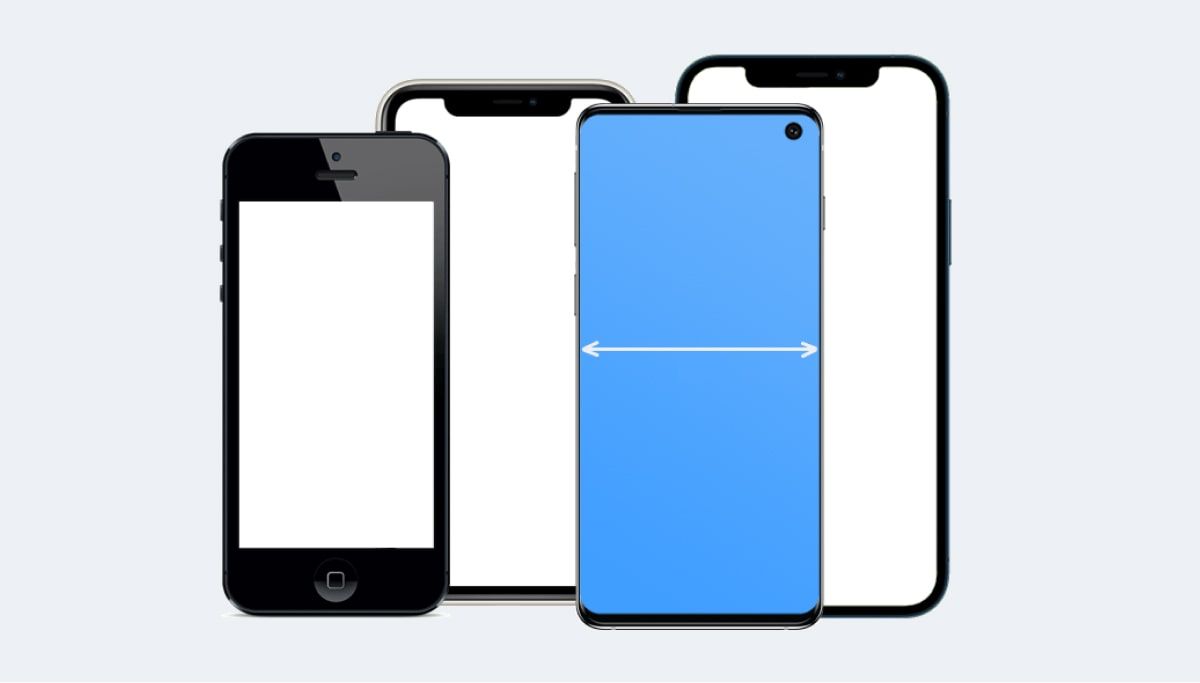
The viewport resolution, which is crucial for web designers and developers, is 360 pixels in width and 740 pixels in height. This information is essential for optimizing websites and applications for the Galaxy J8’s screen size. It’s important to note that the height is indicative due to browser variations like Safari and Chrome reducing the visible area. Some analytics tools may display the manufacturer’s resolution instead of the viewport resolution, so careful interpretation is necessary.
Camera Capabilities: Capturing Moments
The Samsung Galaxy J8 features a dual-camera setup on the rear, consisting of a 16MP primary sensor with an aperture of f/1.7 and a 5MP secondary sensor with an aperture of f/1.9. This combination allows for depth sensing, enabling features like Live Focus (portrait mode) with adjustable background blur. The camera is capable of capturing decent photos in well-lit conditions, producing images with good detail and accurate colors. However, low-light performance can be a challenge, with images often appearing noisy and lacking detail. The front-facing camera is a 16MP sensor with an aperture of f/1.9, which is suitable for selfies and video calls.
The camera app offers a variety of modes and features, including HDR, panorama, and beauty mode. It also supports video recording at 1080p resolution at 30 frames per second. While the video quality is acceptable for casual use, it’s not on par with flagship devices that offer 4K recording. The Samsung Galaxy J8’s camera system is a solid performer for its price range, providing enough features and capabilities for everyday photography needs. Considering other options available, it’s worth noting the specifications of other similar devices, such as the Samsung Galaxy J5 Prime, to compare camera performance and features.

Performance and Software: Smooth Operation
The Samsung Galaxy J8 is powered by a Qualcomm Snapdragon 450 processor, an octa-core chip clocked at 1.8 GHz. This processor is paired with either 3GB or 4GB of RAM, depending on the variant. The Snapdragon 450 provides adequate performance for everyday tasks such as browsing the web, checking emails, and using social media apps. However, it may struggle with more demanding tasks like playing graphically intensive games or running multiple apps simultaneously. The Galaxy J8 also comes with 32GB or 64GB of internal storage, expandable via a microSD card.
The device runs on Android 8.0 Oreo with Samsung’s Experience UI on top. This user interface offers a variety of customization options and features, including themes, gestures, and a secure folder for storing sensitive information. Samsung’s Experience UI is generally smooth and responsive, although it can feel a bit bloated compared to stock Android. The software experience is a key aspect of any smartphone, and Samsung has continuously improved its user interface over the years. For example, comparing the Samsung S7 reveals how Samsung’s software has evolved.
The Snapdragon 450’s architecture is designed for power efficiency, contributing to the device’s good battery life. While not a powerhouse, the Galaxy J8’s performance is sufficient for most users looking for a reliable and affordable smartphone. The performance characteristics of the Samsung Galaxy J8 make it a suitable choice for users who prioritize battery life and everyday usability over high-end gaming or demanding applications.
Battery Life and Connectivity: Staying Connected
The Samsung Galaxy J8 is equipped with a 3,500mAh battery, which provides excellent battery life. Most users can expect to get a full day of usage on a single charge, even with moderate to heavy use. The Snapdragon 450 processor’s efficiency contributes to the device’s long battery life. However, the Galaxy J8 does not support fast charging, so it can take a few hours to fully charge the battery.
In terms of connectivity, the Galaxy J8 supports 4G LTE, Wi-Fi 802.11 b/g/n, Bluetooth 4.2, GPS, and FM radio. It also includes a microUSB port for charging and data transfer. The device supports dual SIM cards, allowing users to use two different phone numbers on the same device. The connectivity options are standard for a mid-range smartphone, providing reliable and convenient access to networks and peripherals.
Key Specifications: A Quick Overview
To summarize the key Samsung Galaxy J8 characteristics, here’s a table outlining its specifications:
Advantages and Disadvantages: A Balanced View
Like any smartphone, the Samsung Galaxy J8 has its strengths and weaknesses. Here’s a balanced view of its advantages and disadvantages:
Advantages:
- Vibrant Super AMOLED display
- Good battery life
- Decent camera performance in good lighting
- Expandable storage via microSD card
- Dual SIM support
Disadvantages:
- Plastic build may not feel premium
- Low-resolution display compared to competitors
- Low-light camera performance could be better
- No fast charging support
- Snapdragon 450 processor may struggle with demanding tasks
Considering these advantages and disadvantages, the Samsung Galaxy J8 is a suitable option for users who prioritize display quality, battery life, and expandable storage. However, those seeking a more premium design, higher resolution display, or better performance may want to consider alternative devices. Comparing the features of the Samsung Galaxy J4 can also provide a broader perspective on Samsung’s J series offerings.
Alternatives to the Samsung Galaxy J8
While the Samsung Galaxy J8 offers a compelling set of features, several alternatives are available in the same price range that might be a better fit for certain users. Some popular alternatives include:
- Xiaomi Redmi Note Series: Offers better performance and camera capabilities at a similar price point.
- Motorola Moto G Series: Provides a clean Android experience and reliable performance.
- Oppo Realme Series: Offers stylish designs and competitive features.
When considering alternatives, it’s important to evaluate your specific needs and priorities. If performance and camera quality are paramount, the Xiaomi Redmi Note series might be a better choice. If you prefer a clean and bloat-free Android experience, the Motorola Moto G series could be a good option. The Oppo Realme series stands out with its stylish designs and competitive features, appealing to users who value aesthetics. The Samsung Galaxy J7 Pro, another device in the same series, offers a different set of features and might be worth considering as well.
Conclusion: Is the Samsung Galaxy J8 Right for You?
The Samsung Galaxy J8 is a solid mid-range smartphone that offers a good balance of features and performance. Its vibrant Super AMOLED display, long battery life, and expandable storage make it a suitable choice for everyday users. However, its plastic build, low-resolution display, and average camera performance may not appeal to everyone. By understanding the Samsung Galaxy J8 characteristics and comparing it to alternative devices, you can make an informed decision about whether it’s the right smartphone for your needs. Ultimately, the best smartphone is the one that meets your specific requirements and fits within your budget.