Unveiling the Samsung Galaxy S9: A Deep Dive into Key Features
The Samsung Galaxy S9, released in 2018, was a flagship device that built upon the success of its predecessor. While newer models have since been released, the Galaxy S9 remains a relevant device, especially for those seeking a reliable and feature-rich smartphone at a more accessible price point. This article provides a comprehensive overview of the Samsung Galaxy S9 characteristics, covering its display, performance, camera capabilities, and other notable features.
Display and Design: A Visual Feast
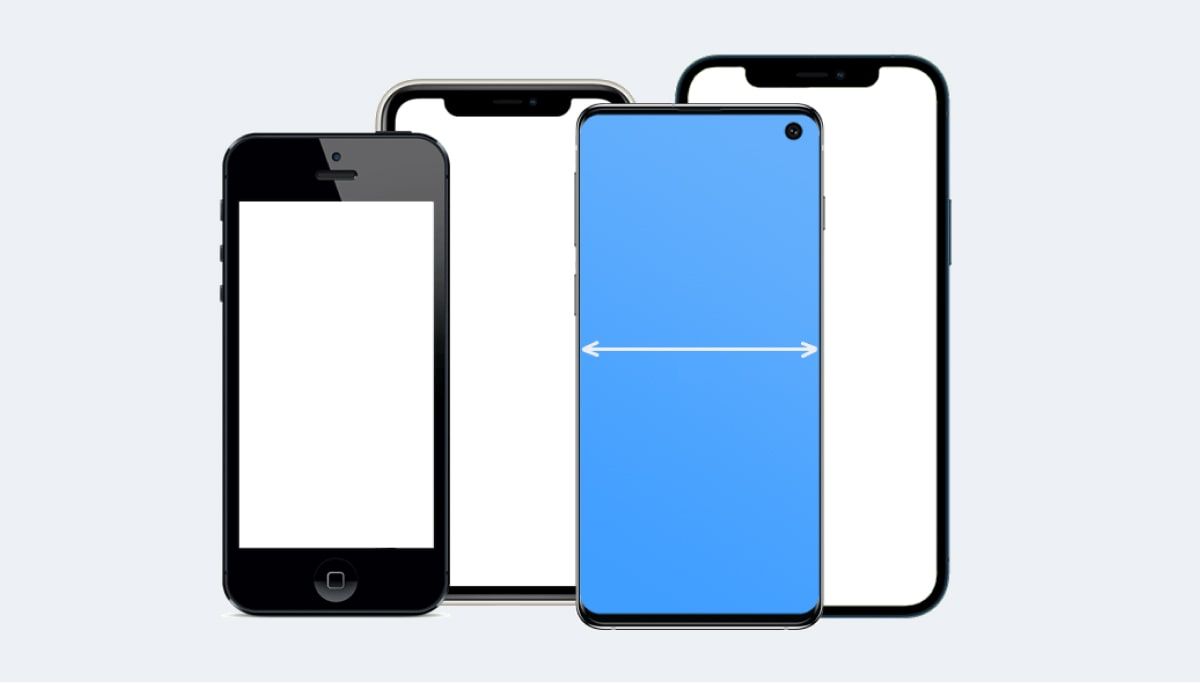
The Samsung Galaxy S9 boasts a stunning 5.8-inch Super AMOLED display with a resolution of 2960 x 1440 pixels. This translates to a pixel density of approximately 570 ppi, resulting in incredibly sharp and vibrant visuals. The Super AMOLED technology ensures deep blacks, excellent contrast, and wide viewing angles. The display is also protected by Corning Gorilla Glass 5, providing enhanced scratch resistance. The viewport resolution, crucial for designers and developers when designing responsive websites, is 360 pixels in width and 740 pixels in height.
The design of the Galaxy S9 is a refinement of the S8’s design, with a slightly more compact form factor and improved ergonomics. The bezels are slim, maximizing the screen-to-body ratio. The fingerprint sensor has been relocated to a more convenient position below the camera, addressing a common complaint about the S8. The phone is also IP68-rated for water and dust resistance, offering added durability. If you’re interested in comparing this display technology, you might want to read a closer look at display and resolution technologies.
- Display Size: 5.8 inches
- Resolution: 2960 x 1440 pixels
- Technology: Super AMOLED
- Protection: Corning Gorilla Glass 5
- Pixel Density: ~570 ppi
Performance and Hardware: Power Under the Hood
The Samsung Galaxy S9 is powered by either the Qualcomm Snapdragon 845 (in the US and China) or the Exynos 9810 (in other markets) processor. Both are powerful octa-core processors that deliver excellent performance for demanding tasks such as gaming, video editing, and multitasking. The phone comes with 4GB of RAM and 64GB, 128GB, or 256GB of internal storage, depending on the variant. Storage is expandable via microSD card.
The Snapdragon 845 features four Kryo 385 Gold cores clocked at up to 2.8 GHz and four Kryo 385 Silver cores clocked at up to 1.7 GHz. The Exynos 9810 features four custom M3 cores clocked at up to 2.7 GHz and four Cortex-A55 cores clocked at up to 1.8 GHz. Both processors are paired with a powerful GPU for smooth graphics performance. The performance of the S9 is still impressive and comparable to devices like the Huawei Mate 10 Lite in terms of overall value, even years after its initial release.
- Processor: Qualcomm Snapdragon 845 or Exynos 9810
- RAM: 4GB
- Storage: 64GB/128GB/256GB (expandable via microSD)
- GPU: Adreno 630 (Snapdragon) or Mali-G72 MP18 (Exynos)
Camera Capabilities: Capture the Moment
One of the standout Samsung Galaxy S9 characteristics is its camera. The phone features a 12MP rear camera with a variable aperture, which can switch between f/1.5 and f/2.4 depending on the lighting conditions. The f/1.5 aperture is the widest ever on a smartphone, allowing for excellent low-light performance. The camera also features optical image stabilization (OIS) and dual-pixel autofocus for sharp and stable images. The front-facing camera is an 8MP sensor with autofocus.
The Galaxy S9’s camera is capable of recording 4K video at 60fps and also features super slow-motion video recording at 960fps. The camera software includes a variety of modes and features, such as AR Emoji, which allows users to create personalized emojis based on their facial expressions. The camera’s low-light capabilities truly shine, capturing detailed and vibrant images even in challenging lighting conditions. This attention to camera quality is a feature often seen in other flagship devices, such as the Google Pixel 2 XL.
- Rear Camera: 12MP (f/1.5-f/2.4, OIS, dual-pixel autofocus)
- Front Camera: 8MP (autofocus)
- Video Recording: 4K at 60fps, super slow-motion at 960fps
- Features: Variable aperture, AR Emoji
Software and Features: A Seamless Experience
The Samsung Galaxy S9 launched with Android 8.0 Oreo with Samsung’s Experience UI on top. The software is highly customizable and includes a variety of features, such as Bixby, Samsung’s virtual assistant, and Always On Display, which shows the time, date, and notifications even when the screen is off. Samsung has since updated the Galaxy S9 to Android 10 with One UI 2.0, bringing even more features and improvements.
The Galaxy S9 also includes features such as Samsung Pay, which allows users to make mobile payments using NFC or MST technology. The phone also supports wireless charging and fast charging. The software experience is smooth and responsive, thanks to the powerful processor and ample RAM. The user interface is designed for ease of use and offers a wealth of customization options. Even older devices like the Apple iPhone 5c can offer a unique software experience, but the Galaxy S9 provides a modern and feature-rich environment.
- Operating System: Android 8.0 Oreo (upgradable to Android 10)
- User Interface: Samsung Experience UI/One UI
- Features: Bixby, Always On Display, Samsung Pay, Wireless Charging, Fast Charging
Connectivity and Battery Life: Staying Connected
The Samsung Galaxy S9 supports a wide range of connectivity options, including 4G LTE, Wi-Fi 802.11 a/b/g/n/ac, Bluetooth 5.0, GPS, and NFC. The phone also has a USB Type-C port for charging and data transfer. The battery capacity is 3000mAh, which provides decent battery life for moderate usage. Battery life will naturally decrease over time, but the S9 still offers adequate power for daily tasks.
The Galaxy S9 also supports fast wireless charging, allowing you to quickly replenish the battery without using a cable. The phone’s connectivity options are comprehensive, ensuring that you can stay connected wherever you go. The Bluetooth 5.0 technology offers improved range and speed compared to previous versions. For those who enjoy listening to music, the S9 also retains the 3.5mm headphone jack, a feature that is becoming increasingly rare in modern smartphones. This commitment to user preference is similar to how many audiophiles value refined listening experiences, even if it means using older technology.
- Connectivity: 4G LTE, Wi-Fi 802.11 a/b/g/n/ac, Bluetooth 5.0, GPS, NFC
- Ports: USB Type-C, 3.5mm headphone jack
- Battery: 3000mAh
- Charging: Fast charging, wireless charging
Table of Specifications: A Quick Overview of Samsung Galaxy S9 Characteristics
Here’s a table summarizing the key Samsung Galaxy S9 characteristics:
The Samsung Galaxy S9 in 2024: Still a Worthwhile Option?
Even several years after its release, the Samsung Galaxy S9 remains a compelling option for budget-conscious buyers. Its combination of a stunning display, capable performance, and excellent camera makes it a well-rounded device. While it may not have all the latest features found in newer smartphones, the Galaxy S9 still offers a premium experience at an affordable price. The S9 is a testament to Samsung’s engineering, and it continues to be a reliable device for many users. While it may not be a track-ready device like the 2025 Toyota GR Corolla, it is a dependable everyday companion.
The availability of software updates also extends the lifespan of the device, ensuring compatibility with newer apps and services. The Galaxy S9’s compact size is also a plus for those who prefer smaller smartphones. Ultimately, the decision of whether or not to purchase a Galaxy S9 in 2024 depends on individual needs and preferences. However, it is certainly worth considering for those seeking a reliable and affordable smartphone.