LG G5: Exploring Key Features and Specifications
The LG G5, released in 2016, was a pioneering smartphone that attempted to revolutionize the mobile market with its modular design. While it didn’t achieve widespread success, it remains a noteworthy device due to its innovative approach and unique features. This article delves into the key features and specifications of the LG G5, exploring its design, performance, camera capabilities, and overall user experience.
The LG G5 aimed to stand out from the competition by offering users the ability to customize their device with modular accessories. These “Friends,” as LG called them, included a camera grip with physical controls and an enhanced audio module. While the modular concept was intriguing, its implementation had limitations, and the G5 ultimately faced challenges in the market. Despite this, understanding the LG G5’s specifications provides valuable insight into the evolution of smartphone design and technology.
Design and Modularity: A Bold Experiment
The LG G5 sported a sleek, all-metal unibody design, a departure from LG’s previous plastic-heavy designs. The device felt premium in hand, and its curved edges provided a comfortable grip. However, the most distinctive aspect of the G5 was its modular design. By pressing a button on the side, users could remove the bottom “chin” of the phone, allowing them to swap in different modules.
This modularity was intended to enhance the phone’s functionality. The two primary modules were the LG CAM Plus, a camera grip that added physical buttons for shooting photos and videos, and the LG Hi-Fi Plus with B&O PLAY, an audio module that promised superior sound quality. While the idea was innovative, the process of swapping modules felt clunky, and the limited availability of modules hindered its appeal. The Samsung Galaxy S8, released shortly after, offered a more refined and integrated user experience, contributing to the G5’s challenges.
Despite its drawbacks, the modular design of the LG G5 showcased LG’s willingness to experiment and push the boundaries of smartphone design. It paved the way for future modular phone concepts, although none have achieved mainstream success to date.
Display and Performance: A Visual and Processing Powerhouse
The LG G5 featured a 5.3-inch IPS LCD display with a Quad HD resolution of 2560 x 1440 pixels. This resulted in a pixel density of approximately 554 ppi, delivering sharp and vibrant visuals. The display also supported always-on functionality, allowing users to glance at the time and notifications without waking the phone.
Under the hood, the LG G5 was powered by a Qualcomm Snapdragon 820 processor, paired with 4GB of RAM. This combination provided smooth and responsive performance for everyday tasks, gaming, and multitasking. The Snapdragon 820 was a flagship processor at the time, ensuring that the G5 could handle demanding applications with ease.
The phone also included 32GB of internal storage, expandable via a microSD card slot. This allowed users to store a large number of photos, videos, and other files without running out of space. The LG G5’s display and performance capabilities were top-notch for its time, providing a premium user experience. For those looking for devices with excellent performance, exploring the specifications of the Google Pixel can provide a good comparison.
Camera Capabilities: Capturing Memories in Detail
The LG G5 boasted a dual-camera setup on the rear, consisting of a 16-megapixel standard lens and an 8-megapixel wide-angle lens. This allowed users to capture a wider field of view, making it ideal for group photos and landscape shots. The camera also featured optical image stabilization (OIS) and laser autofocus, ensuring sharp and clear images even in challenging lighting conditions.
The camera app offered a variety of shooting modes, including manual mode, which gave users more control over settings such as ISO, white balance, and shutter speed. The G5’s camera was capable of recording 4K video at 30 frames per second, allowing users to capture high-quality videos with excellent detail. The front-facing camera was an 8-megapixel sensor, perfect for selfies and video calls.
The LG G5’s camera capabilities were among the best in its class, providing users with a versatile and high-performing imaging experience. The wide-angle lens was a particularly unique feature that set the G5 apart from its competitors. Consider comparing these features to those of the Samsung Galaxy J7 to see how different brands approached camera technology at the time.
Battery Life and Connectivity: Powering Your Day
The LG G5 was powered by a 2,800 mAh removable battery. While this capacity might seem small by today’s standards, it was adequate for a day of moderate use. The removable battery was another unique feature of the G5, allowing users to swap in a fresh battery when needed. This was particularly useful for users who were heavy phone users or who traveled frequently.
The phone supported fast charging via Qualcomm Quick Charge 3.0, allowing users to quickly replenish the battery. In terms of connectivity, the LG G5 supported Wi-Fi 802.11 a/b/g/n/ac, Bluetooth 4.2, GPS, NFC, and USB Type-C. It also included a fingerprint sensor on the back for secure unlocking.
The LG G5’s battery life and connectivity options were competitive for its time, providing users with a reliable and convenient mobile experience. The inclusion of a removable battery was a welcome feature for many users who valued the ability to extend their phone’s battery life.
Software and User Experience: A Smooth and Customizable Interface
The LG G5 launched with Android 6.0 Marshmallow, overlaid with LG’s custom UX 5.0 user interface. This interface offered a variety of customization options, allowing users to personalize their phone to their liking. The UX 5.0 interface also included several LG-specific features, such as Knock On, which allowed users to wake the phone by double-tapping on the screen.
LG’s UX 5.0 was generally well-received, offering a smooth and responsive user experience. However, some users found the interface to be a bit cluttered and bloated with pre-installed apps. Over time, LG released software updates that improved the phone’s performance and added new features. The iPadOS 26 update demonstrates how software updates can significantly enhance the user experience over time.
The LG G5’s software and user experience were generally positive, providing users with a customizable and feature-rich interface. While some users might have preferred a more stock Android experience, LG’s UX 5.0 offered a unique and functional alternative. The ability to customize the interface and take advantage of LG-specific features added to the phone’s overall appeal.
The LG G5’s Viewport Resolution and Pixel Density
Understanding the viewport resolution and pixel density is crucial for web developers and designers aiming to optimize websites and applications for mobile devices. The LG G5, with its specific screen characteristics, presents a valuable case study for responsive design principles.
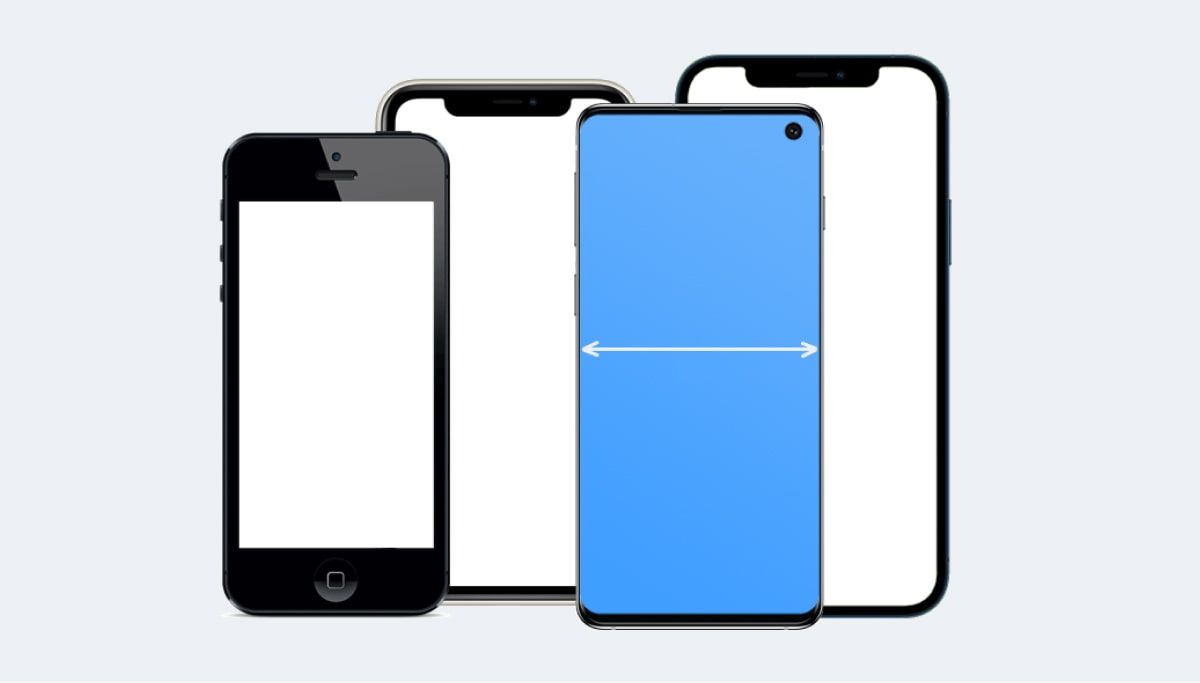
The viewport resolution of the LG G5 is approximately 360 pixels in width and 640 pixels in height. This resolution is the one most relevant to designers and developers as it dictates the breakpoints and media query definitions for responsive websites. It’s important to note that the height can be indicative due to browser elements like the address bar reducing the visible area.
The pixel density of the LG G5 is 4. This means there are four physical pixels for every one logical pixel. This high pixel density contributes to the sharpness and clarity of the display. CSS media queries can target devices with a minimum pixel density using the following code:
@media only screen and (-webkit-min-device-pixel-ratio: 4) { /* CSS rules for devices with pixel density of 4 or higher */ }
JavaScript can also be used to retrieve the device pixel ratio using the window.devicePixelRatio property. This allows developers to dynamically adjust content based on the device’s pixel density.
The constructor resolution of the LG G5, given its pixel density, is 1440 pixels in width and 2560 pixels in height. Some analytics tools may only display this constructor resolution, which can lead to misinterpretations if not properly understood.
Detailed Specifications Table for the LG G5
To provide a comprehensive overview, here’s a detailed table summarizing the key specifications of the LG G5:
Challenges and Market Reception: Why the G5 Faced Obstacles
Despite its innovative features, the LG G5 faced several challenges in the market. The modular design, while unique, was not widely adopted by consumers. The limited availability of modules and the somewhat clunky process of swapping them hindered its appeal. Additionally, the G5 faced stiff competition from other flagship smartphones, such as the Samsung Galaxy S7 and the iPhone 6s, which offered more polished and refined experiences.
The LG G5’s market reception was lukewarm, with sales falling short of expectations. While the phone received positive reviews for its performance and camera capabilities, its modular design was often criticized for being gimmicky and impractical. Ultimately, the LG G5 failed to capture the attention of mainstream consumers, and LG eventually abandoned the modular concept in subsequent smartphone releases. Understanding these challenges is crucial for anyone involved in tech sales, as highlighted in this guide to top tech sales.
Despite its commercial failure, the LG G5 remains a noteworthy device in the history of smartphones. It demonstrated LG’s willingness to take risks and experiment with new technologies. While the modular design was ultimately unsuccessful, it paved the way for future innovations in smartphone design and functionality.
Alternative Smartphones in 2016: A Comparative Landscape
When the LG G5 was released in 2016, it entered a highly competitive market dominated by several other flagship smartphones. Understanding the landscape of alternative devices at the time provides valuable context for assessing the G5’s strengths and weaknesses.
The Samsung Galaxy S7 and S7 Edge were arguably the G5’s biggest competitors. These devices offered a more refined design, excellent performance, and a superior camera experience. The iPhone 6s and 6s Plus were also popular choices, known for their smooth performance, intuitive user interface, and strong ecosystem. The HTC 10, another flagship device from 2016, offered a premium design, powerful performance, and a well-regarded camera. You can find more information about HTC devices in this guide to HTC Desire specifications.
Each of these alternative smartphones had its own unique strengths and weaknesses. The Galaxy S7 and S7 Edge excelled in camera performance and display quality, while the iPhone 6s and 6s Plus offered a seamless user experience and a vast app ecosystem. The HTC 10 stood out with its premium design and powerful audio capabilities. The LG G5, with its modular design and wide-angle camera, attempted to differentiate itself from the competition. However, its modularity was not enough to overcome the strengths of its rivals.
The Legacy of the LG G5: Innovation and Experimentation
While the LG G5 may not have achieved widespread commercial success, it left a lasting legacy in the smartphone industry. Its modular design, while ultimately unsuccessful, demonstrated LG’s willingness to innovate and experiment with new technologies. The G5’s wide-angle camera also set it apart from its competitors and paved the way for future dual-camera setups in smartphones.
The LG G5 served as a valuable learning experience for LG and the broader smartphone industry. It highlighted the challenges of implementing modularity in a consumer-friendly way and underscored the importance of a cohesive and polished user experience. Despite its shortcomings, the LG G5 remains a fascinating case study in smartphone design and innovation. The emphasis on user experience is crucial, especially when considering devices like the HTC Desire 10 Lifestyle, where design and usability are key selling points.
The LG G5’s legacy extends beyond its specific features and specifications. It represents a time when smartphone manufacturers were actively exploring new and unconventional approaches to design and functionality. While not all of these experiments were successful, they contributed to the overall evolution of the smartphone industry and paved the way for future innovations.
In conclusion, the LG G5, despite its challenges, represents a significant moment in smartphone history. Its bold attempt at modularity and its innovative camera features left a lasting impact on the industry. While it may not have achieved its initial goals, the LG G5’s specifications and features continue to be a topic of interest for tech enthusiasts and historians alike. Consider exploring Lenovo laptop deals if you are interested in other innovative technologies.