The Unraveling of a Champion: OnePlus’s 2025 Downfall Analyzed
As 2025 drew to a close, the tech world reflected on a year of significant shifts and unexpected turns. For many, a standout narrative was the unexpected trajectory of OnePlus. What began with such promise, hinting at a triumphant year, ultimately spiraled into what many now refer to as the OnePlus 2025 downfall. A brand once synonymous with innovation, community engagement, and incredible value found itself grappling with a series of missteps that severely tested its market position and eroded the trust of its loyal fanbase. This article delves into the critical decisions and market forces that led to this dramatic shift, exploring how a year that started with such high hopes concluded with widespread disappointment for the smartphone manufacturer.
The journey of OnePlus in 2025 is a compelling case study in the volatile nature of the consumer electronics industry. From the initial euphoria surrounding its flagship launches to the growing chorus of criticism concerning its software, pricing, and overall strategy, the year painted a stark picture of a company struggling to maintain its identity and competitive edge. Understanding the factors contributing to the OnePlus 2025 downfall offers valuable insights not just for industry watchers, but for any brand navigating rapid technological evolution and fierce market competition.
The Promising Dawn of 2025: OnePlus at its Zenith
The OnePlus 13 Series: A Triumphant Launch
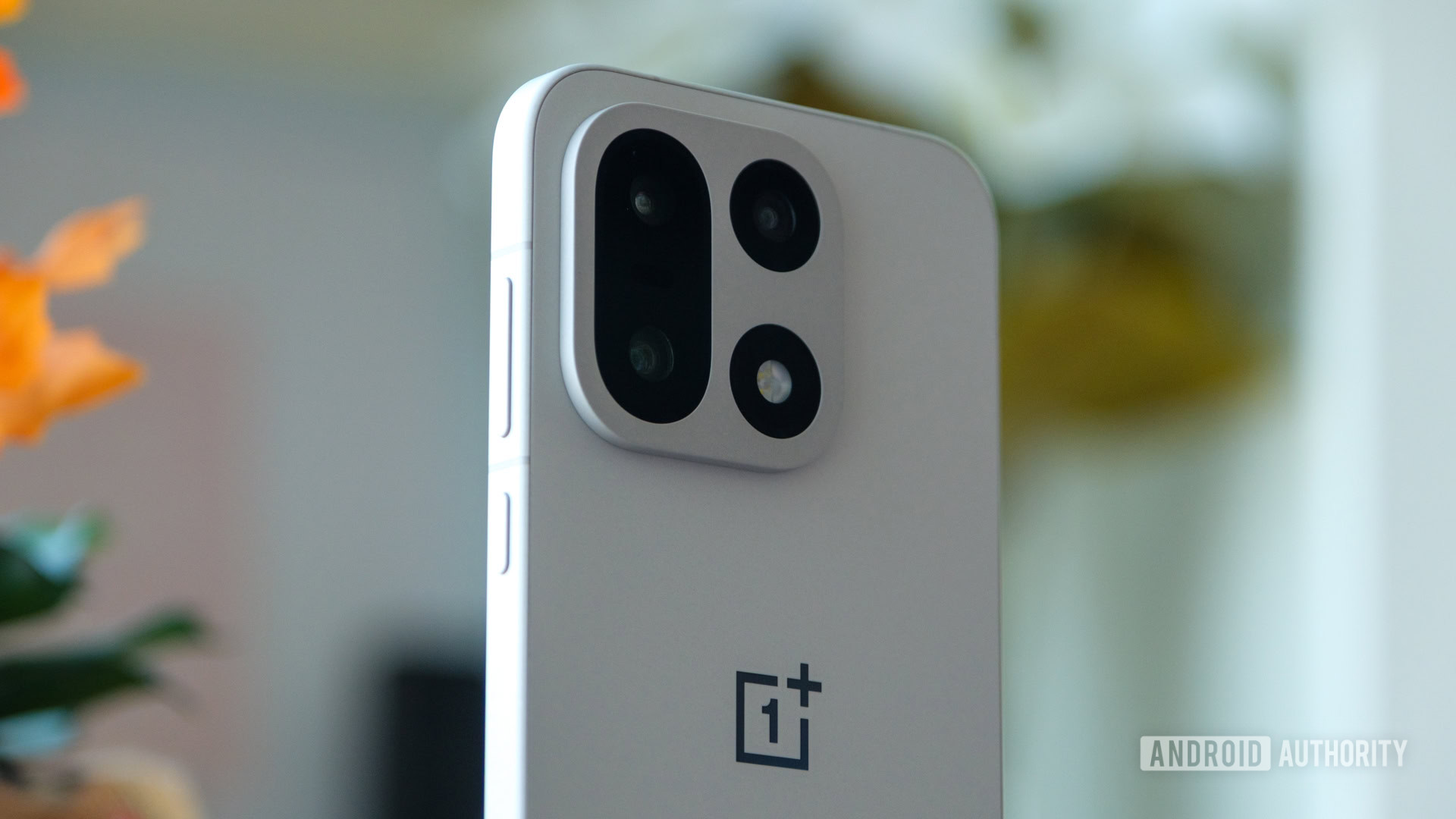
The year 2025 kicked off with an undeniable bang for OnePlus. The global launch of the OnePlus 13 and OnePlus 13R on January 7th was met with widespread critical acclaim and enthusiastic consumer response. Reviewers lauded the OnePlus 13 as a true flagship contender, a device that finally “did everything right.” Its design was refreshingly unique, moving away from the often iterative aesthetics seen elsewhere in the market. The camera system, a traditional area of contention for OnePlus, saw significant advancements, challenging established leaders with its improved computational photography and versatile lens array.
Performance was, as expected, top-tier, powered by the latest chipsets and optimized software. However, it was the battery life and charging speeds that truly set the OnePlus 13 apart, offering an unmatched experience that catered to the demands of modern smartphone users. While competitors like Samsung were perceived to be coasting on recycled designs and incremental upgrades, OnePlus pushed the envelope, offering genuine innovation and a compelling value proposition. This initial success made the subsequent OnePlus 2025 downfall all the more perplexing and impactful, as the company seemed poised for its most dominant year yet.
The OnePlus 13 series was more than just a collection of impressive specifications; it was a statement. It signaled a return to the “flagship killer” ethos that had initially propelled OnePlus to prominence, but with a maturity and polish that elevated it beyond its earlier, more niche offerings. The global market, hungry for fresh ideas and genuine value, responded positively, and for a brief, shining period, it appeared that OnePlus was indeed winning 2025.
The First Cracks Appear: Shifting Strategies and Missed Opportunities
Confused Product Lineup and Market Saturation
Despite the strong start, signs of trouble began to emerge as the year progressed. OnePlus, seemingly eager to capitalize on its early success, diversified its product portfolio at an accelerated pace. What was once a lean lineup of a few distinct models began to swell with numerous variants across different price points, often leading to confusion among consumers. The introduction of several “Nord” series devices, alongside “R” and “T” versions of its main flagships, blurred the lines between its offerings.
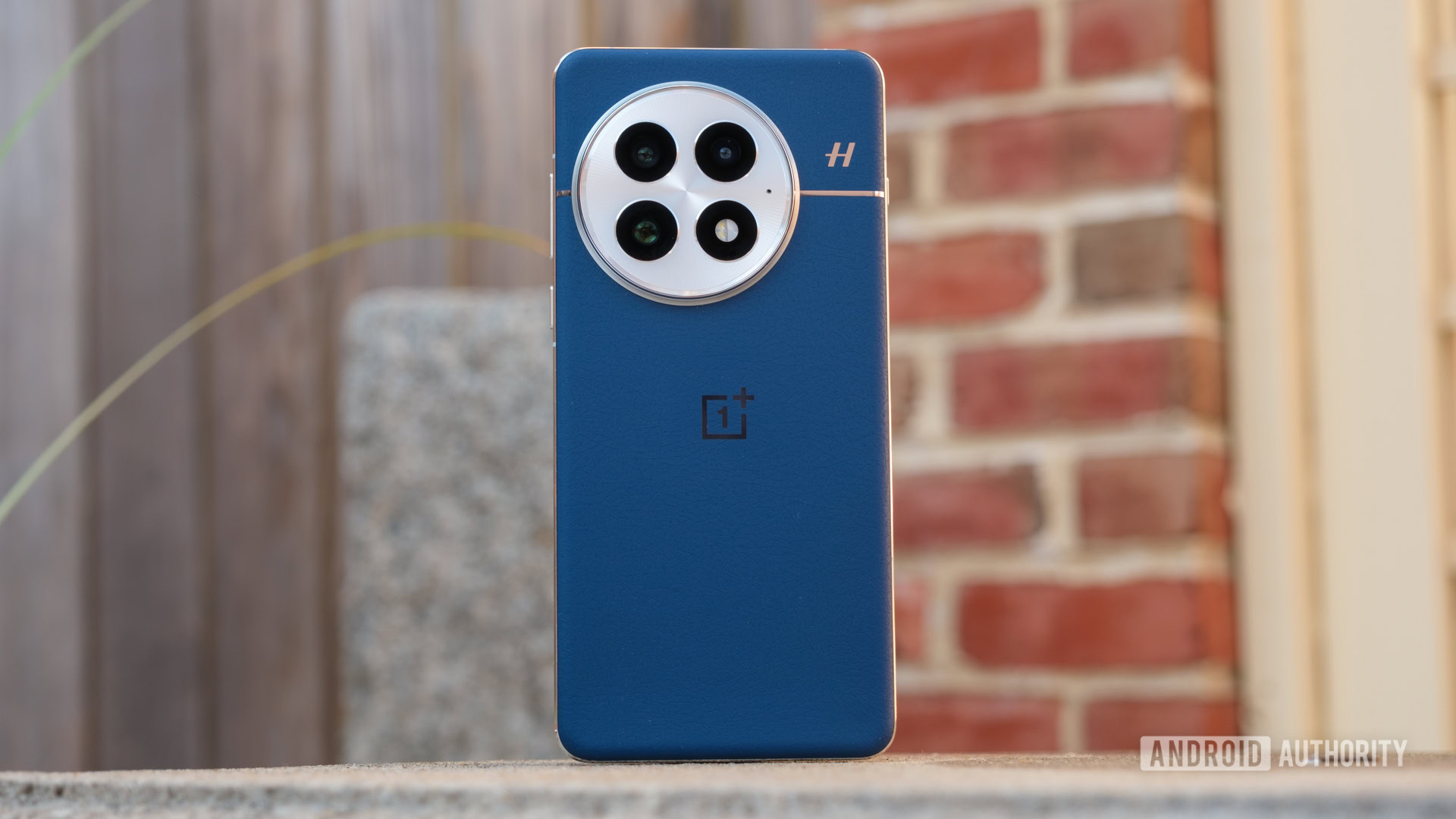
This strategy, intended to capture a broader market share, instead diluted the brand’s core identity. Consumers struggled to differentiate between models, and the unique selling propositions that once defined OnePlus began to fade. The sheer volume of new releases also strained development resources, potentially impacting the quality control and long-term support for each device. This over-saturation in its own ecosystem was a significant contributor to the OnePlus 2025 downfall, as the company moved away from its focused approach.
Software Woes and User Discontent
Perhaps the most significant blow to OnePlus’s reputation in 2025 came from its software experience. OxygenOS, once revered for its clean, near-stock Android interface and thoughtful customizations, continued its integration with ColorOS, leading to a less distinct and often buggy user experience. Users reported a noticeable decline in software stability, slower updates, and a loss of the unique “OnePlus feel” that had cultivated such a loyal following.
The promise of timely and consistent software updates, a cornerstone of OnePlus’s early appeal, also faltered. Many devices received delayed security patches and major Android version upgrades, leaving users feeling neglected. This growing discontent within the user base, particularly among long-term fans, highlighted a critical area where the company began to lose its footing. The software experience is often the most personal aspect of a smartphone, and its deterioration played a crucial role in the OnePlus 2025 downfall, eroding trust and loyalty built over years.
The Mid-Year Meltdown: Critical Missteps in Product Development
The Disappointing OnePlus 14 and Foldable Ambitions
Following the success of the OnePlus 13, expectations for the subsequent flagship, the OnePlus 14, were sky-high. However, its mid-year launch proved to be a major letdown. The OnePlus 14 was perceived as an iterative update, lacking the groundbreaking innovation that characterized its predecessor. Its design, while still premium, felt less inspired, and the camera system, despite minor tweaks, didn’t offer a significant leap forward. Crucially, its pricing strategy positioned it dangerously close to established premium flagships from Samsung and Apple, without offering a compelling reason to choose it over the more refined alternatives.

Adding to this, OnePlus’s foray into the foldable smartphone market with its “Open” series also failed to make a significant impact. While the hardware was generally competent, the devices were often criticized for their software experience, which lagged behind competitors like Samsung’s Z Fold series. The high price points, coupled with a lack of compelling differentiation, meant that OnePlus struggled to carve out a meaningful share in this nascent yet competitive segment. These product development missteps significantly contributed to the OnePlus 2025 downfall, as the brand lost its reputation for delivering exceptional value and innovation.
Pricing Pitfalls and Value Erosion
The “flagship killer” moniker was central to OnePlus’s identity for years. It promised premium features at a more accessible price point than its rivals. However, in 2025, this promise seemed increasingly hollow. The pricing strategy for new OnePlus devices, particularly the OnePlus 14 and its subsequent variants, saw a steady climb, placing them squarely in the premium segment without the established brand prestige or ecosystem advantages of its competitors.
This erosion of value was a critical factor in the OnePlus 2025 downfall. Consumers, who once flocked to OnePlus for its unbeatable performance-to-price ratio, now found themselves questioning the justification for the increased cost. When placed side-by-side with offerings from Samsung, Apple, or even aggressive Chinese competitors like Xiaomi and Honor, OnePlus struggled to present a clear, compelling value proposition. The market demands a clear reason to choose one device over another, and OnePlus, by abandoning its value-centric approach, lost a significant competitive edge.
To illustrate this shift, consider the following comparison of approximate launch prices for premium smartphones in 2025:
Eroding Trust: Community Backlash and Brand Damage
Neglecting the Core Fanbase
OnePlus built its initial success on the back of an exceptionally passionate and engaged community. Forums, social media groups, and fan events were central to its brand identity, fostering a sense of belonging and direct communication between the company and its users. However, in 2025, this vital connection appeared to fray. Communication from the company became less frequent, less transparent, and often reactive rather than proactive.
The perceived shift away from the “Never Settle” philosophy, coupled with the aforementioned software issues and confusing product strategy, led to a significant backlash from the core fanbase. Many long-time users expressed feelings of abandonment and betrayal, arguing that OnePlus had lost sight of what made it special. This alienation of its most ardent supporters was a profound factor in the OnePlus 2025 downfall, as word-of-mouth recommendations and organic evangelism, once a strength, turned into a source of negative sentiment.
Service and Support Deterioration
Beyond product and software, the customer service and after-sales support experience also saw a noticeable decline. Reports of slow response times, inefficient repair processes, and unhelpful support agents became more frequent. In a market where customer loyalty is increasingly tied to the overall ownership experience, a weakening in this area can be devastating. For a brand that once prided itself on a premium experience at every touchpoint, this deterioration was particularly damaging.
The cumulative effect of these issues—product missteps, software problems, and a decline in community and support—created a perfect storm that severely impacted OnePlus’s brand image. What started as a promising year quickly devolved into a period of damage control, struggling to regain consumer confidence. This multifaceted erosion of trust was undeniably a core component of the OnePlus 2025 downfall, impacting future sales and market perception.
The Competitive Landscape Intensifies: Rivals Seize the Moment
Aggressive Moves from Competitors
While OnePlus grappled with its internal challenges, the broader smartphone market in 2025 was anything but stagnant. Competitors, sensing an opportunity, intensified their efforts, offering compelling alternatives across various segments. Samsung continued its dominance with refined flagships and expanded mid-range options, while Google’s Pixel line made significant strides in camera technology and AI integration. Chinese manufacturers like Xiaomi, Honor, and Realme aggressively pursued market share with feature-rich devices at competitive prices, often outperforming OnePlus in specific categories.
Furthermore, 2025 was a truly fantastic year for unique smartphone tech, with innovations in display technology, battery advancements, and processing power becoming standard across many brands. This made it even harder for OnePlus to stand out when its own innovations seemed to falter. The competitive pressure was immense, and without a clear, consistent strategy, OnePlus found itself losing ground to rivals who were more agile and focused.
The broader tech landscape also saw significant shifts. For instance, the automotive sector experienced remarkable progress, with advancements in self-driving EV technology from companies like Xpeng challenging established players. This general atmosphere of relentless innovation across industries meant that consumers were increasingly expecting cutting-edge features and seamless experiences, raising the bar for all tech companies, including OnePlus. Even in the realm of consumer savings, the market was vibrant, with aggressive EV deals and significant holiday savings on leading tech brands becoming commonplace, further intensifying the competition for consumer disposable income.

The rapid pace of technological development wasn’t limited to smartphones alone. The year also saw remarkable progress in other consumer tech segments, such as innovations in wearable health technology with advanced features like snore tracking being integrated into smart rings. These broader trends underscore that the market was ripe with innovation, but OnePlus’s challenges prevented it from fully capitalizing on these opportunities.
What Could Have Been: Lessons from OnePlus’s 2025 Downfall
Reclaiming the “Never Settle” Mantra
The OnePlus 2025 downfall serves as a powerful reminder of the importance of staying true to a brand’s core values. For OnePlus, “Never Settle” was more than just a marketing slogan; it was a promise of uncompromising quality, performance, and user experience. The missteps of 2025 suggest a deviation from this ethos, where the focus shifted from genuine innovation and community engagement to market expansion and incremental updates.
To reclaim its position, OnePlus must re-evaluate its product strategy. This means prioritizing a streamlined, well-differentiated product lineup, ensuring that each device offers a clear, compelling reason for existence. It also necessitates a renewed commitment to software excellence, addressing the stability and update concerns that plagued OxygenOS. More importantly, it requires rebuilding the bridge with its community, fostering open communication, and actively listening to user feedback. The brand’s strength was always its people-centric approach, and a return to this foundation is crucial for any future success.
The Path Forward: A Glimmer of Hope for 2026?
Despite the challenges of 2025, the year isn’t necessarily an insurmountable defeat for OnePlus. The company still possesses significant engineering talent, a global distribution network, and a recognizable brand name. The lessons learned from the OnePlus 2025 downfall could provide a roadmap for a more focused and strategic approach in 2026 and beyond.
Potential strategies for recovery include:
- Focusing on fewer, more impactful products: Instead of saturating the market, concentrate resources on delivering one or two truly exceptional devices that embody the “flagship killer” spirit.
- Reinvesting in OxygenOS: Prioritize software stability, user experience, and timely updates to rebuild trust with the user base.
- Re-establishing community engagement: Open channels of communication, involve the community in product development, and celebrate user contributions.
- Finding a clear market niche: Whether it’s through unparalleled fast charging, a unique design language, or a specific software advantage, OnePlus needs a