Finding the perfect gift for a teenager can feel like navigating a minefield. Their tastes are constantly evolving, and what’s “in” today might be utterly “out” tomorrow. But fear not! Black Friday 2025 is here, and with it comes a treasure trove of deals on best tech gifts for teens that are sure to impress even the most discerning young adults. This guide cuts through the noise, spotlighting 20 amazing tech gifts that are not only trending but also useful, entertaining, and even educational. Get ready to conquer your holiday shopping list and become the gift-giving champion!

Retro Cool & Instant Memories
Polaroid Now 3rd Generation
In a world dominated by digital screens and fleeting online moments, there’s something undeniably appealing about tangible memories. The Polaroid Now 3rd Generation taps into this desire for authenticity, offering a classic analog experience that’s perfect for teens who appreciate a touch of retro cool. This isn’t just a camera; it’s a conversation starter, a creative outlet, and a way to capture moments in a unique and lasting format.
The Polaroid Now 3rd Gen is a classic analog device that lets you watch your photos develop in real time. It doesn’t have any megapixels, and ejects a keepable, framable, non-scrollable physical object. Imagine the joy of instantly sharing a printed photo with friends, decorating a locker, or creating a personalized scrapbook. This is more than just taking a picture; it’s about creating a physical memento.
Audio Bliss: Headphones & Speakers
Beats Solo 4 Earphones
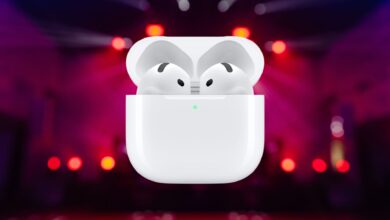
Music is a powerful force in a teenager’s life, providing an escape, a source of inspiration, and a way to connect with others. Gifting a quality pair of headphones, like the Beats Solo 4, is an investment in their listening experience. These headphones aren’t just about sound; they’re about style, comfort, and immersion.
The Beats Solo 4 bluetooth headphones sound great, with spatial audio and head tracking, and they come in five colors, so they look great too. There’s a reason they have a 4.6 star rating on Amazon. With spatial audio and head tracking, these headphones offer an immersive listening experience that puts the listener right in the middle of the music. The sleek design and variety of colors make them a stylish accessory that teens will be proud to wear. Consider also the benefits of noise cancellation, which can be a lifesaver in noisy environments like school hallways or public transportation.
Portable Bluetooth Speakers
For teens who love to share their music with friends, a portable Bluetooth speaker is a must-have. Look for models that are durable, water-resistant, and offer long battery life. Bonus points for speakers with built-in lights or other fun features.
Smartwatches & Fitness Trackers
Apple Watch Series 10
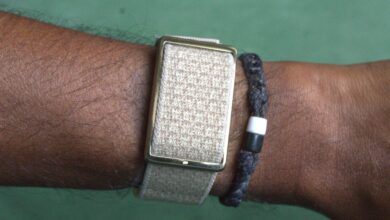
More than just a timepiece, a smartwatch can be a valuable tool for teens to stay connected, track their fitness, and manage their time. The Apple Watch Series 10 offers a wide range of features, from notifications and communication to health tracking and entertainment. Consider also the latest models from Fitbit or Garmin, which are particularly popular among fitness enthusiasts.
With features like activity tracking, sleep monitoring, and heart rate monitoring, the Apple Watch Series 10 can help teens stay on top of their health and fitness goals. The ability to receive notifications and respond to messages directly from their wrist keeps them connected without constantly reaching for their phone. And with access to a vast library of apps, the possibilities are endless.
Gaming Gear for the Win
Gaming Headsets
For teens who are serious gamers, a high-quality gaming headset is essential. Look for headsets with comfortable earcups, clear audio, and a reliable microphone for communicating with teammates. Brands like HyperX, Razer, and SteelSeries offer a wide range of options to suit different budgets and preferences.
Gaming Laptops
A powerful gaming laptop allows teens to enjoy their favorite games on the go. The Razer Blade 14 is a popular choice, known for its sleek design and impressive performance. Look for laptops with dedicated graphics cards, fast processors, and plenty of RAM.
Creative Tools & Gadgets
Digital Notebooks
For teens who love to draw, write, or take notes, a digital notebook can be a game-changer. These devices offer a paper-like writing experience with the added benefits of digital storage, organization, and sharing. Explore the top digital notebooks of 2025 to find the perfect fit.
Digital notebooks allow teens to unleash their creativity without the limitations of traditional paper notebooks. They can easily erase mistakes, experiment with different colors and brushes, and share their creations with friends and family. These devices are also great for taking notes in class, organizing assignments, and brainstorming ideas.
Drawing Tablets
For more advanced digital artists, a drawing tablet is a must-have tool. These tablets connect to a computer and allow users to draw directly onto the screen using a stylus. Wacom is a leading brand in the drawing tablet market, offering a range of options for different skill levels and budgets.
Tablets & E-Readers
iPad Mini 7
A tablet can be a versatile tool for teens, offering a balance of entertainment, productivity, and portability. The iPad Mini 7 is a compact and powerful option that’s perfect for students or anyone who wants a device they can easily take on the go. It’s worth comparing the iPad Mini 7 vs. iPad Mini 6 to understand the upgrades.
With its stunning display, powerful processor, and access to a vast library of apps, the iPad Mini 7 is perfect for everything from watching videos and playing games to creating presentations and writing papers. Its compact size makes it easy to carry in a backpack or purse, making it a great choice for students or anyone who’s always on the go.
Kindle ColorSoft
For teens who love to read, a Kindle e-reader is a great gift idea. The Kindle ColorSoft is a niche e-reader designed for visual storytellers. With access to millions of books, magazines, and comics, a Kindle e-reader can keep them entertained and engaged for hours on end. Consider models with adjustable front lights for comfortable reading in any lighting conditions.
Smart Home Gadgets
Smart Lighting
Transform a teen’s room with smart lighting. LED strip lights are especially popular, allowing teens to customize the ambiance with different colors and effects. Smart bulbs can also be controlled via smartphone or voice assistant, adding convenience and personalization to their living space.
Smart Speakers
A smart speaker, like the Amazon Echo or Google Home, can be a helpful and entertaining addition to a teen’s room. They can use it to play music, set alarms, answer questions, control smart home devices, and more. These devices can also be a great way to stay organized and on top of their schedule.
Educational Tech
Coding Kits
Encourage a teen’s interest in STEM with a coding kit. These kits provide hands-on learning experiences that teach the basics of coding in a fun and engaging way. Look for kits that are age-appropriate and align with their interests, such as robotics, game development, or web design.
Telescopes
Spark a teen’s curiosity about the universe with a telescope. A telescope can provide hours of entertainment and education, allowing them to explore the night sky and learn about astronomy. Look for telescopes that are easy to set up and use, and consider models with smartphone adapters for capturing and sharing images.
Practical Tech for Everyday Life
Portable Chargers
In today’s connected world, a portable charger is an essential accessory for teens. Look for models that are compact, lightweight, and offer fast charging speeds. Bonus points for chargers with multiple ports for charging multiple devices at once.
Laptop Sleeves & Backpacks
Protect a teen’s valuable tech with a stylish and durable laptop sleeve or backpack. Look for sleeves and backpacks that are padded to protect against bumps and scratches, and consider models with water-resistant materials for added protection against the elements.
Unique & Quirky Tech Gifts
Mini Projectors
Turn any room into a home theater with a mini projector. These portable projectors are perfect for watching movies, playing games, or giving presentations. Look for models with high resolution, good brightness, and built-in speakers.
Wireless Charging Pads
Simplify a teen’s charging routine with a wireless charging pad. These pads allow them to charge their smartphones and other devices without the hassle of cables. Look for models that are compatible with their devices and offer fast charging speeds.
VR Headsets
Immerse a teen in virtual reality with a VR headset. These headsets offer a unique and engaging gaming and entertainment experience. Look for models that are compatible with their smartphones or gaming consoles, and consider models with comfortable head straps and adjustable lenses.
Acer Chromebook Plus 515
Consider a Chromebook for teens needing a reliable and affordable laptop for school. See why the Acer Chromebook Plus 515 stands out as a great choice for students.
Conclusion: Black Friday Tech Deals for Teens
Black Friday 2025 offers an incredible opportunity to snag amazing deals on best tech gifts for teens. Whether you’re looking for retro-cool cameras, immersive audio gear, smartwatches, gaming accessories, or creative tools, there’s something for every teenager on this list. Remember to do your research, compare prices, and take advantage of these limited-time offers to make this holiday season unforgettable. Happy shopping!
Investing in a quality pair of headphones like the Beats Solo 4 is a great way to show you care. Consider also the functionality of top tablets of 2025, which offer a balance of entertainment and productivity.
For teens looking to enhance their note-taking and creative processes, exploring the functionality of the top digital notebooks of 2025 can provide valuable insights.
Choosing a tech gift can be challenging, but understanding the differences between the iPad Mini 7 vs. 6 can help you make an informed decision.
For teens who love to read, the Kindle ColorSoft offers a unique experience for visual storytellers, making it a great gift option.
For the music lovers on your list, consider the unbeatable headphone deal on the Beats Studio Pro this Black Friday, offering premium audio quality and style.
For the gamer on your list, consider the portable powerhouse that is the Razer Blade 14, now available with Black Friday deals.