Samsung Galaxy Fold (2019): Display & Specs Unveiled
The Samsung Galaxy Fold (2019) marked a pivotal moment in smartphone technology, introducing a foldable display and a unique user experience. Understanding the display characteristics and specifications of this groundbreaking device is essential for developers, designers, and anyone interested in the evolution of mobile technology. This article delves into the key features of the Samsung Galaxy Fold (2019), focusing on its screen resolution, pixel density, and other crucial specifications. It also explores how these characteristics impact web development and design, providing insights for creating responsive and optimized content. We will examine the viewport resolution, constructor resolution, and the implications of pixel density for delivering a seamless visual experience on the Galaxy Fold.
Understanding the Samsung Galaxy Fold (2019) Display
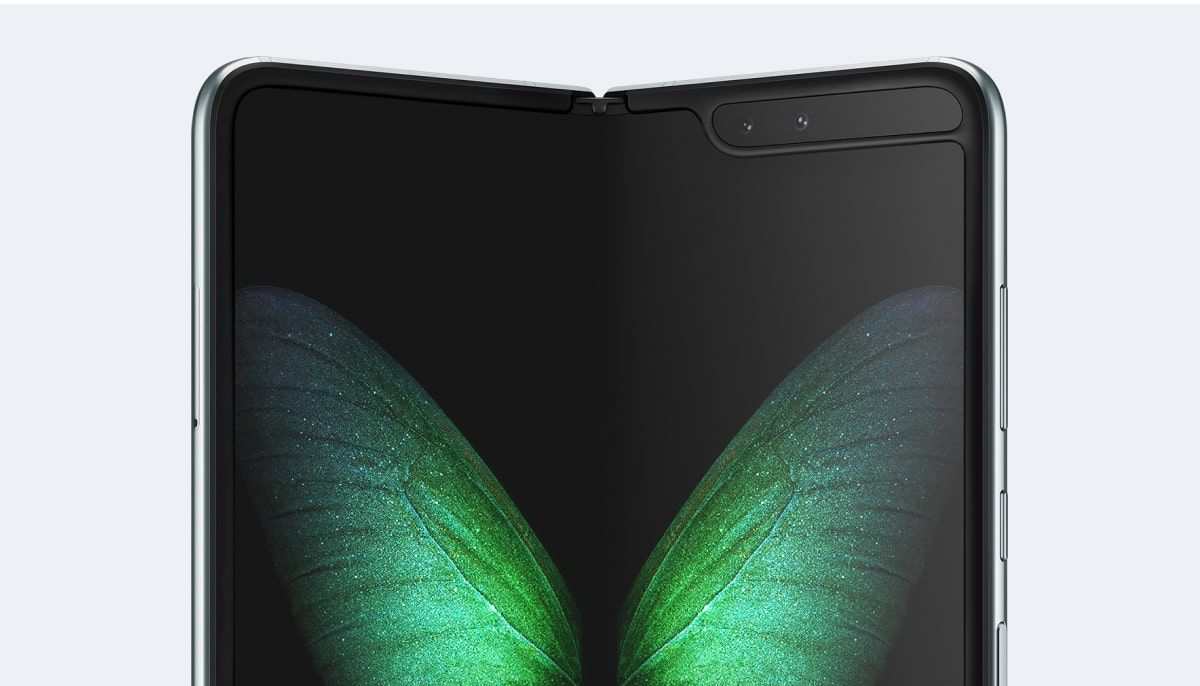
The most distinctive feature of the Samsung Galaxy Fold (2019) is its foldable display. This design allows users to switch between a compact smartphone form factor and a larger, tablet-like screen. The primary display, when unfolded, provides a significantly larger viewing area, making it ideal for multitasking, watching videos, and browsing the web. However, this unique form factor also presents challenges for developers and designers who need to ensure their content adapts seamlessly to both screen sizes. The Samsung Galaxy S22, while not foldable, also boasts impressive display technology, highlighting the ongoing advancements in screen quality and user experience.
Viewport Resolution
The viewport resolution is the screen resolution that web browsers use to render web pages. It’s a crucial factor for designers and developers because it determines the breakpoints for responsive design and the definition of media queries. For the Samsung Galaxy Fold (2019), the viewport resolution is 768 pixels in width and 1076 pixels in height. However, it’s important to note that the height is an indicative value because browsers like Safari and Chrome reduce the visible area. This means that while the device has a certain physical screen height, the usable area for web content is slightly smaller.
Understanding the viewport resolution is critical for creating responsive websites that look great on the Samsung Galaxy Fold (2019). By using media queries based on the viewport width, developers can tailor their layouts to fit the screen perfectly. This ensures that text is readable, images are appropriately sized, and the overall user experience is optimized for the device’s unique form factor. In comparison, the Apple iPhone 12 Pro, with its different screen dimensions, requires a different set of media queries to achieve optimal responsiveness.
Constructor Resolution
The constructor resolution refers to the physical resolution of the display, which is different from the viewport resolution. For the Samsung Galaxy Fold (2019), the constructor resolution is 1536 pixels in width and 2152 pixels in height. This higher resolution is due to the device’s pixel density, which is an important factor in determining the sharpness and clarity of the display. Some analytics tools may only display the constructor resolution and not the viewport resolution, so it’s important to be aware of this when interpreting data.
The difference between the viewport resolution and the constructor resolution is due to pixel density. The Samsung Galaxy Fold (2019) has a high pixel density, which means that there are more pixels packed into the same physical space. This results in a sharper and more detailed image. However, it also means that developers need to use higher-resolution images to avoid pixelation. The Samsung Galaxy S22 Ultra, known for its exceptional camera and display, also benefits from a high constructor resolution and pixel density, contributing to its stunning visual performance.
Pixel Density
Pixel density, measured in pixels per inch (PPI), is a critical specification that affects the visual quality of a display. The Samsung Galaxy Fold (2019) has a pixel density of 2. This means that for every inch of the screen, there are twice as many pixels as a standard display. To target devices with at least this pixel density in CSS, you can use the following media query:
@media only screen and (-webkit-min-device-pixel-ratio: 2) { /* CSS rules here */ }
This media query allows you to apply specific CSS rules to devices with a high pixel density, ensuring that your website looks sharp and detailed. You can also retrieve the pixel density in JavaScript using the following code:
window.devicePixelRatio
This value can be used to dynamically adjust the content of your website based on the device’s pixel density. High pixel density ensures that images and text appear crisp and clear, enhancing the overall user experience. Devices like the Apple iPhone 11 Pro also prioritize high pixel density to deliver a premium visual experience.
Implications for Web Development and Design
The unique display characteristics of the Samsung Galaxy Fold (2019) have significant implications for web development and design. Developers need to consider the viewport resolution, constructor resolution, and pixel density when creating responsive websites. By using media queries and responsive design techniques, they can ensure that their content adapts seamlessly to both the folded and unfolded screens. Designers need to create high-resolution assets that look sharp on the device’s high-density display. They also need to consider the different aspect ratios of the folded and unfolded screens when designing their layouts.
Responsive Design
Responsive design is a crucial technique for creating websites that adapt to different screen sizes and resolutions. For the Samsung Galaxy Fold (2019), it’s essential to use media queries to target the device’s viewport resolution. This allows you to adjust the layout, font sizes, and image sizes to fit the screen perfectly. For example, you might want to use a different layout for the folded screen than for the unfolded screen. You can also use media queries to target devices with a high pixel density, ensuring that your images and text look sharp and clear. The principles of exterior design, focusing on form and function, are also applicable to web design, where the layout and visual elements must work together to create a cohesive and user-friendly experience.
Image Optimization
Image optimization is another important consideration for web development. High-resolution images are essential for ensuring that your website looks sharp on the Samsung Galaxy Fold (2019)’s high-density display. However, large images can also slow down your website’s loading time. It’s important to strike a balance between image quality and file size. You can use image compression techniques to reduce the file size of your images without sacrificing too much quality. You can also use responsive images, which allow you to serve different images to different devices based on their screen size and resolution.
Testing and Debugging
Testing and debugging are crucial steps in the web development process. It’s important to test your website on the Samsung Galaxy Fold (2019) to ensure that it looks and functions correctly. You can use the device’s built-in browser or a remote debugging tool to test your website. You can also use a browser extension to simulate the device’s screen size and resolution. By thoroughly testing your website, you can identify and fix any issues before they affect your users. The 2025 Nissan Kicks review highlights the importance of thorough testing to ensure optimal performance and user satisfaction.
Key Specifications of the Samsung Galaxy Fold (2019)
To provide a comprehensive overview, here’s a table summarizing the key display specifications of the Samsung Galaxy Fold (2019):
These specifications are essential for understanding how the Samsung Galaxy Fold (2019) renders web content and how to optimize your website for the device.
Tools and Resources
Several tools and resources can help you optimize your website for the Samsung Galaxy Fold (2019). Browser extensions allow you to simulate the device’s screen size and resolution, making it easier to test your website. Remote debugging tools allow you to inspect your website’s code and performance on a real device. Online emulators provide a virtual environment for testing your website on different devices. By using these tools and resources, you can ensure that your website looks and functions correctly on the Samsung Galaxy Fold (2019) and other mobile devices. The attention to detail and craftsmanship seen in a Revology 1967 Shelby GT500 resto-mod is analogous to the care and precision required in web development to achieve optimal performance and user experience.
Browser Extensions
Browser extensions are a convenient way to test your website on different devices without having to physically own them. Several browser extensions allow you to simulate the screen size and resolution of the Samsung Galaxy Fold (2019). These extensions typically allow you to specify the viewport width and height, as well as the pixel density. By using a browser extension, you can quickly and easily test your website’s responsiveness and identify any issues. Some extensions also offer additional features, such as the ability to simulate different network conditions.
Remote Debugging Tools
Remote debugging tools allow you to inspect your website’s code and performance on a real device. This can be useful for identifying issues that are difficult to reproduce in a simulated environment. Remote debugging tools typically require you to connect your device to your computer via USB. Once connected, you can use your browser’s developer tools to inspect the device’s screen, network traffic, and console logs. This allows you to identify and fix any issues that are affecting your website’s performance.
Online Emulators
Online emulators provide a virtual environment for testing your website on different devices. These emulators typically run in your web browser and allow you to simulate the screen size, resolution, and operating system of various devices. Online emulators can be useful for testing your website on devices that you don’t have access to. However, it’s important to note that emulators may not perfectly replicate the behavior of a real device. Therefore, it’s still important to test your website on a physical device whenever possible.
Conclusion
The Samsung Galaxy Fold (2019) introduced a new era of foldable devices, presenting unique challenges and opportunities for web developers and designers. Understanding the device’s display characteristics, including viewport resolution, constructor resolution, and pixel density, is crucial for creating responsive and optimized content. By using media queries, responsive design techniques, and image optimization strategies, developers can ensure that their websites adapt seamlessly to both the folded and unfolded screens of the Galaxy Fold. Thorough testing and debugging are essential to identify and fix any issues before they impact the user experience. As foldable devices continue to evolve, staying informed about their specifications and adapting web development practices accordingly will be key to delivering exceptional user experiences. The pursuit of innovation and excellence, as seen in the Cadillac Celestiq, also drives the continuous advancement of mobile technology and web development practices.