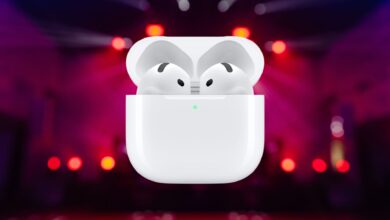
Xiaomi’s Smart Tracker: A Formidable Apple AirTag Competitor?
The landscape of personal item tracking has been significantly reshaped by the advent of smart trackers. For years, Apple’s AirTag has dominated this niche, setting a high bar for accuracy, integration, and user experience within its extensive ecosystem. However, the tech world is rarely static, and whispers of a powerful new challenger are growing louder. Industry observers and consumers alike are now turning their attention to a potential new entrant: a Xiaomi AirTag competitor. With its vast manufacturing capabilities, expansive smart home ecosystem, and aggressive pricing strategies, Xiaomi stands as a prime candidate to disrupt Apple’s stronghold and introduce a compelling alternative to the market.
The idea of a direct rival to the AirTag from Xiaomi isn’t just speculative; it’s a natural progression for a company that thrives on offering innovative and affordable tech solutions. As the smart tracker market matures, there’s an increasing demand for devices that are not only effective but also compatible with a wider array of Android devices and existing smart home setups. This article delves into why Xiaomi is uniquely positioned to launch a formidable Xiaomi AirTag competitor, what features it might offer, the challenges it would face, and the potential impact on the broader item-tracking industry.
The Current Landscape: Apple AirTag’s Reign and Its Ecosystem
Apple’s AirTag, launched in April 2021, quickly became the benchmark for smart trackers. Its success can be attributed to several key factors, primarily its seamless integration with the Apple ecosystem and its leveraging of the vast Find My network. This network, comprising hundreds of millions of Apple devices worldwide, allows for incredibly precise and widespread tracking, even when an AirTag is far from its owner. This ubiquitous network is perhaps AirTag’s most significant competitive advantage, offering a level of reach that is difficult for any single company to replicate from scratch.
Features and Functionality That Defined the Standard
The AirTag itself is a marvel of minimalist design and sophisticated technology. It features Ultra-Wideband (UWB) technology, enabling “Precision Finding” for iPhone 11 and later models, guiding users directly to their lost items with visual, haptic, and audio feedback. This precision is a game-changer for locating misplaced keys under a sofa cushion or a wallet in a cluttered room. Beyond UWB, it also uses Bluetooth LE for broader range tracking, and its IP67 water and dust resistance ensures durability for everyday use. A replaceable CR2032 coin cell battery offers over a year of life, further enhancing its practicality.
However, the AirTag is not without its limitations. Its functionality is almost exclusively tied to the Apple ecosystem, meaning Android users cannot fully utilize its features, if at all. This exclusivity, while beneficial for Apple’s walled garden approach, creates a significant market opportunity for a cross-platform or Android-centric alternative. Privacy concerns, particularly regarding unwanted tracking, have also prompted Apple to implement various safeguards, though the conversation around digital privacy remains ongoing in the smart tracker space.
The Ecosystem Advantage and Its Intrinsic Limitations
The “Find My” network is AirTag’s secret sauce. Every iPhone, iPad, and Mac contributes to this network, anonymously relaying the location of any nearby AirTag. This passive, crowd-sourced tracking is incredibly powerful. For a company like Xiaomi to compete effectively, it would need to build a comparable network, either through its own device base or via an open standard. The sheer scale of Apple’s network means that a lost AirTag in a bustling city is almost guaranteed to be detected and reported, providing peace of mind to users. Yet, this very advantage is also its limitation: if you’re not an Apple user, you’re left out.

Xiaomi’s Potential Entry: Why Now?
Xiaomi is not just a smartphone company; it’s a vast technology conglomerate with a sprawling ecosystem that includes smart home devices, wearables, laptops, TVs, and even electric vehicles. This diverse product portfolio and its strong market presence in Asia, Europe, and other emerging markets provide a robust foundation for launching a successful Xiaomi AirTag competitor. The timing seems ripe for several reasons, including market saturation for existing products and the increasing demand for cross-platform smart solutions.
Xiaomi’s Ecosystem Strength: A Foundation for Tracking
Xiaomi’s strategy has always revolved around building an interconnected ecosystem of smart devices that work seamlessly together. From smart lights and cameras to robot vacuums and air purifiers, Xiaomi users are accustomed to a unified experience managed through the Mi Home app. Integrating a smart tracker into this existing ecosystem would be a natural fit, allowing users to track items alongside their other smart devices. This established network of users and devices, while not as vast as Apple’s global Find My network, still represents a significant user base that could contribute to a proprietary tracking network.
Moreover, Xiaomi is known for its ability to produce high-quality technology at competitive price points. This value-for-money proposition has allowed it to capture significant market share in various segments, from smartphones to wearables. If Xiaomi can bring a tracker to market that offers comparable features to the AirTag but at a more accessible price, it could quickly gain traction, especially among Android users who currently lack a fully integrated, high-performance tracking solution. The company’s experience in manufacturing diverse consumer electronics, including complex components, further strengthens its position to develop a reliable and efficient smart tracker. For consumers interested in exploring robust alternatives in the personal tech space, much like those considering different smartphone options, understanding what consumers think is the best OnePlus 15 alternative can shed light on market dynamics and brand loyalty beyond just pricing.
Strategic Timing and Market Gaps
The smart tracker market is still relatively young, and while Apple dominates the premium segment, there’s ample room for growth and innovation, particularly in the Android and cross-platform arenas. Tile has been a long-standing player, but it lacks the deep ecosystem integration and UWB precision that Apple offers. Samsung introduced its SmartTag, which leverages its Galaxy Find Network, but its reach is limited compared to Apple’s and often only integrates fully with Samsung devices. This leaves a significant gap for a brand like Xiaomi, with its broad Android user base, to step in and offer a truly competitive solution.
Furthermore, the demand for item tracking is only growing. People want to keep tabs on everything from keys and wallets to luggage and pets. The more connected our lives become, the more critical these small, intelligent devices become. Xiaomi’s entry could capitalize on this expanding demand by providing a versatile and affordable option that appeals to a global audience not exclusively tied to Apple products. This strategic timing could position Xiaomi as a leader in the next phase of smart tracker evolution.
Technological Capabilities and Innovation
Xiaomi has consistently demonstrated its engineering prowess across a wide range of products. The company has invested heavily in R&D, particularly in areas like IoT, AI, and connectivity. These investments are crucial for developing a sophisticated smart tracker. For instance, Xiaomi’s experience with UWB technology in its smartphones and other devices, such as the Mi Mix 4, suggests it already possesses the technical know-how to implement precise location tracking. This expertise is vital for replicating or even improving upon the “Precision Finding” feature that makes AirTags so effective.
Moreover, Xiaomi’s strong supply chain management and manufacturing capabilities mean it can produce these devices at scale and cost-effectively, which is a significant advantage in a competitive market. The company’s rapid iteration cycles also mean that a Xiaomi AirTag competitor could quickly evolve, incorporating user feedback and new technologies to stay ahead of the curve. This agility is a hallmark of Xiaomi’s approach to product development, contrasting with the often slower, more deliberate pace of some of its competitors.
Key Features for a Xiaomi AirTag Competitor
For a Xiaomi AirTag competitor to truly challenge Apple’s dominance, it would need to offer a compelling set of features that meet or exceed current market expectations, while also providing unique advantages tailored to its own ecosystem and user base. The focus should be on precision, connectivity, battery life, design, and seamless integration.
Ultra-Wideband (UWB) Technology for Precision Finding
UWB is no longer a luxury but a necessity for a top-tier smart tracker. A Xiaomi device must incorporate UWB to offer the same level of granular, directional finding that AirTags provide. This technology allows for highly accurate distance and direction measurements, transforming the frustrating search for a lost item into a guided, almost game-like experience. Xiaomi already has experience with UWB in some of its high-end smartphones, so integrating this into a dedicated tracker would be a logical step. This capability is paramount for distinguishing a premium offering from more basic Bluetooth-only trackers.
Robust Connectivity and Network Infrastructure
This is arguably the most critical and challenging aspect for Xiaomi. Apple’s Find My network is its biggest strength. Xiaomi would need to build its own robust tracking network. This could be achieved through several strategies:
- Leveraging its own device base: Every Xiaomi smartphone, tablet, and compatible smart home device could contribute to a “Xiaomi Find” network, similar to how Apple’s network operates. Given Xiaomi’s massive global sales, this network could grow rapidly.
- Partnerships: Collaborating with other Android manufacturers or developing an open standard could significantly expand the network’s reach, making it a truly universal solution for Android users.
- Bluetooth LE and Wi-Fi: Combining UWB for close-range precision with Bluetooth LE for broader range and Wi-Fi for stationary devices could create a multi-layered tracking system.
The success of the network would depend on widespread adoption and user willingness to participate, which Xiaomi could incentivize through seamless integration and robust privacy assurances. The ability to track a lost item across a city or even across borders hinges entirely on the strength and density of this underlying network. For consumers who also rely on powerful computing devices for work or entertainment, ensuring all their tech is connected and optimized is key. This is similar to how users might look for a powerful Dell 16 Plus laptop to handle demanding tasks, where connectivity and performance are paramount.
Battery Life and Design Considerations
Long battery life is essential for a “set it and forget it” device. A replaceable coin cell battery (like the CR2032) offering a year or more of power would be ideal. Design is also crucial; the tracker should be small, lightweight, durable, and aesthetically pleasing. Xiaomi could offer various form factors, such as a keychain-friendly disc, a card-shaped tracker for wallets, or even adhesive options for other items. Durability, including water and dust resistance (e.g., IP67 or IP68), would be non-negotiable for everyday use. Xiaomi’s design philosophy, often characterized by clean lines and functional elegance, would serve it well here.
Seamless Integration with Xiaomi’s Smart Home Ecosystem
Beyond just tracking, a Xiaomi device could offer deeper integration with the Mi Home ecosystem. Imagine a scenario where a lost item triggers a smart light to flash in the room it’s found in, or a smart speaker provides verbal directions. This level of integration would add significant value, transforming a simple tracker into a more intelligent assistant for managing personal belongings. For enthusiasts of high-quality audio, such as those who might appreciate the Cambridge Audio Melomania A100, the idea of seamlessly connected devices that enhance daily life is highly appealing. Such an integrated system could make the Xiaomi AirTag competitor more than just a tracker, but a true extension of the smart home experience.
Privacy and Security Protocols
Privacy is a paramount concern for smart trackers. Xiaomi would need to implement robust end-to-end encryption for location data, anonymous tracking, and strong anti-stalking measures similar to those Apple has introduced. Transparency in data handling and clear user controls would be critical for building trust and ensuring user adoption. Demonstrating a strong commitment to user privacy could even become a unique selling point, especially in markets where data protection is a growing concern.
Potential Xiaomi Tracker vs. Apple AirTag Comparison
Challenges and Opportunities for Xiaomi
Launching a Xiaomi AirTag competitor is not without its hurdles. While Xiaomi possesses many strengths, overcoming Apple’s entrenched position and network advantage will require strategic planning and execution. However, these challenges also present unique opportunities for Xiaomi to innovate and capture new market segments.
Overcoming the Network Disadvantage
The most significant challenge for Xiaomi is replicating or finding an alternative to Apple’s vast Find My network. Creating a network of billions of devices takes years and immense market penetration. Xiaomi’s own device network, while substantial, is not yet on par with Apple’s global reach. To mitigate this, Xiaomi could:
- Invest in an open-source tracking standard: This would allow other Android manufacturers to join a common network, creating a truly global Android tracking solution. Google’s own “Find My Device” network is an existing framework that Xiaomi could potentially leverage or enhance.
- Strategic alliances: Partnering with mobile carriers, other device manufacturers, or even smart home platform providers could rapidly expand network density.
- Hybrid approach: Combining its own device network with crowdsourcing features and perhaps even low-power wide-area networks (LPWAN) like NB-IoT for specific use cases.
The success of the tracking network will be the ultimate determinant of how effective a Xiaomi tracker can be, especially for items lost far from their owner’s direct vicinity. When considering such large-scale technological implementations, it’s akin to the complexity seen in the development of cutting-edge automotive technology like the 2026 Acura Integra A-Spec, where numerous systems must flawlessly integrate to deliver a superior user experience.
Pricing Strategy: The Xiaomi Edge
Xiaomi’s core strength lies in its ability to offer premium-like features at highly competitive prices. This will be a crucial differentiator for its smart tracker. If it can price its device significantly lower than the AirTag while offering comparable (or near-comparable) functionality, it could attract a massive user base, particularly in emerging markets where price sensitivity is higher. A lower entry barrier could also encourage users to buy multiple trackers, further expanding the potential “Xiaomi Find” network.
Global Availability and Regulatory Compliance
Ensuring global availability and compliance with diverse regional regulations (especially concerning privacy and UWB spectrum usage) will be another challenge. Xiaomi has a strong global presence, but navigating the specific legal frameworks for tracking devices can be complex. Adhering to standards like GDPR in Europe and similar privacy laws worldwide will be essential for successful market entry and sustained growth. The company’s experience in launching a wide array of products globally, from smartphones to specialized wireless gaming headsets, suggests it has the logistical and legal infrastructure to handle this complexity, but a smart tracker adds new dimensions of privacy scrutiny.
The Impact on the Smart Tracker Market
The entry of a strong Xiaomi AirTag competitor would undoubtedly shake up the smart tracker market, leading to increased innovation, greater competition, and ultimately, more choices and better value for consumers.
Increased Competition and Innovation
A new, formidable player from Xiaomi would force existing players like Apple, Samsung, and Tile to innovate further. This could lead to:
- Enhanced features: Competitors might accelerate the development of new features, improve battery life, or introduce novel form factors.
- Improved network capabilities: Pressure to expand and optimize tracking networks, potentially leading to more open standards or cross-brand collaborations.
- Better privacy safeguards: A competitive environment often pushes companies to improve privacy features and transparency to win consumer trust.
This dynamic competition is healthy for the industry, preventing stagnation and ensuring that the technology continues to evolve at a rapid pace. Just as competition drives innovation in the broader consumer electronics market, a strong contender in smart trackers will push the boundaries of what these small devices can achieve.
Benefits for Consumers
Consumers stand to gain the most from this increased competition. A Xiaomi tracker would offer:
- More affordable options: High-quality tracking technology would become accessible to a broader audience.
- Cross-platform compatibility: Android users would finally have a robust, integrated solution, reducing the reliance on Apple’s ecosystem.
- Greater choice: A wider variety of designs, features, and price points to choose from, allowing consumers to select the best tracker for their specific needs and preferences.
- Ecosystem flexibility: Users would have the option to choose a tracker that integrates best with their existing smart home or mobile ecosystem, whether it’s Apple, Xiaomi, Samsung, or a more open Android platform.
This democratization of advanced tracking technology would empower more people to protect their belongings and reduce the stress of losing everyday items. The impact would be similar to how diverse options in the personal audio market, such as the Marshall Bromley 750, cater to varied tastes and budgets, ensuring there’s a quality product for almost every user.
The Future of Item Tracking
The future of item tracking is likely to move towards greater integration, not just with smartphones but with smart vehicles, smart homes, and even smart cities. A Xiaomi AirTag competitor could accelerate this trend, pushing towards a more interconnected world where finding lost items becomes an almost effortless task. We might see trackers embedded directly into everyday objects, standardized tracking protocols, and enhanced AI capabilities to predict where items might be lost or to provide proactive alerts. The potential for innovation is vast, and Xiaomi’s entry could be the catalyst for the next big leap in this technology.
Furthermore, the development of an effective Android-centric tracking network could pave the way for other innovative location-based services. Imagine smart luggage that automatically checks itself in, or pet trackers that provide real-time health metrics alongside location. The groundwork laid by competition in the basic item tracker market could unlock a host of advanced applications, transforming convenience into an indispensable part of modern living. The shift from a single dominant player to a more competitive landscape will undoubtedly benefit the entire industry, pushing the boundaries of what is possible in personal asset management and beyond.
Conclusion
The prospect of a Xiaomi AirTag competitor is not just exciting for Android users; it’s a significant development for the entire smart tracker industry. Xiaomi brings to the table a powerful combination of manufacturing prowess, an established global ecosystem, and a reputation for delivering high-value technology. While the challenge of building a robust tracking network to rival Apple’s Find My is considerable, Xiaomi’s strategic partnerships, innovative spirit, and aggressive pricing could very well enable it to carve out a substantial share of the market.
Should Xiaomi successfully launch such a device, it would usher in a new era of competition, driving innovation, expanding accessibility, and ultimately benefiting consumers with more choices and advanced features. The smart tracker market is poised for significant evolution, and Xiaomi is positioned to be a key player in shaping its future, potentially redefining how we keep track of our most important belongings.