Toyota’s 4.0L Twin-Turbo V8: The Future is Now
The automotive world is buzzing with anticipation for Toyota’s latest engineering marvel: a groundbreaking 4.0-liter twin-turbo V-8 engine. This isn’t just another engine; it’s a statement of intent, a glimpse into the future of high-performance vehicles from the Japanese automotive giant. While details are still emerging, what we know so far paints a picture of a powerful, technologically advanced, and meticulously crafted powerplant. This new 4.0L Twin-Turbo V8 is set to redefine expectations for what a modern supercar engine can be. As Toyota gears up to release more information, we delve into the intricacies of this exciting new engine.
Roots in Racing: The RV8 Connection
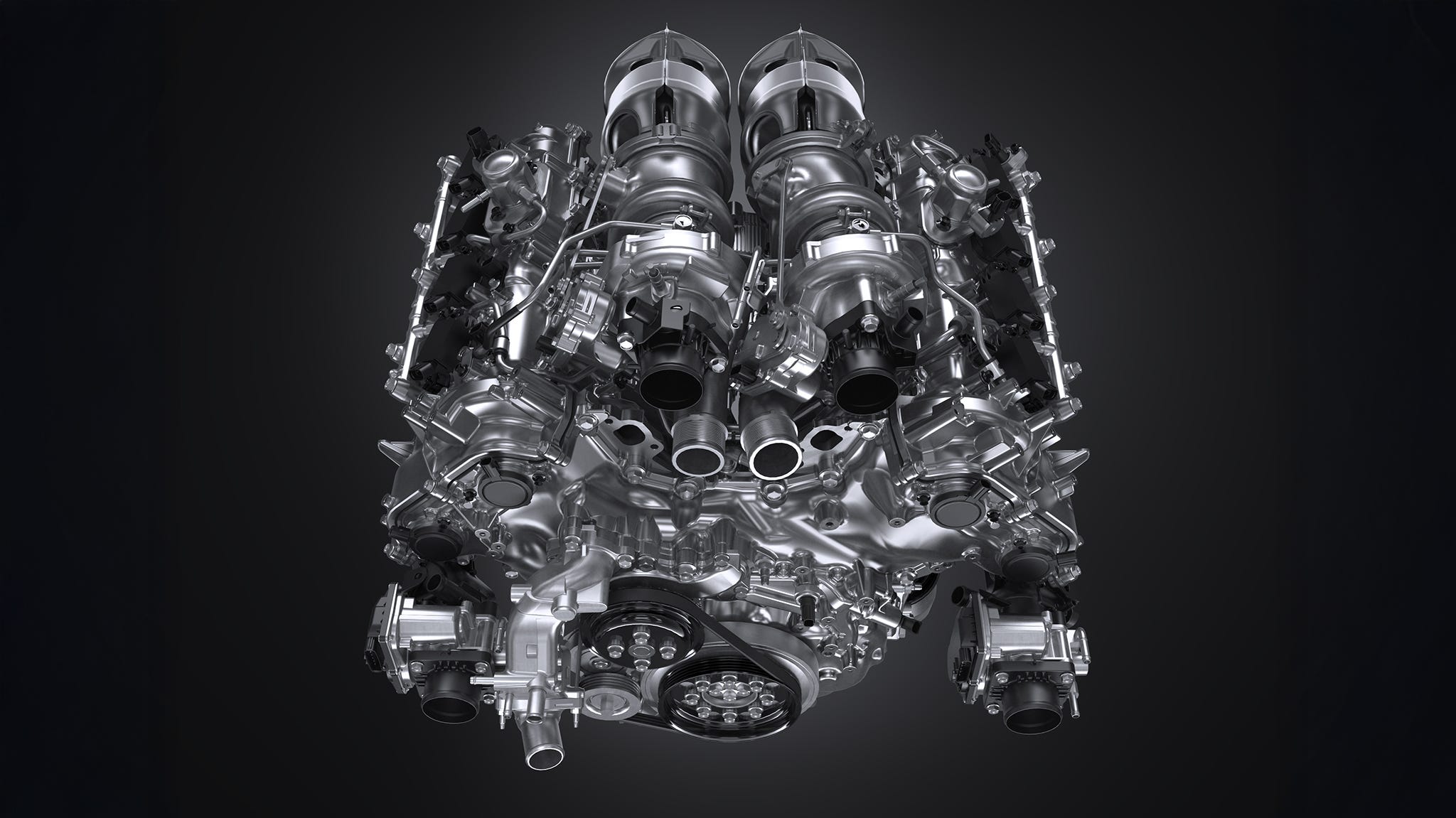
Unlike some manufacturers who adapt existing four-cylinder designs, Toyota is reportedly basing their 4.0L Twin-Turbo V8 on the RV8 engine family, renowned for its use in racing. These engines, ranging from 2.7 to 3.7 liters, are known for their robust construction and high-performance capabilities. By leveraging this racing pedigree, Toyota ensures the new engine benefits from proven durability and a design optimized for extreme conditions. The choice of the RV8 architecture as the foundation for the 4.0L Twin-Turbo V8 signals Toyota’s commitment to creating an engine that is as reliable as it is powerful. This decision underscores the brand’s dedication to engineering excellence and its intention to deliver a truly exceptional driving experience.
Oversquare Design: A Key to High-Revving Performance
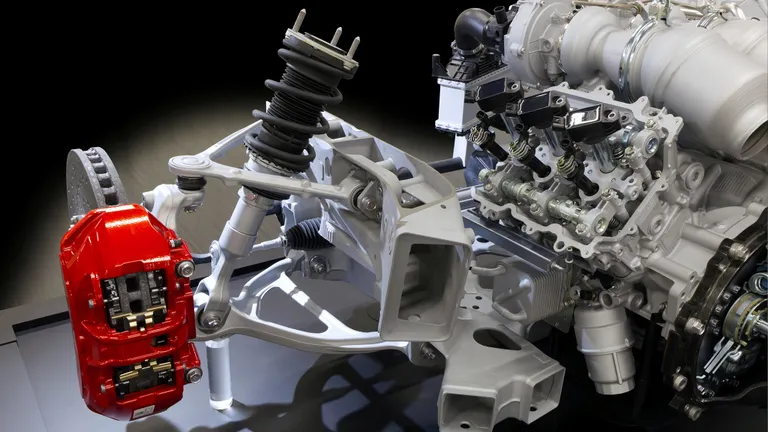
The engine’s design features an oversquare configuration, with a bore of 87.5mm and a stroke of 83.1mm, resulting in a displacement of 3998cc. This oversquare design is crucial for achieving high-revving capability, a characteristic often associated with performance engines. By prioritizing a larger bore over a longer stroke, the engine is able to breathe more efficiently at higher RPMs, allowing it to generate more power. This approach is similar to that used by McLaren in their M840T engine, demonstrating the effectiveness of this design philosophy in the realm of high-performance engines. In contrast to competitors who opt for undersquare designs, Toyota’s choice reflects a focus on maximizing the engine’s potential for exhilarating performance and responsiveness.
Power and Torque: A Potent Combination
Toyota has announced that the targeted total-system output for the 4.0L Twin-Turbo V8 engine, combined with an electric motor, is an impressive 641 horsepower and 627 lb-ft of torque. These figures suggest a formidable level of performance, positioning the engine among the top contenders in its class. However, some speculate that these numbers represent a conservative estimate or a specific “Lexus state of tune.” Given Toyota’s history of underpromising and overdelivering, it’s possible that the engine’s true potential is even greater. The G20E four-cylinder engine, for example, is rumored to produce around 400 hp and 400 lb-ft of torque in street tune. With the 4.0L Twin-Turbo V8 effectively combining two of these engines with an electric motor, the potential for even higher output is certainly within reach. This potent combination of power and torque promises to deliver an exhilarating driving experience, characterized by rapid acceleration and effortless performance across a wide range of speeds.
The Hot-Vee Configuration: Optimizing Turbocharger Performance
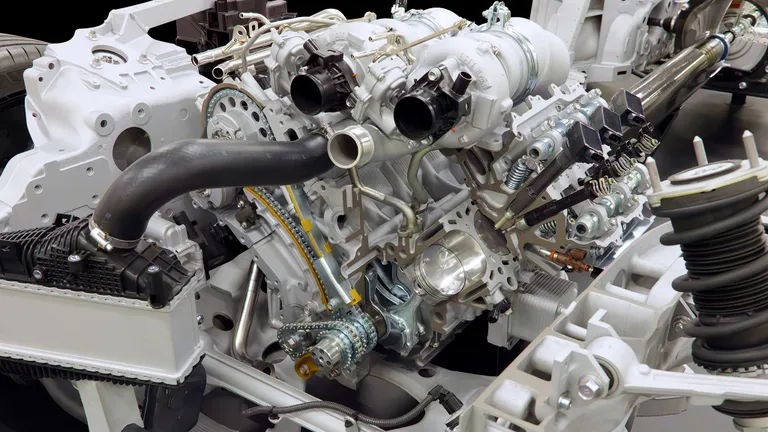
The adoption of a “hot-vee” configuration is another key aspect of the 4.0L Twin-Turbo V8 engine. In this arrangement, the exhaust exits are located in the valley of the “V,” directly feeding into the turbochargers. This design minimizes the distance the exhaust gases need to travel to reach the turbochargers, resulting in faster spool-up times and reduced turbo lag. The hot-vee configuration also allows for a more compact engine design, which can improve vehicle packaging and weight distribution. This approach is increasingly popular among high-performance engine manufacturers, as it offers significant advantages in terms of responsiveness and overall performance. The heated catalytic converters will also heat up more quickly to reduce emissions. The integration of the hot-vee configuration underscores Toyota’s commitment to utilizing the latest technologies to maximize the performance and efficiency of the 4.0L Twin-Turbo V8 engine.
Hybridization: Embracing the Future of Performance
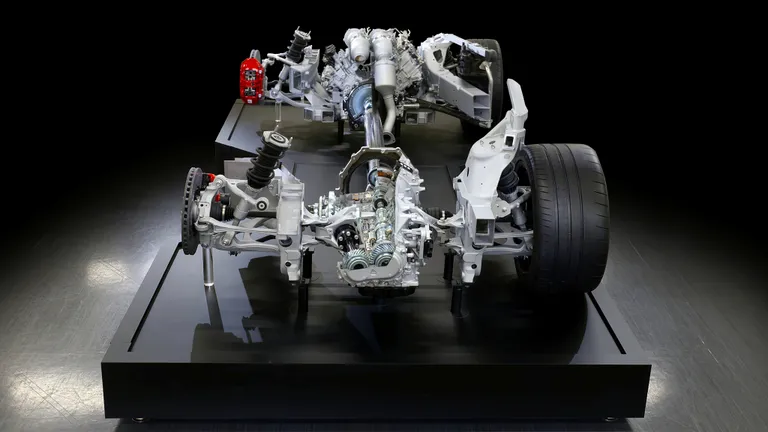
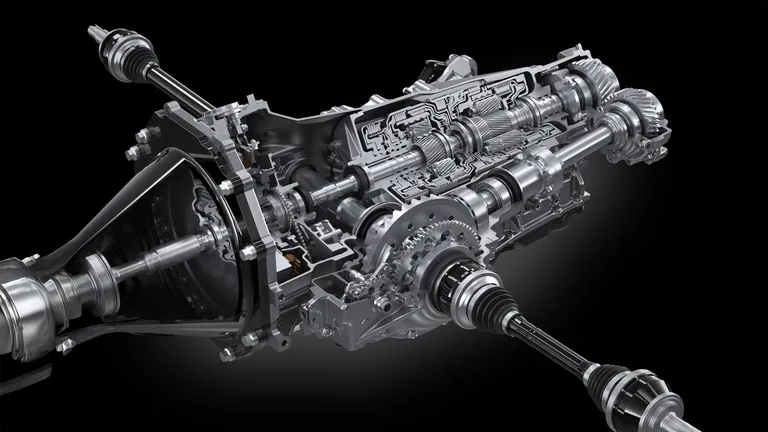
Toyota’s decision to incorporate hybridization into the 4.0L Twin-Turbo V8 engine is a clear indication of their commitment to embracing the future of performance. By combining the power of a traditional internal combustion engine with the efficiency of an electric motor, Toyota aims to deliver both exceptional performance and improved fuel economy. The electric motor is expected to provide an instant boost of torque, further enhancing the engine’s responsiveness and acceleration capabilities. The specific details of the hybrid system, such as the size of the battery pack and the power output of the electric motor, have not yet been revealed. However, it is likely that the system will be designed to work seamlessly with the 4.0L Twin-Turbo V8 engine, providing a smooth and integrated driving experience. This hybrid approach aligns with Toyota’s broader strategy of developing environmentally friendly technologies while maintaining its reputation for building high-performance vehicles. The Lexus LFA electric reimagining shows the company’s commitment to high performance EVs, and this new engine is a step in that direction.
Potential Applications: The GR GT and Beyond
While Toyota has yet to officially announce which vehicles will be powered by the 4.0L Twin-Turbo V8 engine, the GR GT concept car is widely believed to be the first recipient. This halo supercar, reminiscent of the Jaguar E-Type and the Lexus LFA, represents a bold step forward for Toyota in the realm of high-performance vehicles. The GR GT is expected to showcase the full potential of the new engine, delivering blistering acceleration, exceptional handling, and a truly unforgettable driving experience. Beyond the GR GT, it is possible that the 4.0L Twin-Turbo V8 engine could find its way into other Toyota and Lexus models. High-performance versions of existing vehicles, such as the Supra or the LC 500, could benefit from the added power and torque provided by the new engine. Additionally, it is possible that Toyota could develop entirely new models specifically designed to showcase the capabilities of the 4.0L Twin-Turbo V8. The possibilities are endless, and the automotive world eagerly awaits further announcements from Toyota regarding the engine’s future applications.
Comparing Toyota’s 4.0L Twin-Turbo V8 to the Competition
In the realm of high-performance engines, Toyota’s 4.0L Twin-Turbo V8 will face stiff competition from established players such as BMW, Mercedes-Benz, and Audi. Each of these manufacturers offers its own unique approach to engine design and technology. BMW, for example, is known for its inline-six engines and its expertise in turbocharging. Mercedes-Benz has a long history of building powerful V8 engines, often incorporating advanced technologies such as direct injection and variable valve timing. Audi, like Toyota, has embraced hybridization in its high-performance models, combining the power of internal combustion engines with the efficiency of electric motors. To succeed in this competitive landscape, Toyota will need to differentiate its 4.0L Twin-Turbo V8 engine by offering a unique combination of performance, efficiency, and reliability. The engine’s oversquare design, hot-vee configuration, and hybridization are all key factors that could help it stand out from the crowd. Additionally, Toyota’s reputation for building reliable and durable vehicles could give it a significant advantage over its competitors. The key will be to balance the pursuit of performance with the need for practicality and longevity. This is similar to BMW’s approach to the 2027 BMW iX3, redefining electric driving with a focus on both performance and sustainability.
The Significance of the 4.0L Twin-Turbo V8 for Toyota
The development of the 4.0L Twin-Turbo V8 engine represents a significant milestone for Toyota. It signals the company’s renewed commitment to building high-performance vehicles and its willingness to embrace new technologies. The engine is not only a showcase of Toyota’s engineering capabilities but also a statement of intent, demonstrating the company’s determination to compete with the best in the world. By incorporating hybridization into the engine, Toyota is also demonstrating its commitment to developing environmentally friendly technologies. The 4.0L Twin-Turbo V8 engine is expected to play a key role in shaping Toyota’s image and brand identity in the years to come. It is a symbol of innovation, performance, and sustainability, all of which are core values for the company. This engine is not just about power; it’s about pushing the boundaries of what’s possible and creating vehicles that are both exhilarating to drive and responsible to own.
The Future of Toyota Performance: A Look Ahead
As Toyota prepares to release more information about the 4.0L Twin-Turbo V8 engine, the automotive world eagerly awaits further details. The engine’s specifications, performance figures, and potential applications are all subjects of intense speculation. However, one thing is clear: Toyota is serious about performance, and the 4.0L Twin-Turbo V8 engine is set to play a key role in the company’s future. Whether it’s powering the GR GT supercar, enhancing existing models, or inspiring entirely new vehicles, the engine promises to deliver a thrilling driving experience that is both innovative and sustainable. The development of this engine is a testament to Toyota’s engineering prowess and its commitment to pushing the boundaries of automotive technology. The future of Toyota performance is bright, and the 4.0L Twin-Turbo V8 engine is at the forefront of this exciting new era. The sendy audios egret marks a new chapter for planar headphones, and similarly, this engine marks a new chapter for Toyota. The company’s commitment to innovation extends beyond just engines. They are also investing heavily in smart car tech, though some everyday features can be overengineered, leading to unexpected issues.
Challenges and Considerations for Toyota’s New Engine
While the 4.0L Twin-Turbo V8 engine holds immense promise, Toyota faces several challenges in bringing it to market. One of the primary challenges is meeting increasingly stringent emissions regulations. Automakers worldwide are under pressure to reduce their carbon footprint, and high-performance engines are often subject to intense scrutiny. Toyota’s decision to incorporate hybridization into the engine is a step in the right direction, but further measures may be necessary to ensure compliance with future regulations. Another challenge is managing the complexity of the engine’s design. The oversquare configuration, hot-vee arrangement, and hybridization all add to the engine’s overall complexity, which could potentially impact reliability and maintenance costs. Toyota will need to carefully engineer and test the engine to ensure that it meets its high standards for quality and durability. Furthermore, the cost of developing and manufacturing such an advanced engine could be significant, potentially impacting the price of the vehicles in which it is used. Toyota will need to carefully weigh the costs and benefits to ensure that the engine remains competitive in the marketplace.
The Impact on the Automotive Industry
Toyota’s development of the 4.0L Twin-Turbo V8 engine is likely to have a significant impact on the automotive industry. It could spur other manufacturers to develop their own high-performance engines, leading to a new wave of innovation and competition. The engine’s hybridization could also encourage other automakers to embrace this technology, accelerating the transition to more sustainable vehicles. Furthermore, the engine’s design and technology could inspire new approaches to engine development, leading to more efficient and powerful engines in the future. The 4.0L Twin-Turbo V8 engine is not just a product of Toyota’s engineering prowess; it is also a catalyst for change, driving innovation and shaping the future of the automotive industry. As the industry continues to evolve, Toyota’s commitment to pushing the boundaries of what’s possible will undoubtedly have a lasting impact.
Conclusion: A New Era for Toyota Performance
Toyota’s upcoming 4.0L Twin-Turbo V8 engine represents a bold step into the future of high-performance vehicles. With its racing-derived architecture, innovative design features, and commitment to hybridization, this engine is poised to redefine expectations for what a modern supercar engine can be. As Toyota continues to refine and develop this groundbreaking powerplant, the automotive world eagerly anticipates its arrival. The 4.0L Twin-Turbo V8 engine is not just a new engine; it’s a symbol of Toyota’s dedication to innovation, performance, and sustainability. It marks the beginning of a new era for Toyota performance, one that promises to be both exhilarating and responsible. The company’s commitment to excellence is evident in every aspect of this engine’s design, and its impact on the automotive industry is sure to be felt for years to come. Just as you might look for the best buy deal on a MacBook Pro 14 M4 Pro, enthusiasts will be looking for the first vehicles equipped with this engine.
Alternative Titles
- Toyota’s Twin-Turbo V8: A New Powerhouse
- Unveiling Toyota’s 4.0L V8 Engine