Unbeatable Gaming Headset Deals This Black Friday 2025
Black Friday 2025 is shaping up to be a landmark event for gamers seeking to upgrade their audio experience. Forget the minor discounts on lesser-quality products; this year promises deep discounts on some of the best gaming headsets available. If you’ve been eyeing a premium headset but hesitant due to the price, now is the time to strike. Let’s dive into the best gaming headset deals you absolutely don’t want to miss.

The focus this year is on headsets that offer a significant upgrade in both audio quality and comfort. We’re talking about headsets that provide immersive soundscapes, crystal-clear communication, and ergonomic designs for long gaming sessions. These aren’t just accessories; they’re essential tools for competitive gaming and enhanced immersion in single-player adventures.
Why Upgrade Your Gaming Headset This Black Friday?
There are several compelling reasons to consider upgrading your gaming headset this Black Friday. Firstly, audio is a crucial element of the gaming experience. A high-quality headset can provide a significant competitive advantage by allowing you to hear subtle sounds like footsteps or distant gunfire, giving you a crucial edge over your opponents. Secondly, a comfortable headset can make long gaming sessions much more enjoyable. Ergonomic designs, breathable materials, and adjustable headbands can prevent discomfort and fatigue, allowing you to focus on the game. Finally, communication is key in multiplayer games. A headset with a clear microphone ensures that your teammates can hear you loud and clear, facilitating effective coordination and teamwork.
- Improved Audio Quality: Hear every detail, from subtle footsteps to booming explosions.
- Enhanced Comfort: Enjoy long gaming sessions without discomfort.
- Clear Communication: Communicate effectively with your teammates.
- Competitive Advantage: Gain an edge by hearing crucial in-game sounds.
- Immersive Experience: Fully immerse yourself in the game world.
This Black Friday, the best gaming headset deals are focused on delivering these benefits at significantly reduced prices. Keep reading to discover the top deals we’ve found so far.
Razer BlackShark V2 Pro: A Steal at $70 Off
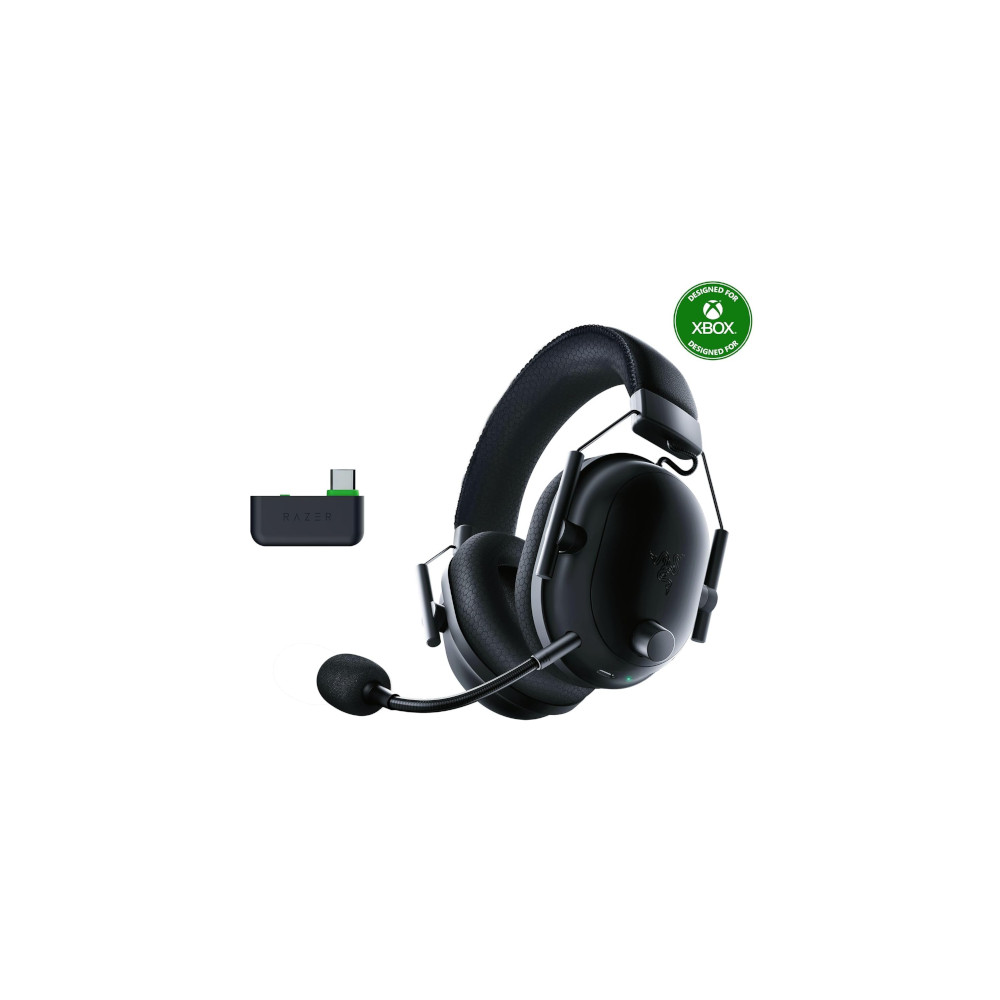
If you’re tired of complaints about your microphone quality, the Razer BlackShark V2 Pro is the answer. This headset is currently discounted by $70 on Amazon, bringing the price down to $129. The BlackShark V2 Pro boasts an exceptional microphone, ensuring that your voice comes through clear and crisp. Even if you’re not a fan of the default sound profile, you can easily customize it using Razer Synapse software.
The Razer BlackShark V2 Pro offers more than just a great microphone. It also features comfortable earcups, excellent sound isolation, and low-latency wireless connectivity. This headset is ideal for gamers who demand the best possible audio and communication quality.
Furthermore, the Razer BlackShark V2 Pro Console version brings a new microphone and wireless audio to the stellar BlackShark V2 line. The Razer BlackShark V2 Pro delivers superior microphone quality, longer battery life, and USB-C and Bluetooth connectivity. Remote workers or at-home gamers using a PC, PS5 or Nintendo Switch will find a lot to love here. It’s a versatile headset that excels in both gaming and professional settings.
However, before you jump on this deal, it’s worth considering the Razer BlackShark V3 Pro. While it’s only $20 off, some users may prefer its sound profile or features. Let’s take a closer look at the BlackShark V3 Pro.
Razer BlackShark V3 Pro: Is It Worth the Extra Cost?
The Razer BlackShark V3 Pro is the successor to the V2 Pro, offering several improvements and new features. While the discount isn’t as significant as the V2 Pro, it’s still worth considering if you’re looking for the absolute best. The BlackShark V3 Pro boasts an even better microphone, improved sound quality, and a more refined design. However, these improvements come at a higher price point.
One of the key differences between the V2 Pro and V3 Pro is the sound profile. The V3 Pro offers a more balanced and natural sound, while the V2 Pro has a slightly more aggressive and bass-heavy sound. Ultimately, the best choice depends on your personal preferences.
When deciding between the two, consider your budget and priorities. If you’re looking for the best value, the BlackShark V2 Pro is an excellent choice. However, if you’re willing to spend a bit more for the best possible performance, the BlackShark V3 Pro is worth considering. If you are also on the look out for a new laptop, you might also want to check out the Black Friday laptop deals available.
Beyond Razer: Other Gaming Headset Deals to Watch
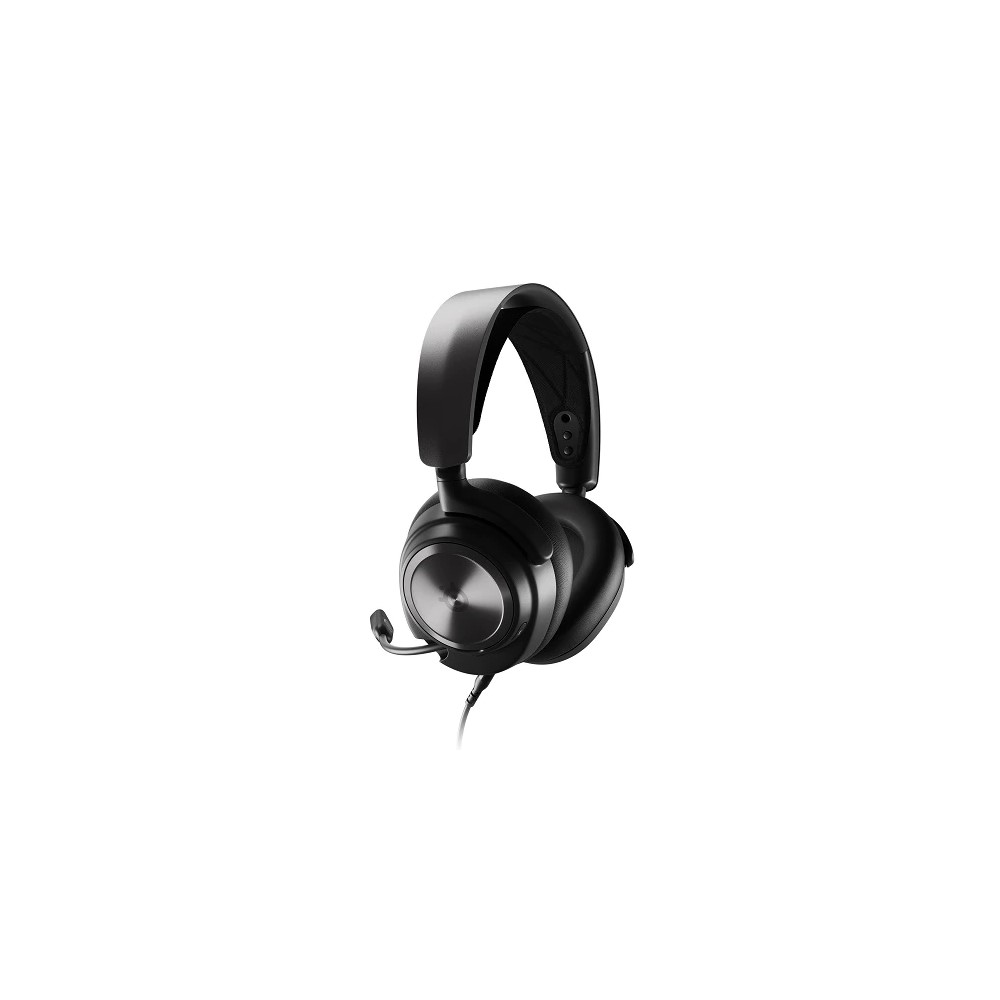
While the Razer BlackShark V2 Pro and V3 Pro are excellent options, they’re not the only gaming headset deals worth considering this Black Friday. Other brands like HyperX, SteelSeries, and Corsair are also offering significant discounts on their headsets. Keep an eye out for deals on models like the HyperX Cloud Alpha, SteelSeries Arctis 7, and Corsair Virtuoso RGB Wireless. Each of these headsets offers unique features and benefits, so it’s worth doing your research to find the best fit for your needs.
When evaluating different headsets, consider factors like comfort, sound quality, microphone quality, wireless connectivity, and battery life. Read reviews from trusted sources and compare specifications to make an informed decision. Also, consider whether you need a wireless or wired headset. Wireless headsets offer greater freedom of movement, while wired headsets typically offer lower latency and better sound quality. Don’t forget to check out some of the best deals under $100 this Black Friday.
The Importance of a Good Microphone
In the world of online gaming, clear communication is paramount. A good microphone ensures that your teammates can hear you clearly, allowing you to coordinate strategies and react quickly to changing situations. A poor microphone can lead to misunderstandings, frustration, and even lost games. When choosing a gaming headset, pay close attention to the microphone quality. Look for headsets with noise-canceling microphones that filter out background noise and ensure that your voice comes through loud and clear.
Some headsets even offer advanced microphone features like side tone, which allows you to hear your own voice in the headset, preventing you from shouting. Others offer adjustable microphone settings that allow you to fine-tune the sound to your liking. A quality microphone is especially important if you plan on streaming your gameplay or creating online content.

Comfort is Key: Choosing the Right Fit
Long gaming sessions can be grueling, so comfort is a crucial factor when choosing a gaming headset. Look for headsets with comfortable earcups, adjustable headbands, and breathable materials. Earcup material is especially important. Leatherette earcups offer excellent sound isolation but can become hot and sweaty over time. Fabric earcups are more breathable but may not offer as much sound isolation.
Adjustable headbands are also essential for finding the perfect fit. Look for headsets with a wide range of adjustment options to ensure that the headset sits comfortably on your head without causing pressure or discomfort. The weight of the headset is also a factor to consider. Lighter headsets are generally more comfortable for long gaming sessions.
Consider the shape of your head and ears when choosing a headset. Some headsets are designed specifically for smaller or larger heads. If possible, try on different headsets before making a purchase to ensure that they fit comfortably.
Wireless vs. Wired: Which is Right for You?
Gaming headsets come in two main varieties: wireless and wired. Wireless headsets offer greater freedom of movement, allowing you to move around without being tethered to your computer or console. However, wireless headsets typically have a shorter battery life and may be subject to interference. Wired headsets offer lower latency and better sound quality but can be restrictive due to the cable.
The best choice depends on your personal preferences and gaming style. If you value freedom of movement and don’t mind charging your headset regularly, a wireless headset is a good choice. However, if you prioritize sound quality and low latency, a wired headset is the better option. Some wireless headsets offer a wired mode, allowing you to connect the headset to your computer or console using a cable when the battery is low or when you want the best possible sound quality.
Optimizing Your Audio Settings for the Best Experience
Once you’ve chosen the perfect gaming headset, it’s important to optimize your audio settings for the best possible experience. Most gaming headsets come with companion software that allows you to customize the sound profile, microphone settings, and other features. Experiment with different settings to find the ones that work best for you.
In addition to the headset’s software, you can also adjust your audio settings in your operating system and in individual games. Make sure that your headset is set as the default audio device and that the volume levels are properly adjusted. In games, experiment with different audio settings like surround sound, equalizer settings, and environmental effects to find the ones that provide the most immersive and competitive experience. You might also be interested in best journal apps to take notes on your gaming experience.
Black Friday 2025: A Gamer’s Paradise
Black Friday 2025 is shaping up to be a gamer’s paradise, with deep discounts on a wide range of gaming headsets. Whether you’re looking for a headset with a great microphone, comfortable earcups, or low-latency wireless connectivity, you’re sure to find a deal that meets your needs and budget. Don’t miss out on these incredible opportunities to upgrade your gaming experience. Remember to check out Amazon’s Black Friday and Cyber Monday deals to maximize your savings.
Start your research now, compare different models, and be ready to pounce when the deals go live. With a little planning and effort, you can snag the best gaming headset deals of the year and take your gaming to the next level.