Samsung Galaxy Z TriFold: The Future of Foldable Tech
The tech world is abuzz with the official launch of the Samsung Galaxy Z TriFold, a device poised to redefine the boundaries between smartphones and tablets. After months of anticipation and teases, including a detailed showcase at the APEC Summit last month, Samsung has finally unveiled its groundbreaking multifolding device. This launch signals a significant leap forward in foldable technology, promising a unique user experience and challenging the conventional form factors we’ve grown accustomed to.

The Samsung Galaxy Z TriFold aims to blur the lines between phone and tablet with its innovative design. Featuring a dual-hinge mechanism, the device unfolds to reveal a stunning 10-inch display, offering users a significantly larger screen for enhanced productivity, entertainment, and creative tasks. This expanded screen real estate positions the Galaxy Z TriFold as a potential competitor to traditional tablets, offering a more portable and versatile alternative.
Unveiling the Galaxy Z TriFold: Design and Durability
Samsung has not only focused on expanding the screen size but also on refining the device’s overall design and durability. At its thinnest point, the Samsung Galaxy Z TriFold measures a mere 3.9mm, making it even slimmer than the Galaxy Z Fold 7 when unfolded. This sleek profile enhances its portability and ease of use, allowing users to comfortably hold and operate the device in various modes.
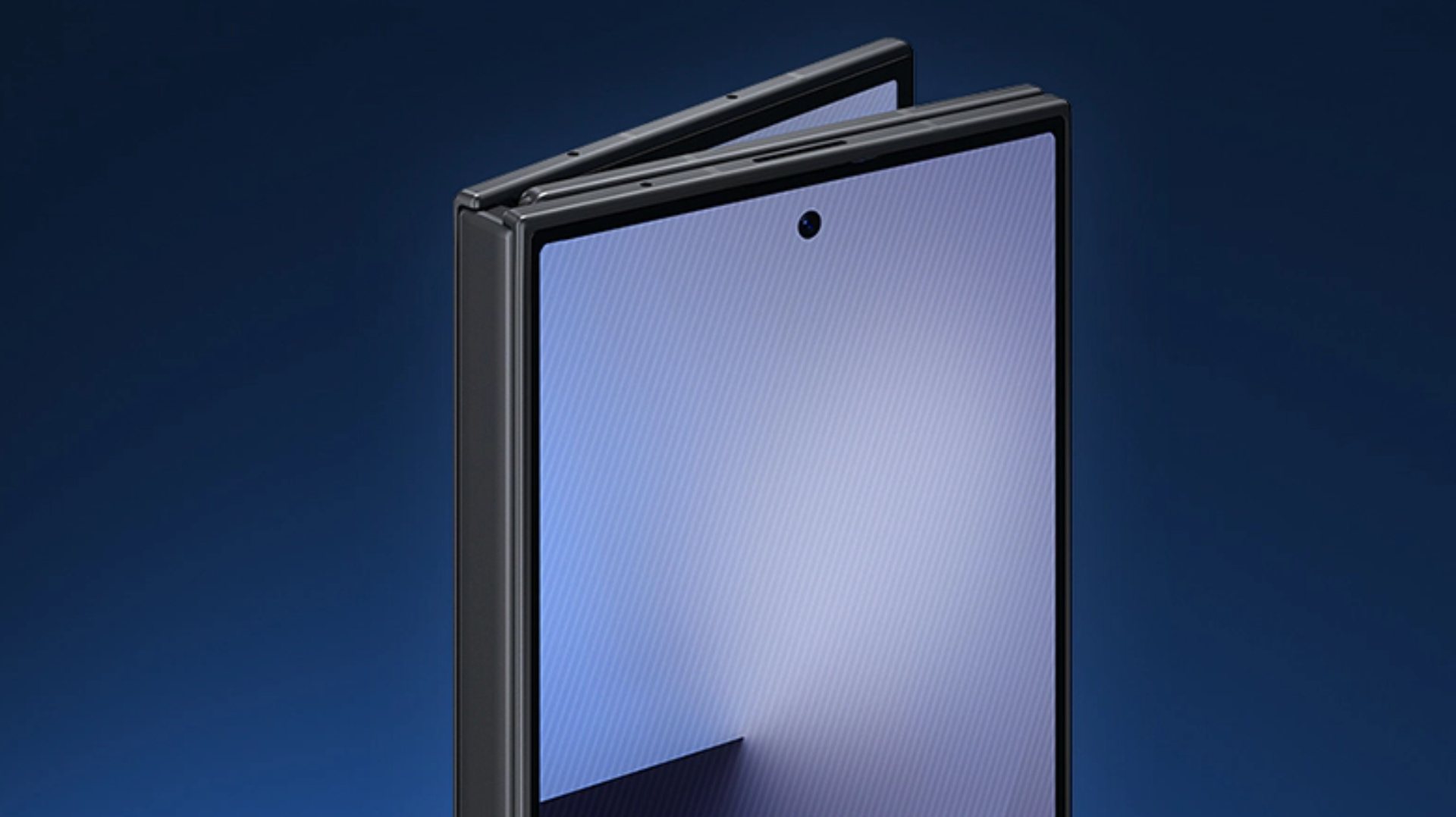
Recognizing the importance of durability in a foldable device, Samsung has implemented several key improvements to ensure the Samsung Galaxy Z TriFold can withstand the rigors of daily use. A new display technology incorporates a reinforced overcoat to the shock-absorbing display layer, providing enhanced resistance to scratches and impacts. The hinge design has also been refined with a dual-rail structure, which Samsung claims creates a smoother and more stable fold, distributing weight evenly across the device.
Pricing and Availability: What to Expect
The Samsung Galaxy Z TriFold is expected to hit the US market in Q1 2026. While the exact pricing details are still under wraps, the Korean price provides some indication of what consumers can expect. It’s likely that the US price will be in a similar range, reflecting the device’s premium features and innovative design. As we anticipate its arrival, it’s worth considering how this device might impact other areas, such as the automotive industry’s tech integrations, similar to how advancements are shaping the 2025 Lincoln Nautilus, a Sino-American success story.
The Technology Behind the Fold: Samsung’s Innovation
Samsung’s commitment to innovation is evident in the technological advancements incorporated into the Samsung Galaxy Z TriFold. The device’s multifolding capability is a testament to Samsung’s expertise in display technology and hinge design. The reinforced display and dual-rail hinge structure demonstrate Samsung’s focus on creating a durable and reliable foldable device.

Beyond the display and hinge, Samsung has likely incorporated other advanced technologies into the Samsung Galaxy Z TriFold, such as improved battery technology to power the larger display, enhanced cooling systems to manage heat dissipation, and optimized software to take advantage of the multifolding form factor. These advancements contribute to a seamless and immersive user experience, making the Galaxy Z TriFold a truly innovative device.
The Impact on the Mobile Market: A New Era of Foldables
The launch of the Samsung Galaxy Z TriFold is expected to have a significant impact on the mobile market. As the first multifolding device from a major manufacturer, it sets a new standard for foldable technology and opens up new possibilities for device design and functionality. The Galaxy Z TriFold’s larger display and versatile form factor could appeal to a wide range of users, from professionals seeking enhanced productivity to consumers looking for a more immersive entertainment experience.
The success of the Samsung Galaxy Z TriFold could also encourage other manufacturers to explore multifolding designs, leading to a new wave of innovative foldable devices. This competition could drive further advancements in display technology, hinge design, and software optimization, ultimately benefiting consumers with more durable, versatile, and affordable foldable devices. It will be interesting to see how this impacts other tech segments, such as wearable technology, where devices like the Garmin Venu 4 45mm are already pushing boundaries in fitness and wellness tracking.
Comparing the Galaxy Z TriFold to Existing Foldable Devices
While the foldable market has seen significant growth in recent years, the Samsung Galaxy Z TriFold stands out from existing devices in several key aspects. Its multifolding design and 10-inch display offer a significantly larger screen real estate than traditional foldable phones, blurring the lines between phone and tablet. The Galaxy Z TriFold’s slim profile and refined hinge design also contribute to a more premium and user-friendly experience.

Compared to devices like the Galaxy Z Fold series, the Samsung Galaxy Z TriFold offers a more expansive display for multitasking, content creation, and immersive entertainment. Its dual-hinge design allows for more flexible usage scenarios, such as using the device in a partially folded mode for presentations or video calls. The reinforced display and dual-rail hinge structure also address concerns about durability, making the Galaxy Z TriFold a more robust and reliable foldable device. Furthermore, the impact of prolonged smartphone use is a growing concern, and devices like the Galaxy Z TriFold, with their larger screens, might influence how we address issues such as smartphone pinky.
The User Experience: What to Expect from the TriFold
The Samsung Galaxy Z TriFold promises a unique and versatile user experience. The expansive 10-inch display provides ample screen real estate for multitasking, allowing users to run multiple apps simultaneously and switch between them seamlessly. This enhanced multitasking capability makes the Galaxy Z TriFold ideal for professionals who need to stay productive on the go.
The Galaxy Z TriFold’s flexible form factor also enables a variety of usage scenarios. In its fully unfolded mode, it can be used as a tablet for reading, browsing, and watching videos. In its partially folded mode, it can be used as a laptop for typing and editing documents. The device’s ability to adapt to different usage scenarios makes it a versatile tool for both work and play. It’s also essential to consider how audio experiences will evolve with such devices, as seen in the pursuit of redefined audio luxury with products like the Dyson Porter Ontrac headphones.
Potential Challenges and Considerations
While the Samsung Galaxy Z TriFold represents a significant advancement in foldable technology, it also presents several potential challenges and considerations. One of the main concerns is durability. The multifolding design and larger display increase the risk of damage from drops and impacts. Samsung’s reinforced display and dual-rail hinge structure aim to address these concerns, but real-world testing will be necessary to determine the device’s long-term durability.
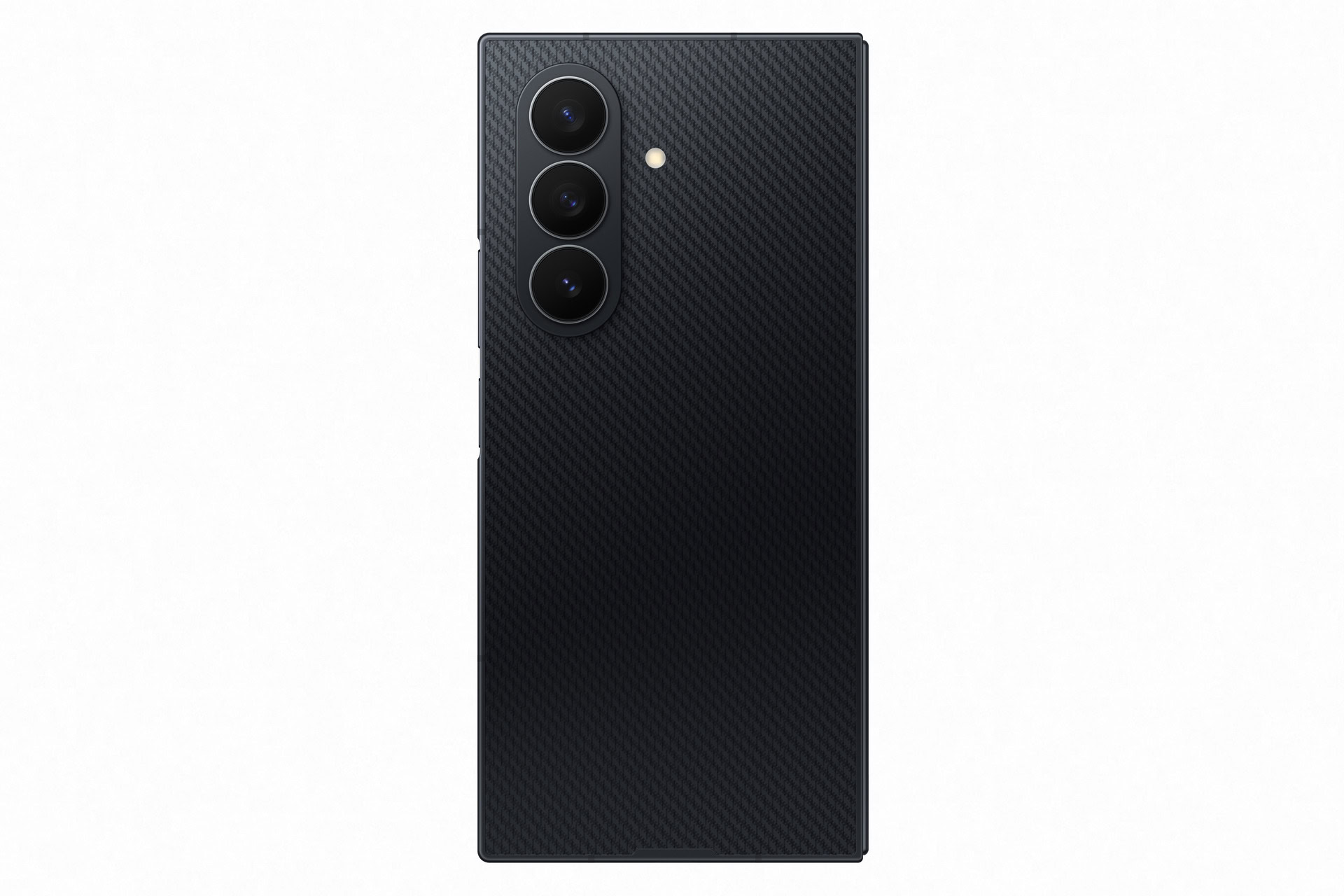
Another consideration is the software optimization. The Samsung Galaxy Z TriFold‘s unique form factor requires specialized software to take full advantage of its capabilities. Samsung will need to optimize its operating system and apps to ensure a seamless and intuitive user experience. Battery life is also a concern, as the larger display will likely consume more power. Samsung will need to incorporate a high-capacity battery and efficient power management techniques to ensure the device can last through a full day of use. It will be interesting to see how these advancements compare to those in other sectors, such as the electric vehicle market, as Chevrolet Silverado EV Trail Boss road king reimagined.
The Future of Foldable Devices: What’s Next?
The launch of the Samsung Galaxy Z TriFold marks a significant milestone in the evolution of foldable devices. As the technology matures, we can expect to see further advancements in display technology, hinge design, and software optimization. Future foldable devices may feature even larger and more flexible displays, allowing for new and innovative form factors. We may also see the integration of advanced features such as under-display cameras, haptic feedback, and augmented reality capabilities.
The foldable market is expected to continue to grow in the coming years, driven by increasing consumer demand for larger screens and more versatile devices. As prices come down and durability improves, foldable devices are likely to become more mainstream, challenging the dominance of traditional smartphones and tablets. The Samsung Galaxy Z TriFold is at the forefront of this revolution, paving the way for a new era of mobile computing. As technology continues to evolve, it’s also interesting to see how content consumption changes, particularly with the potential HBO Max UK release date revealed for the home of the Pitt.
In conclusion, the Samsung Galaxy Z TriFold represents a bold step forward in foldable technology. Its innovative design, expansive display, and versatile form factor offer a glimpse into the future of mobile computing. While challenges remain, the Galaxy Z TriFold has the potential to redefine the way we interact with our devices and usher in a new era of foldable innovation. It is also important to consider the environmental impact of these technologies, and whether focusing on half the motors means half the fun, as explored in the 2026 Volvo EX30 Single Motor.
The Samsung Galaxy Z TriFold is a marvel of engineering, but its success will depend on addressing user concerns about durability and software optimization. Just as Motorola is attempting to challenge the smartphone elite with the Motorola Edge 70 Ultra, Samsung is pushing the boundaries of what’s possible with foldable technology.
The Samsung Galaxy Z TriFold is not just a new device; it’s a statement about the future of mobile technology. With its innovative design and commitment to durability, Samsung is setting a new standard for foldable devices. As the technology matures and prices come down, we can expect to see foldable devices become more mainstream, challenging the dominance of traditional smartphones and tablets.
As the Samsung Galaxy Z TriFold prepares to launch, it’s important to remember that technological advancement goes hand in hand with responsible usage. Just as we consider the ergonomics of holding smartphones, it’s crucial to understand and mitigate potential strain associated with prolonged use of larger devices like the Galaxy Z TriFold. In this context, understanding how to address hand strain is essential for users adapting to new device form factors.
The Samsung Galaxy Z TriFold truly represents the future of foldable tech, and its impact on the mobile market will be profound. Its unique design and functionalities will likely influence future innovations and shape the landscape of mobile devices for years to come. The Galaxy Z TriFold is more than just a device; it’s an experience.