Unveiling the Huawei Watch Fit 4: A Comprehensive Review
The wearable technology market continues its relentless expansion, with smartwatches becoming indispensable companions for health enthusiasts, busy professionals, and tech-savvy individuals alike. Among the myriad of options, Huawei has consistently pushed boundaries, blending sophisticated design with advanced functionalities. Our in-depth Huawei Watch Fit 4 review aims to dissect every facet of this highly anticipated device, exploring whether it truly stands out in a crowded landscape. From its aesthetic appeal to its intricate health tracking capabilities and overall user experience, we leave no stone unturned to provide you with a holistic understanding of what this smartwatch brings to the table. As consumers increasingly demand more from their wristwear, the Watch Fit 4 enters the fray promising a seamless blend of style, performance, and intelligent features. This detailed exploration will help you determine if it’s the right fit for your daily needs and aspirations.

Design and Display: A Fusion of Style and Clarity
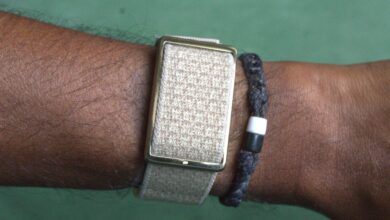
The first impression of any wearable device often hinges on its design, and the Huawei Watch Fit 4 certainly aims to impress. Building upon the sleek, rectangular aesthetic of its predecessors, the Fit 4 refines the formula with subtle yet significant enhancements. The watch maintains a remarkably thin and lightweight profile, ensuring comfort during extended wear, whether you’re working out, sleeping, or simply going about your day. The choice of materials feels premium, with a robust frame that suggests durability without compromising on elegance. Available in a range of sophisticated colors and strap options, it offers a degree of personalization that allows users to match their device to their style, transitioning effortlessly from a gym accessory to a formal statement piece.
The display is arguably one of the Huawei Watch Fit 4’s crowning glories. It features a vibrant AMOLED panel that delivers stunning visuals with deep blacks and rich, accurate colors. The resolution is crisp, making text highly readable and intricate watch faces truly pop. Under direct sunlight, the brightness levels are more than adequate, ensuring visibility during outdoor activities without constant squinting. The always-on display (AOD) functionality is well-implemented, offering essential information at a glance without severely impacting battery life. The rectangular form factor, while not universally preferred over traditional circular designs, provides a more expansive canvas for displaying information, which is particularly beneficial for notifications and workout metrics. The touch response is fluid and precise, making navigation through menus and widgets a genuinely pleasant experience.
Customization extends beyond physical straps to a vast array of digital watch faces, accessible through the Huawei Health app. Users can choose from artistic designs, data-rich dashboards, or minimalist layouts, ensuring there’s a watch face for every mood and need. This level of aesthetic flexibility contributes significantly to the overall user satisfaction and reinforces the Watch Fit 4’s position as a versatile smart accessory. The attention to detail in the design, from the curvature of the glass to the tactile feedback of the single physical button, speaks volumes about Huawei’s commitment to delivering a polished product.
Performance and User Experience: Seamless Interaction
Underneath its elegant exterior, the Huawei Watch Fit 4 houses internal components designed for smooth and responsive performance. Navigating through the HarmonyOS-based interface is remarkably fluid, with animations and transitions that feel snappy and lag-free. Apps launch quickly, and switching between different functionalities, such as checking your heart rate or starting a workout, is instantaneous. This responsiveness is crucial for a device meant to be an extension of your daily life, minimizing frustration and maximizing efficiency. The device’s processor, coupled with optimized software, ensures that even complex operations are handled with ease.
The app ecosystem, while not as extensive as those found on Wear OS or Apple Watch, is robust enough for most users’ needs. Huawei provides a comprehensive suite of pre-installed applications covering health, fitness, communication, and utility. These include detailed workout tracking, sleep monitoring, stress tracking, weather forecasts, timers, and more. Integration with the Huawei Health app on your smartphone is seamless, serving as the central hub for all your data, settings, and watch face customizations. The synchronization process is generally quick and reliable, ensuring your health metrics are always up-to-date across devices.
Everyday usability is a strong suit for the Huawei Watch Fit 4. The intuitive gesture controls, combined with the responsive touchscreen and the physical button, make interacting with the watch straightforward. Whether you’re swiping through notifications, adjusting settings, or initiating a quick workout, the learning curve is minimal. The device is designed to be approachable for both seasoned smartwatch users and newcomers alike. For those looking for comprehensive guidance on various electronic devices, understanding the nuances of how products are reviewed is key; much like learning about an Epson EcoTank ET-2950 review provides insights into printer performance, a detailed smartwatch review offers critical information for potential buyers.
Health and Fitness Tracking: Your Personal Wellness Coach
The Huawei Watch Fit 4 positions itself as a formidable health and fitness companion, packed with an impressive array of sensors and tracking capabilities. At its core, it offers continuous heart rate monitoring, providing real-time data throughout the day and during workouts. This data is crucial for understanding your cardiovascular health and optimizing exercise intensity. The device also includes SpO2 (blood oxygen saturation) monitoring, which has become increasingly vital, offering insights into respiratory health and overall well-being. Both metrics are presented clearly within the Huawei Health app, often accompanied by trend analysis and actionable advice.
Sleep tracking on the Watch Fit 4 is remarkably comprehensive. It meticulously records sleep stages (deep, light, REM) and provides a detailed breakdown of your sleep patterns. Beyond just logging hours, the watch identifies common sleep issues and offers personalized suggestions for improvement, drawing upon Huawei’s TruSleep technology. This depth of analysis can be invaluable for individuals striving to enhance their sleep quality, which is a cornerstone of overall health. Stress monitoring is another significant feature, using heart rate variability to assess your stress levels throughout the day and offering guided breathing exercises to help you relax.
For fitness enthusiasts, the Watch Fit 4 is a true powerhouse. It supports an extensive range of workout modes, covering everything from running and cycling to swimming, yoga, and even less common activities. Each mode is tailored to provide relevant metrics, such as distance, pace, calories burned, and heart rate zones. The integrated GPS is particularly noteworthy for outdoor activities, offering accurate route tracking without needing to carry your smartphone. This precision is essential for serious athletes who rely on consistent data for performance analysis and improvement. The watch provides real-time coaching and post-workout summaries, making it easier to track progress and stay motivated. The robust data collection means you get a complete picture of your activity levels, allowing for more informed decisions about your fitness journey. This is a crucial aspect of any modern wearable, and the Huawei Watch Fit 4 review highlights its commitment to comprehensive health monitoring.
Battery Life and Charging: Endurance Meets Efficiency
One of the perennial challenges for smartwatches is balancing rich features with acceptable battery life. The Huawei Watch Fit 4 excels in this regard, offering impressive endurance that often surpasses many of its competitors. In typical usage scenarios, which include continuous heart rate monitoring, sleep tracking, several workout sessions with GPS, and daily notifications, the Watch Fit 4 can comfortably last for up to 7-10 days on a single charge. With more conservative use, such as fewer GPS-enabled workouts and minimal AOD, some users might even stretch it closer to two weeks. This exceptional battery performance significantly reduces charging anxiety, making it a reliable companion for travel or extended periods away from a power source.
When it does come time to recharge, the Watch Fit 4 utilizes a magnetic charging cradle that snaps securely into place. The charging speed is commendably fast, often replenishing a substantial amount of power in a short period. A quick 5-10 minute charge can provide enough juice for a full day of use, which is incredibly convenient for those moments when you realize your battery is low just before heading out. A full charge from empty typically takes around an hour to an hour and a half. This combination of long battery life and rapid charging ensures that the Watch Fit 4 spends more time on your wrist and less time tethered to a charger, enhancing its practicality for active users.
Smart Features and Connectivity: Beyond Health Tracking
While health and fitness are central to the Huawei Watch Fit 4, its smart features add another layer of utility. The watch seamlessly delivers notifications from your paired smartphone, allowing you to view incoming calls, messages, and app alerts directly on your wrist. For Android users, quick replies to messages are often available, providing a convenient way to respond without pulling out your phone. This feature, while seemingly minor, significantly enhances the device’s utility in fast-paced environments.
Bluetooth calling is another welcome addition, enabling users to answer calls directly from the watch, provided their smartphone is within range. The built-in microphone and speaker offer decent clarity for short conversations, making it useful when your hands are full or your phone is out of reach. Music control allows you to manage playback on your smartphone, whether skipping tracks or adjusting volume, directly from your wrist. While NFC payments might be region-dependent or require specific Huawei Pay integration, its presence in some models adds to the device’s convenience, allowing for contactless transactions.
The integration with the Huawei Health app is foundational to the Watch Fit 4’s smart ecosystem. It serves not only as a data repository but also as a hub for customizing settings, downloading watch faces, and updating firmware. The app’s user-friendly interface makes it easy to navigate and interpret your health metrics. However, it’s worth noting that while many smartwatches aim for seamless voice assistant integration, the actual user experience can vary greatly. For instance, many users often wonder, “Hey Siri, why can’t you do even the simplest of things well?” highlighting the common frustrations with voice assistant capabilities across different platforms. The Watch Fit 4 generally relies on its own robust app ecosystem rather than deep third-party assistant integration, which can be a pro for privacy-conscious users but a con for those heavily invested in a specific smart home ecosystem.
The Watch Fit 4 also offers a “Find My Phone” feature, a remote camera shutter, and weather updates, all contributing to its versatility as a daily companion. Ensuring your phone is properly maintained for optimal pairing is also crucial. For those who frequently switch devices or encounter issues, knowing how to properly manage their mobile device is important, which is why understanding that you’re factory resetting your Android phone wrong can be a vital piece of information for any tech user. The overall connectivity and smart features of the Huawei Watch Fit 4 are designed to offer practical benefits without overwhelming the user with unnecessary complexities, focusing on core functionalities that enhance daily life.
Key Specifications Overview: Huawei Watch Fit 4
To provide a clear picture of the Huawei Watch Fit 4’s capabilities, here’s a table summarizing its main specifications and features:
Pros and Cons: Weighing the Watch Fit 4’s Strengths and Weaknesses
Every device has its high points and areas where it could improve. Our detailed Huawei Watch Fit 4 review would be incomplete without a balanced look at its strengths and weaknesses.
What We Loved:
- Stunning AMOLED Display: The vibrant, crisp, and bright screen is a joy to behold, offering excellent readability indoors and out.
- Exceptional Battery Life: Up to 10 days of battery life is a significant advantage, reducing the frequency of charging.
- Comprehensive Health Tracking: Accurate heart rate, SpO2, and advanced sleep monitoring provide valuable insights into your well-being.
- Built-in GPS: Accurate standalone GPS tracking for outdoor workouts is a crucial feature for fitness enthusiasts.
- Sleek and Comfortable Design: Lightweight, stylish, and comfortable for all-day wear, with ample customization options.
- Smooth User Interface: The HarmonyOS-based system is fluid and responsive, making navigation effortless.
- Bluetooth Calling: The ability to answer calls directly from the watch adds a layer of convenience.
Areas for Improvement:
- Limited Third-Party App Ecosystem: While Huawei’s native apps are robust, the lack of a broader third-party app store might be a drawback for some users.
- Voice Assistant Integration: While competent, its native assistant might not integrate as deeply with other ecosystems as some competitors.
- NFC Payments Availability: Huawei Pay’s regional availability means not all users can leverage contactless payments.
- Rectangular Design Preference: While functional, the rectangular display might not appeal to users who prefer traditional circular watch faces.
Comparison with Competitors: Finding Its Niche
In a market saturated with smartwatches from giants like Apple, Samsung, Garmin, and Fitbit, the Huawei Watch Fit 4 carves out its own niche. It generally competes in the mid-range segment but offers features often found in more premium devices. Compared to the Apple Watch SE, for instance, the Fit 4 boasts significantly longer battery life and a more fitness-band-like form factor, though it lacks the extensive app ecosystem and deep integration with iOS that Apple offers. Against Samsung’s Galaxy Watch series, the Fit 4 often wins on battery endurance and a sleeker, less bulky design, while Samsung might offer more advanced smart features and a richer Wear OS experience.
Where the Huawei Watch Fit 4 truly shines is in its value proposition. It delivers an impressive suite of health and fitness tracking features, a gorgeous display, and remarkable battery life at a price point that is often more accessible than its direct rivals. For users prioritizing fitness tracking, excellent battery life, and a stylish design without needing an expansive third-party app store or deep smart home integration, the Fit 4 presents a compelling alternative. It’s particularly well-suited for Android users who are already within the Huawei ecosystem or those looking for a capable fitness tracker with smartwatch capabilities that won’t break the bank. The general trend of rapid innovation across various sectors, including the tech and automotive industries, shows how consumer expectations are constantly evolving. Indeed, the auto industry was wild in 2025, reflecting a similar pace of change and disruption that we see in the wearable tech space.
Its rectangular, fitness-band-meets-smartwatch design also sets it apart, offering a unique aesthetic that some users might find more appealing or comfortable than traditional circular smartwatches. This design choice maximizes screen real estate for data display, which is a significant advantage during workouts or when glancing at notifications. Ultimately, the Watch Fit 4 targets a segment of the market that values core smartwatch functionalities, robust health tracking, and extended battery life above all else, making it a strong contender for those specific needs.
Conclusion: The Verdict on the Huawei Watch Fit 4
After a thorough Huawei Watch Fit 4 review, it’s clear that Huawei has once again delivered a highly capable and well-rounded wearable device. It successfully blends a sleek, comfortable design with a vibrant AMOLED display, delivering an engaging visual and tactile experience. The performance is fluid, and the user interface is intuitive, making it easy for anyone to pick up and use. Its health and fitness tracking capabilities are comprehensive and accurate, providing valuable insights for improving one’s well-being