Pixel 11: Unveiling 2026’s Smartphone Dominator
As the curtain begins to fall on 2025, the tech world is already buzzing with speculation about what 2026 will bring. While many anticipate a fierce battle among smartphone giants, a strong case can be made that the future champion has already emerged: the Google Pixel 11. This isn’t merely an optimistic prediction; it’s a recognition of Google’s strategic trajectory, its relentless innovation in AI, and a landscape where competitors seem to be grappling with incremental updates rather than true breakthroughs. The Pixel line has steadily matured, evolving from a niche enthusiast device to a mainstream powerhouse, and the Pixel 11 is poised to cement its status as the definitive smartphone experience of the coming year.
Google’s approach has always been distinct, prioritizing software-hardware integration and groundbreaking computational intelligence. With each iteration, the Tensor chip has become more formidable, not just in raw power, but in its ability to unlock entirely new user experiences. The Pixel 11 is expected to leverage an even more advanced Tensor processor, pushing the boundaries of on-device AI in ways that other manufacturers are only beginning to conceptualize. This deep integration is the secret sauce, allowing the Pixel 11 to anticipate user needs, personalize interactions, and deliver a seamless, intuitive experience that feels genuinely futuristic.
While other brands often focus on headline-grabbing specifications, Google’s strength lies in transforming those specifications into tangible, user-centric benefits. From photographic excellence powered by machine learning to proactive digital assistance, the Pixel 11 represents the pinnacle of intelligent mobile technology. This article will delve into the myriad reasons why the Pixel 11 is not just another phone, but a paradigm shift, setting the standard for what a smartphone can and should be in 2026.

The Dawn of AI-Centric Hardware: Tensor’s Unrivaled Edge
At the heart of the Pixel 11‘s anticipated dominance is its proprietary Tensor chip. While other chipmakers focus on raw clock speeds and benchmark scores, Google’s Tensor is purpose-built for AI and machine learning workloads. The Tensor G6, expected to power the Pixel 11, isn’t just an upgrade; it’s a leap forward in how a smartphone processes information and interacts with its user. This specialized silicon allows for incredibly sophisticated on-device AI processing, which translates into real-world advantages that are difficult for competitors to replicate without similar deep hardware-software synergy.
Unlocking Next-Generation Computational Photography
The Pixel series has long been synonymous with exceptional photography, often outperforming phones with theoretically superior camera hardware through the sheer power of computational photography. With the Pixel 11, this legacy is set to reach new heights. The Tensor G6 will enable even more advanced algorithms for image processing, allowing for unparalleled detail, dynamic range, and color accuracy in every shot. Features like enhanced Super Res Zoom, more natural portrait mode bokeh, and superior low-light performance will benefit immensely from the increased AI horsepower. Imagine capturing a fleeting moment with perfect clarity, even in challenging conditions, all thanks to the intelligent processing happening instantly on your device. This isn’t just about taking good photos; it’s about transforming every user into a capable photographer.
Proactive Intelligence and Personalized Experiences
Beyond photography, the Tensor G6 empowers the Pixel 11 to deliver a truly proactive and personalized user experience. From intelligently managing battery life based on usage patterns to providing relevant information before you even ask, the AI integration is seamless. Google’s Assistant, deeply embedded and significantly enhanced by the new Tensor chip, will become an even more intuitive companion. This can manifest in advanced voice commands, smarter context awareness, and even more nuanced understanding of user intent. For users looking to integrate Gemini into Google’s ecosystem, the advancements in the Pixel 11’s AI capabilities will make such transitions smoother and more powerful than ever before.
The chip’s ability to handle complex machine learning tasks locally means greater privacy and faster responses. Real-time language translation, advanced voice dictation, and intelligent call screening will all see significant improvements, making daily interactions more efficient and less intrusive. This focus on practical, everyday AI applications is what truly differentiates the Pixel experience, moving beyond mere gimmicks to genuinely useful features that enhance productivity and connectivity.
Camera System Evolution: Beyond Megapixels
While other manufacturers chase higher megapixel counts and more lenses, Google consistently proves that intelligent software is the true differentiator in mobile photography. The Pixel 11 is expected to continue this tradition, but with significant hardware refinements that synergize perfectly with its advanced Tensor G6 chip. The camera hardware will undoubtedly be top-tier, featuring larger sensors and improved optics, but it’s the computational backbone that truly sets it apart.
Revolutionizing Video Capture and Editing
Historically, Pixel phones have excelled in still photography, but the Pixel 11 is poised to make major strides in video. Expect advancements in cinematic video modes, improved stabilization, and real-time HDR processing that brings professional-grade video capabilities to the palm of your hand. The Tensor G6’s immense processing power will allow for on-device video editing that rivals desktop software, enabling users to easily trim, color-grade, and apply effects to their footage with unprecedented speed and precision. Imagine shooting a high-quality video and being able to instantly enhance it with AI-driven tools, making it ready for sharing without needing to transfer it to another device.
A Suite of Intelligent Photography Tools
Beyond the core image quality, the Pixel 11 will likely introduce a suite of intelligent tools that make photography more accessible and creative. Features like Magic Eraser, Photo Unblur, and Real Tone will be further refined, offering even more precise and natural results. New AI-powered tools could emerge, such as intelligent scene recognition that automatically suggests optimal settings or even generative AI features that can subtly enhance or alter elements within a photograph, always with a focus on realism and user control. These aren’t just filters; they are sophisticated algorithms working to perfect your memories, ensuring the Pixel 11 remains the go-to device for capturing life’s moments.
Design, Display, and User Experience: Refined Elegance
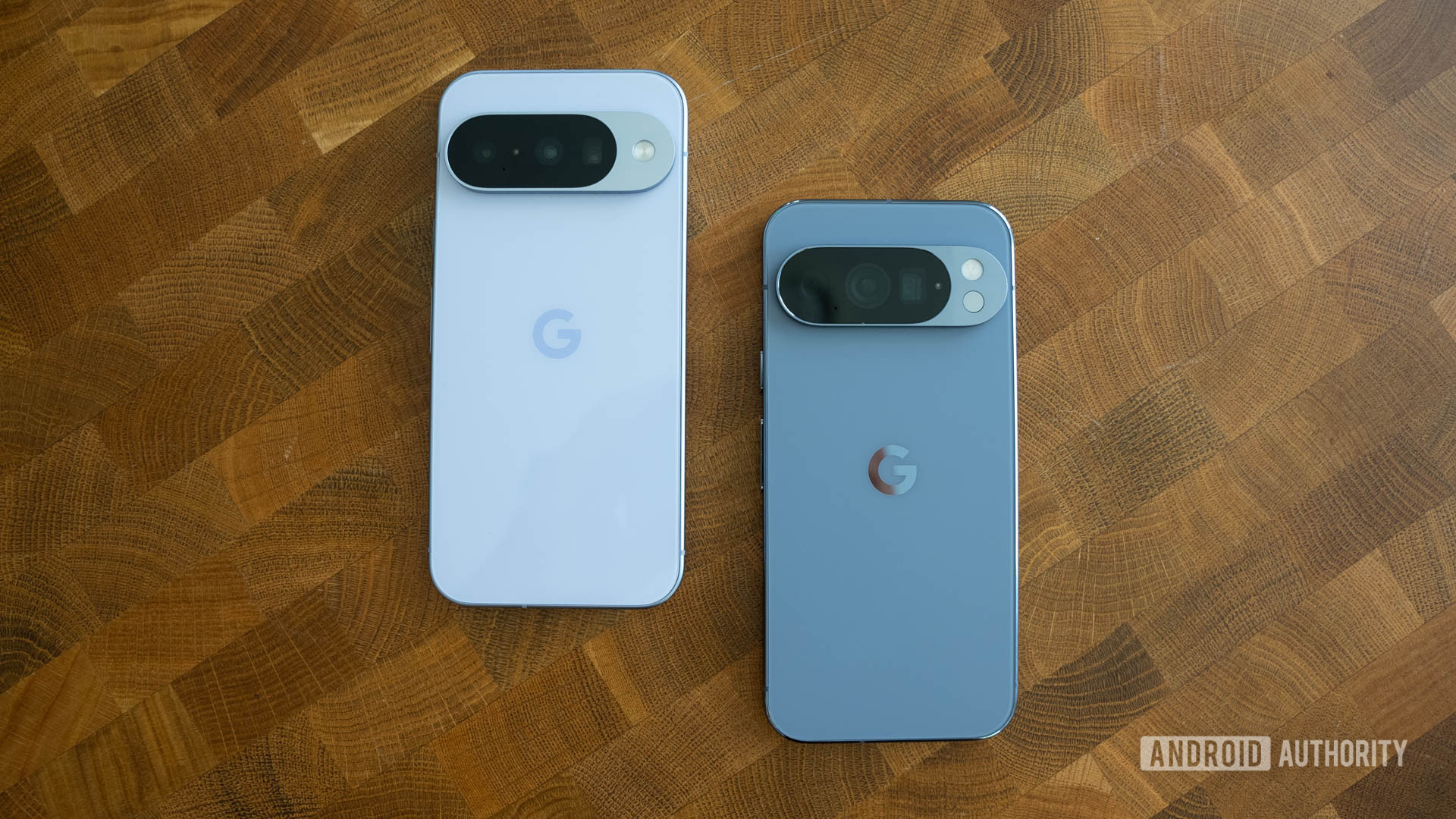
While Google’s hardware design has sometimes been understated, the Pixel 11 is expected to evolve into a truly premium device, blending functionality with sophisticated aesthetics. The design language will likely continue to be distinct, with a focus on comfortable ergonomics and durable materials. Beyond the physical form, the display and overall user experience are areas where the Pixel 11 is set to shine.
An Immersive and Adaptive Display
The display on the Pixel 11 is anticipated to be a marvel of modern engineering. We expect a high-refresh-rate OLED panel with exceptional color accuracy, brightness, and contrast. However, Google’s innovation often lies in how the display adapts to the user and environment. Dynamic refresh rates that intelligently switch between 1Hz and 120Hz will optimize battery life without compromising fluidity. Enhanced always-on display features, powered by the Tensor G6’s efficiency, will provide glanceable information with even greater customization. Furthermore, advancements in display technology might include even thinner bezels and a more seamless integration of the front-facing camera, leading to a truly immersive viewing experience for media consumption and productivity.
Haptic Feedback and Intuitive Interactions
Google has consistently invested in superior haptic feedback, making interactions with the Pixel feel incredibly tactile and responsive. The Pixel 11 will undoubtedly refine this further, providing nuanced vibrations that enhance typing, navigation, and notifications. Coupled with a clean, intuitive Android interface, the overall user experience will be one of effortless elegance. Google’s commitment to delivering a pure Android experience, free from bloatware and unnecessary customizations, ensures that the Pixel 11 runs smoothly and responsively from day one, receiving timely updates and security patches directly from the source.
Battery Life and Charging Innovation: Powering Through the Day
Battery life remains a critical factor for smartphone users, and the Pixel 11 is expected to address this with a combination of larger capacity and unparalleled efficiency. The Tensor G6’s architectural advancements are designed to maximize performance while minimizing power consumption, leading to significant gains in real-world battery longevity. This means users can confidently navigate their day without constantly searching for a power outlet.
Optimized Charging Speeds and Wireless Convenience
While Google has been cautious with ultra-fast charging speeds, the Pixel 11 is likely to strike an optimal balance between speed, battery health, and safety. Expect competitive wired charging speeds that can quickly top up the device, alongside enhanced wireless charging capabilities. Google’s commitment to its ecosystem means that wireless charging will be seamlessly integrated, offering convenience and efficiency. For those who might be experiencing confusion about ensuring optimal Pixel charging, the Pixel 11 is expected to simplify the process with smarter charging management and clearer indicators, making it easier than ever to keep your device powered up.
Furthermore, reverse wireless charging capabilities will likely see improvements, allowing the Pixel 11 to act as a power bank for accessories like Pixel Buds or other Qi-compatible devices, reinforcing its role as the central hub of a user’s digital life. The combination of hardware efficiency and intelligent software management means the Pixel 11 won’t just have a large battery; it will use that battery more effectively than any other phone on the market.
Software Synergy: Android’s Ultimate Expression
The Google Pixel 11 is more than just hardware; it’s the purest and most advanced expression of Android. With Google designing both the software and the core silicon, the level of optimization and synergy is unmatched. This allows for features that are deeply integrated into the operating system, rather than being bolted on as afterthoughts.
Exclusive Android Features and Updates
Pixel phones consistently receive new Android features first, and the Pixel 11 will be no exception. It will be the flagship device for the latest iteration of Android, showcasing cutting-edge functionalities that won’t arrive on other devices for months, if at all. This includes advanced privacy controls, new customization options, and innovative ways to interact with your device. Google’s commitment to long-term software support also means the Pixel 11 will receive years of operating system updates and security patches, ensuring its relevance and performance well into the future.
Seamless Ecosystem Integration
The Pixel 11 sits at the center of Google’s expansive ecosystem. Integration with Google services like Google Photos, Google Workspace, and Google Assistant will be deeper and more intuitive than ever. Furthermore, connectivity with other Google devices, such as Chromebooks, Pixel Buds, and Wear OS smartwatches, will be seamless, creating a unified and cohesive digital experience. For users who frequently interact with their car’s infotainment system, the Pixel 11 will offer unparalleled performance, making it easier than ever to unlock Android Auto’s hidden potential and access advanced features directly from their device.
The ability to effortlessly switch between devices, share content, and control smart home gadgets from a single, intelligent hub is a core strength of the Pixel ecosystem. This seamless integration enhances productivity and convenience, further cementing the Pixel 11’s position as a central component of modern digital living.
The Competitive Landscape: Why Others Might Struggle
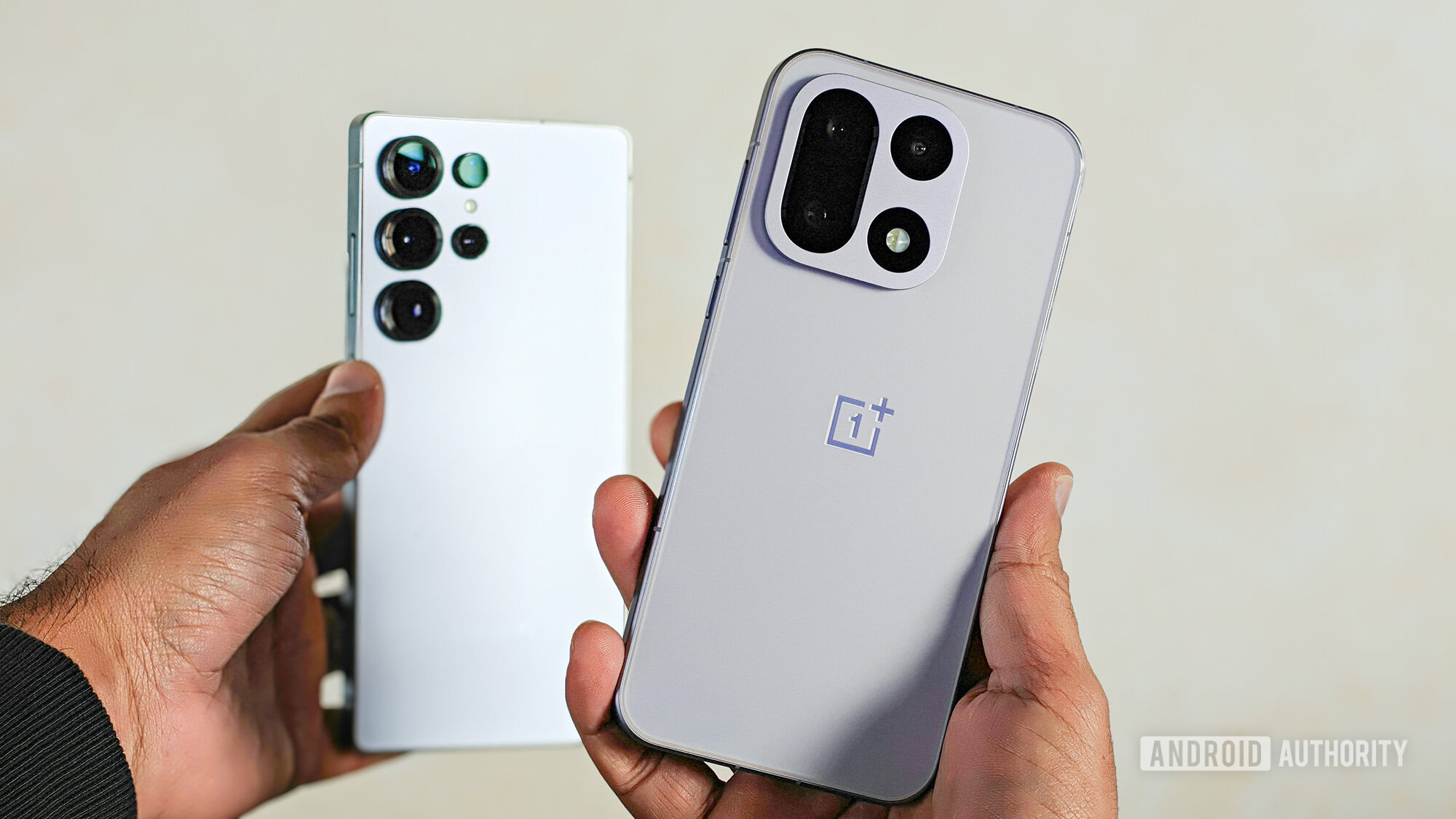
While competitors like Samsung and OnePlus continue to innovate, their strategies often appear to be more about incremental upgrades and chasing specifications rather than building a cohesive, intelligent user experience from the ground up. This is where the Pixel 11 gains a significant advantage. Samsung, despite its market dominance, often struggles with software consistency and bloatware, and its hardware innovations sometimes feel disjointed. OnePlus, once a disruptor, has arguably lost some of its unique edge, falling into a cycle of predictable updates.
The Challenge of Holistic Innovation
The real challenge for competitors isn’t just matching the Pixel 11‘s specifications, but replicating its holistic approach to smartphone design. Google’s control over the entire vertical stack – from the Tensor chip to the Android operating system and its vast array of AI services – enables a level of integration that is difficult for others to achieve. This means that while other phones might boast powerful cameras or fast processors, they often lack the seamless, intelligent experience that defines the Pixel. For instance, when it comes to playing PC games on Android, the Pixel 11’s Tensor chip, with its deep AI integration, could offer a more optimized and efficient emulation experience compared to devices relying solely on raw CPU/GPU power without the same level of software-hardware co-design.
Moreover, Google’s commitment to delivering a clean Android experience, free from unnecessary bloatware and proprietary skins that often hinder performance and delay updates, gives the Pixel 11 a distinct edge. Users are increasingly valuing simplicity, speed, and long-term software support, areas where Google consistently outperforms many of its rivals. The ability to receive immediate security patches and the latest Android features directly from Google ensures that the Pixel 11 remains cutting-edge throughout its lifespan, offering a superior return on investment for consumers.
Market Dynamics and Consumer Expectations
Consumer expectations are also shifting. While hardware specifications will always matter, there’s a growing demand for devices that are smarter, more intuitive, and seamlessly integrated into one’s digital life. The average user doesn’t just want a fast phone; they want a phone that understands them, anticipates their needs, and simplifies complex tasks. This is precisely the niche that the Pixel 11 is designed to fill, leveraging its AI prowess to deliver a truly intelligent companion rather than just a communication device.
The market is saturated with phones that look similar and offer comparable hardware. The differentiation now comes down to the user experience, and Google’s deep expertise in AI and software development positions the Pixel 11 perfectly to lead this charge. While other companies might focus on foldable screens or ever-increasing camera counts, Google is refining the core smartphone experience, making it more intelligent, efficient, and enjoyable. This strategic focus, combined with a rapidly maturing hardware design, ensures that the Pixel 11 will not just compete, but dominate in 2026.
Conclusion: The Pixel 11’s Unchallenged Ascent
In conclusion, the assertion that the Google Pixel 11 is already the best phone of 2026 might seem audacious, but it’s built on a foundation of consistent innovation, strategic foresight, and a clear understanding of future user needs. Google’s unique position as both the developer of Android and the designer of the Tensor chip allows for an unparalleled level of hardware-software integration, manifesting in a user experience that is both powerful and profoundly intuitive.
From its groundbreaking computational photography capabilities, which transcend mere megapixel counts, to its proactive AI-driven features that personalize and simplify daily interactions, the Pixel 11 is set to redefine what a smartphone can achieve. Its refined design, immersive display, optimized battery life, and the promise of a pure, constantly evolving Android experience further solidify its leading position. While competitors will undoubtedly release compelling devices, their incremental approaches often lack the holistic vision and deep AI integration that will define the Pixel 11.
The Pixel 11 isn’t just a phone with impressive specifications; it’s an intelligent companion, a sophisticated camera, and a seamless portal to Google’s ever-expanding ecosystem. It represents the culmination of years of focused development, pushing the boundaries of what on-device AI can do. As we look ahead to 2026, the Pixel 11 stands as a beacon of innovation, ready to set the standard for the next generation of mobile technology. Its early lead is not just a testament to Google’s engineering prowess, but a clear signal that the future of smartphones is intelligent, integrated, and distinctly Pixel.