Motorola Edge 70 Ultra: Challenging the Smartphone Elite
The smartphone market is a fiercely competitive arena, dominated by established giants. However, recent leaks surrounding the Motorola Edge 70 Ultra suggest that Motorola is gearing up to challenge the status quo. This article delves into the details of the leaked information, exploring how the Edge 70 Ultra could potentially position Motorola as a serious contender against the best smartphones on the market.
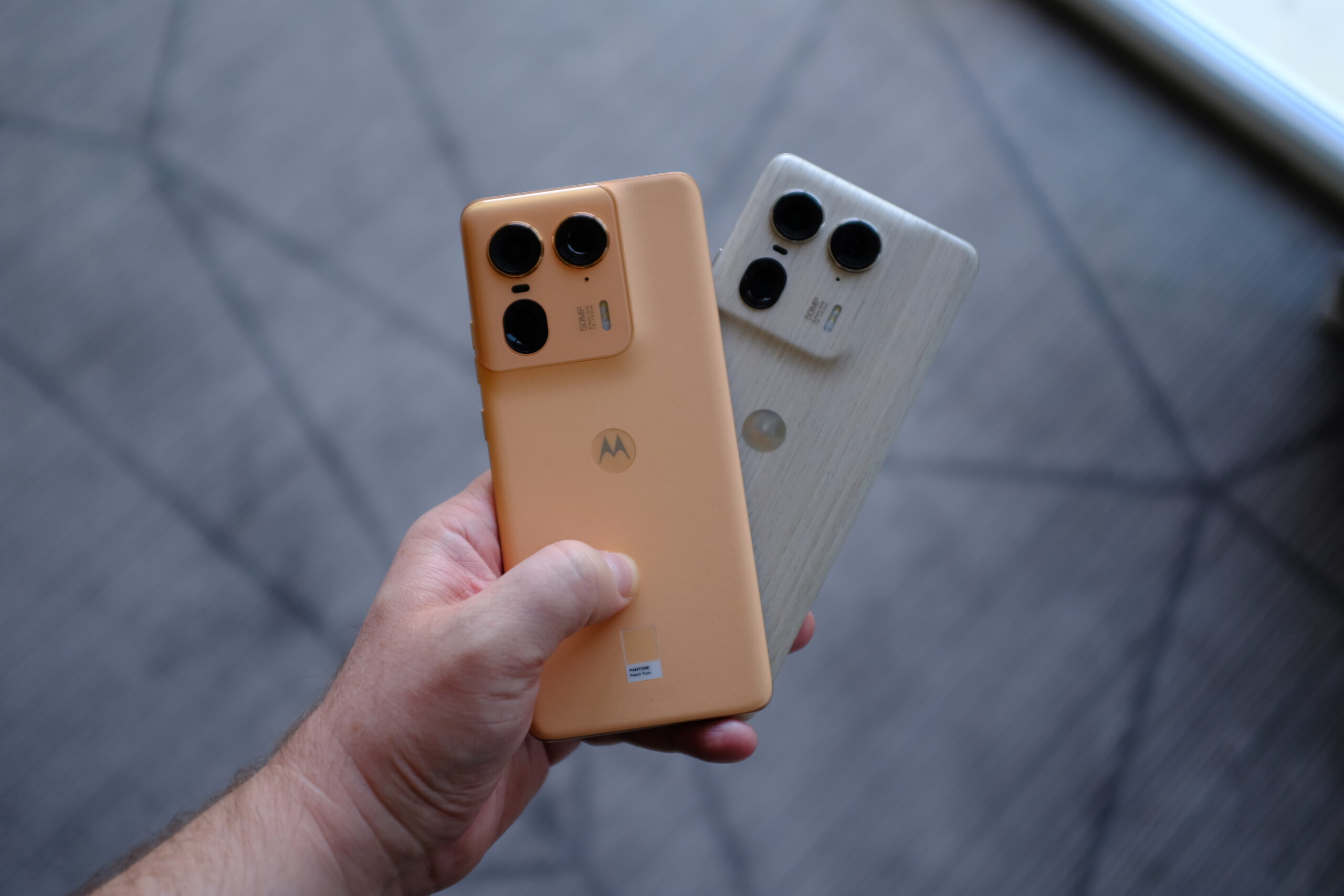
The leaks, primarily originating from reputable tech sources, paint a picture of a device packed with cutting-edge technology and innovative features. From a revolutionary camera system to a blazing-fast processor and a stunning display, the Edge 70 Ultra appears to be designed to impress. The key question is whether these features translate into a real-world user experience that can rival the likes of Samsung, Apple, and Google. Let’s examine the leaked specifications and analyze Motorola’s potential strategy.
Unveiling the Leaked Specifications of the Edge 70 Ultra
While official details remain scarce, the leaks provide a tantalizing glimpse into what the Motorola Edge 70 Ultra might offer. Here’s a breakdown of the key specifications that have been circulating:
- Display: Rumors suggest a vibrant and smooth AMOLED display with a high refresh rate (possibly 144Hz or even higher) for an incredibly fluid visual experience. The resolution is expected to be at least QHD+, ensuring sharp and detailed images and videos.
- Processor: Performance is paramount, and the Edge 70 Ultra is tipped to feature a top-of-the-line Snapdragon processor, likely the latest generation. This would provide ample power for demanding tasks such as gaming, video editing, and multitasking.
- Camera: The camera system is perhaps the most exciting aspect of the leaks. Reports indicate a multi-lens setup with a primary sensor boasting an exceptionally high resolution – possibly exceeding 200MP. This, coupled with advanced image processing algorithms, could result in stunning image quality, even in challenging lighting conditions.
- Battery and Charging: A large battery capacity is anticipated, along with incredibly fast charging capabilities. Some leaks even suggest support for wireless charging, a feature increasingly expected in flagship devices.
- Design: While details are limited, the Edge 70 Ultra is expected to sport a premium design with a sleek and modern aesthetic. High-quality materials such as glass and metal are likely to be used, contributing to a luxurious feel.
These specifications, if accurate, position the Edge 70 Ultra as a true flagship device, capable of competing with the best in the market. However, specifications alone don’t guarantee success. The overall user experience, software optimization, and pricing strategy will play crucial roles in determining its fate.
The Camera System: A Potential Game-Changer for Motorola
The rumored 200MP+ camera sensor is arguably the most intriguing aspect of the Motorola Edge 70 Ultra leaks. Such a high-resolution sensor, if implemented effectively, could offer several advantages:
- Exceptional Detail: High-resolution sensors capture significantly more detail than lower-resolution counterparts, resulting in sharper and more detailed images, especially when zoomed in.
- Improved Low-Light Performance: Through pixel binning technology, the sensor can combine multiple pixels into one larger pixel, effectively increasing light sensitivity and improving image quality in low-light conditions.
- Greater Cropping Flexibility: The abundance of detail allows for significant cropping without sacrificing image quality, providing greater flexibility in post-processing.
- Enhanced Digital Zoom: The high resolution enables a more effective digital zoom, allowing users to capture distant subjects with greater clarity.
However, simply having a high-resolution sensor is not enough. Motorola needs to optimize its image processing algorithms to fully leverage the sensor’s capabilities. This includes:
- Noise Reduction: Minimizing noise in low-light images is crucial for maintaining image quality.
- Dynamic Range Optimization: Ensuring that both bright and dark areas of the image are properly exposed.
- Color Accuracy: Rendering colors accurately and realistically.
- Computational Photography: Utilizing AI and software algorithms to enhance image quality and add features such as portrait mode and night mode.
If Motorola can successfully combine a high-resolution sensor with effective image processing, the Edge 70 Ultra could potentially set a new standard for smartphone photography. This could be a major differentiator for the device and a key selling point for consumers.
Performance and Software: The Key to a Smooth User Experience
A powerful processor is essential for a flagship smartphone, and the rumored Snapdragon chipset in the Edge 70 Ultra should provide ample performance for even the most demanding tasks. However, raw power is only part of the equation. Software optimization plays a crucial role in ensuring a smooth and responsive user experience.
Motorola has traditionally offered a near-stock Android experience, which is appreciated by many users for its simplicity and lack of bloatware. However, to truly compete with the best, Motorola needs to further refine its software and optimize it for the specific hardware of the Edge 70 Ultra. This includes:
- Optimized Animations: Ensuring that animations are smooth and fluid, contributing to a more responsive feel.
- Efficient Resource Management: Optimizing memory and battery usage to maximize performance and battery life.
- Fast App Launch Times: Minimizing the time it takes to launch apps.
- Regular Software Updates: Providing timely software updates with bug fixes and new features.
Furthermore, Motorola could consider adding exclusive software features that take advantage of the Edge 70 Ultra’s unique hardware capabilities. For example, they could develop specialized camera modes that leverage the high-resolution sensor or optimize the software for gaming to take advantage of the powerful processor and high refresh rate display. The availability of essential apps worth paying for monthly can also significantly enhance the user experience and provide added value.
Design and Build Quality: A Premium Aesthetic
In the flagship smartphone market, design and build quality are paramount. Consumers expect a premium device to look and feel luxurious. While details about the Edge 70 Ultra’s design are limited, it is expected to feature a sleek and modern aesthetic with high-quality materials such as glass and metal.
Motorola needs to pay close attention to the details, ensuring that the device is comfortable to hold, visually appealing, and durable enough to withstand everyday use. This includes:
- Ergonomics: Designing the device to fit comfortably in the hand and be easy to use.
- Material Selection: Choosing high-quality materials that are both aesthetically pleasing and durable.
- Finish: Applying a premium finish that is resistant to scratches and fingerprints.
- Water and Dust Resistance: Providing a high level of water and dust resistance to protect the device from the elements.
A well-designed and well-built device can significantly enhance the overall user experience and contribute to a perception of quality and value.
Pricing and Availability: A Crucial Factor for Success
Even with impressive specifications, a smooth user experience, and a premium design, the Motorola Edge 70 Ultra’s success will ultimately depend on its pricing and availability. In order to compete effectively with the established players, Motorola needs to strike a balance between offering a competitive price and maintaining profitability.
If the Edge 70 Ultra is priced too high, it may struggle to attract consumers who are already loyal to brands like Samsung and Apple. On the other hand, if it is priced too low, it may be perceived as a less premium device. Motorola needs to carefully consider its target market and price the device accordingly. Motorola could learn from the Sino-American success story of the 2025 Lincoln Nautilus, which demonstrates effective market positioning and pricing strategies.
Furthermore, availability is crucial. Motorola needs to ensure that the Edge 70 Ultra is available in key markets around the world. This includes partnering with major carriers and retailers to make the device easily accessible to consumers. If the device is difficult to find or purchase, it will be at a significant disadvantage.
Motorola’s Strategy: A Bold Move or a Risky Gamble?
The Motorola Edge 70 Ultra represents a bold move by Motorola to re-establish itself as a major player in the smartphone market. By packing the device with cutting-edge technology and innovative features, Motorola is signaling its intention to compete with the best. However, this strategy also carries risks. The smartphone market is highly competitive, and consumers have high expectations. Motorola needs to execute flawlessly in order to succeed.
The company’s current strategy could be seen as a risky gamble, because they are going up against companies like Apple, which is urging users to upgrade to iOS 26 for the latest features and security enhancements. If Motorola can deliver on its promises, the Edge 70 Ultra could be a game-changer. But if it falls short, it could be a costly mistake. Motorola must consider the long-term implications of its strategy and be prepared to adapt to the ever-changing dynamics of the smartphone market.
The Competition: Facing the Smartphone Giants
Motorola’s challenge is significant, considering the dominance of brands like Samsung, Apple, and Google in the high-end smartphone sector. These companies have established ecosystems, strong brand loyalty, and vast marketing resources. To compete effectively, Motorola needs to offer something truly unique and compelling.
Samsung, for example, consistently delivers top-tier performance and innovative features in its Galaxy S series. Apple’s iPhones are renowned for their seamless user experience and strong ecosystem integration. Google’s Pixel phones excel in computational photography and offer a clean Android experience with timely updates. Motorola needs to find a way to differentiate itself from these established players. Analyzing the features and design of the 2026 Jeep Recon interior can provide insights into how to create a rugged yet technologically advanced product that stands out.
One potential strategy is to focus on specific niche markets. For example, Motorola could target users who prioritize battery life, ruggedness, or affordability. By catering to specific needs and preferences, Motorola can carve out a niche for itself in the crowded smartphone market. Alternatively, they could focus on providing exceptional value for money, offering a similar level of performance and features as the competition but at a lower price point. For users looking for affordable options in other areas, a cheap Dyson alert might be appealing, demonstrating the value of finding quality products at competitive prices.
Future Prospects: Can Motorola Reclaim its Former Glory?
The Motorola Edge 70 Ultra represents a significant step in Motorola’s efforts to reclaim its former glory in the smartphone market. Once a dominant force in the mobile phone industry, Motorola has struggled in recent years to compete with the likes of Samsung, Apple, and Google. However, the Edge 70 Ultra offers a glimmer of hope for a brighter future.
If Motorola can successfully execute its strategy, the Edge 70 Ultra could be a turning point for the company. It could help to re-establish Motorola as a serious contender in the smartphone market and attract new customers. However, the road ahead will not be easy. Motorola needs to continue to innovate, adapt to changing market conditions, and listen to its customers.
The success of the Edge 70 Ultra will depend on several factors, including its specifications, user experience, design, pricing, and availability. But perhaps the most important factor is Motorola’s ability to build a strong brand and connect with consumers on an emotional level. If Motorola can do that, it has a chance to reclaim its former glory and become a major player in the smartphone market once again. Keeping an eye on trends, such as the unveiling of your 2025 YouTube recap, can help Motorola understand consumer behavior and preferences, guiding their marketing and product development strategies.
Conclusion: The Edge 70 Ultra’s Potential Impact
The Motorola Edge 70 Ultra has the potential to significantly impact the smartphone market. If the leaks are accurate, and Motorola can deliver on its promises, the device could be a serious contender against the best smartphones on the market. However, success is not guaranteed. Motorola faces significant challenges, including intense competition, high consumer expectations, and the need to execute flawlessly.
Ultimately, the Edge 70 Ultra’s fate will depend on Motorola’s ability to combine cutting-edge technology with a smooth user experience, a premium design, and a competitive price. If Motorola can achieve this, it has a chance to reclaim its former glory and become a major player in the smartphone market once again. The 2026 GMC Terrain AT4 demonstrates how rugged style and refined ride can attract a specific market segment, a strategy Motorola could consider.
The Edge 70 Ultra leak shows how Motorola could compete with the best phones. As we eagerly await the official unveiling of the Motorola Edge 70 Ultra, the leaked information provides a compelling glimpse into Motorola’s ambition and potential. The device appears to be packed with cutting-edge technology and innovative features, positioning it as a serious contender in the competitive smartphone market. The coming months will reveal whether Motorola can successfully translate this potential into a real-world user experience that rivals the industry’s best.