Unveiling the HTC Desire 10 Lifestyle: Features Explored
The HTC Desire 10 Lifestyle, released in 2016, aimed to deliver a premium experience in a mid-range package. While it may be considered an older model by today’s standards, understanding its HTC Desire 10 Lifestyle features provides valuable insight into the evolution of smartphone technology and the design philosophies of HTC. This article will delve into the key specifications, design elements, performance aspects, and overall user experience of the HTC Desire 10 Lifestyle.
Design and Display
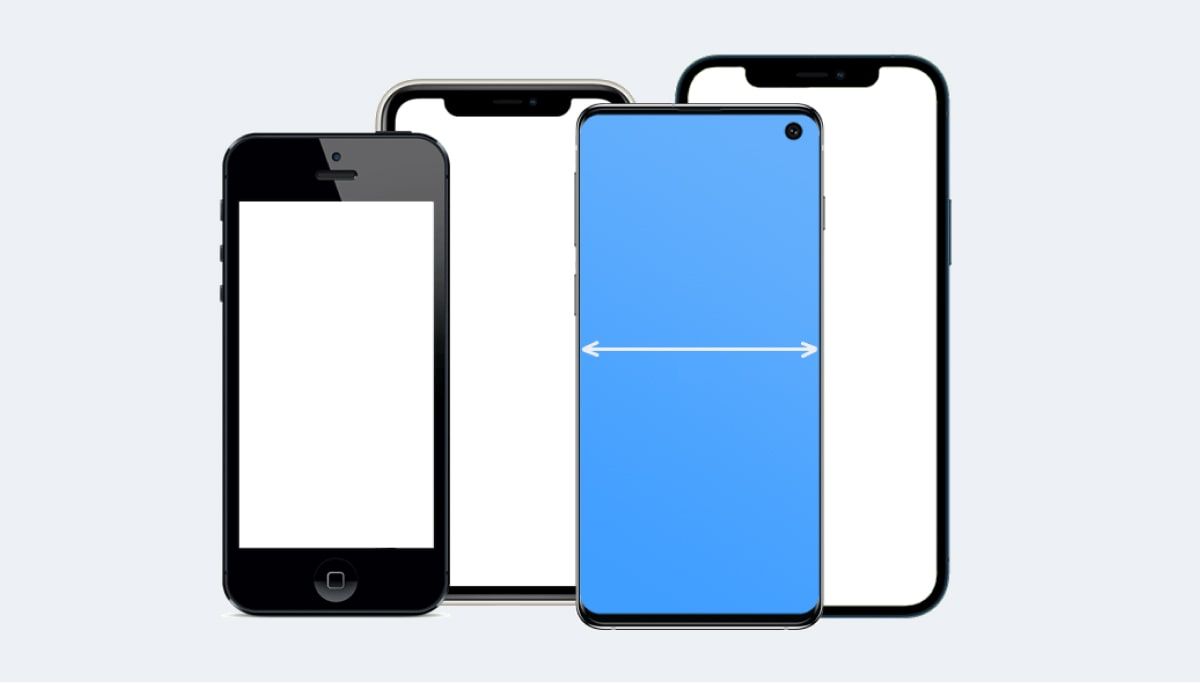
The HTC Desire 10 Lifestyle featured a distinctive design that set it apart from its competitors. Its polycarbonate body was accented with gold trim around the edges and camera lens, giving it a touch of elegance. The phone felt relatively lightweight and comfortable to hold. The device measures 156.9 x 76.9 x 7.7 mm and weighs approximately 155 grams.
The display was a 5.5-inch Super LCD screen with a resolution of 720 x 1280 pixels (HD). While not as sharp as higher-resolution displays, it offered decent color reproduction and viewing angles. The pixel density was approximately 267 ppi. The screen was protected by Corning Gorilla Glass, providing some resistance against scratches and minor impacts.
Performance and Hardware
Under the hood, the HTC Desire 10 Lifestyle was powered by a Qualcomm Snapdragon 400 or 410 processor (depending on the region). This was a quad-core processor clocked at 1.6 GHz, coupled with either 2GB or 3GB of RAM. While not a powerhouse, it was sufficient for handling everyday tasks such as browsing the web, checking email, and using social media apps. Gaming performance was limited to less demanding titles.
The phone came with either 16GB or 32GB of internal storage, expandable via a microSD card slot. This allowed users to store more photos, videos, and other files. Connectivity options included Wi-Fi 802.11 b/g/n, Bluetooth 4.1, GPS, and a microUSB port. It also featured a 3.5mm headphone jack, which was a welcome addition for audiophiles.
The HTC Desire 10 Lifestyle, while not a flagship device, provided a reasonable level of performance for its time. Understanding the specifications can help users appreciate the advancements in mobile technology since its release. For those interested in exploring cutting-edge technology, one might consider looking at the innovative features of the Vivo X300, a compact flagship that redefines mobile excellence.
Camera Capabilities
The HTC Desire 10 Lifestyle sported a 13-megapixel rear camera with an f/2.2 aperture and a single LED flash. It was capable of capturing decent photos in good lighting conditions, but image quality suffered in low light. Features included autofocus, face detection, and HDR mode. Video recording was limited to 1080p at 30fps.
The front-facing camera was a 5-megapixel shooter with an f/2.8 aperture. It offered acceptable selfie quality for social media sharing. The front camera also supported 1080p video recording.
While the camera system on the HTC Desire 10 Lifestyle was not groundbreaking, it was adequate for casual photography. Modern smartphones, such as the Apple iPhone 13 Pro Max, offer significantly improved camera capabilities, including advanced features like optical image stabilization and multiple lenses.
Audio Experience
One of the standout HTC Desire 10 Lifestyle features was its audio performance. It was equipped with HTC’s BoomSound Hi-Fi Edition speakers, which delivered loud and clear sound. The speakers were located on the front of the device, providing a more immersive listening experience compared to phones with rear-facing speakers. The device supported 24-bit high-resolution audio playback.
The HTC Desire 10 Lifestyle was a good choice for users who prioritized audio quality. For those seeking a similar focus on audio, exploring options like a free Plex alternative client for streaming might also be appealing, especially if they enjoy high-fidelity music.
Software and User Interface
The HTC Desire 10 Lifestyle launched with Android 6.0 Marshmallow, overlaid with HTC’s Sense UI. Sense UI offered a clean and intuitive user experience, with features such as BlinkFeed (a customizable news aggregator) and HTC Themes (allowing users to personalize the look and feel of their phone). HTC’s software enhancements aimed to improve usability and provide a more tailored experience.
However, the software experience on the HTC Desire 10 Lifestyle was not without its drawbacks. The phone received limited software updates, meaning it missed out on newer versions of Android and the latest security patches. This could be a concern for users who value software stability and security.
Battery Life
The HTC Desire 10 Lifestyle was powered by a 2700mAh battery. Battery life was generally considered to be average, lasting a full day with moderate use. However, heavy users might need to recharge their phone before the end of the day. The phone did not support fast charging, so it took a few hours to fully charge the battery.
Battery life is a crucial factor for many smartphone users. While the HTC Desire 10 Lifestyle’s battery performance was adequate, modern devices often offer significantly longer battery life and faster charging capabilities. Consider exploring alternatives like the Samsung Galaxy Note8, which provides a balance of features and battery efficiency.
Key Specifications Summary
Here’s a summary of the key specifications of the HTC Desire 10 Lifestyle:
The HTC Desire 10 Lifestyle in Today’s Market
In today’s competitive smartphone market, the HTC Desire 10 Lifestyle would be considered an entry-level device. Modern smartphones offer significantly improved performance, camera capabilities, display quality, and battery life. However, the Desire 10 Lifestyle still holds a certain appeal for users who appreciate its unique design and BoomSound speakers.
While the HTC Desire 10 Lifestyle is an older model, understanding its HTC Desire 10 Lifestyle features provides a historical perspective on smartphone technology. It showcases the innovations and design choices that were prevalent at the time. Moreover, exploring the features of older devices can highlight how far the mobile industry has progressed.
Alternatives to Consider
If you’re looking for a modern smartphone with similar features to the HTC Desire 10 Lifestyle, but with updated specifications, there are several alternatives to consider. Here are a few options:
- Motorola Moto G series: The Moto G series offers a balance of affordability and performance, with decent cameras, battery life, and software experience.
- Samsung Galaxy A series: The Galaxy A series provides a range of options, from entry-level to mid-range, with features such as AMOLED displays, improved cameras, and longer battery life.
- Xiaomi Redmi series: The Redmi series is known for its value-for-money offerings, with competitive specifications and aggressive pricing.
These alternatives offer improved performance, camera capabilities, and software support compared to the HTC Desire 10 Lifestyle. Users should carefully consider their needs and budget when choosing a smartphone.
Conclusion: A Look Back at the HTC Desire 10 Lifestyle
The HTC Desire 10 Lifestyle was a mid-range smartphone that aimed to deliver a premium experience. While it may not compete with modern devices in terms of performance and features, it offered a unique design, decent audio quality, and a user-friendly software experience. Understanding the HTC Desire 10 Lifestyle features provides valuable insights into the evolution of smartphone technology. It serves as a reminder of the progress that has been made in the mobile industry and the innovations that have shaped the devices we use today.
Ultimately, the HTC Desire 10 Lifestyle was a solid mid-range option for its time. While it may not be the best choice for users seeking the latest and greatest technology, it remains a piece of smartphone history.