Top Smart New Cars Under $40K: Your 2025 Buying Guide
Bob Hernandez | Dec 30, 2025
In the evolving landscape of automotive consumerism, finding true value without compromising on quality, features, or reliability is more crucial than ever. As we step into 2025, the market is brimming with options, but discerning buyers are increasingly looking for smart new cars under $40K that offer long-term benefits beyond just the initial purchase price. This guide is crafted to illuminate the path for those seeking intelligent investments in the automotive world, focusing on vehicles that deliver exceptional value, advanced technology, and dependable performance within a sensible budget.
The notion of “smart money” in car buying isn’t just about finding the cheapest option; it’s about identifying vehicles that promise a balanced blend of efficiency, safety, modern amenities, and a strong resale value. It’s about making a decision that feels right not only today but also years down the road. With inflation and economic uncertainties, maximizing every dollar spent on a significant purchase like a new car has become paramount. Our aim is to cut through the noise and present a curated list of vehicles that truly stand out in the under-$40,000 category, ensuring you make a choice you won’t regret.
Why the $40,000 Threshold Matters for Smart Buyers
The $40,000 price point serves as a critical benchmark in the automotive market. It represents a sweet spot where buyers can access a wide array of well-equipped vehicles without venturing into the premium or luxury segments that often come with inflated costs and potentially higher depreciation rates. This segment is where manufacturers fiercely compete, leading to innovation, feature-rich offerings, and robust reliability standards that directly benefit the consumer.
Historically, crossing the $40K mark often meant entering a realm of diminishing returns for the average buyer. While more expensive cars certainly offer enhanced luxury or performance, the incremental value often doesn’t justify the significant price jump for those prioritizing practicality and long-term financial prudence. For those looking to make a financially sound decision, focusing on smart new cars under $40K means avoiding the steep initial depreciation common with higher-end vehicles, while still enjoying modern conveniences and safety features.
Balancing Features and Affordability
Within this price range, you’ll discover vehicles that don’t skimp on essentials. Modern safety suites, advanced infotainment systems, and fuel-efficient powertrains are increasingly standard. Buyers can expect features like adaptive cruise control, lane-keeping assist, touchscreen displays with smartphone integration, and comfortable interiors without stretching their budgets. This balance is key to a “smart” purchase – getting what you need and want without overpaying for features you might rarely use or that contribute little to the overall driving experience.
Furthermore, many vehicles in this category offer excellent warranty coverage and lower insurance premiums compared to their more expensive counterparts, further cementing their status as financially intelligent choices. The focus remains on providing reliable transportation that is enjoyable to drive and inexpensive to maintain, making the $40,000 ceiling a strategic limit for the savvy shopper.
Key Factors for Identifying Smart New Cars Under $40K
When evaluating potential purchases, several critical factors should guide your decision-making process. These elements collectively determine a vehicle’s true value and its suitability as a “smart money” investment.
Reliability and Durability
A car’s reliability is paramount. A vehicle that frequently requires repairs, even minor ones, quickly negates any initial savings. Researching long-term reliability ratings from reputable sources like Consumer Reports or J.D. Power is essential. Look for brands and models known for their robust engineering and quality control. A durable vehicle not only saves you money on maintenance but also offers peace of mind.
Fuel Efficiency
With fluctuating fuel prices, a car’s MPG (miles per gallon) rating significantly impacts its total cost of ownership. Opting for a fuel-efficient model, whether gasoline, hybrid, or even an entry-level EV, can lead to substantial savings over the vehicle’s lifespan. Consider your typical driving habits – city versus highway – and choose a powertrain that aligns with your needs for optimal efficiency.
Safety Features and Ratings
Safety should never be compromised. Most modern vehicles come equipped with a suite of active and passive safety features. Look for models that have earned high ratings from organizations like the IIHS (Insurance Institute for Highway Safety) and NHTSA (National Highway Traffic Safety Administration). Advanced Driver-Assistance Systems (ADAS) such as automatic emergency braking, blind-spot monitoring, and rear cross-traffic alert are becoming standard and contribute significantly to overall safety.
Technology and Infotainment
While not a primary driver of “smart money,” modern technology enhances the driving experience and can contribute to resale value. Infotainment systems with intuitive interfaces, seamless smartphone integration (Apple CarPlay and Android Auto), and voice commands are highly desirable. Some vehicles even incorporate advanced AI features for navigation and driver assistance, demonstrating how quickly automotive technology is evolving, much like the broader tech landscape where discussions about the ongoing battle between Android and iOS extend beyond phones to in-car systems. Similarly, understanding the landscape of different tech manufacturers, such as exploring a ranking of Android OEMs from worst to best in 2025, can provide insights into the quality and innovation you might expect in your vehicle’s integrated technology.
Resale Value
A strong resale value is a hallmark of a smart purchase. Vehicles that retain a high percentage of their original value over time are more cost-effective in the long run, especially if you plan to trade in or sell your car after a few years. Brands known for their durability and popularity often fare better in the used car market.
Top Picks: Smart New Cars Under $40K for 2025
Based on the criteria above, here are some of the standout smart new cars under $40K that offer exceptional value in 2025. This list encompasses various segments to cater to different needs and preferences, from practical sedans to versatile SUVs and even entry-level electric options.
1. Compact Sedans: The Unsung Heroes of Value
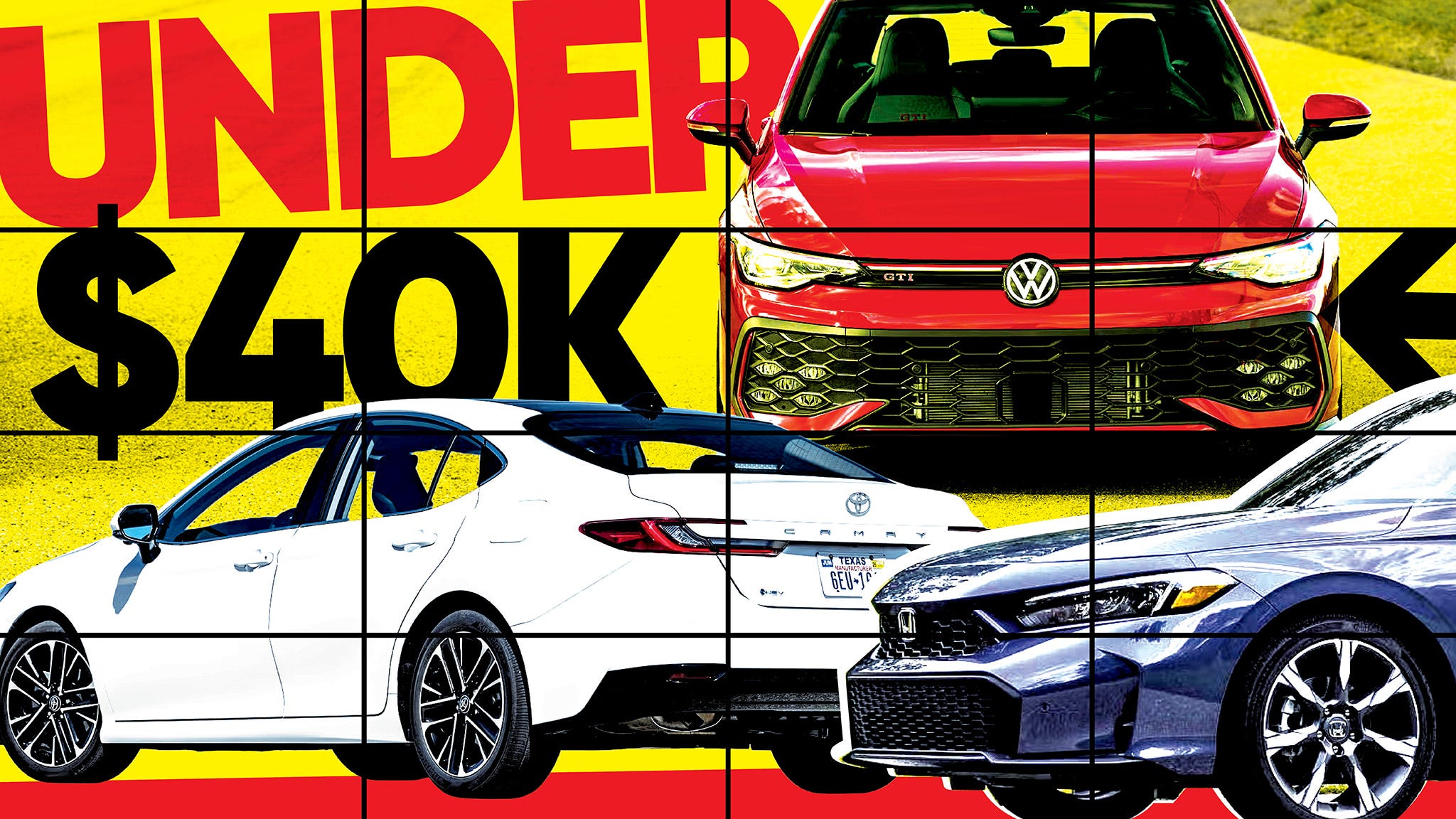
Compact sedans continue to be a cornerstone for value-conscious buyers. They offer excellent fuel economy, nimble handling, and often surprising interior space. Brands like Honda and Toyota consistently deliver reliable and feature-packed options.
- Honda Civic: Consistently praised for its engaging driving dynamics, spacious interior, and impressive fuel efficiency. The Civic offers a refined ride and a comprehensive suite of safety features, making it a perennial smart choice. Its various trims easily fit within the $40K budget, even with desirable upgrades.
- Toyota Corolla: Renowned for its bulletproof reliability and strong resale value, the Corolla is a sensible choice for those prioritizing peace of mind. Available in both gasoline and hybrid variants, it provides excellent fuel economy and a comfortable, if not overly exciting, driving experience.
2. Compact SUVs: Versatility Meets Affordability
Compact SUVs have surged in popularity due to their blend of practicality, elevated driving position, and available all-wheel drive. They’re perfect for small families or individuals needing extra cargo space.
- Hyundai Kona: A stylish and feature-rich compact SUV that often punches above its weight. The Kona offers a choice of potent engines, a user-friendly infotainment system, and a competitive warranty. Its compact size makes it ideal for urban environments while still offering SUV versatility.
- Mazda CX-30: For those who appreciate a more premium feel and engaging driving experience, the CX-30 delivers. It boasts a sophisticated interior, refined handling, and a powerful optional turbo engine, all while staying comfortably within the $40K limit for most trims. Mazda’s commitment to quality materials and driver engagement makes it a compelling option among smart new cars under $40K.
- Subaru Crosstrek: A go-to for adventure seekers, the Crosstrek offers standard all-wheel drive and impressive ground clearance. Its rugged capability, combined with Subaru’s reputation for safety and reliability, makes it a practical and desirable choice for a wide range of buyers.
3. Mid-Size Sedans: Comfort and Space on a Budget
While SUVs dominate, mid-size sedans still offer unparalleled comfort for daily commutes and road trips, often with better fuel economy than similarly priced SUVs.
- Kia K5: With its striking design, comfortable interior, and impressive array of standard features, the K5 offers a compelling package. It provides a smooth ride, responsive handling, and multiple powertrain options, proving that style and substance can coexist under $40,000.
- Nissan Altima: The Altima stands out with its standard all-wheel-drive availability (a rarity in this segment) and comfortable “Zero Gravity” seats. It offers a smooth, quiet ride and decent fuel economy, making it a strong contender for those seeking a practical and comfortable daily driver.
4. Entry-Level EVs: The Future of Smart Driving
The electric vehicle market is rapidly expanding, and several compelling options are now available under $40,000, offering significant savings on fuel and maintenance, along with environmental benefits.
- Chevrolet Bolt EV/EUV: These electric vehicles offer impressive range for their price point, lively acceleration, and surprisingly spacious interiors. They represent a smart entry into the EV world, especially with potential federal tax credits further reducing the effective cost. The Bolt models are excellent examples of smart new cars under $40K embracing sustainable technology.
- Hyundai Ioniq 5 (Base Model): While higher trims exceed $40K, the base model Ioniq 5, when available, can sneak just under the wire, especially with incentives. It offers groundbreaking design, ultra-fast charging capabilities, and a roomy, futuristic cabin, setting a high bar for affordable EVs.
Here’s a quick comparison of some top contenders:
Beyond the Sticker Price: Long-Term Value of Smart New Cars Under $40K
A truly smart purchase extends far beyond the initial transaction. When considering smart new cars under $40K, it’s vital to think about the total cost of ownership (TCO). This encompasses not only the purchase price but also factors like insurance, maintenance, fuel, and depreciation over several years. Vehicles that excel in these areas often prove to be more economical and satisfying investments in the long run.
Maintenance and Repair Costs
Some brands are notoriously expensive to maintain, even for routine services. Parts availability and labor rates can vary significantly. Japanese and Korean manufacturers often lead the pack in affordable maintenance. Choosing a vehicle with a solid reputation for reliability means fewer unexpected repairs, translating to lower overall ownership costs. Additionally, many new cars come with complimentary scheduled maintenance for a certain period, which can add to the initial value proposition.
Insurance Premiums
The cost of insuring a vehicle is another critical, often overlooked, aspect of TCO. Factors influencing premiums include the car’s safety ratings, its repair costs, theft rates, and even its engine size. Generally, vehicles in the under-$40K segment tend to have lower insurance premiums compared to their luxury or high-performance counterparts, making them more attractive for budget-conscious buyers. Always get an insurance quote before finalizing a purchase to avoid surprises.
Depreciation: The Silent Cost
Depreciation is arguably the largest “hidden” cost of car ownership. It’s the difference between what you pay for a car and what it’s worth when you sell or trade it in. Some cars hold their value better than others. Brands like Toyota, Honda, and Subaru are well-known for their strong resale values, meaning you’ll lose less money to depreciation over time. While the allure of a “dream car” might be strong, it’s worth remembering that some of the best dream cars can be the ones you’ll regret owning due to their rapid depreciation or prohibitive running costs. Focusing on smart new cars under $40K often means choosing models with a proven track record of retaining value.
Warranty Coverage
A robust warranty provides excellent protection against unexpected repairs. Many manufacturers offer comprehensive warranties that cover major components for several years or tens of thousands of miles. Hyundai and Kia, for example, are known for their industry-leading 10-year/100,000-mile powertrain warranties, significantly enhancing the long-term value and peace of mind for buyers in this segment. This extended coverage can effectively reduce your TCO by shielding you from costly out-of-pocket expenses.
Emerging Trends and Future Outlook for Affordable Vehicles
The automotive industry is in a constant state of flux, driven by technological advancements, shifting consumer preferences, and environmental regulations. Understanding these emerging trends can help buyers make even smarter decisions when looking for smart new cars under $40K for the coming years.
Electrification on the Rise
Electric vehicles (EVs) are no longer a niche market. The push for electrification is accelerating, with more affordable EV options entering the market. While a fully loaded, long-range EV might still exceed the $40K budget, entry-level models and plug-in hybrids are becoming increasingly accessible. The benefits include lower running costs (electricity is generally cheaper than gasoline), reduced maintenance, and environmental advantages. As battery technology improves and charging infrastructure expands, EVs will become an even more compelling smart money choice.
Advanced Driver-Assistance Systems (ADAS)
What were once luxury features are rapidly becoming standard across all vehicle segments. ADAS technologies like adaptive cruise control, lane-keeping assist, automatic emergency braking, and pedestrian detection are enhancing safety and reducing driver fatigue. These systems are becoming more sophisticated, leveraging AI and sensor technology to provide a safer and more comfortable driving experience. The integration of such advanced systems is a clear indicator of a vehicle’s forward-thinking design and value.
Connectivity and Infotainment Evolution
Modern vehicles are essentially computers on wheels. Infotainment systems are becoming more integrated, offering seamless smartphone connectivity, over-the-air updates, and even in-car Wi-Fi. The quality of displays is also evolving rapidly; while 8K might be considered done and dusted in some consumer electronics sectors, as discussed in this guide on the future of 8K technology, automotive screens are continuously improving in resolution, responsiveness, and customization. This trend means that even budget-friendly cars will offer a premium digital experience, making the daily commute more enjoyable and productive.
Subscription Services and Customization
The future of automotive ownership might include more subscription-based features, from heated seats to advanced navigation. While this is still a contentious topic among consumers, it represents a potential shift in how features are accessed and priced. On the other hand, customization options are becoming more diverse, allowing buyers to personalize their vehicles even at lower price points. This trend, much like the broader impact of AI on various industries, including niche markets like AI-powered skincare, indicates a future where technology tailors experiences to individual needs, whether