Hemi vs Hurricane Ram 1500: Power, Efficiency, and Your Best Choice
Scott Evans | Dec 18, 2025
For truck enthusiasts, few decisions are as pivotal as the choice of engine, especially when it comes to the iconic Ram 1500. The debate has intensified with the reintroduction of the venerable Hemi V8 and the continued prominence of the modern Hurricane twin-turbo inline-six. This comprehensive guide aims to dissect the core attributes of both the Hemi vs Hurricane Ram 1500 engines, offering a detailed comparison to help you determine which powertrain best suits your needs, whether you’re tackling demanding work or simply enjoying the open road. The question isn’t just about horsepower; it’s about the character, capability, and long-term value each engine brings to your Ram 1500 experience.
The Resurgence of the Hemi V8: A Tale of Tradition and Policy
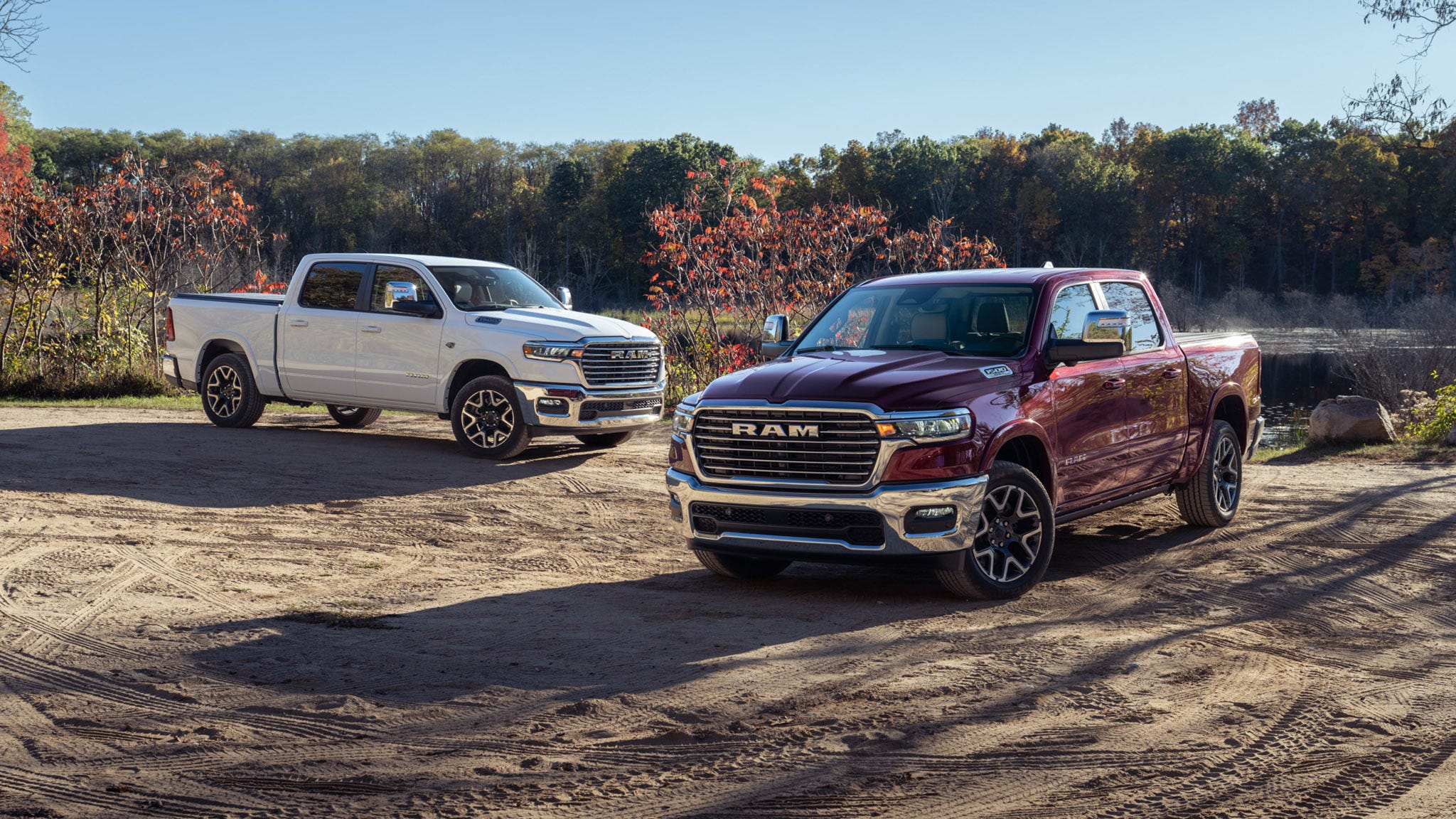
The Hemi V8 has long been synonymous with Ram trucks, embodying a legacy of robust power and an unmistakable exhaust note. Its brief hiatus from the Ram 1500 lineup last year sent ripples through the truck community, prompting a strong outcry from loyalists. This decision was rooted in Stellantis’s decade-long product planning, driven primarily by stringent Corporate Average Fuel Economy (CAFE) standards. For years, Ram and Dodge had opted to pay government fines or purchase credits from rival automakers rather than heavily invest in more fuel-efficient V8 alternatives. However, former CEO Carlos Tavares deemed this approach financially unsustainable, leading to the Hemi’s temporary removal.
The plot thickened with a change in leadership. New CEO Antonio Filosa, sensing the profound emotional connection and market demand for the Hemi, reversed course. His decision was fortuitously timed with a shift in the regulatory landscape; the second Trump administration, coming into power earlier this year, significantly reduced or eliminated those very CAFE fines. This confluence of leadership change and policy alteration paved the way for the Hemi’s triumphant return to the 2026 Ram 1500, much to the delight of its dedicated fan base. This move highlights not only the engine’s enduring appeal but also the complex interplay between consumer sentiment, corporate strategy, and government regulations in the automotive industry.
Introducing the Hurricane I6: The Modern Challenger
While the Hemi was absent, the Ram 1500 was far from lacking power. Its replacement, the all-new 3.0-liter twin-turbo Hurricane inline-six engine, stepped into the spotlight, quickly proving its mettle. Turbocharged six-cylinder engines are not a novel concept in the truck segment; Ford has successfully offered its EcoBoost V6 engines for over 15 years, demonstrating the viability and advantages of this powertrain type. The Hurricane, however, brought a fresh wave of Stellantis engineering to the table, designed from the ground up to deliver both impressive power and improved efficiency.
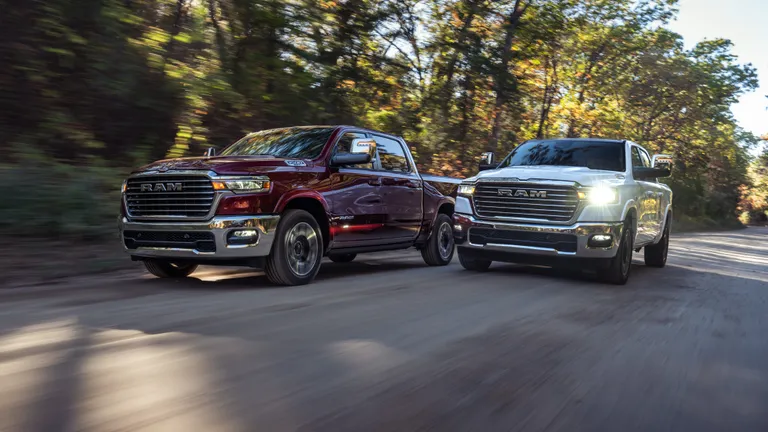
The Hurricane is available in two distinct configurations: a Standard Output (SO) version and a High Output (HO) version, each tailored to different performance expectations. The engine, paired with the Ram 1500, was so impressive that it earned the prestigious title of our 2025 Truck of the Year, a testament to its compelling blend of performance, refinement, and capability. This recognition underscored its readiness to carry the torch forward, even in the absence of the Hemi. Now, with both engines available, the crucial question for prospective buyers is which innovative powertrain provides the best fit for their specific driving and working demands, balancing the traditional appeal of the Hemi vs Hurricane Ram 1500’s modern efficiency.
Performance & Specifications: A Head-to-Head Hemi vs Hurricane Ram 1500 Comparison
To truly understand the differences between these two formidable engines, a direct comparison of their key specifications is essential. While the Hemi offers a classic V8 experience, the Hurricane presents a modern, turbocharged alternative. Let’s delve into the numbers that define the Hemi vs Hurricane Ram 1500 engines.
The Hemi V8 Deep Dive: Raw Power and Enduring Appeal
The 5.7-liter Hemi V8 delivers its 395 horsepower and 410 lb-ft of torque with a characteristic surge of naturally aspirated power. This engine is renowned for its immediate throttle response and a linear power band that feels incredibly robust, especially at lower RPMs. For many, the Hemi’s appeal extends beyond mere numbers; it’s about the visceral experience. The classic V8 rumble, a deep, resonant growl, is an integral part of the truck’s identity and a source of nostalgia for many drivers. Its proven track record of reliability and durability over decades of use makes it a trusted choice for those who prioritize established performance. While its fuel economy figures might not rival its turbocharged counterpart, the Hemi excels in providing ample low-end torque, making it a workhorse for traditional truck tasks. However, it represents an older generation of engine technology, which might influence decisions for buyers focused on cutting-edge innovations.
The Hurricane I6 Deep Dive: Modern Efficiency Meets High Output
The 3.0-liter Hurricane I6, with its twin-turbocharged design, represents a significant leap forward in engine technology for Ram. The Standard Output (SO) version produces a healthy 420 horsepower and 469 lb-ft of torque, already surpassing the Hemi in both metrics. The High Output (HO) variant takes this further, unleashing an impressive 540 horsepower and 521 lb-ft of torque, placing it firmly in performance truck territory. This engine’s strength lies in its ability to deliver a broad, flat torque curve, meaning peak torque is available across a wider RPM range. This translates to excellent responsiveness and sustained power delivery, particularly beneficial for highway passing and demanding acceleration. While some turbocharged engines can suffer from noticeable turbo lag, the Hurricane’s twin-turbo setup is engineered to minimize this, providing a nearly instantaneous power delivery that feels smooth and refined. The primary benefits include superior fuel efficiency compared to the Hemi, thanks to its smaller displacement and forced induction, alongside its higher power potential. However, as a newer engine, its long-term reliability and maintenance costs are still being established compared to the decades-proven Hemi. For those who appreciate the precision engineering found in performance vehicles like the 2025 guide Hemi vs. Hurricane: Which Ram 1500 Engine Is the Best Choice for You?Scott Evans | Dec 18 information overview tips tutorial