
Swiss Regulators Probe Apple’s iPhone NFC Access Policies
The tech giant Apple finds itself once again under the microscope of regulatory bodies, this time facing a significant inquiry from the Swiss Competition Commission (SCC). This latest investigation centers on Apple’s control over Near Field Communication (NFC) access on its ubiquitous iPhones, a move that could have far-reaching implications for mobile payment systems and broader digital competition within Switzerland. The SCC’s probe highlights a growing global concern regarding the market power of dominant tech platforms and their influence over essential technologies.
For years, Apple has maintained a tightly controlled ecosystem, particularly concerning hardware functionalities like the NFC chip. While the company has gradually opened up access to third-party developers in certain regions, the terms and conditions for utilizing this critical technology remain a point of contention. The Swiss investigation specifically aims to determine whether Apple’s current policies stifle fair competition, particularly for alternative mobile payment providers vying for a share of the contactless payment market on iOS devices.
Understanding the Core of the Apple iPhone NFC Access Probe in Switzerland
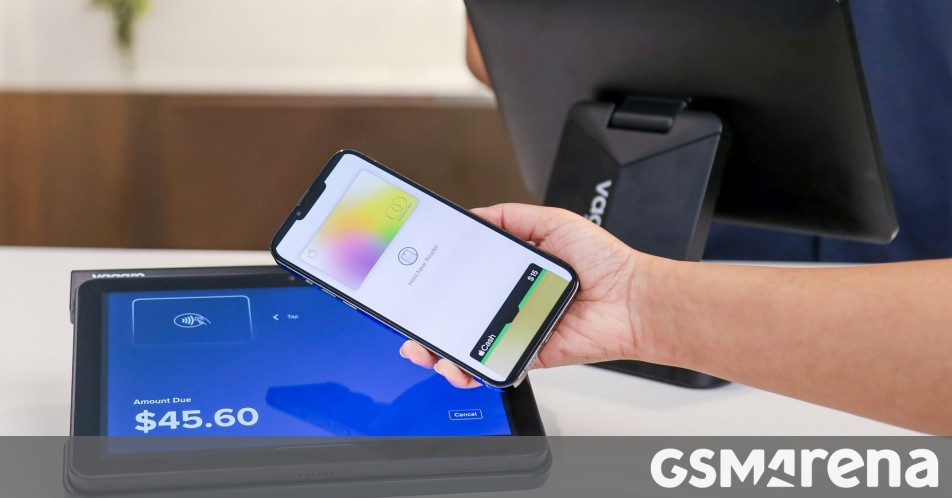
At the heart of the SCC’s preliminary investigation is the question of equitable access. NFC technology enables short-range wireless communication between devices, making it indispensable for contactless payments, digital wallet functionalities, and various other applications. On iPhones, Apple Pay has historically been the sole beneficiary of full NFC capabilities, creating a significant advantage for Apple’s own payment service. While Apple has begun to allow third-party access to the NFC chip, particularly after pressure from the European Union, the Swiss authorities are scrutinizing the specific commercial agreements and fees Apple demands for this access in their jurisdiction.
The SCC’s statement explicitly notes that Apple’s terms and conditions for granting NFC access to third parties in Switzerland “differ from those applicable in the European Economic Area (EEA).” This distinction is crucial, suggesting that even if Apple has made concessions elsewhere, its approach in Switzerland might still present unique competitive barriers. The commission is particularly interested in whether these terms prevent other mobile payment app providers from effectively competing with Apple Pay for contactless transactions on iOS devices within Swiss shops.
This situation mirrors broader antitrust concerns that have been raised globally, where regulators are increasingly challenging the gatekeeper role of major tech companies over critical smartphone functionalities. The outcome of this preliminary investigation could set a precedent for how tech ecosystems are regulated in smaller, yet economically significant, markets like Switzerland.
The Significance of NFC in the Digital Economy
NFC is more than just a convenience feature; it is a foundational technology for the modern digital economy, especially in the realm of payments. Its secure, instantaneous nature makes it ideal for transactions, public transport ticketing, access control, and even peer-to-peer data exchange. By controlling access to the iPhone’s NFC chip, Apple effectively controls a vital pathway for innovation and competition in these sectors. This control can dictate which services thrive and which struggle to gain traction on one of the world’s most popular smartphone platforms.
For consumers, restricted NFC access can limit choice and potentially lead to higher transaction fees or fewer innovative payment solutions. For developers, it can create an uneven playing field, forcing them to either integrate with Apple Pay on less favorable terms or abandon the iOS market altogether. The investigation into user experience on the latest iPhone compared to Android often highlights these ecosystem differences, where Apple’s tight control can be both a strength for security and a limitation for third-party functionality.
The SCC’s probe underscores the importance of ensuring that foundational technologies within dominant platforms are accessible on fair, reasonable, and non-discriminatory terms. This principle is vital for fostering a dynamic and competitive digital market where innovation is not stifled by incumbent advantages.
Regulatory Landscape: Swiss vs. European Approaches
While the European Commission has already taken steps to address Apple’s NFC policies, the Swiss investigation highlights that regional differences in regulatory frameworks and market conditions can lead to distinct outcomes. In the EEA, Apple has been compelled to open up its NFC chip for third-party payment providers, albeit under terms that are still being scrutinized. The fact that Swiss terms “differ” suggests a potential for even tighter restrictions or higher fees, warranting a separate examination.
The European Union’s Digital Markets Act (DMA), for instance, aims to curb the power of “gatekeeper” platforms by imposing strict rules on how they operate and interact with third-party services. Such legislation is designed to ensure interoperability and prevent self-preferencing. Switzerland, while not part of the EU, often aligns its competition laws with European standards. However, its independent regulatory body, the SCC, has the autonomy to conduct its own assessments based on Swiss market dynamics and legal precedents.
This parallel investigation demonstrates that regulators worldwide are becoming increasingly sophisticated in identifying and challenging anti-competitive practices within the tech sector. The global nature of tech companies means that a ruling in one jurisdiction can influence practices in others, even if the legal specifics vary.
Implications for Developers and Consumers
For third-party developers, the current restrictions on Apple iPhone NFC Access Probe in Switzerland mean navigating a complex and potentially costly landscape. Building mobile payment solutions that can effectively compete with Apple Pay requires seamless integration with the underlying hardware. If Apple’s terms make this integration prohibitively expensive or technically challenging, it creates a significant barrier to entry for smaller innovative companies. This can stifle the emergence of new payment methods and services that could otherwise benefit consumers.
Consider the competitive drive in other areas of tech innovation, such as advancements in selfie camera technology or major camera upgrades for Samsung flagships. These areas thrive on competition and open innovation. When a core technology like NFC is controlled, it limits this dynamic. Developers might be forced to prioritize other platforms, like Android, where NFC access is generally more open, leading to a disparity in service availability and quality between operating systems.
Consumers ultimately bear the brunt of reduced competition. Without a diverse range of payment options, they may miss out on features, loyalty programs, or more competitive transaction fees. The ability to choose a preferred payment method, regardless of the device, is a fundamental expectation in an open digital market. The SCC’s investigation is a crucial step towards ensuring that Swiss consumers have this choice.
The Broader Context of Digital Market Regulation
The investigation into Apple’s NFC policies is not an isolated incident but part of a broader global trend towards increased regulation of dominant tech platforms. Governments and regulatory bodies worldwide are grappling with the immense power wielded by companies like Apple, Google, Amazon, and Meta. Issues such as app store fees, self-preferencing, data privacy, and control over essential hardware components are under intense scrutiny.
This push for regulation stems from a recognition that traditional antitrust laws, designed for industrial-era monopolies, may not be fully equipped to address the complexities of digital markets. These markets often exhibit network effects, where the value of a platform increases with the number of users, making it difficult for new entrants to compete. Furthermore, the integration of hardware, software, and services within a single ecosystem can create powerful lock-in effects for consumers and developers.
Beyond payment systems, similar concerns arise in other areas where platform control dictates market dynamics. For example, the competition in smart tracking devices, where potential Apple AirTag competitors emerge, showcases how even niche markets can be impacted by the dominant player’s ecosystem. The SCC’s investigation is a testament to the ongoing effort to balance innovation with fair competition in the rapidly evolving digital landscape.
Potential Outcomes and Future Outlook
As a preliminary investigation, the SCC’s probe into Apple iPhone NFC Access Probe in Switzerland is currently in its information-gathering phase. It’s unclear how long this process will take, but it could lead to several outcomes:
- No Violation Found: The SCC might conclude that Apple’s terms, while different, do not constitute a competition law violation in Switzerland.
- Negotiated Settlement: Apple might offer to revise its terms and conditions for NFC access in Switzerland to satisfy the SCC’s concerns, avoiding a formal legal battle.
- Formal Proceedings: If a violation is suspected, the SCC could initiate formal proceedings, which might result in fines or legally binding orders for Apple to change its practices.
- Influencing Global Standards: Even a preliminary finding could add to the growing international pressure on Apple to further open its ecosystem globally.
The tech industry is constantly evolving, with new innovations like folding screen technology pushing the boundaries of what smartphones can do. As devices become more sophisticated and integrated into daily life, the debate over who controls core functionalities will only intensify. Regulatory bodies like the SCC play a vital role in ensuring that these technological advancements benefit all participants in the market, from multinational corporations to small startups and individual consumers.
The outcome of this Swiss investigation will be closely watched by the industry and other regulators. It serves as a reminder that market dominance comes with significant responsibilities, and that a truly competitive digital economy requires vigilance and proactive oversight.
Conclusion
The Swiss Competition Commission’s investigation into Apple’s iPhone NFC access policies marks another significant chapter in the ongoing global effort to regulate the immense power of tech giants. By scrutinizing the specific terms and conditions Apple imposes on third-party access to its NFC chip, the SCC is addressing fundamental questions about fair competition, consumer choice, and the future of digital payments in Switzerland. While the preliminary nature of the probe means its duration and ultimate outcome are still uncertain, its very existence underscores a growing international consensus that dominant platforms must operate transparently and without unduly stifling innovation. The resolution of this Apple iPhone NFC Access Probe in Switzerland will undoubtedly contribute to the evolving dialogue around digital market regulation, potentially influencing how such critical technologies are managed across the globe.