Navigating the Unpredictable: Key 2025 Auto Industry Trends
As the calendar turned to 2026, many in the automotive sector breathed a collective sigh of relief, reflecting on a year that redefined unpredictability. The landscape of the 2025 auto industry trends was a tumultuous blend of geopolitical tensions, rapid technological evolution, and shifting consumer demands, making long-term strategic planning a dizzying challenge. From unexpected tariff reversals to unprecedented EV adoption rates, 2025 proved that agility and resilience were not just buzzwords, but essential survival traits for manufacturers, suppliers, and dealerships alike. This retrospective delves into the defining moments and underlying currents that shaped one of the most dynamic years in recent automotive history, offering insights into how these turbulent times might inform the future of mobility.
Geopolitical Shifts and Trade Turbulences Reshape the Market
The year 2025 was largely characterized by a geopolitical chessboard in constant motion, with the automotive industry often finding itself as a pawn in larger trade disputes. National interests frequently clashed with global supply chain efficiencies, leading to a volatile environment that tested even the most seasoned executives. The promise of stable international trade agreements often gave way to unilateral actions, creating a ripple effect across manufacturing hubs and consumer markets.
Tariffs: A Constant State of Flux
One of the most disruptive elements of 2025 was the erratic application and removal of tariffs. Governments, particularly in major economic blocs, frequently adjusted import duties on automotive components and finished vehicles, often with little warning. This “tariff whiplash” made it nearly impossible for automakers to maintain consistent pricing strategies or optimize their global manufacturing footprints. For instance, a sudden tariff imposition on a critical battery component from a specific region could send procurement teams scrambling for alternative, often more expensive, sources, directly impacting vehicle production costs and, consequently, retail prices. The uncertainty extended beyond mere financial implications, forcing companies to reconsider long-standing international partnerships and supply agreements.
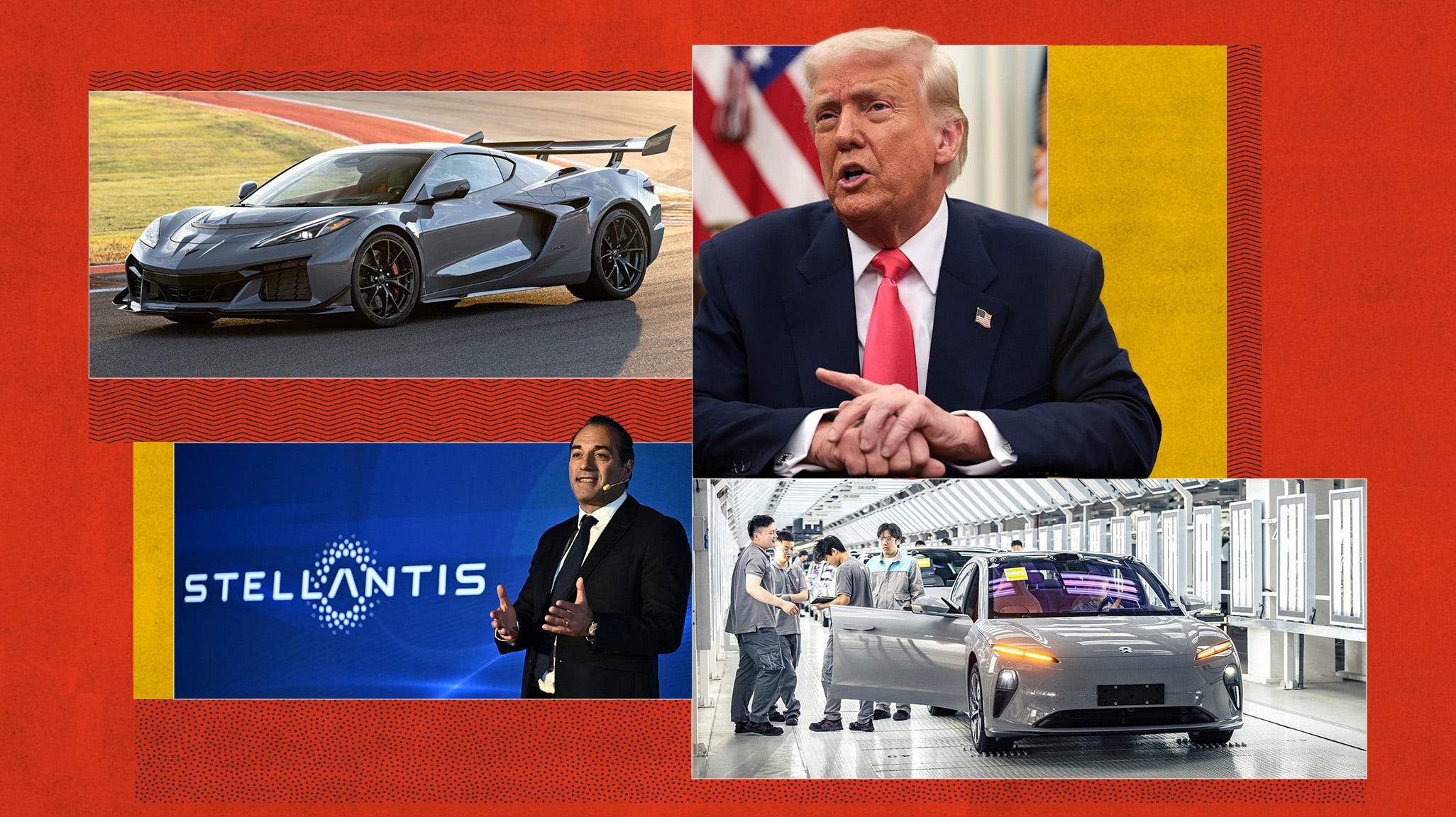
The impact wasn’t confined to import taxes; export subsidies and local content requirements also played a significant role. Nations eager to bolster domestic manufacturing introduced incentives that, while beneficial for local economies, further complicated international trade relations. Automakers were forced to engage in intricate scenario planning, attempting to predict which markets would become more protectionist and how best to adapt their production lines. This constant re-evaluation of trade policies contributed significantly to the unpredictability that defined the 2025 auto industry trends, pushing companies to develop more localized and resilient supply chain strategies.
Realigning Global Alliances and Supply Chains
Beyond tariffs, 2025 saw a fundamental reassessment of global trade alliances. Existing agreements, such as the USMCA, faced renewed scrutiny and calls for renegotiation, driven by a desire for greater national economic security. This re-evaluation challenged the very premise of integrated continental manufacturing, a cornerstone of the auto industry for decades. The push for “friend-shoring” or “near-shoring” production gained significant traction, as companies sought to reduce reliance on distant or politically unstable regions. While this strategy promised increased resilience against future disruptions, it also introduced new costs and complexities, requiring substantial investments in new facilities and infrastructure.
The strategic realignment of supply chains was not merely a reaction to political pressures; it was also a proactive measure to mitigate future risks, especially in critical areas like semiconductor manufacturing and rare earth minerals. Companies began investing heavily in vertical integration or forming new, geographically diverse partnerships to secure essential components. This shift, while painful in the short term, laid the groundwork for a more robust and less vulnerable automotive ecosystem in the years to come, fundamentally altering how vehicles are designed, produced, and distributed globally.
The Electric Vehicle Revolution: Accelerating, Yet Challenged
The transition to electric vehicles (EVs) continued its relentless march in 2025, but not without significant hurdles. While consumer interest and regulatory mandates pushed adoption rates higher than ever, the infrastructure and resource demands presented formidable challenges, defining a major aspect of the 2025 auto industry trends.
EV Adoption Rates and Infrastructure Hurdles
2025 witnessed unprecedented EV sales figures in several key markets, with some regions seeing EVs account for over 30% of new vehicle registrations. This surge was fueled by an expanding array of attractive models, improved battery ranges, and ongoing government incentives. However, the rapid adoption exposed critical weaknesses in charging infrastructure. Public charging networks struggled to keep pace with demand, leading to longer wait times and range anxiety for many potential buyers. Urban areas, in particular, faced challenges in deploying sufficient charging points for apartment dwellers and those without home charging options. The disparity between EV availability and charging accessibility became a significant bottleneck, tempering enthusiasm in some segments.

Governments and private enterprises initiated massive investment programs to accelerate charger deployment, but the scale of the undertaking meant that significant gaps remained. Furthermore, the grid infrastructure itself came under scrutiny, with concerns raised about its capacity to handle a massive influx of EV charging, especially during peak hours. Smart charging solutions and vehicle-to-grid (V2G) technologies began to gain traction as potential remedies, but their widespread implementation was still years away. The tension between rapid EV growth and lagging infrastructure development was a defining characteristic of the 2025 automotive landscape.
Battery Technology Breakthroughs and Raw Material Scarcity
Battery technology continued its impressive evolution in 2025, with several manufacturers announcing breakthroughs in energy density, charging speed, and cost reduction. Solid-state batteries, though still largely in pilot production, showed immense promise for future generations of EVs, offering greater range and enhanced safety. Innovations in cell chemistry also allowed for reduced reliance on some of the more controversial or scarce raw materials like cobalt, mitigating ethical and supply chain concerns. These advancements were crucial for sustaining the EV revolution and making electric vehicles more accessible to a broader consumer base.
However, the burgeoning demand for EVs simultaneously intensified the global scramble for raw materials. Lithium, nickel, and graphite prices soared, leading to increased production costs and supply chain bottlenecks. Geopolitical tensions surrounding mining operations and processing facilities further complicated matters, creating a highly competitive and often volatile market for these essential resources. Automakers and battery manufacturers formed strategic partnerships, invested directly in mining operations, and explored recycling initiatives to secure their future supply. The dual challenge of innovating battery technology while ensuring a sustainable and ethical supply of raw materials remained a central theme for the 2025 auto industry trends, underscoring the interconnectedness of technological progress and resource management.
Economic Headwinds and Evolving Consumer Behavior
The economic climate in 2025 presented a mixed bag of challenges and opportunities for the auto industry. Inflationary pressures, rising interest rates, and evolving consumer priorities significantly influenced purchasing decisions and market dynamics.
Record High Car Prices and Affordability Crisis
The average price of a new vehicle in many developed markets continued its upward trajectory, reaching historic highs in 2025. This was a confluence of several factors: persistent supply chain constraints, increased costs for advanced technologies (especially in EVs), labor shortages, and inflationary pressures on raw materials. While automakers maintained strong profit margins on higher-end models, the rising prices created an affordability crisis for a significant portion of the population. Entry-level and mid-range vehicles became increasingly out of reach for average consumers, leading to a prolonged average ownership period for existing cars and a robust used car market.
This affordability gap forced manufacturers to reconsider their product portfolios, with renewed interest in more budget-friendly EV options and smaller, more efficient internal combustion engine (ICE) vehicles. Financing options also became more stringent, with higher interest rates deterring some buyers. The challenge for the 2025 auto industry trends was to balance technological advancement and profit goals with the fundamental need for accessible personal transportation, a dilemma that continues to shape product development.
The Rise of Subscription Models and Mobility Services
In response to rising ownership costs and a generational shift away from traditional car ownership, subscription models and integrated mobility services gained significant traction in 2025. Automakers and third-party providers offered flexible vehicle access plans, allowing consumers to pay a monthly fee for a car, often including insurance, maintenance, and even charging/fuel. This model appealed to urban dwellers, those seeking variety in their vehicles, and individuals who preferred predictable monthly expenses over large upfront investments.
Beyond individual car subscriptions, the concept of “Mobility as a Service” (MaaS) evolved, integrating public transport, ride-sharing, car-sharing, and micro-mobility options into seamless digital platforms. Consumers increasingly valued convenience and flexibility over outright ownership, leading to a diversification of revenue streams for automotive companies. This shift wasn’t just about selling cars; it was about selling access to transportation, a profound change that underscored the evolving relationship between consumers and vehicles as part of the 2025 auto industry trends.
Key Statistics from the 2025 Auto Industry
Data represents aggregated estimates from various industry reports published in late 2025.
Technological Leaps and the Autonomous Driving Frontier
Technology continued to be a primary driver of innovation and disruption within the automotive sector, with significant advancements in artificial intelligence, connectivity, and autonomous driving capabilities shaping the 2025 auto industry trends.
Advancements in AI and Connected Car Features
Artificial Intelligence permeated nearly every aspect of vehicle design and operation in 2025. AI-powered algorithms enhanced everything from predictive maintenance and energy management in EVs to highly personalized infotainment systems. In-car voice assistants became more sophisticated, understanding natural language commands with greater accuracy and integrating seamlessly with smart home devices and personal digital ecosystems. Over-the-air (OTA) updates became standard across most new models, allowing manufacturers to deploy new features, performance enhancements, and security patches remotely, effectively turning cars into continually evolving software platforms.
Connected car features expanded beyond basic navigation and emergency services. Vehicles communicated with each other (V2V) and with infrastructure (V2I), sharing real-time traffic data, road hazard warnings, and optimizing route planning. This interconnectedness laid the groundwork for more efficient traffic flow, reduced congestion, and enhanced safety. The data generated by these connected vehicles became an invaluable asset, driving new business models in areas like insurance, urban planning, and personalized services, further solidifying the role of data analytics in the 2025 auto industry trends.
The Road to Full Autonomy: Hype vs. Reality
While the dream of fully autonomous vehicles (Level 5) remained a distant goal, 2025 saw significant progress in advanced driver-assistance systems (ADAS) and Level 2/2+ autonomy. Features like hands-free highway driving, automated lane changes, and sophisticated parking assistance became increasingly common, offering consumers a taste of future mobility. These systems, powered by advanced sensors (Lidar, radar, cameras) and AI, dramatically improved safety and reduced driver fatigue on long journeys.
However, the year also brought a dose of reality regarding the complexities of widespread autonomous deployment. Regulatory frameworks struggled to keep pace with technological advancements, and public trust remained a critical barrier following a few high-profile incidents involving test vehicles. The ethical implications of AI decision-making in critical situations and the legal liabilities associated with autonomous operations were still subjects of intense debate. While robo-taxis expanded their operations in a few select cities under strict geographical and weather constraints, the widespread adoption of driverless vehicles in diverse environments was clearly a multi-decade endeavor. The 2025 auto industry trends around autonomy highlighted a cautious optimism, balancing innovation with a pragmatic understanding of the challenges ahead.
Manufacturing Innovations and Production Challenges
The manufacturing side of the automotive industry in 2025 was a testament to adaptability. Companies grappled with lingering effects of past disruptions while simultaneously embracing new production methodologies.
Resilience in Supply Chains Post-Pandemic
The lessons learned from the global pandemic and subsequent supply chain crises reverberated strongly in 2025. Automakers continued to invest heavily in building more resilient and diversified supply networks. This included regionalizing production where feasible, dual-sourcing critical components, and implementing advanced predictive analytics to foresee and mitigate potential disruptions. The semiconductor shortage, while less severe than in previous years, still caused intermittent production slowdowns, reinforcing the need for greater control over the microchip supply chain. Some major players even explored direct investments in semiconductor foundries to secure future chip access.
The adoption of Industry 4.0 technologies, such as advanced robotics, AI-driven quality control, and digital twins, became more widespread in manufacturing plants. These innovations not only improved efficiency and reduced waste but also offered greater flexibility to quickly reconfigure production lines in response to market shifts or supply issues. The focus was not just on efficiency, but on creating adaptable manufacturing ecosystems that could withstand future shocks, a crucial element in navigating the 2025 auto industry trends.
Sustainable Manufacturing Practices
Environmental, Social, and Governance (ESG) considerations moved from being a niche concern to a core strategic imperative in 2025. Automakers faced increasing pressure from regulators, investors, and consumers to adopt more sustainable manufacturing practices. This translated into significant investments in renewable energy sources for factories, efforts to reduce water consumption, and aggressive targets for waste reduction and recycling. The entire lifecycle of a vehicle, from raw material extraction to end-of-life recycling, came under scrutiny. Manufacturers explored closed-loop systems for battery materials and increased the use of recycled and bio-based materials in vehicle interiors and exteriors.
The push for sustainability extended to the supply chain, with automakers scrutinizing their suppliers’ environmental and labor practices. This holistic approach aimed to reduce the overall carbon footprint of vehicle production and ensure ethical sourcing of materials. While initially seen as a cost center, many companies began to view sustainable manufacturing as a competitive advantage, attracting environmentally conscious consumers and investors, thereby shaping a significant aspect of the 2025 auto industry trends.
The Human Element: Workforce and Consumer Experience
Amidst all the technological and economic shifts, the human element—both the workforce driving innovation and the consumers experiencing the products—remained central to the industry’s narrative in 2025.
Talent Shortages and Reskilling Initiatives
The rapid transformation of the auto industry created a significant demand for new skills, particularly in software development, data science, electrical engineering, and battery technology. This led to persistent talent shortages, as the traditional automotive workforce often lacked the expertise required for the digital and electric age. Companies responded by launching aggressive reskilling and upskilling programs for their existing employees, investing in partnerships with educational institutions, and actively recruiting from tech sectors. The competition for top talent intensified, driving up wages and benefits for specialized roles.
The shift also impacted blue-collar workers, as manufacturing processes became more automated and efficient. While some jobs were displaced,