Xiaomi Redmi Note 8 Pro: A Deep Dive into its Features
The Xiaomi Redmi Note 8 Pro was a significant player in the mid-range smartphone market, offering a compelling blend of features and performance at an attractive price point. Understanding the key characteristics of the Xiaomi Redmi Note 8 Pro is crucial for anyone considering purchasing a used model or simply wanting to appreciate its legacy. This article provides an in-depth look at the specifications, design, camera capabilities, performance, and overall value proposition of this popular device. We’ll explore everything from the screen resolution to the processing power, giving you a comprehensive overview.
Design and Display: A Visual Treat
The Redmi Note 8 Pro boasts a premium design with a glass back and a gradient finish, making it visually appealing. It feels solid in hand, although the glass construction can be a bit slippery. The phone is available in several color options, allowing users to choose one that suits their personal style. The build quality is commendable, giving the device a flagship-like feel.
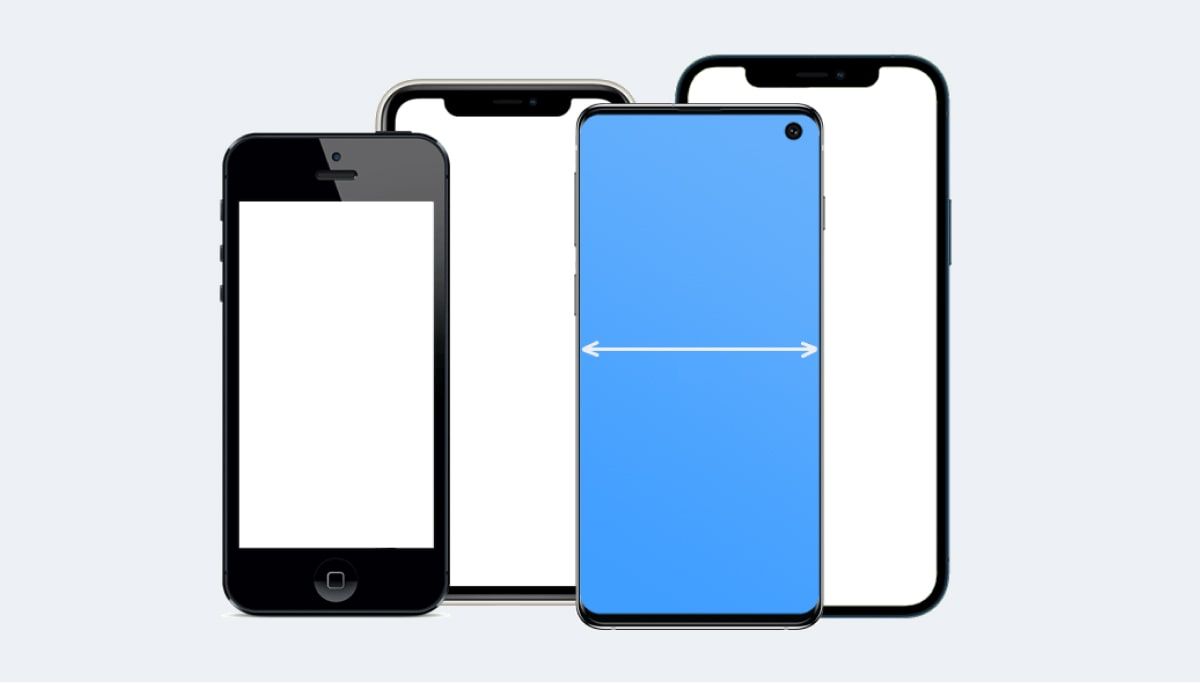
The display is a 6.53-inch IPS LCD panel with a resolution of 2340 x 1080 pixels (Full HD+). The screen offers vibrant colors, good contrast, and decent viewing angles. The brightness is sufficient for outdoor use, although direct sunlight might pose a challenge. The display is protected by Corning Gorilla Glass 5, which provides resistance against scratches and minor impacts. This makes the device more durable for everyday use. The screen resolution is crucial for designers and developers, influencing breakpoints and media query definitions. As mentioned before, the Xiaomi Redmi Note 8 Pro viewport resolution is 393 pixels in width and 851 pixels in height.
- Screen Size: 6.53 inches
- Resolution: 2340 x 1080 pixels (Full HD+)
- Panel Type: IPS LCD
- Protection: Corning Gorilla Glass 5
Performance: Power Under the Hood
One of the standout characteristics of the Xiaomi Redmi Note 8 Pro is its performance. It is powered by the MediaTek Helio G90T processor, an octa-core chipset designed for gaming. This processor is paired with up to 8GB of RAM, ensuring smooth multitasking and responsiveness. The phone handles demanding games and applications with ease, making it a great choice for gamers and power users. The Helio G90T also features a liquid cooling system, which helps to prevent overheating during prolonged gaming sessions.
The Redmi Note 8 Pro also offers ample storage space, with options ranging from 64GB to 128GB. The storage can be further expanded via a microSD card, allowing users to store even more photos, videos, and files. The combination of a powerful processor, ample RAM, and expandable storage makes the Redmi Note 8 Pro a capable and versatile device.
- Processor: MediaTek Helio G90T
- RAM: Up to 8GB
- Storage: 64GB/128GB
- Expandable Storage: Yes, via microSD card
Camera: Capturing Moments in Detail
The camera system is another highlight of the Redmi Note 8 Pro. It features a quad-camera setup on the rear, headlined by a 64-megapixel primary sensor. This sensor captures detailed and sharp images in well-lit conditions. The other cameras include an 8-megapixel ultrawide lens, a 2-megapixel macro lens, and a 2-megapixel depth sensor. The ultrawide lens allows users to capture expansive landscapes, while the macro lens enables close-up shots of small objects. The depth sensor helps to create a bokeh effect in portrait mode.
The Redmi Note 8 Pro also excels in low-light photography. The camera utilizes pixel binning technology to combine four pixels into one, resulting in brighter and clearer images. The phone also features a dedicated night mode, which further enhances low-light performance. The 20-megapixel front-facing camera captures detailed selfies and supports features like AI beautification and portrait mode. The phone can also record videos at up to 4K resolution, offering good video quality.
- Rear Camera: 64MP (primary) + 8MP (ultrawide) + 2MP (macro) + 2MP (depth)
- Front Camera: 20MP
- Video Recording: Up to 4K resolution
- Features: Night mode, AI beautification, Portrait mode
Battery Life: Powering Through the Day
The Redmi Note 8 Pro is equipped with a 4500mAh battery, which provides excellent battery life. The phone can easily last a full day on a single charge, even with heavy usage. The device also supports 18W fast charging, allowing users to quickly top up the battery. The combination of a large battery and fast charging makes the Redmi Note 8 Pro a reliable device for users who are always on the go. The long-lasting battery ensures that users can enjoy their favorite games, movies, and applications without worrying about running out of power.
The phone also features power-saving modes, which can further extend battery life. These modes restrict background activity and reduce screen brightness to conserve power. Users can also customize these modes to suit their individual needs. The Redmi Note 8 Pro’s battery performance is one of its strongest selling points.
- Battery Capacity: 4500mAh
- Charging: 18W Fast Charging
- Battery Life: Full day on a single charge (typical usage)
- Power Saving Modes: Yes
Software and Features: MIUI Experience
The Redmi Note 8 Pro runs on Xiaomi’s MIUI operating system, which is based on Android. MIUI offers a highly customizable and feature-rich experience. It includes a variety of pre-installed applications and tools, as well as a range of customization options. While some users appreciate the added features, others find MIUI to be a bit bloated. The software is generally smooth and responsive, but occasional lags and stutters can occur.
Xiaomi regularly releases updates for MIUI, which include bug fixes, performance improvements, and new features. The company also provides timely security updates to protect users from potential threats. The Redmi Note 8 Pro also includes features like a fingerprint sensor and face unlock, which provide convenient and secure ways to unlock the device. The fingerprint sensor is located on the rear of the phone, while the face unlock feature uses the front-facing camera to recognize the user’s face. For elevating your fitness tracking capabilities, consider how devices like the Amazfit Active can complement your smartphone experience, providing detailed health metrics and insights.
- Operating System: MIUI (based on Android)
- Customization: Highly customizable
- Security: Fingerprint sensor, Face unlock
- Updates: Regular software and security updates
Xiaomi Redmi Note 8 Pro: Detailed Specifications Table
Here’s a more detailed table summarizing the key specifications of the Xiaomi Redmi Note 8 Pro:
Value Proposition: A Budget-Friendly Champion
The Xiaomi Redmi Note 8 Pro offered excellent value for money. It provided flagship-level features and performance at a mid-range price point. The phone’s powerful processor, capable camera system, long-lasting battery, and premium design made it a popular choice among budget-conscious consumers. While it may not compete with the most expensive flagship phones, it delivers a compelling experience that rivals many higher-priced devices.
Even today, the Redmi Note 8 Pro remains a viable option for users who are looking for a capable and affordable smartphone. Its key features still hold up well, and it can handle most everyday tasks with ease. The phone’s large display, powerful processor, and versatile camera system make it a great choice for entertainment, gaming, and photography. This is a device that continues to offer value, even several years after its initial release. The Redmi Note 8 Pro truly made a name for itself as a budget-friendly champion.
Alternatives to Consider
While the Redmi Note 8 Pro was a strong contender in its time, several alternatives exist that may offer similar or even better features depending on your specific needs. These alternatives often come with updated software, improved camera technology, or enhanced performance. Consider the following when exploring alternatives:
- Realme Smartphones: Realme offers a range of devices that compete directly with Xiaomi in the mid-range segment. These phones often feature similar specifications and aggressive pricing.
- Samsung Galaxy A Series: Samsung’s Galaxy A series provides a balance of features and affordability, with options that cater to different budgets.
- Google Pixel A Series: The Google Pixel A series focuses on providing a great camera experience and timely software updates at a reasonable price.
Before making a decision, it’s important to compare the specifications, features, and prices of different devices to determine which one best meets your needs. Consider factors such as camera quality, battery life, performance, and software updates when making your choice. Don’t forget to factor in the device’s pixel density, as this impacts the visual quality of images and videos. For example, the Xiaomi Redmi Note 8 Pro has a pixel density of 2.75, which is important to consider when comparing it to other devices.
The Importance of Screen Resolution and Pixel Density
Screen resolution and pixel density are critical factors in determining the visual quality of a smartphone display. The screen resolution refers to the number of pixels that make up the display, while the pixel density (measured in pixels per inch or PPI) indicates how closely packed those pixels are. A higher resolution and pixel density result in sharper, more detailed images and text.
For designers and developers, the screen resolution is particularly important because it determines the breakpoints and media queries used to create responsive websites and applications. Media queries allow developers to tailor the layout and design of their websites to different screen sizes and resolutions, ensuring that they look good on all devices. Understanding the screen resolution of popular devices like the Redmi Note 8 Pro is essential for creating a seamless user experience. The device’s resolution is 393 pixels in width and 851 pixels in height, which affects how content is displayed. When considering devices like the Dell laptops for creative work, screen resolution and color accuracy become even more crucial for detailed design tasks.
Pixel density also plays a role in visual quality. A higher pixel density means that the pixels are more closely packed together, making it harder to distinguish individual pixels with the naked eye. This results in a smoother, more realistic image. Devices with lower pixel densities may exhibit a “screen door effect,” where the individual pixels are visible, detracting from the overall viewing experience.
Conclusion: A Solid Mid-Range Contender
In conclusion, the Xiaomi Redmi Note 8 Pro was a well-rounded mid-range smartphone that offered a compelling combination of features, performance, and value. Its powerful processor, capable camera system, long-lasting battery, and premium design made it a popular choice among budget-conscious consumers. While it may not be the latest and greatest device on the market, it remains a viable option for users who are looking for a capable and affordable smartphone. Understanding the characteristics of the Xiaomi Redmi Note 8 Pro can help you make an informed decision when considering purchasing a used model or simply appreciating its contribution to the smartphone landscape.
The Redmi Note 8 Pro proved that it was possible to deliver a flagship-like experience without breaking the bank. Its success paved the way for other mid-range devices that offer similar levels of performance and features. The phone’s legacy continues to inspire manufacturers to push the boundaries of what’s possible in the budget smartphone market. The Redmi Note 8 Pro was a true game-changer.