Apple iPhone 5s: Unveiling Key Specifications & Features
The Apple iPhone 5s, though a classic, remains a topic of interest for those curious about its specifications and features. Understanding the iPhone 5s characteristics provides valuable insight into Apple’s design philosophy and the evolution of smartphone technology. Let’s delve into the specifics that defined this iconic device.
Design and Build Quality
The iPhone 5s continued Apple’s commitment to premium design. Its aluminum body, chamfered edges, and glass accents gave it a sophisticated look and feel. Available in space gray, silver, and gold, the iPhone 5s offered a touch of personalization. The device’s compact size made it comfortable to hold and use with one hand, a feature that many users appreciated. The build quality was exceptional, ensuring durability and longevity.
Display Characteristics
The iPhone 5s featured a 4-inch Retina display with a resolution of 1136 x 640 pixels. This resulted in a pixel density of 326 ppi (pixels per inch), providing sharp and vibrant visuals. The display’s color accuracy and brightness made it ideal for viewing photos, videos, and text. While smaller than modern smartphone screens, the iPhone 5s’s display was well-regarded for its clarity and responsiveness.
Performance and Hardware
At the heart of the iPhone 5s was the Apple A7 chip, a 64-bit processor that delivered significantly improved performance compared to its predecessor. This chip allowed for faster app loading, smoother multitasking, and enhanced graphics capabilities. The A7 chip was paired with the M7 motion coprocessor, which handled sensor data and improved battery life. The iPhone 5s was available in 16GB, 32GB, and 64GB storage options.
Camera Capabilities
The iPhone 5s featured an 8-megapixel iSight camera with an f/2.2 aperture. This camera was capable of capturing high-quality photos and videos, even in low-light conditions. The iPhone 5s also introduced features like burst mode, which allowed users to capture multiple photos in quick succession, and slow-motion video recording. The front-facing camera was a 1.2-megapixel FaceTime camera.
Software and User Experience
The iPhone 5s launched with iOS 7, a major redesign of Apple’s mobile operating system. iOS 7 introduced a flatter, more modern interface, along with new features like Control Center and AirDrop. The iPhone 5s continued to receive software updates for several years, ensuring that users had access to the latest features and security enhancements. The intuitive user interface and smooth performance made the iPhone 5s a joy to use.
Touch ID and Security
One of the most innovative features of the iPhone 5s was Touch ID, a fingerprint sensor integrated into the home button. Touch ID allowed users to unlock their device and authenticate purchases with their fingerprint, adding an extra layer of security. This feature was a major step forward in mobile security and paved the way for future fingerprint-based authentication systems. The introduction of Touch ID on the iPhone 5s marked a significant shift in how users interacted with their devices, emphasizing convenience and security.
Connectivity and Battery Life
The iPhone 5s supported a wide range of connectivity options, including Wi-Fi, Bluetooth, and 4G LTE. It also featured a Lightning connector for charging and data transfer. The battery life of the iPhone 5s was decent for its time, offering up to 10 hours of talk time and 250 hours of standby time. However, battery life could vary depending on usage patterns. If you are curious about the battery capabilities in later models, you can compare the specs and features of the iPhone 6s and see how Apple improved on this aspect.
Detailed Specifications Table
Here’s a table summarizing the key specifications of the Apple iPhone 5s:
Viewport Resolution and CSS Targeting
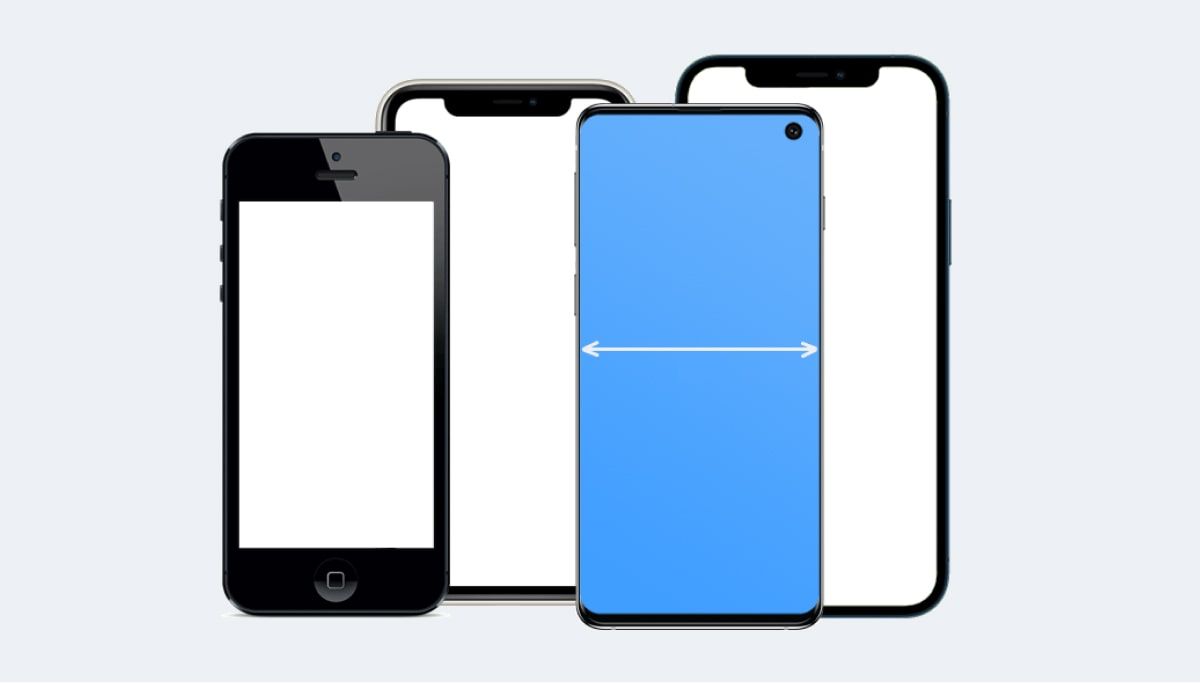
When developing websites for mobile devices like the iPhone 5s, understanding the viewport resolution is crucial. The viewport is the visible area of a webpage on a device. For the iPhone 5s, the viewport resolution is typically 320 pixels in width and 568 pixels in height. However, it’s important to note that the height can vary due to browser UI elements. Developers use this resolution to set breakpoints and define media queries in CSS, ensuring that websites are responsive and adapt to different screen sizes. For instance, you can target devices with a specific pixel density using media queries like this:
@media only screen and (-webkit-min-device-pixel-ratio: 2) { /* CSS rules for high-density displays */ }
This media query targets devices with a pixel density of 2 or higher, like the iPhone 5s, allowing you to apply specific styles to optimize the display for these devices. Understanding these display characteristics is vital for creating a user-friendly mobile experience.
Pixel Density and Its Impact
The iPhone 5s has a pixel density of 2, meaning that there are twice as many pixels per inch compared to a non-Retina display. This high pixel density results in sharper images and text, making the display more visually appealing. Developers can leverage this by providing higher-resolution images and assets for Retina displays, ensuring that their websites and apps look crisp and clear on the iPhone 5s. JavaScript can also be used to retrieve the device’s pixel density using window.devicePixelRatio.
Constructor Resolution
The constructor resolution, also known as the physical resolution, of the iPhone 5s is 640 pixels in width and 1136 pixels in height. This is because the device has a pixel density of 2, so the physical number of pixels is double the logical resolution. Some analytics tools may display the constructor resolution instead of the viewport resolution, so it’s important to be aware of this when interpreting data. The iPhone 7 Plus specifications also demonstrate how constructor resolution contributes to overall image quality.
Comparing the iPhone 5s to Other Smartphones
While the iPhone 5s was a groundbreaking device in its time, it’s important to compare it to other smartphones, both from Apple and other manufacturers. Devices like the Samsung Galaxy On8, offer different features and specifications, such as larger screens and different camera technologies. Understanding these differences can help users make informed decisions about which smartphone is right for them. Similarly, analyzing the Sony Xperia X specs and features provides a broader perspective on the mobile technology landscape of the time.
The Lasting Impact of the iPhone 5s
The iPhone 5s had a significant impact on the smartphone industry. Its 64-bit processor, Touch ID fingerprint sensor, and refined design set new standards for mobile devices. The iPhone 5s also demonstrated Apple’s commitment to innovation and user experience. Even though it’s an older device, the iPhone 5s remains a relevant benchmark in smartphone history. Its influence can still be seen in modern smartphones, which continue to push the boundaries of technology and design.
Conclusion
The Apple iPhone 5s, with its distinctive iPhone 5s characteristics, remains a significant device in the history of smartphones. Its innovative features, premium design, and solid performance made it a popular choice among consumers. Understanding the specifications and features of the iPhone 5s provides valuable insight into Apple’s design philosophy and the evolution of mobile technology. From its 64-bit processor to its Touch ID fingerprint sensor, the iPhone 5s set new standards for smartphones and continues to influence the industry today.